
If you are tired of dropping high-end capital on flashy tech gear only to watch it fry, strip, or die within six months, you are not alone. Understanding why essential tech tools do not need premium pricing is the ultimate lab macete for anyone building a serious workspace without throwing money into corporate marketing pits.
Most luxury hardware manufacturers slap anodized aluminum shells and sleek RGB logos onto bargain-bin internal components, charging top-tier rates for tools that share the exact same internal logic boards as low-cost alternatives. When you pay for high-end badging, you are funding their influencer campaigns, not better copper traces or heat-treated tool steel.
When you stop falling for luxury tech marketing and start evaluating gear by component quality, thermal design, and electrical tolerances, your entire setup changes. You save massive operational capital, protect your physical joint health with reliable ergonomics, and build a rock-solid bench that never lets you down in the middle of a critical repair or work crunch.
30-Second Summary: Tech Support Counter Talk
Listen up. High cost does not equal industrial endurance. Half of the expensive executive-grade docks, smart soldering pens, and precision toolkits sitting on boutique websites are identical inside to mid-tier utilitarian hardware, wrapped in CNC aluminum to trick you.
Stop paying for shiny outer shells. Look for solid S2 tool steel bits, real ESD-safe grounded chassis, copper heat sinks instead of decorative plastic covers, and open-source firmware compatibility. Buy utility-first tech tools that put every cent into raw component tolerance, not laser-etched luxury branding.
Bench Test Comparison: Essential Tech Tool Categories
| Tool Category | Build Material | Internal Component Integrity | Failure Rate Under Stress | Value Engineering Grade |
|---|---|---|---|---|
| Precision Driver Kits | Machined S2 Tool Steel | Hardened Magnetic Core | Extremely Low | Top Tier Value |
| Active USB-C Docks | Anodized Aluminum / Thermal Pads | Dual Power Delivery ICs | Low to Moderate | High Value Ratio |
| Temperature Soldering Irons | ESD-Safe Polymer / Ceramic Tip | Direct-Drive Heating Cartridge | Low | Exceptional Value |
| Ergonomic Monitor Arms | Heavy Mechanical Steel Spring | Reinforced Steel Joints | Very Low | Maximum Utility Tier |
Battlefield Assessment: Evaluating Tool Architectures
1. Precision Driver Kits (S2 Steel vs. Chrome Vanadium)
Precision drivers are the fundamental backbone of any hardware bench. S2 tool steel offers a higher rockwell hardness rating compared to cheap decorative alloys.
The Good: S2 steel bits hold tight machining tolerances under heavy torque, preventing stripped pentalobe and tri-wing screws inside delicate laptops.
The Bad: Budget handles often lack knurled rubber grips, making them slippery if your hands are oily from thermal paste.
2. Active USB-C Workstation Docks
Docks act as central traffic controllers for power, display, and high-speed data across your entire workstation setup.
The Good: Mid-tier utilitarian docks featuring dedicated thermal pads dissipate heat across internal components efficiently, preventing display flickers.
The Bad: Overly compact luxury docks skip internal heat sinking to stay thin, causing power management chips to overheat under multi-monitor loads.
3. Temperature-Controlled Soldering Stations
Modern micro-soldering requires precise thermal recovery rather than raw, unregulated wattage output.
The Good: Direct-drive cartridge systems heat up to operating temperature in three seconds, offering surgical thermal stability on dense motherboards.
The Bad: Low-cost silicone cables can occasionally feel stiff out of the box, requiring a break-in period before maneuvering easily around tight bench setups.
Why Essential Tech Tools Do Not Need Premium Pricing in Real-World Testing
When you pull apart boutique tech gear on a repair bench, the illusion of luxury disappears instantly under microscopic inspection. Inside expensive branded docking stations, you frequently find the exact same Realtek Ethernet controllers, VIA USB hubs, and Texas Instruments power delivery ICs used in mid-tier, utility-focused hardware.
The premium price tag goes almost entirely into exterior surface finishing, custom retail packaging, and aggressive social media advertising. A brushed aluminum shell might feel nice in your hand, but if the manufacturer fails to place thermal conductive tape between the internal MOSFETs and that metal casing, it turns into an insulated heat trap that slowly cooks its own power rails.
Maintaining physical endurance and joint health through long, intense troubleshooting sessions on the bench requires real, nutrient-dense nutrition—like whole meat and its natural fats—to keep your mind sharp and your hands steady. Similarly, keeping your tech tools functional requires feeding them clean power and proper thermal management, not shiny outer coatings that look good on camera.
Utility-first manufacturers focus their capital expenditure where it actually counts: extra board-level copper weight, robust ESD protection diodes, and precise machining tolerances on tool tips. Choosing these unpretentious workhorses gives you identical technical performance while leaving your operational capital intact.
The Realities of the Battlefield
On our workbench, WE HAVE A DEDICATED SUPPORT TEAM AND A LAPTOP HARDWARE SPECIALIST who test, tear down, and repair failed gear from every major brand. We see firsthand how high-priced tech tools fall apart under real-world stress.
Luxury precision screwdriver sets frequently feature beautifully polished handles that look sleek in desk setup photos. But under hard daily use, that smooth polished aluminum offers zero ergonomic friction; when applying force to a stubborn chassis screw, your grip slips, stripping the microscopic fastener head clean off.
High-priced active hubs often prioritize ultra-thin form factors over proper acoustic and thermal isolation. Without physical clearance for airflow or internal aluminum spreader plates, the primary controller chip reaches thermal throttling thresholds within twenty minutes of heavy data transfers, causing connected external drives to randomly disconnect.
Even boutique smart soldering irons often ship with proprietary tip interfaces designed to lock you into expensive replacement ecosystems. Meanwhile, open-source compatible cartridge irons deliver identical temperature accuracy and instant tip swaps while using widely available, budget-friendly replacement tips.
Hypothetical Failure Scenario: The Brushed-Aluminum Dock Catastrophe
Imagine a remote developer named Sam who spends a premium tier investment on an ultra-sleek, luxury-branded USB-C dock and a matching high-end precision tool set. The dock features a completely sealed aluminum housing with no air vents or internal thermal pads, prioritizing a minimalist aesthetic.
During a high-stress project deadline in mid-summer, Sam connects dual 4K displays, a high-speed NVMe drive, and a laptop charger into the dock simultaneously. Internal temperatures inside the sealed casing rapidly rise past safe limits, causing the power delivery IC to experience a thermal runaway event and trip its internal safety fuse.
In a panic, Sam tries to open the dock casing to inspect the fuse using a bit from his luxury tool set. But because the bit is made from soft decorative alloy rather than hardened S2 steel, the bit tip twists under pressure, rounding out the tiny chassis screw and permanently locking the dead dock shut. Sam lost his dock, his day, and his hard-earned money because he chose luxury branding over engineered utility.
The Actionable Workbench Checklist
- why essential tech tools do not need premium pricing: Never judge a tool’s durability by its outer metallic finish; inspect component datasheets and internal build materials instead.
- Driver Bit Steel Check: Verify precision screwdriver sets are explicitly rated as S2 tool steel rather than softer chrome-vanadium alloys.
- Thermal Pad Verification: Open active USB hubs and docks to confirm thermal conductive pads directly contact the metal casing for proper heat sinking.
- ESD Grounding Line: Test soldering stations and electric workbench mats with a multimeter to ensure true electrical ground continuity.
- Knurled Grip Ergonomics: Choose driver handles featuring deep rubber or knurled metal textures to prevent hand slippage and wrist strain.
- Open Firmware Compatibility: Select smart soldering irons and diagnostic gear that support open-source firmware for customizable thermal curves.
- Power Supply Tolerances: Ensure multi-port power chargers utilize GaN (Gallium Nitride) architecture with independent port power distribution.
- Cable Strain Relief: Inspect diagnostic leads and data cables for heavy rubber boot strain relief near connectors to prevent internal wire breakage.
- Monitor Arm Spring Type: Opt for heavy-duty mechanical steel coil springs over cheap gas struts for long-term ultrawide panel support.
- Multi-Meter Input Protection: Confirm diagnostic multimeters feature dual ceramic fuses and high-category surge ratings before probing live power rails.
- Replaceable Tip Ecosystems: Avoid proprietary tool attachments; stick to universal tip standards to keep maintenance costs low over time.
- Chassis Venting Layout: Choose active electronics with explicit intake and exhaust cutouts rather than completely sealed unvented enclosures.
👇 Looking for more performance cheats? Check out our field-tested tactical blueprints:
Guides for Your Next Workspace
Professional Laptops
The definitive blueprint to selecting high-performance, enterprise-grade workstations engineered to scale your productivity.
Budget Tech Tools
Practical strategies and low-cost digital tools engineered to maximize office performance without breaking your budget.
Power User Gadgets
Advanced hardware, desk automation tools, and elite tech ecosystems built to completely eliminate workflow bottlenecks.
Frequently Asked Questions
Are cheap precision screwdriver sets safe for delicate laptop repairs?
Only if the bits are machined from hardened S2 tool steel. Bargain-bin bits made from soft chrome-vanadium deform under load, stripping delicate pentalobe or Torx screw heads inside laptop chassis.
Why do expensive USB-C docks overheat so easily?
Luxury docks often prioritize ultra-thin, completely sealed aluminum enclosures without internal thermal pads or air vents. This traps heat generated by power delivery chips, leading to thermal throttling and signal drops.
Does a higher cost soldering station make better solder joints?
No. Solder joint quality depends on precise tip temperature recovery and proper flux application, not machine price. Budget-friendly direct-drive cartridge stations perform identically to high-end legacy stations.
How can I tell if a budget tech tool uses low-grade components?
Check component teardowns for unbranded microcontrollers, thin PCB copper traces, lack of thermal conductive padding, and non-ESD compliant plastic housings. High-value tools always highlight specific component suppliers.
Why are anodized aluminum tool handles actually worse for daily bench work?
Smooth anodized aluminum lacks surface friction. When your hands have natural oils or thermal grease on them, smooth handles slip easily, forcing you to squeeze harder and causing unnecessary hand fatigue.
Is it safe to use budget-friendly power delivery chargers on expensive laptops?
Yes, provided the charger uses Gallium Nitride (GaN) technology from a reputable manufacturer and includes over-current, over-voltage, and thermal protection circuits verified by independent safety certifications.
How do I prevent cheap steel screwdriver bits from stripping microscopic screws?
Throw away soft bits immediately. Always use precision-ground S2 steel bits, apply firm downward pressure aligned perfectly with the screw axis, and never force a bit that fits loosely in the fastener recess.
What is the single most overhyped tech tool feature to avoid?
Proprietary smart apps and unnecessary Bluetooth connectivity on basic bench tools. They add software failure points, shorten battery life, and raise cost without improving the mechanical utility of the tool.
Why Trust SKYTC Curated Gear?
At SKYTC, we simplify technology for you. We aren’t just another deals site; we are hardware experts obsessively focused on elite performance.
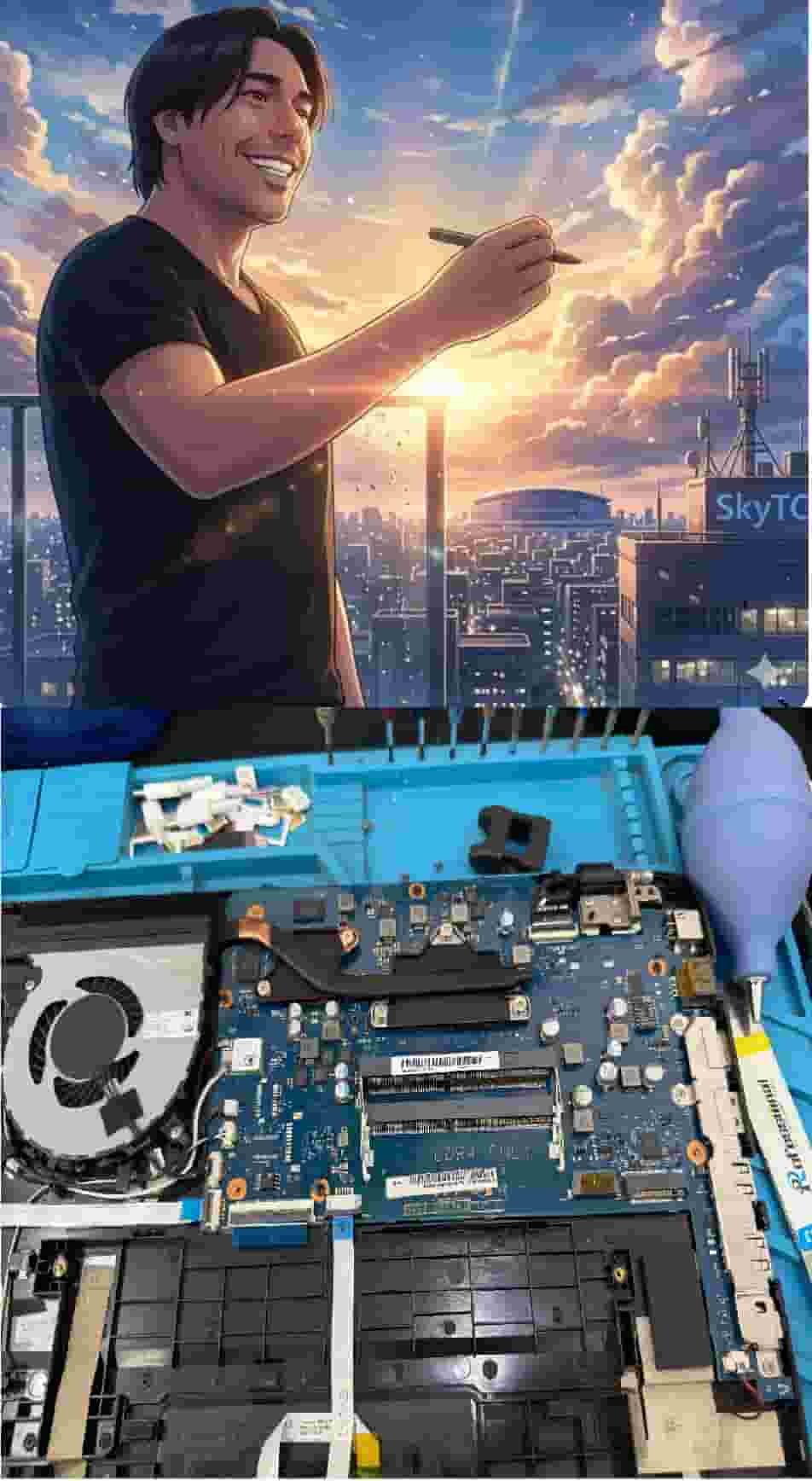
Technical Bio: Hardware & Laptops
“At SkyTC, technology is driven by engineering precision and real field experience. I am Valtersky, and I bring a unique background to the bench: from professional woodworking, the eye for structural integrity; from radiology, an absolute obsession with microscopic details.
As an ultra-endurance marathon runner, I don’t just browse store windows. I tear machines down, run intensive stress tests on thermal dissipation, and validate the actual build quality of every single component. My mission is to translate complex tech engineering and tech finances into smart decisions for your workflow.
Here, we speak straightforward, jargon-free English with the authority of someone who knows exactly what is inside the chassis.”
✨ Read also: (Best Long Lasting Budget Tech Tools for Home Workspaces)
> A deeply technical piece of content that perfectly complements this post — absolutely worth the read.