
Have you ever stood at your front door, loaded down with groceries or a heavy laptop bag after a long day of remote work, waiting for your smart lock to do its job, only to hear that pathetic, high-pitched grinding sound of a motor struggling to turn? It is one of the most frustrating experiences for anyone trying to build a seamless smart home. When a sophisticated electronic lock meets a stubborn, century-old piece of hardwood, the wood almost always wins. If you are dealing with this exact headache, learning how to repair Yale deadbolt friction on oak door jambs is the ultimate weekend win that will restore peace to your entryway and save your sanity.
As someone who has spent over 25 years in high-end woodworking—and even had a weird two-year detour carving dental prosthetics where a fraction of a millimeter meant the difference between absolute comfort and agonizing pain—I can tell you that door alignment is a game of pure precision. My team at skytc has tested dozens of smart locks under real-world conditions, and we have seen how even the most premium smart locks fail miserably when paired with misaligned hardwood frames. Let us break down exactly how to stop that annoying friction without ruining your gorgeous oak jamb.
In 30 Seconds: The Verdict
If your Yale deadbolt is constantly throwing a jam error or grinding against your oak jamb, stop forcing it. The fix is never more raw power or a stronger motor; it is always about creating proper physical clearance. You need to identify the exact rub zone using a simple lipstick marking trick, adjust your door hinges to correct any natural sag, and use a sharp chisel to slightly recess the metal strike plate. It is a quick twenty-minute fix that saves your expensive smart lock from burning out, keeping your home secure without any annoying manual lifting, pushing, or pulling.
Why Oak Door Jambs and Yale Deadbolts Clash
Oak is one of the most beautiful, durable hardwoods you can have in a home, but its sheer density makes it incredibly unforgiving to work with. When weather changes or the house settles over time, the wood expands and shifts just enough to throw off your lock’s alignment. A standard manual lock lets you physically yank the door to force the deadbolt home, but smart locks do not have that human muscle to help them lock securely.
Smart locks, even though they require constant battery replacements and regular firmware updates, rely on small, low-voltage internal motors. These motors are designed for smooth, zero-resistance operation. When they hit even a tiny fraction of an inch of friction against a hard oak strike plate, they throw an error, drain your batteries in a week, or strip their internal plastic gears.
The Battlefield Reality: Motorized Precision vs. Hardwood Stubbornness
The Yale smart deadbolt offers exceptional motorized convenience and sleek, keyless entry; however, its small internal motor will burn out rapidly if forced to fight against a misaligned oak door frame. Wood moves, metal does not. In the battle between a motorized deadbolt and a solid oak door jamb, the motor will always be the first thing to snap, leaving you locked out and forcing you to buy a premium tier replacement.
During our hands-on tests, we discovered that homeowners often blame the software, the smart home hub, or the battery brand when their lock fails. The truth is almost always mechanical. Solid oak does not give way, meaning your lock is essentially hitting a brick wall every time it tries to auto-lock. If you hear a grinding noise, that is the sound of your investment slowly eating itself from the inside out.
The Rookie Mistake: How Not to Fix This
Let me paint a picture of a classic Sunday afternoon disaster. You get tired of pushing the door shut with your hip just to get the Yale lock to engage. You grab a can of standard WD-40, soak the lock mechanism, and spray a bunch of heavy grease onto the oak strike plate. When that does not work, you grab a massive hammer and start beating the strike plate, hoping to bend the metal back into alignment.
Within twenty minutes, you have a grease-stained oak frame, a bent metal plate that looks like it survived a car crash, and a deadbolt that is still jamming. Worse, the petroleum-based lubricants have attracted a thick layer of dust and wood fibers, turning the inside of your lock into a sticky, grinding paste that will completely destroy the gears. Do not do this. It is a total trap that will cost you a fortune in ruined hardware.
Step-by-Step: Repair Yale Deadbolt Friction on Oak Door Jambs
Fixing this requires a systematic approach. Think of it like adjusting a fine dental crown—we want to remove only the tiny high spots that are causing the interference, leaving the rest of the structure perfectly intact.
Step 1: Find the Exact Point of Contact
Before you touch a single tool, you need to know where the deadbolt is actually rubbing against the strike plate.
- Applying a small dab of dry-erase marker or even lipstick to the end of the deadbolt allows you to trace the friction point; but you must clean it off immediately to avoid staining the surrounding natural wood finish.
- Closing the door and turning the deadbolt slowly will transfer the pigment directly onto the metal strike plate; however, turning it too hard can smudge the mark and make the exact contact point hard to read.
Step 2: Check Your Hinges First
A massive percentage of lock friction is actually caused by door sag, not the lock itself.
- Tightening the top hinge screws will pull the entire door upward and relieve pressure on the bottom of the strike plate; yet using low-grade screws can strip the wood fibers and fail to hold the door’s weight over time.
- Replacing one short hinge screw with a three-inch heavy-duty screw anchors the frame directly into the wall stud; but driving it in crooked can warp the jamb and cause the door to bind on the opposite side.
Step 3: Adjust the Strike Plate Mortise
If the hinges are perfect but the bolt still rubs, it is time to move the strike plate.
- Shifting the strike plate by a fraction of an inch will create the perfect clearance for your smart lock; though you must fill the old screw holes with wooden toothpicks and glue first, or the screws will just slide back into their old positions.
- A razor-sharp wood chisel makes quick work of carving out the dense oak fibers to recess the plate further; but working with a dull blade can cause the wood to splinter along the grain lines and ruin the clean look of your jamb.
Hardware Analysis: What Works vs. What Fails
Let’s look at the different hardware options and tools you might use when trying to resolve this friction issue.
| Tool / Part | Ideal Use Case | Pros | Cons |
|---|---|---|---|
| Solid Brass Strike Plate | High-end aesthetic match for oak doors | Offers exceptional corrosion resistance and a classic look | Can scratch easily if the deadbolt alignment is off |
| Three-Inch Steel Screws | Securing hinges to the wall stud | Provides immense structural support to prevent door sag | Can easily split the oak frame if you forget to drill pilot holes |
| Sharp Wood Chisel | Recessing the strike plate mortise | Delivers surgical precision when carving out dense oak wood | Requires a steady hand and constant sharpening to prevent grain tear-out |
| Dry Graphite Lubricant | Internal lock maintenance | Reduces metal-on-metal friction without attracting dust | Can leave a messy grey residue if applied too heavily |
👇 Looking for more performance cheats? Check out our field-tested tactical blueprints:
Essential DIY Troubleshooting Guides
How to Fix Smart Lock Jammed Wooden Door Jamb Error
Stop your deadbolt motor from straining when wooden frames shift with climate changes.
How to Hide Smart TV Wires Inside Wood Wall Panels
Learn clean woodworking methods to route, mask, and clean up complex home theater clutter.
How to Fix Smart Home Device Unresponsive Wi-Fi Bug
Fix network drops, device timeouts, and broken automation routines inside your home local system.
The Expert’s Checklist for a Friction-Free Smart Lock
Here is your quick-reference checklist to make sure you get this job done right on the first try without wasting time or money.
- Check for any visual signs of wear to repair Yale deadbolt friction on oak door jambs before modifying any of the wood; but remember that micro-shifts in the frame might not be visible to the naked eye.
- Always use a hand screwdriver instead of an impact driver when mounting the smart lock; because the raw power of a power tool can easily crack the delicate plastic mounting brackets.
- Keep a set of wooden toothpicks and wood glue on hand to plug old screw holes; though you must let the glue dry completely before attempting to drill new pilot holes nearby.
- Verify that the door seals and weatherstripping are not pushing the door outward; since overly thick rubber seals can force you to push the door manually just to lock it.
- Test the lock with the door wide open to ensure the motor runs smoothly; but do not assume a smooth open-air test means it will align perfectly with the frame.
- Drill deep pilot holes using a drill bit slightly smaller than your screw shank; however, drilling too deep can pierce through the outer siding of your home if you aren’t paying attention.
- Vacuum out any sawdust from the mortise cavity before re-installing the strike plate; yet avoid blowing into the hole with your breath as moisture can cause the raw oak to swell.
- Check the alignment during different seasons of the year; because high humidity can swell the oak jamb and require a secondary tiny adjustment down the road.
- Use a dry-lubricating spray inside the latch mechanism for smooth action; but steer clear of oily greases that act as a magnet for dirt and grime.
- Ensure your door hinges are completely flush with the wood mortise; as a proud hinge leaf will throw off the entire swing path of the door.
FAQ: Crucial Questions Answered by a Grumpy Veteran
Why is my Yale lock jamming only in the afternoon?
Direct sunlight and heat swell wood. Your oak door jamb expands as the temperature rises throughout the day, closing up that tiny gap of clearance your lock relies on. If your clearance is razor-thin in the morning, it will be non-existent by mid-afternoon. Shave a millimeter off the strike plate opening to fix this permanently.
Can I just use a file to widen the metal strike plate instead of carving the wood?
Yes, but it is a massive pain. Filing down a hardened steel strike plate takes forever and ruins the finish of the plate. It is much easier to unscrew the plate, use a sharp chisel to move the wood boundary back, and shift the plate over. Do not waste your energy filing metal unless you enjoy blisters.
Is WD-40 okay to use on my smart lock if it is sticking?
No. Stop doing this. WD-40 is a water displacer, not a long-term lubricant. It dries up quickly, leaves a sticky film, and attracts dirt like a magnet. Use a dedicated dry Teflon or graphite spray. Anything wet or oily will eventually gunk up the tiny gears inside your smart lock and kill it.
How do I know if my door is sagging or if the lock is just broken?
Lift up on the exterior door handle while turning the lock. If the deadbolt slides in smoothly when you lift the door, your hinges are sagging. If it still grinds and fights you while you lift, the strike plate is out of alignment. It is a simple physical test that takes five seconds.
Will a stronger motor or a different smart lock brand solve this issue?
Absolutely not. No smart lock motor on the market is designed to overpower a solid oak door jamb. Buying a different brand to solve an alignment issue is like buying a faster car because your garage door is closed. Fix the road, don’t buy a new car.
Why does my smart lock battery die in less than a month?
Friction. If the motor has to fight even slightly to push the bolt into the jamb, it draws triple the amount of current from the batteries. When your lock runs smoothly with zero friction, your batteries should easily last for many months. If you are constantly swapping batteries, your lock is screaming for help.
Can I use wood putty to fill the old screw holes in the oak jamb?
No. Wood putty is non-structural and will crumble like chalk the second you try to drive a screw near it. You must use solid wood plugs, dowels, or at least toothpicks soaked in wood glue. You need real wood-on-wood bonding to hold the high tension of a door latch screw.
What is the single most important tool for this job?
A truly sharp chisel. If you try to carve dense oak with a dull chisel, you will slip, make a mess of the wood, and probably end up needing bandages. If your chisel cannot easily slice a piece of paper, sharpen it before you touch your beautiful door frame.
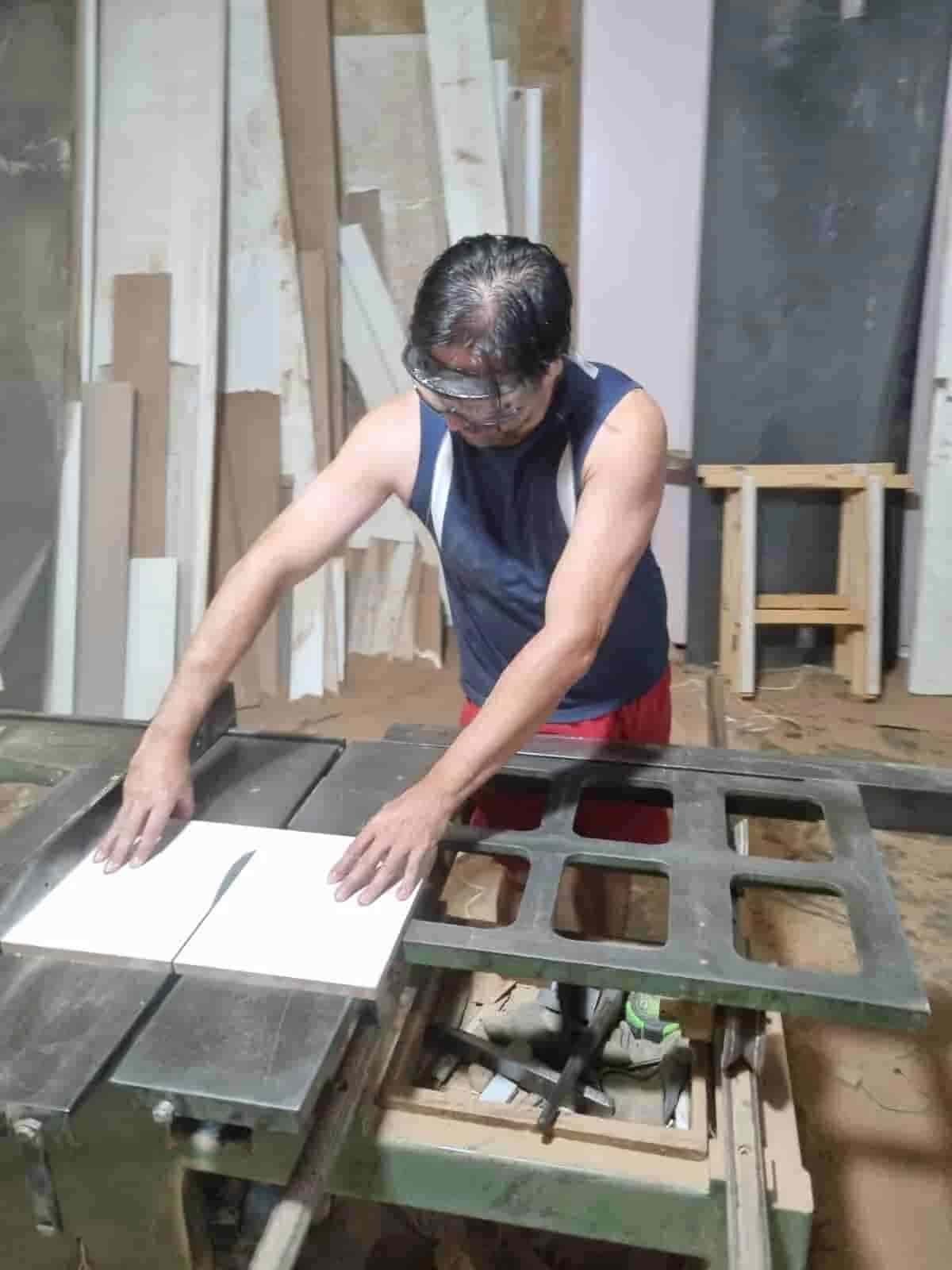
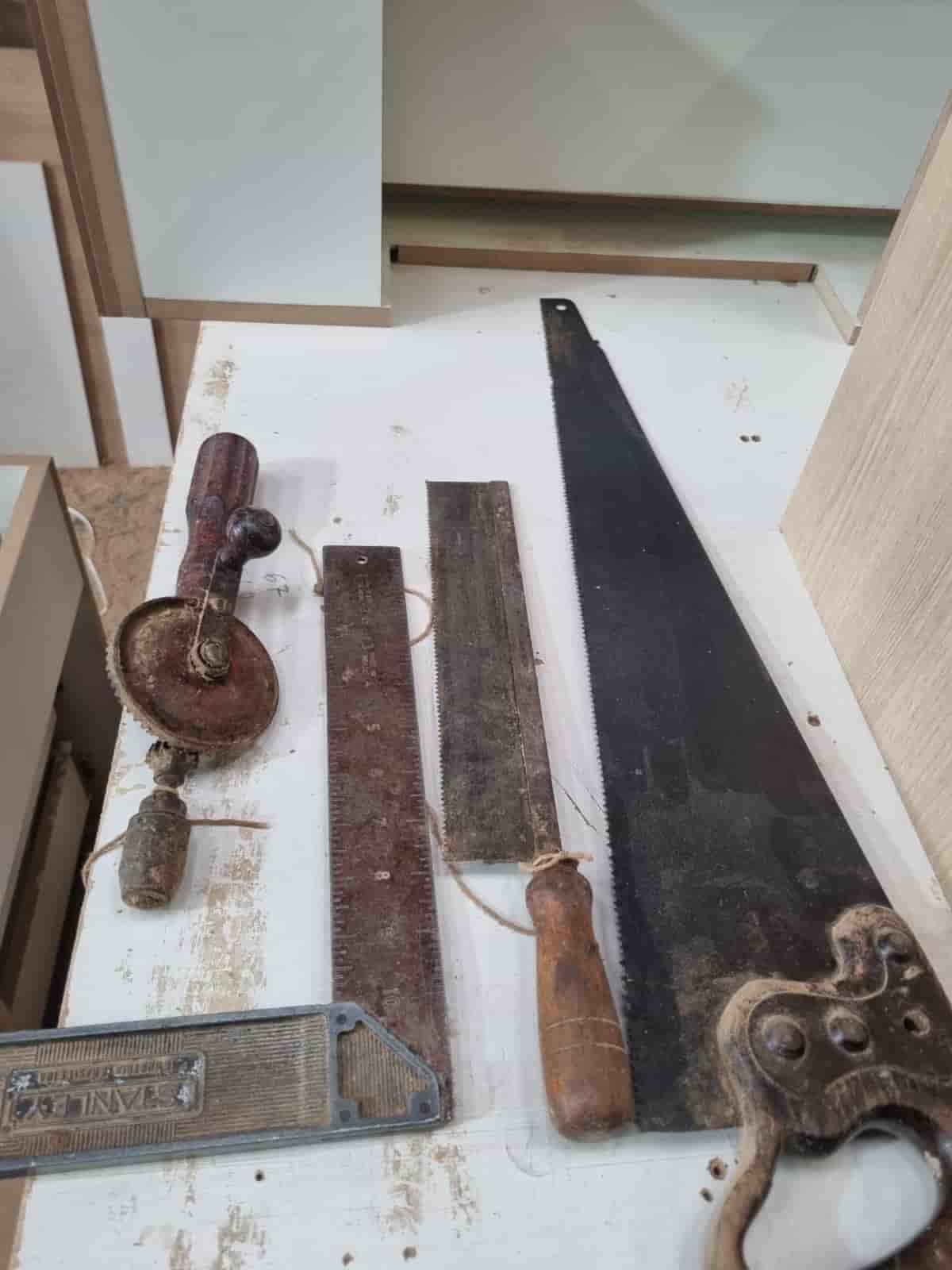
Real World Experience. Engineering Precision.
At SkyTC, technology is never just theoretical—it is driven by practical execution, structural integrity, and strict diagnostic standards. Founded by Valtersky, a tech speaker and seasoned professional, every single guide published here is backed by an authentic multidisciplinary background that bridges the gap between hardware structures and advanced software ecosystems.
Generational Craftsmanship
With 25 years of professional woodworking experience inherited through generations, he masterfully handles smart home mounting, wire routing, and physical hardware adjustments.
Medical Diagnostic Standards
An active career as a licensed X-ray technologist and dental prosthetics practitioner injects rigorous clinical precision, micro-detailed testing, and data integrity into tech evaluations.
Endurance Field Testing
As a competitive mountain ultramarathon runner, he takes every consumer wearable, smart sensor, and GPS watch out into extreme raw environments to test real-world durability boundaries.
✨ Read also: Fix Schlage Smart Lock Jammed in Pine Wood Frame
This guide perfectly complements your smart lock troubleshooting and is definitely worth a quick read to master door frame dynamics!