
You just finished a grueling 30km trail run, and there is a dull, hard-to-pinpoint ache radiating deep within your shin. You worry it is a stress fracture, but you do not want to spend hundreds on a clinical scan just to be told to rest. You want to keep tabs on your skeletal health yourself, but you are not sure if the tools in your bathroom are actual diagnostic tools or just expensive toys.
Learning how to track runner bone mass at home is the critical first step to saving your running season before a silent hairline crack benches you for months. As an amateur athlete who has completed multiple mountain ultramarathons and survived 6 years of impact in the kickboxing ring, I know that skeletal integrity is the ultimate non-negotiable metric for athletic longevity.
And as a clinical analyst with 5 years of field experience as an X-ray technician and 2 years specialized in Computed Tomography (CT scans), I have a literal deep diagnostic look inside the human skeletal system. I know exactly how consumer-grade bone metrics stack up against medical imaging, and where the marketing hype falls flat on its face.
By learning the raw truth about home tracking methods, you will save your wallet from high-tech gadget traps, establish a highly responsive warning system to prevent catastrophic tibial stress fractures, and keep your structural chassis running strong without constant clinical interventions.
In 30 Seconds: The Straight-Talking Verdict
Here is the unfiltered truth: your $150 smart bathroom scale cannot measure your actual bone density. It uses Bioelectrical Impedance Analysis (BIA), which estimates bone mineral mass using algorithms based on your hydration, height, and age. If you are dehydrated after a run, your scale will falsely show a sudden, terrifying drop in bone mass.
To actually track bone health at home, you must combine smart scale trends (never single daily readings) with functional structural metrics. Track your chronic recovery heart rate, measure localized bone tenderness using the “tuning fork test,” and monitor systemic metabolic markers. Skip the fancy smart scales that claim DEXA-level accuracy; they are clinical placebos.
Home Bone Mass Tracking Methods Compared
| Tracking Method | Biological Metric Evaluated | Real-World Accuracy | The Battlefield Drawback (The Catch) | Estimated Cost |
|---|---|---|---|---|
| Smart Bathroom Scales (BIA) | Estimated bone mineral content via electrical resistance | Low (Highly dependent on daily hydration) | A sweaty trail run can trick the scale into reporting a 0.5kg drop in bone mass due to water loss. | $50–$200 |
| 128Hz Tuning Fork Pain Test | Localized periosteal vibration resonance and bone stress | High (Excellent for early stress fractures) | Highly subjective; if you hit an actual stress reaction with it, you will drop to your knees in pain. | $15–$30 |
| At-Home Blood Spot Panels | Bone turnover biomarkers (P1NP / CTX ratio) | Moderate to High (Systemic biological snapshot) | Requires highly painful finger-pricks and fails to show localized wear on specific bones. | $120–$250 per test |
| Functional Hop and Tenderness Audits | Localized mechanical loading tolerance | High (Immediate structural feedback) | Requires raw, objective pain assessment; cannot identify microscopic osteopenic shifts. | Free |
| Baseline DEXA/CT Scans (Clinical Benchmark) | Literal bone mineral density (g/cm²) and cortical wall thickness | Gold Standard (Absolute precision) | Requires a clinical visit, minor radiation exposure, and can be highly expensive without insurance. | $150–$500 |
The Battlefield Assessment of Home Tracking Methods
1. Smart Bathroom Scales: The Good: They are highly convenient, sync automatically with your phone, and provide a long-term, non-invasive digital trend line. The Bad: They are completely dependent on your immediate hydration status, meaning a single hard training session can make your scale report a false drop in bone mass.
2. 128Hz Tuning Fork Pain Test: The Good: Acts as a highly localized, mechanical diagnostic test that can identify early bone stress reactions weeks before they show up on standard X-rays. The Bad: It is highly subjective, requires precise anatomical placement, and can cause intense pain if a fracture is present.
3. At-Home Blood Spot Panels: The Good: Directly measures the chemical messengers of bone remodeling (like P1NP for bone building and CTX for bone loss), giving you a clear biological snapshot. The Bad: It is highly expensive, requires mailing blood cards to a lab, and cannot point to a specific injured area.
4. Functional Hop Audits: The Good: Absolutely free, takes five seconds, and provides immediate, non-negotiable feedback on your lower leg’s structural load-bearing capacity. The Bad: It cannot warn you of systemic osteopenia before physical symptoms manifest on the trail.
The Realities of the Battlefield
The fitness and consumer tech industry loves to sell the idea that a piece of glass on your bathroom floor can replace clinical-grade medical imaging. Let’s look at high-end smart body composition scales. The technical praise: they use multi-frequency bioelectrical impedance to send painless micro-currents through your feet, estimating bone mineral content within seconds.
But the hard negative reality is that under real-world athletic conditions where an ultra runner has calloused feet, sweat-crusted skin, and acute hydration shifts, these currents struggle to penetrate your tissue consistently, yielding fluctuating bone mass readings that are clinically meaningless.
The same failure applies to low-tech hacks like using a 128Hz tuning fork for diagnostic scanning. The technical praise: vibrating metal directly stimulates the periosteum of the bone, creating a localized resonance that exposes deep micro-fissures. But the hard negative reality is that this method requires exact anatomical placement over the bone’s cortical surface.
If you accidentally place the vibrating stem over a highly sensitive, inflamed tendon insertion point or a simple shin-splint area instead of raw bone, you will get a false positive. This will terrify you into stopping your training unnecessarily, highlighting the limit of non-clinical mechanical tests.
Many brands also sell bone turnover supplement packages claiming to rapidly accelerate osteogenesis at home. The technical praise: they contain massive doses of calcium and collagen precursors designed to feed your skeletal remodeling pathway. But the hard negative reality is that without directional axial mechanical loading to drive those nutrients into your bone matrix, your body will simply excrete them, leaving your bones exactly as fragile as before while draining your bank account.
The Dehydrated Scale Obsessive: A Cautionary Tale
Let’s look at John, a 41-year-old executive training for his first 50-miler. He bought a $200 smart scale to closely track his skeletal mass. After a grueling, hot 25km mountain run, John lost roughly 3 liters of water. He stepped onto his scale immediately upon returning, expecting to check his progress.
Because his total body water was severely depleted, the scale’s BIA algorithm miscalculated his body composition. The weak electrical current met massive resistance in his dehydrated muscle tissues, and the scale reported that his bone mineral mass had plummeted by 0.4kg in a single afternoon.
Panicking, John believed his bones were dissolving under the impact of his running. He immediately consumed massive doses of cheap calcium carbonate pills, which caused severe constipation and mineral imbalances. He stopped running entirely for three weeks out of fear, losing his hard-earned cardiorespiratory fitness.
If John had understood that his smart scale was simply guessing his bone mass based on hydration algorithms, he would have rehydrated first, watched the long-term trend, and continued training safely. He let a cheap algorithm make a diagnostic decision for him, and it ruined his race preparation.
👇 Looking for more performance cheats? Check out our field-tested tactical guides:
SkyTC Master Hub & Pillar Guides
The Home Bone Mass Tracking Checklist
- How to track runner bone mass at home begins by ignoring daily smart scale fluctuations and focusing exclusively on 30-day moving averages. Never check your bone mass reading right after a dehydrating workout; only step on the scale fully hydrated first thing in the morning.
- Procure a medical-grade 128Hz tuning fork for your home toolkit. If you suspect a localized stress reaction in your tibia or metatarsals, strike the fork and place the base directly onto the bone to check for sharp, localized pain.
- Perform a single-leg hop test once a week. If you cannot comfortably hop on one leg 10 times on a hard surface without deep, dull bone pain, your skeletal remodeling rate is falling behind your training volume.
- Execute localized palpation audits along your tibial shafts. Use firm, direct thumb pressure along the inner edge of your shin bone; a sharp, pinpoint point of tenderness is a classic indicator of a micro-fracture.
- Track your sleep quality and resting heart rate trends on your smartwatch. A sudden spike in resting heart rate combined with poor sleep is a sign of systemic stress, which triggers cortisol and accelerates bone resorption.
- Order an at-home blood spot test to measure your Vitamin D3 and calcium levels. Ensuring your D3 is optimized (above 50 ng/mL) is a non-negotiable requirement for home bone maintenance.
- Prioritize high-fat, clean red meat in your daily diet to feed your bone matrix. The natural animal fats, collagen, and amino acids in grass-fed beef are the direct structural building blocks your osteoblasts need to harden your skeleton.
- Monitor your vertical height twice a year using a wall-mounted stadiometer. Any measurable loss in height is a strong indicator of spinal compression and bone mineral loss that requires a clinical DEXA scan.
- Document your daily caloric intake to prevent Relative Energy Deficiency in Sport (REDs). If you run high volume in a constant caloric deficit, your body will scavenge your skeleton for essential minerals, dissolving your bone density.
- Avoid taking high-dose calcium pills without Vitamin K2 and D3. Without these specific co-factors, the calcium cannot navigate into your bone matrix and will end up calcifying your vascular system.
- Check your foot arch flexibility and callouses. Rigid, unyielding foot arches prevent natural shock absorption, transferring raw, un-dampened impact forces straight up into your shin bones with every step.
- Track your running volume using a strict 10% progression rule. Your cardiovascular engine adapts to stress weeks faster than your hard skeletal tissue, making rapid volume spikes the number one cause of bone failure.
Dynamic No-Nonsense FAQ
1. Can a smart bathroom scale actually detect osteopenia or osteoporosis?
Absolutely not. Smart scales use bioelectrical impedance to estimate your body composition based on general population algorithms. They cannot measure the micro-architecture, cortical thickness, or actual mineral density of your bones. If you suspect you have low bone density, do not waste time with a scale; go to a clinic and get a DEXA scan.
2. How does the 128Hz tuning fork test work for detecting stress fractures?
A 128Hz tuning fork vibrates at a frequency that directly stimulates the periosteum, which is the highly sensitive, nerve-rich outer layer of your bone. If there is a micro-fracture or a severe stress reaction present, the vibration causes the bone edges to resonate. This triggers a sharp, localized, unmistakable pain signal, giving you a fast field-diagnostic test.
3. Why does my smart scale say my bone mass went down after a hard run?
Because you are dehydrated. Smart scales do not weigh your bones; they measure the electrical resistance of your tissues and use your total body water to estimate bone mass. When you sweat out several liters of water during a run, the scale’s algorithm miscalculates your lean tissue mass and incorrectly reports that you lost physical bone mass.
4. Are at-home blood tests for bone health reliable?
They are highly reliable for measuring systemic mineral levels and bone turnover biomarkers, like Vitamin D3, calcium, and bone-specific alkaline phosphatase. However, they are system-wide biological snapshots. They cannot tell you if a specific bone, like your left tibia, is on the verge of cracking from repetitive downhill trail running.
5. Can I protect my bones simply by taking calcium supplements?
No, this is a dangerous myth. Taking isolated calcium carbonate is a waste of money and a risk to your cardiovascular health. Your bones require a matrix of collagen, magnesium, boron, silica, and fat-soluble vitamins (D3 and K2) to lock that calcium into place. Without those co-factors and physical mechanical loading, the calcium will simply collect in your kidneys and arteries.
6. What is REDs, and why does it destroy a runner’s bone mass?
Relative Energy Deficiency in Sport (REDs) occurs when your caloric intake is too low to support your training volume and basic physiological functions. When your body enters a chronic energy deficit, it shuts down non-essential systems like hormone production. The drop in estrogen or testosterone causes your osteoclasts to rapidly chew away at your bone tissue, leaving you highly susceptible to stress fractures.
7. How does eating clean red meat support skeletal density?
Bones are not just chunks of mineral; they are living tissues made of a flexible collagen matrix reinforced by calcium phosphate. Clean red meat provides high-quality amino acids like glycine and proline, which are the building blocks of collagen. The natural animal fats also deliver crucial fat-soluble vitamins that direct minerals into your bones, ensuring your skeleton remains both strong and flexible.
8. How often should an ultra runner get a clinical DEXA scan?
If you have a history of stress fractures, suffer from chronic fatigue, or suspect you are in a caloric deficit, you should get a baseline DEXA scan once a year. This provides a highly precise, clinical measurement of your bone mineral density. You can then use home metrics like the hop test and smart scale trends to monitor your skeletal baseline between scans.
Why Trust SkyTC Biohacking Curation?
At SkyTC, we treat the human body as your most valuable technology. We are not just a recommendation site; we apply a rigorous clinical and practical screening process to ensure that each recommendation optimizes your biology with safety and real-world results.
✓ Technical Expertise:
Clinical experience in Radiology and Tomography (CT scans). We analyze methods through the lens of bone health and structural integrity.
✓ Specialization:
Focus on real-world biohacking. We test every wearable and supplement at the absolute limit of effort during marathons and on the mats.
✓ Authority:
Curation based on absolute transparency, always highlighting both the positive advantages and the real drawbacks of every technology.
✓ Trust:
A curation process built directly on the professional experience of a field practitioner, speaker, and high-performance leader coach.
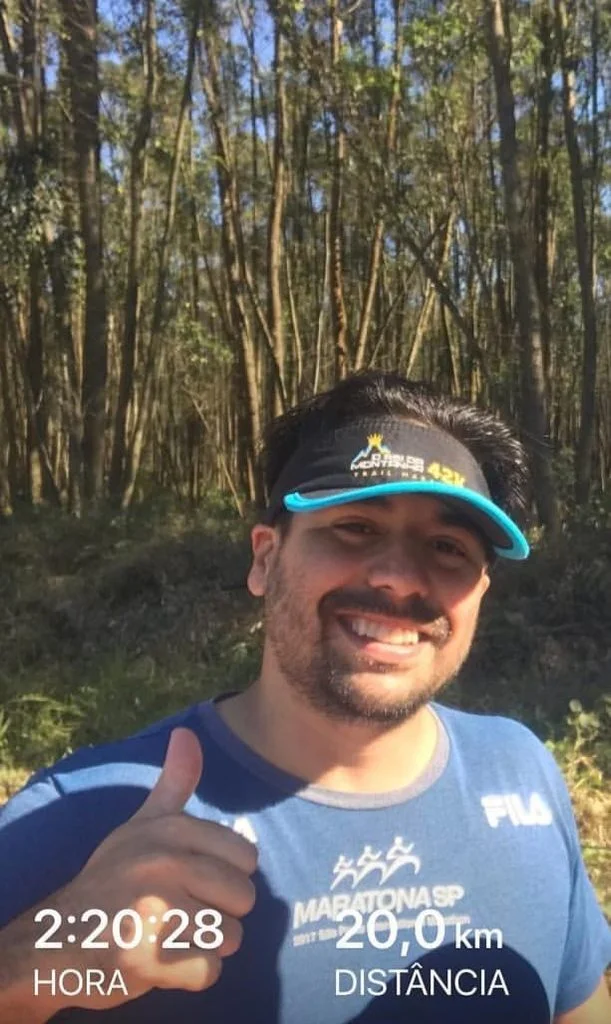
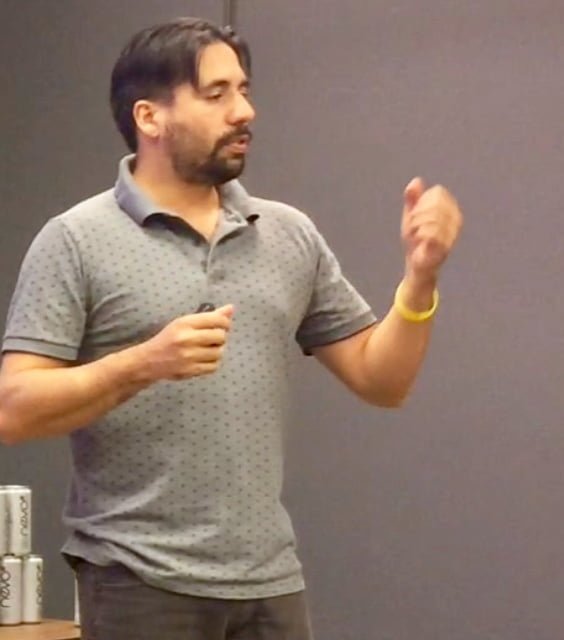
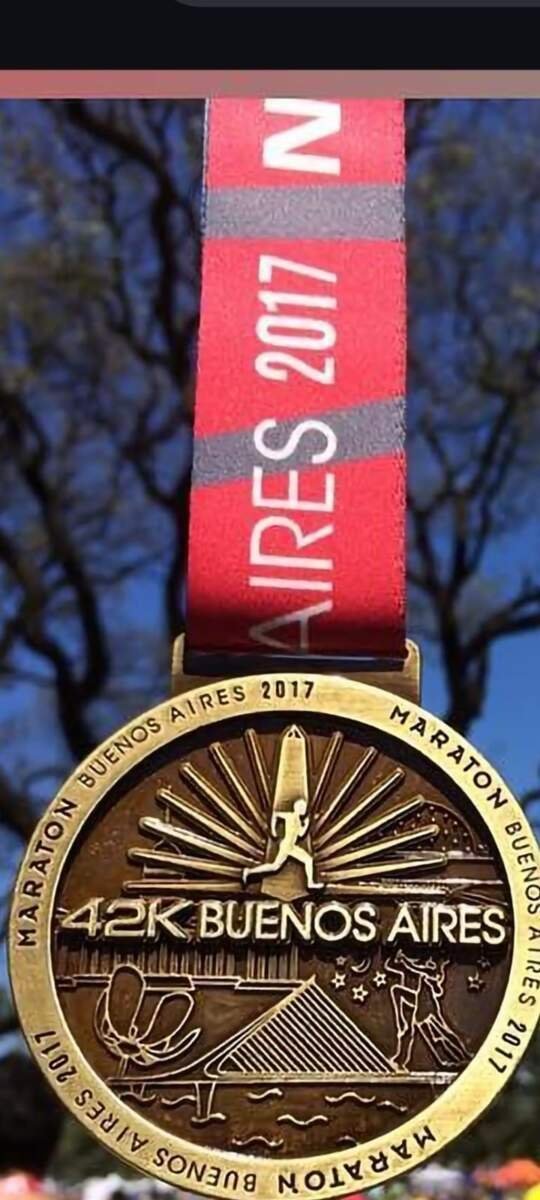

Optimizing the body demands the clinical precision of someone who operated in Radiology (Brazilian Board Certified, CRTR-SP 23595T) for years, combined with the unyielding resilience of someone who conquered multiple 42km+ mountain marathons. As an active professional, multi-pet handler, and tech benchmark researcher, at SkyTC, we bridge advanced technical science with extreme practical environments to help you biohack your active performance, optimize smart pet-tech ecosystems, and protect your structural longevit
Discover my full professional trajectory →✨ Read also: Bone Density Biohacking for Ultra Runners: Structural Shielding for the 100-Mile Impact
A deeply technical piece of content that perfectly complements this post — absolutely worth the read.