
Finding a rapid goldfish gasping at surface fix is a life-or-death emergency that will make your stomach drop [1]. You walk into the room, and there they are—your beloved fish hanging at the surface of the water, frantically gulping air as if they are drowning in their own tank [1]. It is a terrifying sight that triggers instant panic, but running around blindly throwing random chemicals into the water is the fastest way to kill them.
In my 8 years of keeping fancy goldfish in my massive 100-gallon aquarium, I have faced this oxygen emergency more times than I care to admit. As a professional seamstress, I know that when a machine’s tension is off, the fabric bunches and jams; similarly, when your tank’s biological tension is off, the whole ecosystem suffocates. And as a long-distance runner, I understand the critical importance of oxygen efficiency—when your lungs are burning, every single breath counts.
It is completely normal to feel helpless when your aquatic pets are struggling. However, we are going to fix this step-by-step with raw, proven science.
Why Is My Goldfish Suffocating?
To fix the issue, you must understand that goldfish do not breathe water; they breathe the microscopic dissolved oxygen (DO) gas trapped between water molecules [1]. When they gasp at the surface, they are clinging to the top millimeter of water because that is where atmospheric oxygen naturally dissolves [1].
There are two primary reasons your goldfish are choking: either there is literally no oxygen in the water, or their gills are too damaged to absorb the oxygen that is there [1].
Goldfish produce a staggering amount of waste. If your filtration is lacking, this waste decays and fuels massive bacterial blooms that rapidly consume the available oxygen.
Furthermore, warm water holds far less oxygen than cold water. If your tank temperature spikes during a summer heatwave, the physical solubility of oxygen drops while your goldfish’s metabolic rate and demand for oxygen skyrocket.
Implementing the Goldfish Gasping at Surface Fix
When your fish are actively suffocating, you do not have hours to run to the pet store. You need to execute an immediate, physical goldfish gasping at surface fix to buy them time.
Step 1: Force Instant Surface Agitation
Oxygen does not enter the water through bubbles rising from an air stone. It enters through the flat surface of the water via gas exchange.
If your water surface is completely still, a thin, oily organic film forms and blocks oxygen from entering while trapping toxic carbon dioxide inside.
Drop your water level by two inches immediately. This forces your filter output to splash violently, breaking that surface film and dragging fresh air deep into the water column.
Step 2: Perform an Emergency Water Change
Drain 50% of the tank water immediately. This accomplishes three critical tasks:
- It removes massive amounts of dissolved organic waste and free-floating bacteria that are actively stealing oxygen.
- It dilutes toxic ammonia and nitrite that burn gill tissue.
- Fresh tap water treated with a quality dechlorinator is naturally highly oxygenated and cool, providing instant relief to choking fish.
Step 3: Neutralize the Silent Gill Burners
Ammonia and nitrite are highly toxic chemicals that physically destroy your fish’s ability to breathe. Ammonia strips the protective slime coat from their gills, causing the delicate breathing tissues to swell and fuse together.
Nitrite enters the bloodstream and binds to red blood cells, preventing them from carrying oxygen—a condition known as brown blood disease.
If your water test reveals even a trace of these chemicals, dose the tank with a heavy-duty water conditioner like Seachem Prime to chemically bind and detoxify them for 24 hours.
The Reality of the Battlefield
The aquarium industry is flooded with cheap gadgets and chemical “miracle cures” that promise to instantly fix your water issues, but real-world hardware behaves very differently.
Premium silent diaphragm air pumps provide exceptional, near-whisper air output to drive large sponge filters and massive bubble walls. However, their internal rubber diaphragms are highly prone to splitting without warning after a year of continuous use, dropping your tank’s oxygenation to zero while you are away at work.
High-end digital pH and dissolved oxygen pens promise lab-grade accuracy with instant, easy-to-read numerical displays. But their sensitive reference electrodes require constant, painstaking calibration in chemical buffer solutions, failing to provide reliable readings if you skip maintenance for even a single week.
Commercial oxygen-releasing tablet blocks claim to instantly rescue choking fish by releasing pure oxygen bubbles directly into stagnant water. However, these tablets are packed with harsh chemical binders that leave behind a thick, chalky residue, which clogs the fine gill filaments of already struggling fancy goldfish, often making their suffocation worse.
The Good Side vs The Negative Point
Let us analyze the standard mechanical solutions used to fight low oxygen levels.
- Heavy-Duty Air Stones:
- The Good Side: They break the surface tension of the water perfectly, allowing atmospheric oxygen to dissolve rapidly into the tank.
- The Negative Point: They create a constant, fine mist of water droplets that coat your light fixtures, causing calcium buildup and short-circuiting cheap LED hood lights.
- Hang-On-Back Power Filters:
- The Good Side: They create a lovely, high-impact waterfall flow that naturally oxygenates the upper layers of water.
- The Negative Point: If your water level drops by even an inch, the plunging water flow creates massive, turbulent currents that exhaust delicate, slow-swimming double-tailed fancy goldfish.
In 30 Seconds
Look, if your fish are gasping at the surface, stop reading and do this right now:
First, dump in a heavy dose of a high-quality water conditioner like Seachem Prime to lock up any toxic ammonia or nitrite.
Second, do a massive 50% water change with clean, dechlorinated water that matches the tank’s temperature.
Third, lower your water level by two inches so your filter waterfall splashes aggressively and breaks the surface film.
If you have an air pump, turn it up to the maximum setting.
Stop feeding your fish entirely for the next 48 hours to prevent further waste buildup. That is your immediate fix.
Oxygen Emergency Diagnostics
| Symptom | Root Cause | Immediate Fix | Danger Level |
|---|---|---|---|
| Gasping + red, swollen gills | Ammonia or Nitrite poisoning | 50% water change + double dose of Seachem Prime | Critical |
| Gasping + water temperature above 74°F | Low dissolved oxygen due to heat | Add air pump / lower room temperature slowly | High |
| Only one fish gasping + clamped fins | Gill flukes (parasitic infection) | Treat the tank with Praziquantel | Moderate |
| Gasping immediately after water change | Chlorine or Chloramine poisoning | Add heavy dechlorinator immediately | Extreme |
Common Mistakes That Suffocate Goldfish
Let us talk about a very common, highly disastrous mistake that happens to beginner hobbyists all the time.
Meet Dave. Dave buys a cute 20-gallon tank for three fancy goldfish. He sets up a basic filter and feeds his fish three times a day because they always look hungry.
One morning, Dave notices the water is cloudy and the goldfish are gasping at the top of the tank. Dave panics, assumes the filter is dirty, and scrubs the entire filter media under hot tap water, completely killing all his beneficial nitrifying bacteria.
He fills the tank back up with tap water but forgets to use a dechlorinator because he ran out. Within twelve hours, the chlorine destroys their remaining gill tissue, the ammonia spikes to lethal levels, and his fish pass away.
Dave made three critical errors: he overfed his fish, wiped out his biological filter, and introduced untreated tap water. Understanding how these factors link together is the key to preventing disaster.
👇 Looking for more performance cheats? Check out our field-tested tactical blueprints:
The Goldfish Ecosystem Blueprint
Complete your advanced technical training loop by exploring our core evergreen resources.
How to Feed Goldfish for Maximum Lifespan
A deep breakdown of digestive tract mechanics, bloating prevention, and premium sinking diets.
How to Maintain a 100 Gallon Goldfish Tank
Large-scale system parameters. Deep sand bed mechanics, nitrogen cycling, and bioload management.
Ultimate Guide to Goldfish Tank Filtration
Heavy-duty hardware configurations. Optimizing parallel canisters, bio-media setups, and automation.
Troubleshooting Checklist for Oxygen Crises
- Implement an immediate goldfish gasping at surface fix by doing a 50% water change with dechlorinated water [1]. (Insider trick: Never use water that is warmer than the tank; cool water holds significantly more oxygen).
- Position your filter return nozzle to point directly at the surface of the water. (Insider trick: You want to see ripples and waves, not a smooth surface).
- Stop feeding your goldfish the moment you see them gasping. (Insider trick: Digestion requires massive amounts of oxygen; feeding a suffocating fish will actually speed up its death).
- Verify that your water conditioner removes both chlorine and chloramines. (Insider trick: Chloramines are stubborn and require a premium binder like Seachem Prime to break down safely).
- Test your water for ammonia and nitrite using a liquid test kit, not paper strips. (Insider trick: Paper strips degrade rapidly in humid rooms and give falsely safe readings).
- Increase your tank’s surface area by using longer, wider tanks rather than tall, narrow hex tanks. (Insider trick: Tall tanks have very poor surface-to-volume ratios, making them oxygen traps).
- Keep a spare, battery-operated air pump in your cabinet. (Insider trick: Power outages during summer storms are the number one cause of sudden multi-fish suffocation).
- Check for thick layers of organic sludge hiding under your gravel or inside your filter. (Insider trick: Decaying waste acts as an oxygen sponge, consuming gas before your fish can get to it).
- Run your tank without a heater if you keep standard goldfish. (Insider trick: Goldfish thrive in cool water and do not need a heater unless your house drops below freezing).
- Avoid overmedicating your tank during an oxygen crisis. (Insider trick: Almost all medications coat the water surface and reduce oxygen solubility dramatically).
- Clean your filter media in a bucket of drained tank water, never under the tap. (Insider trick: Tap water contains chlorine that will instantly kill your beneficial bacteria, causing an ammonia spike).
- Monitor your fish’s gills for a pale white or grey coloration. (Insider trick: Healthy gills should be cherry red; pale gills indicate severe tissue damage or anemia).
Goldfish Suffocation FAQ
Can a goldfish survive gasping at the surface overnight?
No, it is highly unlikely. Gasping at the surface is a sign of extreme, active suffocation. If you leave them gasping overnight, the rising ammonia levels and falling oxygen levels will cause brain damage, organ failure, and death before morning. You must act immediately.
Will adding ice cubes to the tank help increase oxygen?
No, do not throw loose ice cubes into the tank. While cool water holds more oxygen, rapid temperature drops will shock your goldfish’s immune system, making them highly susceptible to deadly parasitic infections like Ich. If you must cool the tank, float sealed bottles of frozen water instead.
Why is only one of my goldfish gasping while the others are fine?
If only one fish is gasping, it likely has damaged gills from a previous ammonia spike, or it is suffering from a heavy load of gill flukes (microscopic parasites). These parasites latch onto the gill tissue, causing intense irritation, mucus buildup, and suffocation.
Can I use a regular straw to blow bubbles into the tank in an emergency?
No, please do not do this. The air you exhale contains very little oxygen and is packed with carbon dioxide. Blowing into the tank will actually reduce the oxygen levels and stress your fish even further. Focus on agitating the surface water with a cup or pitcher instead.
Why does my filter stop oxygenating the water when it gets dirty?
As your filter pads clog with fish waste, the motor has to work much harder to push water through. This causes the flow rate to drop significantly, which reduces surface agitation and halts gas exchange. Clean your filter sponges regularly to maintain maximum flow.
Will live plants solve my aquarium oxygen problems?
Only during the day. While live plants produce oxygen through photosynthesis when the lights are on, they reverse this process and consume oxygen at night. If your tank is heavily planted and lacks surface agitation, your fish can easily suffocate in the dark.
What is the fastest way to detoxify nitrite during a gasping crisis?
Add aquarium salt (sodium chloride) to the water at a dose of one tablespoon per 5 gallons of water. The chloride ions in the salt compete with nitrite at the fish’s gill receptor sites, physically blocking the toxic nitrite from entering their bloodstream.
Why is my goldfish gasping after I used a medication?
Many aquarium medications, especially thick anti-parasite treatments, reduce the water’s surface tension and lower its oxygen capacity. If you must medicate, you must always run an extra air stone or bubbler at the same time to compensate for the lost oxygen.
🛡️ │ WHY TRUST SKYTC GOLDFISH CARE CURATION?
At SKYTC, we hold aquatic ecosystem biology and biological parameter handling to a rigorous standard. We are not an automated affiliate review engine; we apply hands-on tests and serious filtration engineering workflows to ensure every recommendation guarantees the health and maximum lifespan of your fish with absolute safety.
✓ Engineering:
Structural experience backed by heavy-duty filtration math, continuous hydraulic turnover metrics, and robust mechanical support for large-scale coldwater systems.
✓ Expertise:
Focuse on preventative biological husbandry and premium nutrition. Thoroughly auditing biological media, sinking feeds, and elements that completely neutralize ammonia spikes.
✓ Authority:
Curation signed by real keepers running a balanced 100-gallon display ecosystem for over 8 years, pairing daily practical benchwork with direct wholesale breeder insights.
✓ Trust:
Product selections built on unfiltered transparency—exposing actual electrical draws, heat dissipation issues, and hidden costs before any Amazon recommendations.
📸 Our Journey in the Real World
From daily living room tank turn rates to macro-scale breeding setups.
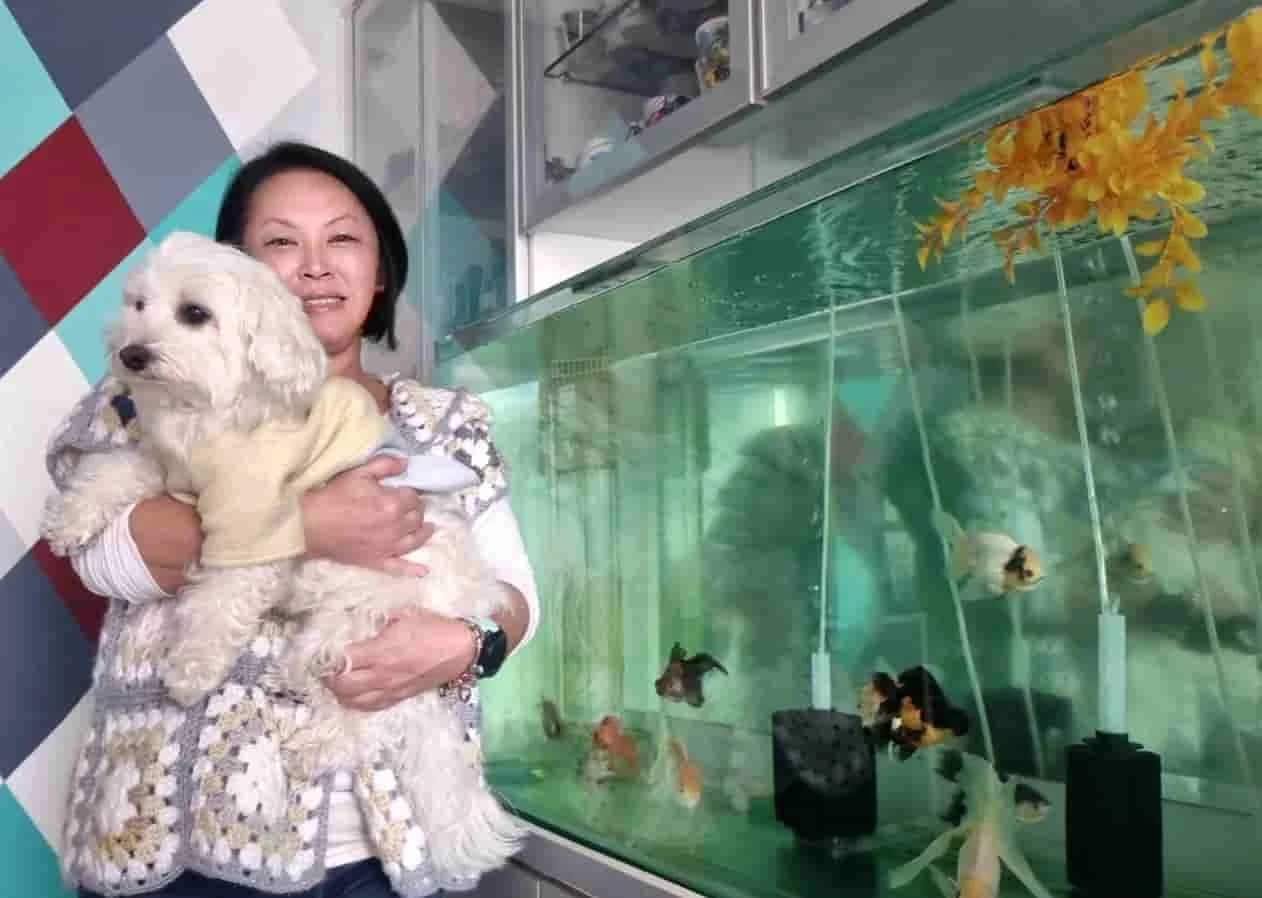
🏠 The 100G Lab
Where we torture test every hardware option, pellet line, and filter layout live.

🏃♀️ Grit & Eye
Marathon endurance meets the precise, millimeter structural focus of a seamstress.
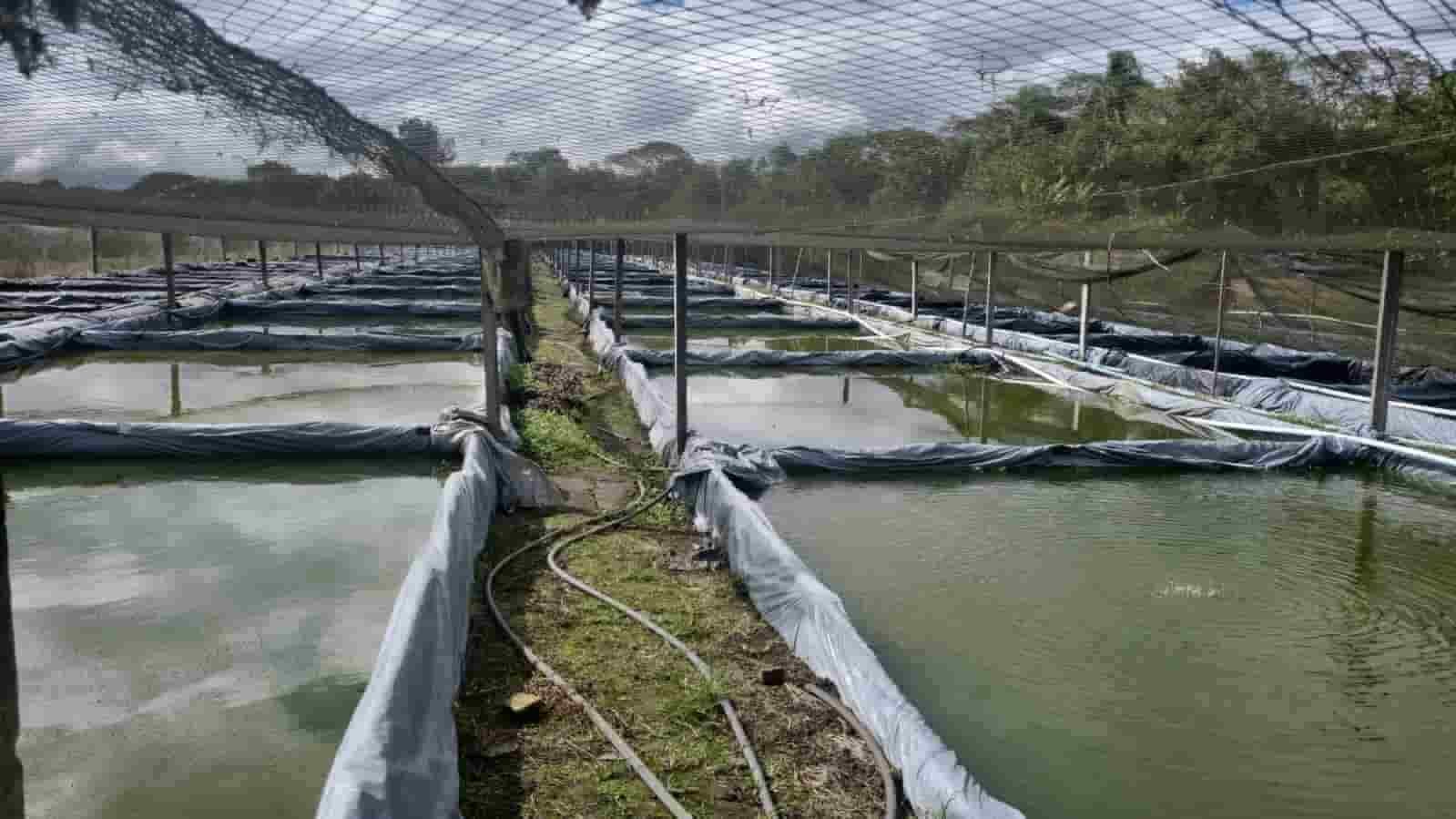
🐳 Monster Vats
Analyzing massive continuous turnovers inside large open-air mud farm vats.
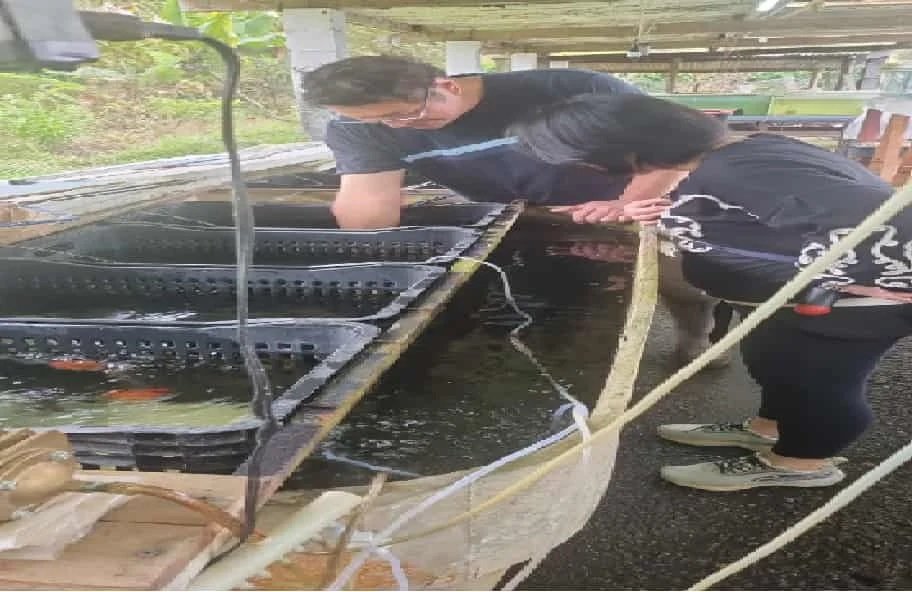
🤝 True Alliances
Working hand-in-hand with regional facility operations to target elite fancy bloodlines.
Read also: Why Is My Goldfish Sitting on Bottom
A deeply technical piece of content that perfectly complements this post — absolutely worth the read.