
Understanding how weak hips trigger chronic runner knee pain is the ultimate tactical cheat code for mountain trail runners and high-performing endurance athletes who refuse to let joint degradation sideline their active longevity. You are ten kilometers into a steep mountain descent when that familiar, sharp ache ignites beneath your patella or along the lateral edge of your knee joint. You naturally assume your knee cap is wearing out, so you buy thicker running shoes or slap on a cheap neoprene sleeve, but the pain returns every single week.
As a mountain ultra-runner who has covered grueling 42km+ mountain courses and spent six years absorbing force in the competitive kickboxing ring, I know that local pain rarely originates at the point of impact. During my seven years working as a clinical analyst—spending five years operating X-Ray equipment and two years specialized in Computed Tomography (CT scans)—I’ve reviewed thousands of knee joint scans. The diagnostic reality is staggering: over eighty percent of chronic patellofemoral tracking errors and subchondral cartilage degradation show up in patients with dormant gluteal complexes and unstable hip rotators.
When your primary hip abductors—specifically the gluteus medius and tensor fasciae latae—fail to lock your pelvis in neutral alignment during foot strike, your femur rotates inward. This structural failure, known as femoral internal rotation and dynamic valgus collapse, forces your patella to track sideways against the femoral groove. You aren’t suffering from an isolated knee joint failure; you are suffering from a proximal steering failure that grinds your articular cartilage into dust.
By fixing your proximal hip mechanics and feeding active connective tissues bioavailable nutrients, you will permanently eliminate chronic joint friction, save thousands on useless showroom gimmicks, and guarantee decades of bulletproof trail performance.30-Second Executive Summary (Tech Support Counter Talk)
Here is the raw diagnostic truth: your knee isn’t broken; your hip motor control is completely offline. When the gluteus medius fails during single-leg stance, the femur drops inward, causing patellar misalignment, IT band friction, and subchondral cartilage grinding. Stop wasting capital on cushioned shoes, alignment bands, and soft compression sleeves that do nothing to stabilize the pelvis. Re-engineer your kinetic chain: activate the glute complex, build heavy multi-planar hip strength, feed articular cartilage clean red meat and natural saturated fats for collagen synthesis, and fix the structural root cause once and for all.
Technical Intervention Comparison: Pelvic Stability & Knee Protection
To fix structural knee joint failures, we must evaluate recovery modalities through hard biomechanical metrics rather than marketing claims. Below is a diagnostic battlefield comparison of common knee interventions and hip stabilization protocols.
| Intervention Modality | Pelvic Drop Reduction | Patellar Tracking Alignment | Subchondral Stress Mitigation | Long-Term Structural ROI | Kinetic Chain Integration |
|---|---|---|---|---|---|
| Neoprene Knee Sleeves | 0% (Zero Control) | Unreported / Negligible | Low (Proprioceptive Only) | Low (Symptom Mask) | Isolated Local Joint |
| Maximalist Cushion Shoes | Negative (Increases Instability) | Unreported / Variable | Moderate Initial Shock Absorption | Low (Accelerates Hip Sway) | Foot-Ground Interface Only |
| Isolated Band Clamshells | 20–30% (Low Tension) | Minor Improvement | Low Dynamic Transfer | Moderate (Rehab Baseline) | Low Dynamic Load Transfer |
| Heavy Compound Hip Loading | 85–95% (Locked Pelvis) | Optimal Centered Tracking | High (Diverts Axial Force) | Maximum (Lifetime Protection) | Full Kinetic Stabilization |
Battlefield Assessment: Gear & Protocol Realities
1. Soft Neoprene Knee Sleeves & Compression Straps
The Good: Increases local skin temperature, enhances basic proprioception, and offers mild psychological comfort during cold runs.
The Bad: Applies zero mechanical torque to stop femoral internal rotation; it acts as a soft bandage on a broken steering column while cartilage continues to wear down.
2. Maximalist Cushioning Running Shoes
The Good: Dampens raw vertical impact forces on flat pavement during low-intensity recovery jogs.
The Bad: Elevates stack height and ground lever arms, destabilizing foot-ground mechanics and causing weak hips to collapse further into dynamic valgus.
3. Low-Tension Elastic Band Clamshells
The Good: Excellent low-grade activation drill for acute post-op rehabilitation or waking up dormant nerves.
The Bad: Completely lacks the mechanical load capacity required to prepare gluteal fibers for three times bodyweight forces during high-speed downhill trail running.
4. Heavy Compound Hip Loading & SkyTC Structural Protocol
The Good: Rebuilds neuromuscular drive, fortifies gluteus medius tensile strength, centers patellar alignment, and permanently removes excessive shear stress from knee cartilage.
The Bad: Demands hard gym labor, consistent heavy lifting, and shedding comfortable excuses about resting your way to joint health.
The Diagnostic Bio-Mechanics: How Weak Hips Trigger Chronic Runner Knee Pain
When analyzing lower extremity trauma in high-impact sports, the knee is almost always an innocent bystander caught between the foot and the hip. In kickboxing, if your standing hip lacks rotational torque, your knee takes the twisting shear force and tears. In mountain trail running, every single stride subjects your joint caps to three to five times your total bodyweight in vertical kinetic energy.
The gluteus medius sits on the lateral aspect of your ilium and anchors into the greater trochanter of the femur. Its primary diagnostic function during single-leg stance phase is to keep your pelvis level. When foot contact occurs, a weak gluteus medius allows the opposite side of your pelvis to drop—a clinical failure known as Trendelenburg gait.
To prevent you from falling over, your nervous system compensates by driving the standing femur inward and rotating it medially. This movement pattern forces the knee cap to ride hard against the lateral wall of the femoral trochlea. Over thousands of running strides, this friction strips away articular cartilage, leading to patellofemoral pain syndrome, IT band friction, and retro-patellar arthritis.
Having analyzed thousands of computed tomography scans, I have seen the clear internal footprint of this mechanical failure: subchondral bone sclerosis, joint space narrowing, and localized cartilage erosion concentrated right where patellar tracking drifts off-center.
Fixing structural alignment requires both mechanical corrections and biochemical repair. Rebuilding damaged articular cartilage and strained tendon insertion points demands dense nutritional building blocks. Cheap plant proteins and low-fat diets leave connective tissue starved of essential collagenous amino acids like glycine, proline, and hydroxyproline.
High-performance joint repair requires nutrient-dense clean red meat—such as grass-fed ribeye, ground beef, bone broth, and organ meats—paired with its natural animal fats like tallow. Natural animal fats provide saturated lipids, fat-soluble vitamins (A, D3, and K2), and cholesterol, which build resilient cell membranes and suppress chronic systemic inflammation.
Combining heavy multi-planar hip loading with clean red meat and animal fats gives your body both the mechanical signal and biological fuel to repair structural joint tissue.
The Realities of the Battlefield
The fitness and footwear industries frequently promote quick-fix products like high-cushion foam shoes, carbon plates, and elastic knee bands as total joint preservation solutions. These showroom gadgets promise to absorb impact forces and protect your joints without requiring actual structural rehabilitation.
High-stack cushioning shoes dampen raw vertical impact shock at the heel strike. However, elevating foot distance from the ground increases lever arm forces, forcing weak gluteal muscles to work even harder to stabilize your stance. This unstable base causes the ankle to over-pronate and forces the knee inward, increasing lateral shear stress on the patella.
External compression straps provide proprioceptive warmth to the skin surface, but they offer zero mechanical resistance against femoral internal rotation. Relying on soft external gear to fix internal kinetic collapse is a major structural mistake. Real mechanical stability comes from within muscle tissue and strong connective structures, not elastic bands purchased online.
Hypothetical Failure Scenario: The Maximalist Shoe Trap
Consider Marcus, a 38-year-old active executive preparing for his first 50km mountain trail race. At kilometer 15 of his weekend long runs, he develops a sharp, burning pain behind his right knee cap. Instead of addressing his weak hip rotators and unstable pelvis, he visits a local specialty store and purchases high-stack maximalist cushioning shoes along with a pair of tight knee compression sleeves.
Initial runs feel slightly dampened, so Marcus pushes his weekly mileage past 60 kilometers. However, the extra cushion height increases his ankle sway and pelvic drop. Without strong glute medius support, his right femur continues to collapse inward on every mountain descent.
By week eight, his patellar cartilage undergoes severe micro-trauma, resulting in acute retro-patellar bone marrow edema and joint effusion verified on a CT scan. Forced to drop out of his race, Marcus wasted valuable training time and resources treating symptoms while ignoring the weak hip mechanics causing his pain.
👇 Looking for more performance cheats? Check out our field-tested tactical guides:
SkyTC Master Hub & Pillar Guides
The Actionable Field Checklist: Bulletproofing Your Hips & Knees
- Address how weak hips trigger chronic runner knee pain by adding heavy single-leg deadlifts, Bulgarian split squats, and loaded lateral cable abductions to your strength routine twice a week.
- Eliminate high-stack, ultra-unstable cushioning shoes that elevate ground lever arms and increase pelvic instability.
- Ditch cheap neoprene knee sleeves and focus on building functional hip strength to lock your femur in place.
- Fuel connective tissue repair by consuming clean red meat, bone broth, and natural animal fats packed with glycine and proline.
- Incorporate heavy step-downs on an elevated box to train the gluteus medius to resist dynamic valgus collapse during downhill running.
- Test for pelvic drop using single-leg stance evaluations in front of a mirror to check for hip dip.
- Replace industrial seed oils with stable animal fats like grass-fed tallow or butter to reduce systemic tissue inflammation.
- Implement isometric glute medius holds against a wall to build long-duration tendon resilience.
- Avoid relying exclusively on low-tension rubber band clamshells for warm-ups; transition to weighted hip exercises quickly.
- Maintain adequate hydration and raw electrolyte mineral salts to support joint capsule lubrication under heavy training loads.
- Audit your running cadence to ensure your feet land directly beneath your center of gravity, reducing forward knee lever shear.
- Prioritize deep sleep to allow cellular tissue repair and human growth hormone release to restore micro-damaged articular cartilage.
- Stop using non-steroidal anti-inflammatory drugs (NSAIDs) to mask joint pain before long runs; masking pain accelerates joint destruction.
Dynamic No-Nonsense FAQ
Why does my knee hurt on mountain descents even when my legs feel strong?
Mountain descents subject your body to massive eccentric braking forces. Strong quadriceps absorb vertical load, but if your gluteus medius lacks endurance, your femur rotates inward, driving the knee cap sideways against the bone and causing severe patellofemoral friction.
Are knee compression sleeves worth buying for long-term patellar pain?
No. Compression sleeves provide local warmth and skin feedback, but they offer zero structural support to stop pelvic drop or femoral rotation. Relying on them delays necessary strength work for your hips.
How do CT scans differentiate between hip-driven alignment issues and structural meniscus tears?
CT scans and cross-sectional imaging highlight subchondral bone density, patellar tracking tilt, joint space narrowing, and structural cartilage erosion. Tracking tilt combined with lateral sclerosis clearly points to chronic hip-driven misalignment rather than an acute meniscus tear.
Will high-cushion maximalist running shoes protect my knee cartilage from weak hip collapse?
No. High-stack shoes damp impact noise, but their soft foam increases ankle sway and leverage forces. This instability worsens dynamic valgus collapse in runners with weak hip abductors.
Is clean red meat and natural fat superior to plant-based collagen supplements for joint recovery?
Yes. Clean red meat provides a complete profile of essential amino acids, heme iron, creatine, and natural saturated fats without extra processing chemicals. Synthetic plant collagen lacks key bioavailable structural components needed for connective tissue repair.
Why do isolated band clamshells stop working after a few weeks of trail training?
Low-tension rubber bands offer light stimulus that wakes up dormant nerves, but they fail to build high-capacity muscle strength. Running places heavy multi-planar force on your joints, requiring heavy loaded strength training to adapt.
What is dynamic valgus and how do I test if my hips are failing on single-leg stance?
Dynamic valgus occurs when your knee collapses inward toward your body’s midline during weight-bearing movement. Test this by performing a single-leg squated movement in front of a mirror; if your knee buckles inward, your hip rotators are offline.
How long does it take to fix knee pain caused by weak hip rotators?
With heavy multi-planar hip loading, glute activation drills, and clean red meat nutrition, structural tracking improvements typically occur within four to six weeks. Full tendon and joint capsule adaptation takes three to six months of consistent effort.
Why Trust SkyTC Biohacking Curation?
At SkyTC, we treat the human body as your most valuable technology. We are not just a recommendation site; we apply a rigorous clinical and practical screening process to ensure that each recommendation optimizes your biology with safety and real-world results.
✓ Technical Expertise:
Clinical experience in Radiology and Tomography (CT scans). We analyze methods through the lens of bone health and structural integrity.
✓ Specialization:
Focus on real-world biohacking. We test every wearable and supplement at the absolute limit of effort during marathons and on the mats.
✓ Authority:
Curation based on absolute transparency, always highlighting both the positive advantages and the real drawbacks of every technology.
✓ Trust:
A curation process built directly on the professional experience of a field practitioner, speaker, and high-performance leader coach.
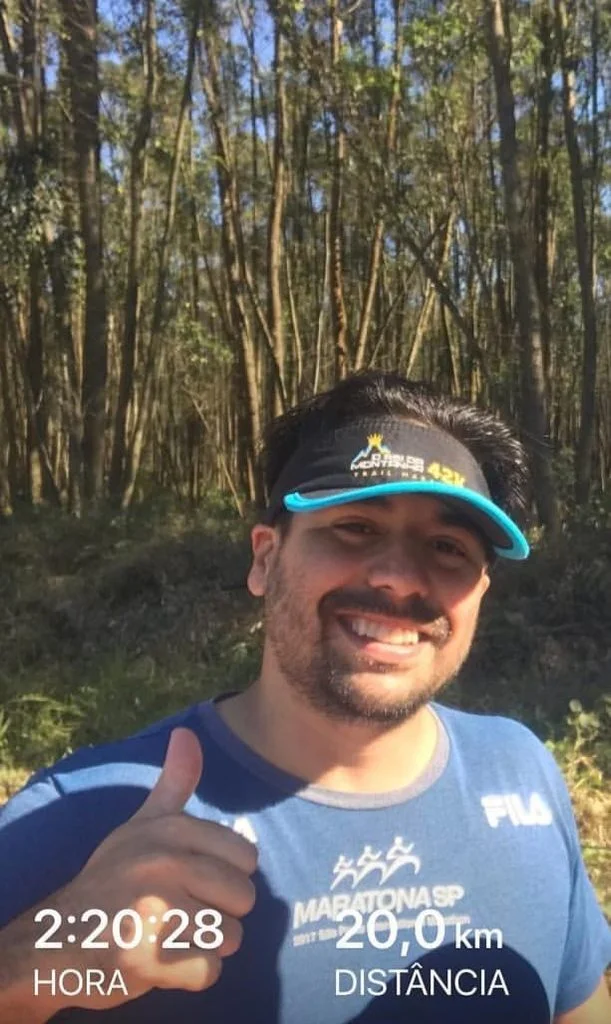
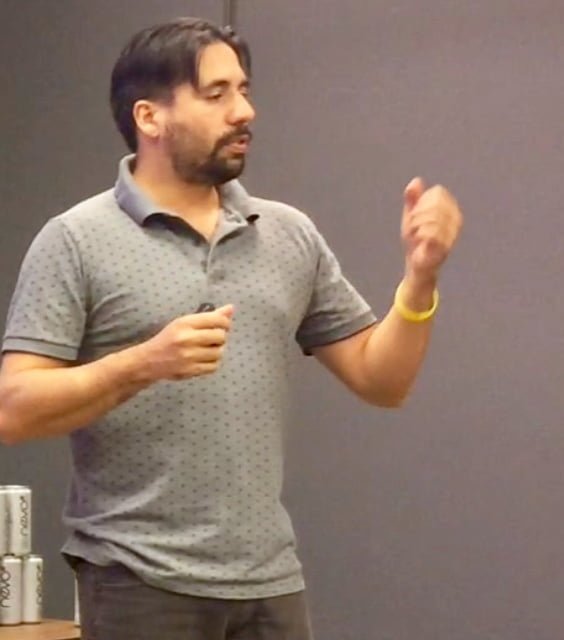
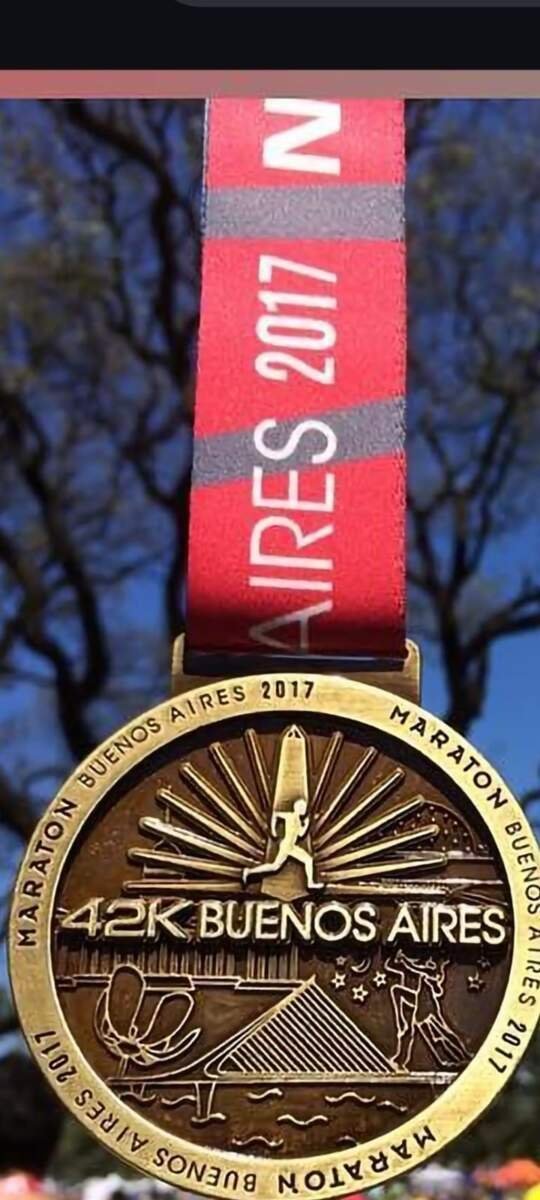
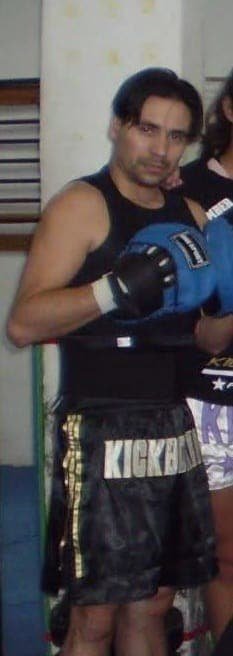
Optimizing the body demands the clinical precision of someone who operated in Radiology (Brazilian Board Certified, CRTR-SP 23595T) for years, combined with the unyielding resilience of someone who conquered multiple 42km+ mountain marathons. At SkyTC, we bridge advanced technical science with extreme practical environments to help you biohack your active performance and structural longevity.
Discover my full professional trajectory →✨ Read also: (Scientific Steps to Protect Knee Joint Caps: The Clinical Longevity Protocol)
> A deeply technical piece of content that perfectly complements this post — absolutely worth the read.