
You walk down a simple flight of stairs and feel that sickening, dry grind right under your kneecap.
Most runners and active executives think that knee pain is just an inevitable tax for pushing hard, but they are completely blind to the actual scientific steps to protect knee joint caps from early mechanical degeneration.
It is deeply discouraging to feel your knees grinding like sandpaper, especially when you are trying to maintain peak athletic performance or training for grueling mountain trail races.
You do not have to accept a future of cortisone shots, surgical joint scrapings, or slow, painful walking.
By applying targeted biomechanical load distribution and structural tissue-remodeling strategies, you will preserve your articular cartilage, eliminate patellar grinding, and save yourself from premature orthopedic interventions.
In 30 Seconds: The Raw Verdict Your kneecap (patella) is a floating biological pulley that relies on perfect muscular tension balances to slide smoothly.
Skip the soft, useless neoprene sleeves that do nothing but warm the skin without providing structural support.
If you want real knee protection, you must balance your vastus medialis obliquus (VMO) muscle, stop overstriding on downhills, and feed the cartilage matrix with bioavailable glycine, proline, and saturated fats from clean red meat.
| Recovery Method | Physiological Impact | Patellar Alignment Score | Cost Tier | The Catch (The Hard Negative) |
|---|---|---|---|---|
| Decline Board Squats | Triggers deep eccentric loading to rebuild the patellar tendon. | 9/10 | Budget-friendly options | If executed with poor pelvic alignment, it can aggravate retro-patellar wear. |
| Targeted VMO Isometrics | Strengthens the inner quad to pull the kneecap back into its groove. | 10/10 | Completely free | Requires daily consistency; results are slow and do not happen overnight. |
| Pneumatic Knee Compression | Mechanically pumps accumulated lymphatic swelling out of the joint capsule. | 7/10 | Premium tier investment | Extremely bulky, loud, and cheap models have weak, useless valves. |
| Neoprene Patellar Sleeves | Increases localized skin temperature and superficial proprioception. | 3/10 | Low-grade components | Provides zero mechanical alignment support despite what marketing claims. |
| Saturated Fat & Collagen Fuel | Supplies structural building blocks directly to cartilage and fluid. | 10/10 | Mid-tier food budget | Requires ignoring outdated, corporate-funded anti-red meat guidelines. |
The Battlefield Assessment of Knee Support Gear
Let’s dismantle the showroom lies surrounding knee support gear.
Every brace, wrap, or sleeve has a structural consequence that alters how force travels through your skeletal frame.
Setup 1: Neoprene Patellar Tracking Sleeves
The Good: They keep the joint warm during cold morning runs and increase sensory feedback, making you feel more aware of your knee.
The Bad: They are completely useless if you buy the bargain-bin accessories.
Soft neoprene has zero structural rigidity, meaning it cannot physically stop a kneecap from tracking laterally when your hip muscles fatigue.
Setup 2: Rigid Hinge Knee Braces
The Good: Provides heavy mechanical stabilization, protecting compromised collateral ligaments after a severe twist or impact.
The Bad: Wearing them for active training turns off your stabilizer muscles.
By bypassing your natural biomechanical suspension, you weaken the surrounding connective tissues and transfer the impact forces directly up to your hip socket.
Setup 3: Patellar Tendon Straps (Cho-Pat Style)
The Good: Dampens the vibration of the patellar tendon, which can temporarily reduce the acute pain of mild tendonitis.
The Bad: It acts as a tourniquet on your local lymphatic system.
If kept on too tight during high-volume runs, it traps metabolic waste within the joint capsule, worsening post-workout stiffness.
The Realities of the Battlefield
Maximalist cushioned trail running shoes promise to absorb the impact of steep mountain downhills and save your joints from trauma.
But when those thick, soft foam midsoles hit wet mud and uneven rocks, they lose their lateral stability and deform unpredictably.
This constant micro-wobble at the foot level forces your knee stabilizers to work twice as hard to maintain alignment.
The marketing brochures show runners gliding effortlessly, but the hard negative reality is that highly cushioned foam dampens your foot’s sensory feedback.
This sensory loss tricks your nervous system into striking the ground harder, sending a sharp, unattenuated shockwave right up into your patellar cartilage.
Instead of protecting your knee joint cap, these high-end setups can accelerate the wear on your articular cartilage.
The “Brace-and-Push” Structural Failure
Let’s analyze a classic post-race habit that ruins your joint health: the Brace-and-Push error.
You wake up the morning after a brutal trail run with sharp, throbbing pain right underneath your kneecap.
Instead of diagnosing the issue, you strap on a tight knee brace, swallow a handful of anti-inflammatory pills, and head back out to hit your weekly mileage goal.
This is a recipe for a catastrophic joint failure.
The brace merely alters your patellar track, while the anti-inflammatory drugs mask the pain signal.
Underneath the brace, your patellar tendon is actively fraying under load, and the dry, unlubricated cartilage is scraping directly against your femur.
By pushing through this structural warning sign, you are rapidly grinding down your articular cartilage, trading a few weeks of training for a lifetime of chronic bone-on-bone pain.
A Clinical CT Look: Scientific Steps to Protect Knee Joint Caps
As a clinical analyst who spent 5 years as an X-ray technician and 2 years in Computed Tomography (CT scans), I have viewed the skeletal architecture of thousands of knees.
In a high-resolution CT scan of a degenerated knee, the cartilage wear isn’t a clean, flat surface; it looks like a scarred, pitted battlefield.
This is patellofemoral chondromalacia—where the protective cartilage under your patellar joint cap physically softens, cracks, and eventually wears away completely.
To prevent this structural breakdown, your joint needs proper lubrication from synovial fluid and a robust cellular matrix.
You cannot rebuild this dense biological cushion with processed carbohydrate bars and synthetic vegan protein shakes that lack basic amino acid complexity.
Your body needs clean, nutrient-dense red meat and its natural fats.
Saturated fats from red meat provide the cholesterol required to maintain healthy, resilient cell membranes and produce high-quality synovial fluid.
Furthermore, the glycine, proline, and hydroxyproline found in grass-finished beef and bone marrow supply the exact amino acid profile needed to synthesize new joint collagen [2].
This dietary calibration is the ultimate tactical cheat code I have used to survive grueling 42km+ mountain ultramarathons and protect my joints after years of heavy kickboxing sparring.
By fueling your body with real, animal-based fats and proteins, you provide your chondrocytes with the raw materials needed to patch microscopic cartilage fissures before they reach the bone.
The Knee Joint Longevity Checklist
- Take immediate scientific steps to protect knee joint caps by initiating vastus medialis obliquus (VMO) isometric holds today.
Insider Observation: Holding a terminal knee extension against a heavy resistance band for 45 seconds activates the inner quad muscle, pulling the patella back into its correct groove. - Increase your trail running cadence by five to ten percent to reduce landing impact.
Insider Observation: A faster, shorter stride naturally lands your foot directly underneath your center of gravity, taking the shearing stress off your kneecap. - Fuel your joints with high-fat red meat to supply essential fat-soluble vitamins D3 and K2.
Insider Observation: Saturated animal fats facilitate the absorption of vitamins that guide calcium into your bones rather than your soft tissues. - Avoid the use of ultra-soft maximalist shoes on highly technical downhills.
Insider Observation: Firm, low-drop trail shoes provide the sensory ground-feel needed for your body’s natural shock-absorption mechanisms to work. - Perform backward walking on a treadmill set to a high incline with zero motor power.
Insider Observation: This is the lab macete for building knee resilience, pumping synovial fluid into dry cartilage without eccentric strain. - Ditch rigid knee wraps unless recovering from an acute, diagnosed ligament tear.
Insider Observation: Wrapping your knees tightly for standard workouts weakens your stabilizing muscles, causing your kneecap to track poorly. - Release tension in your vastus lateralis and IT band attachment points.
Insider Observation: A tight outer quad pulls your patella laterally; rolling the muscle belly of the outer quad with a hard roller can instantly improve kneecap tracking. - Incorporate deep decline-board squats into your strength routines.
Insider Observation: Squatting on a 25-degree decline board isolates the patellar tendon, promoting cellular remodeling and tendon thickening. - Track your morning resting heart rate and HRV daily.
Insider Observation: A sudden drop in HRV indicates systemic inflammation and poor recovery, meaning your joints are more vulnerable to microtrauma. - Ditch low-grade cheap collagen supplements that are loaded with synthetic sweeteners.
Insider Observation: Get your structural amino acids directly from slow-simmered beef bone broth and slow-cooked meats. - Limit downhill running speed when your core and hips are highly fatigued.
Insider Observation: Once your glutes stop firing, your pelvis tilts forward, forcing your knees to absorb the full, unattenuated impact of the downhill. - Perform a regular physical check for joint effusion post-run.
Insider Observation: If you can press your kneecap and feel it “bounce” on a pool of fluid, your joint capsule is actively inflamed and needs non-loaded movement.
👇 Looking for more performance cheats? Check out our field-tested tactical guides:
SkyTC Master Hub & Pillar Guides
No-Nonsense Knee Recovery FAQ
Is popping and clicking in my kneecap a sign of damage?
Not necessarily, but it is a warning.
If the clicking is painless, it is usually just gas bubbles popping in the joint fluid or a tight muscle pulling the patella slightly off track.
If the popping is accompanied by sharp pain, it indicates cartilage wear and needs immediate diagnostic attention.
Should I put ice on my knee joint after a hard trail marathon?
No, unless you need to blunt excruciating pain for sleep.
Ice constricts blood vessels, slowing down the natural inflammatory process your body uses to clear cellular debris and repair micro-tears [4].
Use non-loaded movement and elevation instead.
Does running downhill actually destroy your knee cartilage?
Only if your running mechanics are sloppy.
Downhill running forces your quads to work eccentrically, which puts immense pressure on the patella.
If you overstride and land on a locked heel, you are hammering your cartilage.
If you keep a high cadence and land on a bent knee, your muscles will absorb the shock instead.
Are cheap knee sleeves from local drugstores worth the money?
Absolutely not.
Bargain-bin accessories are made of thin, cheap materials that lose their elasticity after a few washes.
They provide zero structural stability or mechanical support.
If you want real knee tracking support, focus on building your VMO and hip strength.
Can I rebuild worn-down knee cartilage with diet alone?
You cannot grow back completely lost cartilage, but you can thicken and repair damaged areas.
Cartilage relies on blood-borne nutrients and synovial fluid circulation to heal.
Feeding your body clean red meat, bone broth, and natural fats supplies the essential amino acids and lipids needed to rebuild the collagen matrix [2].
Why do my knees ache more when I sit for long periods?
This is known as the “theater sign.”
When your knee is bent at 90 degrees for hours, the patella is pressed tightly against the femur, restricting blood flow and fluid circulation.
This starves the articular cartilage of oxygen and nutrients, leading to deep, aching stiffness.
Are carbon-plated shoes bad for your patellar tendon?
They can be.
The stiff plate increases the speed of your stride and alters the joint angle at landing.
If your stabilizing muscles are not strong enough to handle this rapid loading, the extra impact force is transferred straight up into your patellar tendon.
What is the fastest way to get synovial fluid back into a dry joint?
High-volume, zero-resistance movement.
Spend twenty minutes spinning on a stationary bike with absolutely zero resistance, or perform light, non-loaded leg swings while sitting on a high table.
This rhythmic contraction acts as a manual pump, lubricating the joint capsule.
Why Trust SkyTC Biohacking Curation?
At SkyTC, we treat the human body as your most valuable technology. We are not just a recommendation site; we apply a rigorous clinical and practical screening process to ensure that each recommendation optimizes your biology with safety and real-world results.
✓ Technical Expertise:
Clinical experience in Radiology and Tomography (CT scans). We analyze methods through the lens of bone health and structural integrity.
✓ Specialization:
Focus on real-world biohacking. We test every wearable and supplement at the absolute limit of effort during marathons and on the mats.
✓ Authority:
Curation based on absolute transparency, always highlighting both the positive advantages and the real drawbacks of every technology.
✓ Trust:
A curation process built directly on the professional experience of a field practitioner, speaker, and high-performance leader coach.
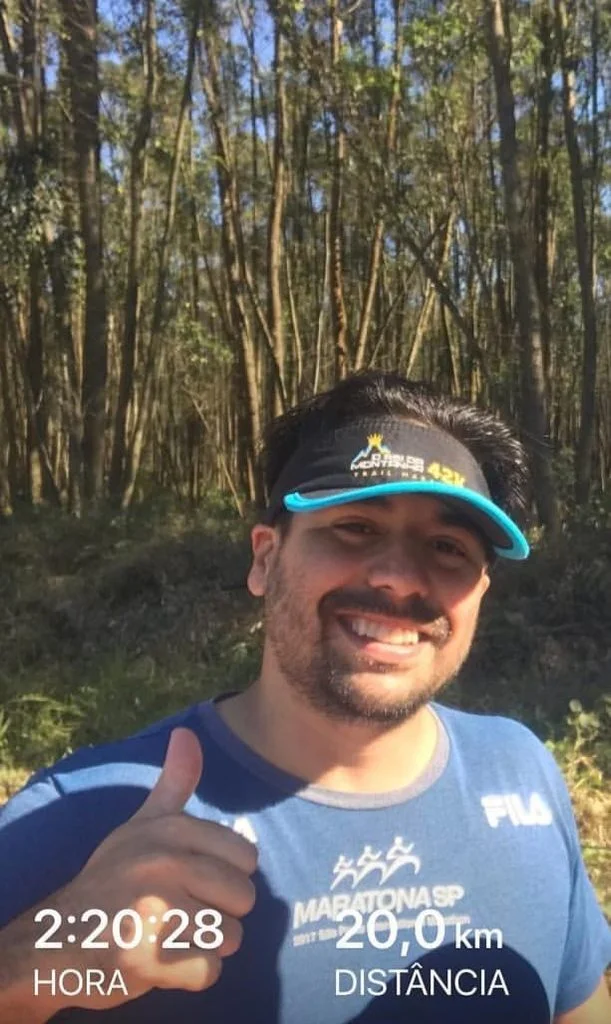

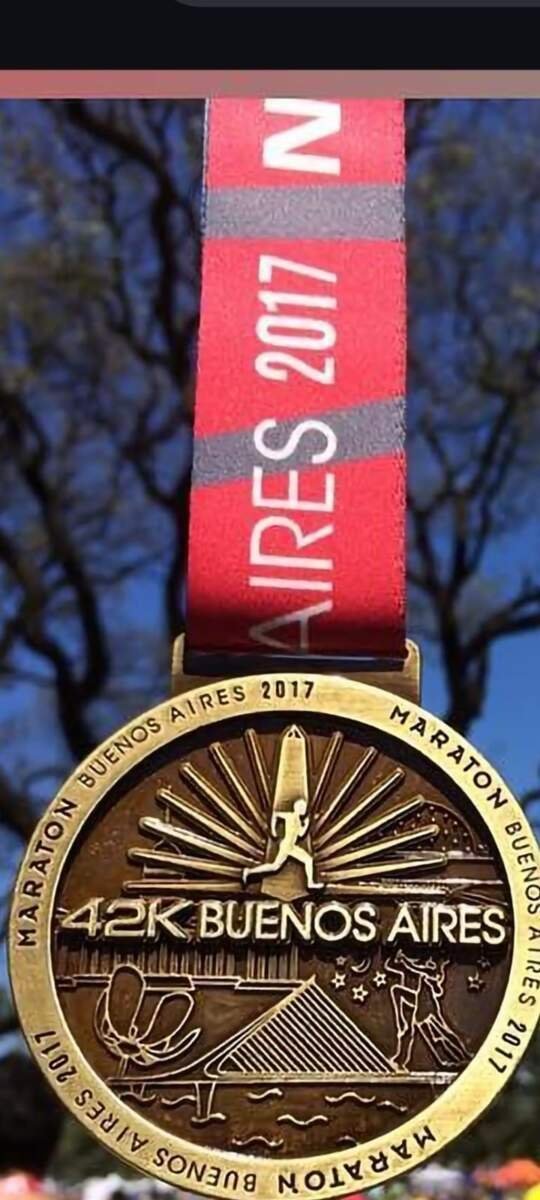

Optimizing the body demands the clinical precision of someone who operated in Radiology (Brazilian Board Certified, CRTR-SP 23595T) for years, combined with the unyielding resilience of someone who conquered multiple 42km+ mountain marathons. As an active professional, multi-pet handler, and tech benchmark researcher, at SkyTC, we bridge advanced technical science with extreme practical environments to help you biohack your active performance, optimize smart pet-tech ecosystems, and protect your structural longevit
Discover my full professional trajectory →✨ Read also: How to Clear Knee Stiffness After 50k Trail Marathons: A Clinical and Biological Guide
A deeply technical piece of content that perfectly complements this post — absolutely worth the read.