
You cross the finish line of a mountain 50k or 100-miler, crash on your hotel bed, and wake up six hours later feeling like someone poured quick-drying concrete into your patellofemoral joints. Swinging your legs over the edge of the mattress feels like opening a rusty barn door, and bending past 45 degrees triggers a brutal hydraulic lock. If your goal is to restore knee range of motion after ultra runs, you need to understand right now that yank-and-hope static stretches will not save you.
As a former competitive kickboxer with six years of ring warfare and an active mountain trail runner who regularly crushes brutal 42km+ descents, I know physical structural trauma firsthand. Combine that with my five years as a clinical X-Ray technician and two years specializing in Computed Tomography (CT scans), and I have seen what relentless downhill impact does to joint capsules on a literal microscopic and diagnostic level. You are not dealing with “tight muscles”—you are facing acute intra-articular pressure, popliteus spasm, and severe synovial fluid stagnation.
Slapping a cheap ice pack on your knee and waiting for the swelling to clear is a fast track to subchondral bone stress, compensation injuries in your kinetic chain, and months of lost mileage. By applying a clinical, field-tested mobility framework, you will flush metabolic waste, clear joint capsule congestion, and protect your articular cartilage for long-term active longevity. Skip the showroom gadget traps and restore your natural mechanics before permanent damage sets in.
30-Second Summary: Tech Support Counter Talk
The Final Verdict: Stop yanking on a swollen, inflamed patellar tendon with aggressive static stretches immediately after racing. To restore knee range of motion after ultra runs, your primary job is clearing intra-articular pressure and restoring patellofemoral tracking. Use low-load non-weight-bearing joint gliding, apply tissue flossing to the suprapatellar pouch, release the locked popliteus behind the tibia, and rebuild damaged connective tissue with clean red meat and natural saturated fats. Toss out overhyped recovery gadgets that offer zero mechanical decompression.
Technical Mobilization Comparison Matrix
Not all recovery tools are engineered for post-ultra joint restoration. Most commercial accessories only offer superficial sensory relief without fixing underlying structural dysfunction. Here is how the dominant post-race intervention protocols stack up under actual clinical scrutiny.
| Intervention Protocol | Target Anatomy | Clinical Efficacy | Investment Tier | Structural Risk |
|---|---|---|---|---|
| Compression Tissue Flossing | Suprapatellar Bursa & Retropatellar Space | High (Fluid Shear Relief) | Budget-Friendly Option | Low (When Timed Correctly) |
| Non-Weight-Bearing Joint Gliding | Synovial Capsule & Tibiofemoral Space | High (Hydraulic Circulation) | Zero Cost Investment | Zero Risk |
| Percussion Massage Guns | Superficial Quadriceps & ITB Surface | Moderate (Neuromuscular Inhibition) | Mid-to-High Tier Setup | High (If used on Bony Prominences) |
| Pneumatic Compression Boots | Venous Vasculature & Calves | Low to Moderate (Systemic Fluid Return) | Premium Tier Investment | Low Risk |
| Aggressive Quad Static Stretching | Patellar Tendon & Tendinous Junctions | Counterproductive (Increases Traction) | Zero Cost Investment | High (Triggers Micro-Tearing) |
Battlefield Assessment: Compression Flossing vs. Soft-Tissue Toys
The Good: High-tension flossing bands apply localized, circumferential pressure right above the patella, squeezing out stagnant, inflammatory fluid trapped in the suprapatellar bursa. When you unwrap the band, a fresh wave of oxygenated blood surges into the hypoxic joint capsule, instantly improving terminal knee flexion.
The Bad: If you buy bargain-bin, paper-thin rubber bands, they lack the shear force required to penetrate thick quadriceps tendinous tissue. Furthermore, if you wrap directly over an acutely fractured or severely bruised patella, you will scream in pain and cause further periosteal trauma.
The Realities of the Battlefield
Modern ultra-running marketing promises that expensive electric massage boots or high-frequency vibration guns will magically undo 100 kilometers of relentless eccentric mountain descent. They won’t.
Marketing teams pitch high-frequency percussion tools as the ultimate fix for post-race leg stiffness. However, driving a high-powered mechanical plunger directly into an inflamed retropatellar joint space or a swollen tibial tubercle will crush traumatized tissue and spark massive muscle guarding, leaving your knee tighter than before.
Pneumatic compression boots feel fantastic while sitting in a lounge chair post-race. But, while they assist in moving fluid out of lower leg venous tissue, they exert zero mechanical traction on a compressed tibiofemoral joint locked up by a hypertonic popliteus muscle deep in the posterior knee knee pit.
Eccentric slant board training is an elite long-term rehab protocol for strengthening patellar tendons. Horizontal Connector: BUT loading an acutely inflamed knee joint with full body weight 24 hours after a mountain ultra adds destructive shear force across compromised cartilage, escalating minor micro-trauma into full-blown tendonitis.
Hypothetical Failure Scenario: The Aggressive Quad Pull Trap
Consider a runner named Dave. Dave just finished a brutal 50k trail race featuring 2,500 meters of technical downhill mountain descent. His quads are battered, and his knees are swollen, stiff, and locked at a shallow angle.
Desperate to restore his mobility before his morning flight, Dave stands on one leg, grabs his ankle behind his back, and violently pulls his heel to his glutes. He believes he is “stretching out the tightness.” In reality, his quadriceps muscle fibers are already torn and hypertonic from thousands of eccentric braking steps.
By forcing the joint into acute flexion against torn tissue, Dave generates intense traction force at the patellar insertion point. The spinal cord senses impending mechanical failure and responds by firing an immediate protective spinal reflex, causing the quads to contract harder. Dave wakes up the next morning with twice the swelling, an inflamed patellar tendon, and a knee locked tighter than a steel vault.
Biological Fuel: Rebuilding Connective Tissue Matrix
You cannot repair structural soft-tissue degradation solely through mechanical movement; your body requires the literal raw molecular building blocks of repair. Synthetic protein powders and heavily processed recovery drinks fail to provide the full spectrum of bioavailable nutrients required for deep connective tissue synthesis.
To repair damaged joint capsules, patellar tendons, and retropatellar cartilage, you must prioritize nutrient-dense, clean red meat—such as grass-fed ribeyes, slow-cooked beef shanks, and marrow bones. Clean animal fat and red meat contain native collagen peptides, bioavailable zinc, heme iron, and natural saturated fats critical for stabilizing damaged cell membranes and suppressing chronic inflammatory cascades.
The natural fats found in whole-food animal sources act as a structural substrate for cellular repair, aiding in the systemic recovery of joint tissues battered by hours of trail impact. Combine mechanical joint decompression with real biological fuel if you expect long-term joint longevity.
Actionable Field Execution Checklist
- Ditch immediate post-race static stretching to restore knee range of motion after ultra runs
Field Note: Yanking on inflamed, micro-torn muscles triggers neurological muscle guarding that locks the patella deeper into the femoral groove. - Execute non-weight-bearing joint pendulum swings
Field Note: Sit on a high countertop and let your lower legs dangle, swinging them gently to circulate synovial fluid without applying compressive joint load. - Apply targeted compression tissue flossing around the suprapatellar pouch
Field Note: Wrap a heavy-duty rubber band tightly 2 inches above the kneecap, perform 10 passive knee bends, and immediately unwrap to flush trapped fluid. - Manually release the posterior popliteus muscle
Field Note: Dig your thumbs deep into the upper posterior tibia behind the knee pit while gently flexing the foot to unlock knee extension locks. - Perform active isolated hamstring mobilizations
Field Note: Lie flat on your back, use a strap around your foot, and gently guide the leg upward into extension for 2-second holds without forcing pain. - Hydrate aggressively with electrolytes and systemic minerals
Field Note: Synovial fluid requires heavy hydration to regain its shock-absorbing viscosity; plain tap water without sodium won’t cross cellular membranes efficiently. - Fuel your structural recovery with clean red meat and marrow broth
Field Note: Saturated animal fats and native connective tissue peptides from red meat supply the precise biological substrate needed for joint lining repair. - Clear distal calf hypertonicity with soft-tissue release
Field Note: A locked gastrocnemius pulls directly on the posterior femoral condyles, exacerbating joint tension and restricting natural terminal extension. - Use gentle retro-walking on flat ground
Field Note: Walking backward slowly on a flat track engages the vastus medialis obliquus (VMO) without triggering high peak impact forces. - Avoid high-dose NSAIDs immediately following a race
Field Note: Overusing systemic pain-killers blunts the natural stage-one inflammatory repair cycle required for tendon and ligament adaptation. - Monitor knee effusion via joint bony landmarks daily
Field Note: If you cannot visually identify the borders of your kneecap due to swelling, keep the joint unloaded until effusion subsides.
👇 Looking for more performance cheats? Check out our field-tested tactical guides:
SkyTC Master Hub & Pillar Guides
Dynamic No-Nonsense FAQ
1. Why does my knee feel completely locked when I try to straighten it after a long trail race?
Your popliteus muscle—a small muscle deep in the back of the knee—acts as the primary mechanical “key” that unlocks the joint from full extension. Hours of pounding downhill force the popliteus into a protective hypertonic spasm, locking the tibia against the femur to protect the posterior cruciate ligament.
2. Is it safe to use a percussion massage gun directly on my swollen kneecap?
No. Blasting a high-frequency massage gun directly over the patella or tibial tuberosity causes severe periosteal irritation and increases fluid accumulation in the bursa. Keep percussion tools strictly on large, meaty muscle bellies like the mid-quads and calves, far away from any bone.
3. Should I use ice or heat to fix knee stiffness 24 hours post-ultra?
Ditch both for active movement. Ice deadens neural feedback and thickens synovial fluid, making joints stiffer, while static heat can worsen acute fluid effusion inside an already congested joint capsule. Focus on gentle, non-weight-bearing joint movement to flush fluid naturally.
4. Why is static stretching bad right after an ultra-marathon?
When muscle fibers suffer widespread micro-tearing from thousands of eccentric contractions, stretching pulls violently on compromised mechanical cross-bridges. The nervous system senses structural threat and triggers a stretch-reflex contraction, making the muscle stiffer while increasing shear stress on the patellar tendon.
5. How long should it take to fully recover baseline range of motion after a 50k mountain race?
With precise joint decompression and targeted soft-tissue release, baseline mobility should return within 48 to 72 hours. If you still lack full knee flexion or extension after five days, you are dealing with structural joint effusion or tissue strain that requires clinical diagnostic evaluation.
6. Can custom compression boots replace manual tissue mobilization?
Absolutely not. Compression boots apply systemic pneumatic pressure to systemic venous tissue, which helps clear lower-leg metabolic waste, but they exert zero directional shear force or traction on a locked knee capsule. Relying entirely on boots while ignoring active joint gliding is a rookie mistake.
7. Why is red meat recommended over plant-based protein powders for joint recovery?
Connective tissues like tendons, ligaments, and cartilage are composed largely of collagen matrices that require bioavailable amino acids, zinc, heme iron, and saturated fats to rebuild efficiently. Whole, clean red meat provides these raw cellular building blocks without the inflammatory additives found in heavily processed synthetic protein isolates.
8. When is it safe to start eccentric slant board squats after losing range of motion?
Only reintroduce loaded eccentric exercises after swelling has fully cleared from the suprapatellar pouch and you have restored 100% of your non-weight-bearing knee flexion and extension without pain. Loading a swollen, restricted joint accelerates retropatellar cartilage degradation.
✨ Read also: How to Identify Structural Knee Strain Early: The Diagnostic Field Manual
A deeply technical piece of content that perfectly complements this post — absolutely worth the read.
Why Trust SkyTC Biohacking Curation?
At SkyTC, we treat the human body as your most valuable technology. We are not just a recommendation site; we apply a rigorous clinical and practical screening process to ensure that each recommendation optimizes your biology with safety and real-world results.
✓ Technical Expertise:
Clinical experience in Radiology and Tomography (CT scans). We analyze methods through the lens of bone health and structural integrity.
✓ Specialization:
Focus on real-world biohacking. We test every wearable and supplement at the absolute limit of effort during marathons and on the mats.
✓ Authority:
Curation based on absolute transparency, always highlighting both the positive advantages and the real drawbacks of every technology.
✓ Trust:
A curation process built directly on the professional experience of a field practitioner, speaker, and high-performance leader coach.
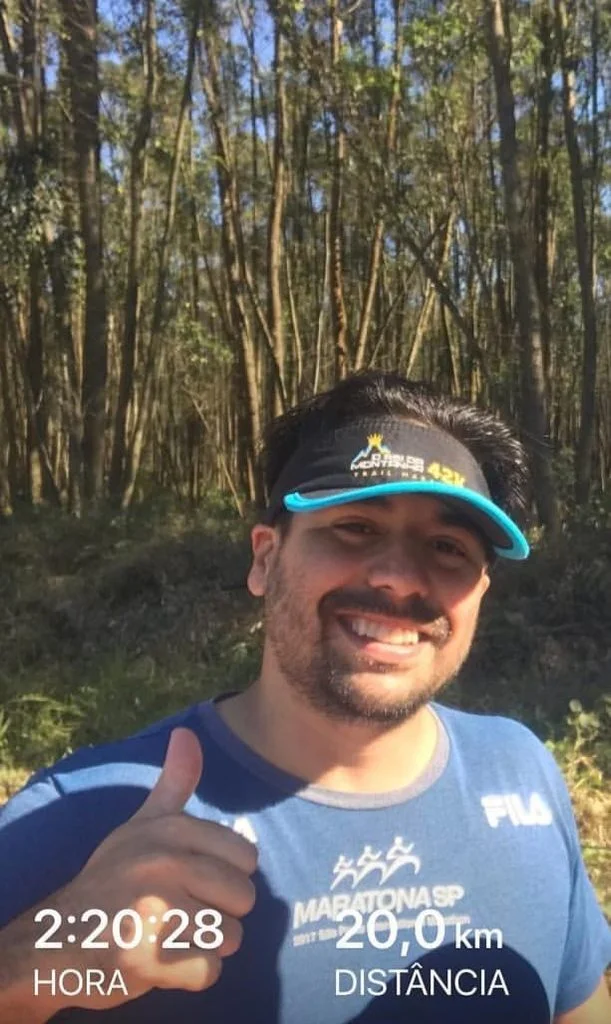
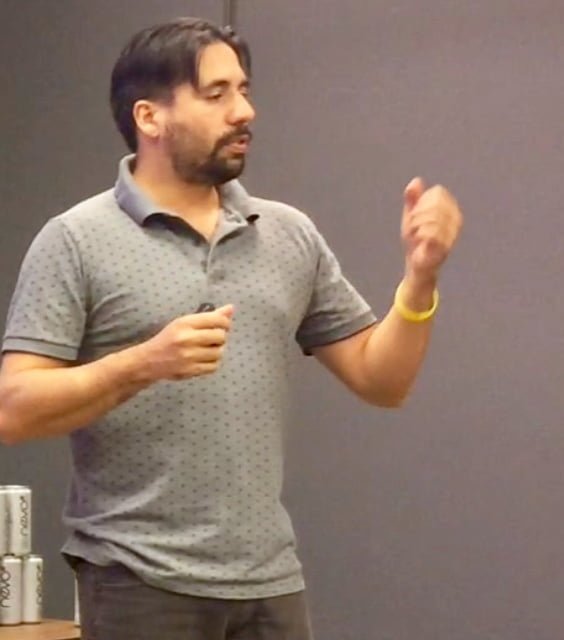
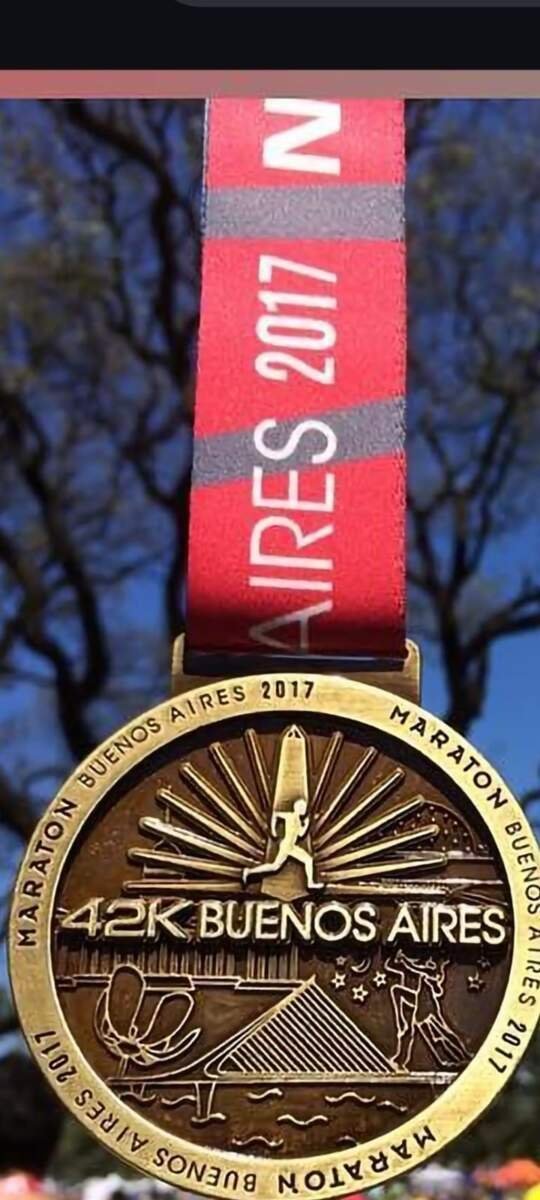
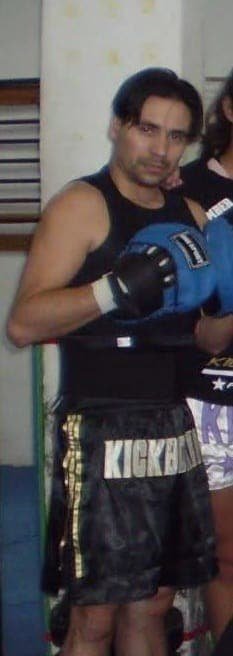
Optimizing the body demands the clinical precision of someone who operated in Radiology (Brazilian Board Certified, CRTR-SP 23595T) for years, combined with the unyielding resilience of someone who conquered multiple 42km+ mountain marathons. As an active professional, multi-pet handler, and tech benchmark researcher, at SkyTC, we bridge advanced technical science with extreme practical environments to help you biohack your active performance, optimize smart pet-tech ecosystems, and protect your structural longevit
Discover my full professional trajectory →✨ Read also: (How to Identify Structural Knee Strain Early: The Diagnostic Field Manual)
A deeply technical piece of content that perfectly complements this post — absolutely worth the read.