
You feel a faint, deep ache behind your kneecap after finishing a steep mountain descent or a heavy round of kickboxing bag work, but you pass it off as simple muscle fatigue. You take a quick cold shower, swallow a pill, and hit the trail again the next morning. Failing to identify structural knee strain early is the single most expensive biomechanical mistake an active professional can make, turning minor tracking issues into chronic cartilage failure.
In my 5 years as a clinical X-Ray Technician and 2 years operating Computed Tomography (CT) scanners, I spent hours analyzing high-resolution cross-sectional slices of knees. I saw healthy 30- and 40-something endurance athletes whose joint spaces had narrowed down to bone-on-bone contact simply because they ignored early mechanical warning signs. Your bone and cartilage do not scream immediately under overload; they send faint mechanical alerts long before total structural breakdown occurs.
As an ultra runner who hammers grueling 42km+ mountain trails and spent 6 years in the kickboxing ring, I understand the psychological drive to ignore discomfort and keep pushing. But ignoring early structural signals leads to mandatory shelf time, lost athletic years, and costly medical interventions. Learning the clinical signs of internal joint strain will preserve your knee cartilage, protect your long-term mobility, and keep your athletic engine firing for decades without showroom gimmick interference.
30-Second Summary: The Zero-Fluff Tech Support Diagnosis
Cut the corporate noise and face the hard facts: Knee pain isn’t just tired quadriceps. If your patella grinds during deep flexion, feels stiff upon waking, or aches internally hours after downhill elevation, your joint structure is bleeding mechanical integrity. Ditch the bargain-bin neoprene sleeves and stop abusing NSAIDs that simply mask dangerous cartilage wear. Adjust your foot mechanics, eliminate high-stack pillow shoes that cause joint instability, feed your deep connective tissue with bioavailable collagen from nutrient-dense red meat and natural fat, and fix tracking issues before bone hits bone.
Diagnostic Matrix: Structural Joint Strain vs Micro-Trauma
When internal knee mechanics degrade, specific tissue structures emit unique physical warning signals. Use this field diagnostic breakdown to isolate your exact mechanical issue.
| Signal Type | Anatomical Target | Biomechanical Cause | Structural Severity | Tactical Protocol |
|---|---|---|---|---|
| Retropatellar Friction | Patellofemoral cartilage | Quad imbalances & medial tracking collapse | Moderate | Re-align foot strike & strengthen gluteus medius |
| Subchondral Trabecular Ache | Tibial plateau / Femoral condyle | Repetitive eccentric landing impact | High | Immediate joint unloading & collagen diet boost |
| Synovial Fluid Pressure | Intra-articular capsule | Micro-capsular inflammation under continuous load | Moderate | Low-load mobility cycling & contrast ice/heat |
| Joint Line Pinched Crepitus | Medial or lateral meniscus | Rotational shear force under heavy axial compression | Severe | Halt rotational loads & seek diagnostic imaging |
| Distal IT-Band Snapping | Lateral femoral epicondyle | Tense tensor fasciae latae & pelvic tilting | Low to Moderate | Myofascial hip release & lateral chain training |
Field Assessment: Gear, Recovery Tools, and Biohacking Realities
Every tool in the athletic recovery marketplace presents trade-offs. Here is the unfiltered evaluation of common knee support interventions.
1. High-Stack Maximalist Running Footwear
The Good: Provides plush surface attenuation that dampens harsh impact forces on flat asphalt runs.
The Bad: Creates an elevated, unstable platform that acts like a towering lever arm, driving severe torque into your knee joint on technical trail descents.
2. Compression Sleeves and Elastic Wraps
The Good: Raises cutaneous temperature, speeds up localized circulation, and enhances proprioceptive feedback.
The Bad: Offers absolute zero structural bone support, giving runners a false sense of security while their subchondral bone takes a beating.
3. Percussion Therapy Guns
The Good: Loosens hyper-tonic quadriceps muscles to relieve excessive pull on the patellar tendon.
The Bad: Applying high-frequency mechanical vibration directly over an inflamed joint capsule or patellar bone edge causes acute periosteal bone bruising.
4. Carnivore and Animal-Fat Dietary Calibration
The Good: Delivers bioavailable glycine, proline, and saturated fats necessary to synthesize structural collagen and lubricate synovial joint spaces.
The Bad: Demands complete dietary discipline and cutting out highly convenient, inflammatory ultra-processed sports foods.
The Realities of the Battlefield: Why Marketing Specs Fail in the Mud
Modern fitness shoe manufacturers love boasting about revolutionary foam formulations and dampening technology in glossy commercials. However, on technical mountain trails or inside a kickboxing ring, those foam platforms compress unevenly within weeks. The material loses rebound, leaving your knees to absorb raw kinetic shocks. Cushioning feels luxurious at the store sales counter, BUT horizontal force vectors on mud-slicked descents twist ultra-plush soles, turning every stride into a shearing torque load that wears down meniscal cartilage.
Digital wearables and smartwatch bio-metrics fail on the exact same premise. They display vanity metrics like heart rate variability and step cadence, BUT they remain completely blind to internal joint space compression or trabecular bone fatigue. By the time your expensive smartwatch flags a drop in your performance readiness score, your patellofemoral joint has already endured weeks of mechanical destruction. Never trust a wrist gadget over physical diagnostic signals from your own skeleton.
The High-Pressure Professional Failure Arc: A Case Study in Neglect
Consider a 42-year-old corporate executive training for his first 50km mountain ultramarathon. He starts feeling a subtle, deep ache behind his left kneecap during long weekend runs. Instead of fixing his downhill foot strike or strengthening his weak gluteus medius, he buys a bargain-bin compression sleeve and takes over-the-counter anti-inflammatory drugs before every workout.
The medication blocks the pain signals, enabling him to grind out another 200 kilometers of intense trail training. But behind the scenes, the muted joint pain masks accelerated retropatellar cartilage breakdown. Two weeks before race day, his knee locks up during a routine downhill run. A CT scan reveals advanced cartilage erosion and severe subchondral bone swelling—forcing him off the trails for six months. He traded years of joint longevity for a short-term quick fix.
How to Identify Structural Knee Strain Early Before Cartilage Breakdown
Detecting joint degradation early requires a structured diagnostic mindset rather than passive waiting. Look for these four critical clinical markers during and after training sessions:
- The Retropatellar Grind (Crepitus): Place your hand directly over your kneecap and perform a deep single-leg squat. A coarse, sandpaper-like grinding sound indicates lost cartilage smoothly riding in the troclear groove.
- Post-Exercise Synovial Stiffness: If your knee joint feels rigid or tight upon waking the morning after a run, your synovial membrane is producing excess fluid to cushion injured structural tissue.
- Point Tenderness on the Joint Line: Press your thumb firmly into the dynamic gap between your femur and tibia on either side of the patella. Sharp, localized pain points to early meniscal shear strain.
- Eccentric Downhill Reluctance: When stepping down stairs or steep slopes causes an involuntary hesitation in your quads, your nervous system is actively blocking force transmission to protect damaged bone structure.
Actionable Field Checklist for Joint Longevity
Execute these tactical steps to preserve your knee structure and protect your joint health long term.
- Identify structural knee strain early by conducting a daily single-leg squat inspection to monitor joint friction. (Field truth: Ignoring early clicks turns minor fixes into orthopedic nightmares.)
- Ditch maximalist plush shoes on technical trails in favor of stable, medium-stack options. (Field truth: Ultra-soft foam creates joint instability on uneven ground.)
- Incorporate clean red meat, rich bone broth, and natural animal fats into your daily recovery meals. (Field truth: Dense collagen and saturated fats are raw building materials for cartilage repair.)
- Strengthen the gluteus medius with lateral band walks twice a week. (Field truth: Weak hips make knees collapse inward on every single stride.)
- Perform rectus femoris and hip flexor myofascial releases after every long workout. (Field truth: Tense quads yank the patella against the femur like a tight bowstring.)
- Eliminate reliance on over-the-counter pain medications before running. (Field truth: Pain is your main diagnostic gauge; killing it leads to structural ruin.)
- Shorten your running stride cadence by 5% on steep downhill sections. (Field truth: A shorter stride eliminates destructive heel strikes.)
- Train lateral stability movements to support rotational joint stress. (Field truth: Forward-only training leaves your knee vulnerable to accidental twists.)
- Replace worn-out running footwear every four to six months. (Field truth: Degraded shoe midsoles send shockwaves directly into your subchondral bone.)
- Use cold water immersion after high-impact training sessions. (Field truth: Controlling internal joint fluid keeps synovial tissues healthy.)
- Assess ankle mobility to ensure full dorsiflexion during deep knee bends. (Field truth: Stiff ankles force the knee to absorb excess impact.)
- Prioritize deep recovery sleep following heavy structural load days. (Field truth: Bone remodeling happens during deep sleep phases, nowhere else.)
👇 Looking for more performance cheats? Check out our field-tested tactical guides:
SkyTC Master Hub & Pillar Guides
Dynamic No-Nonsense FAQ
1. Is popping or clicking in my knee always a sign of cartilage loss?
No. Gas bubbles escaping synovial fluid cause harmless pops. However, if the clicking is accompanied by grinding friction, dull ache, or swelling, you are dealing with structural cartilage wear. Stop guessing and evaluate joint tracking immediately.
2. Can I run through retropatellar knee pain if I take joint supplements?
Absolutely not. Glucosamine or chondroitin supplements will not rebuild crushed cartilage while you continue hammering downhill trails. Unload the joint, repair mechanics, and fix your movement patterns before taking another step.
3. Do maximalist high-cushion shoes reduce knee strain on trail runs?
They do the exact opposite on technical terrain. High stack heights create an unsteady lever arm that causes your ankle to roll, forcing your knee to absorb massive lateral shearing forces. Stick to stable platforms off-road.
4. How does dietary red meat and natural fat aid knee structural repair?
Red meat provides essential amino acids like proline and glycine, along with bioavailable zinc and iron needed for collagen synthesis. Natural saturated fats supply building blocks for synovial membrane fluid, ensuring smooth joint motion under load.
5. Should I request an X-Ray or a CT scan for persistent knee ache?
Standard X-Rays show bone alignment and joint space narrowing, but CT scans or MRIs reveal subchondral bone edema and micro-trabecular stress. Consult a specialist, but never ignore chronic bone pain that lasts longer than two weeks.
6. Are cheap neoprene compression sleeves worth buying for joint pain?
They offer warmth and surface skin feedback, but zero structural bone stability. If you buy a low-grade sleeve hoping to protect damaged ligaments or cartilage under heavy loads, you are wasting money and risking severe injury.
7. How do I distinguish quadriceps tendonitis from structural knee strain?
Tendonitis causes localized tenderness directly above or below the kneecap that warms up during activity. Structural joint strain sits deep inside or behind the knee cap and worsens under prolonged load, accompanied by morning stiffness.
8. What is the biggest mechanical mistake runners make that ruins knees?
Over-striding on downhill slopes. Landing with an extended knee far in front of your center of mass delivers a destructive braking shock straight into your knee cartilage and subchondral bone. Shorten your cadence and land under your hips.
Why Trust SkyTC Biohacking Curation?
At SkyTC, we treat the human body as your most valuable technology. We are not just a recommendation site; we apply a rigorous clinical and practical screening process to ensure that each recommendation optimizes your biology with safety and real-world results.
✓ Technical Expertise:
Clinical experience in Radiology and Tomography (CT scans). We analyze methods through the lens of bone health and structural integrity.
✓ Specialization:
Focus on real-world biohacking. We test every wearable and supplement at the absolute limit of effort during marathons and on the mats.
✓ Authority:
Curation based on absolute transparency, always highlighting both the positive advantages and the real drawbacks of every technology.
✓ Trust:
A curation process built directly on the professional experience of a field practitioner, speaker, and high-performance leader coach.
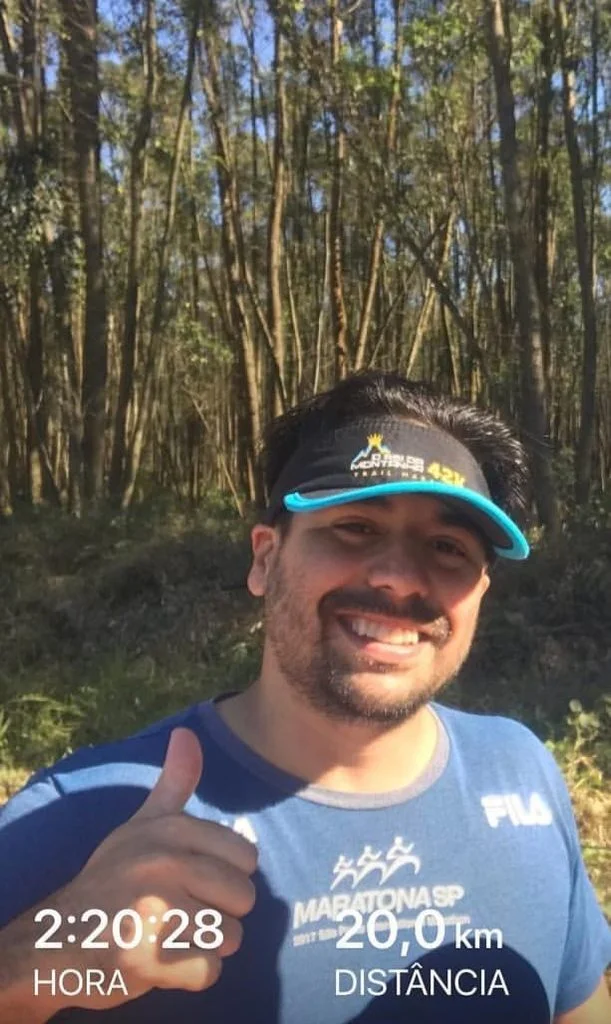
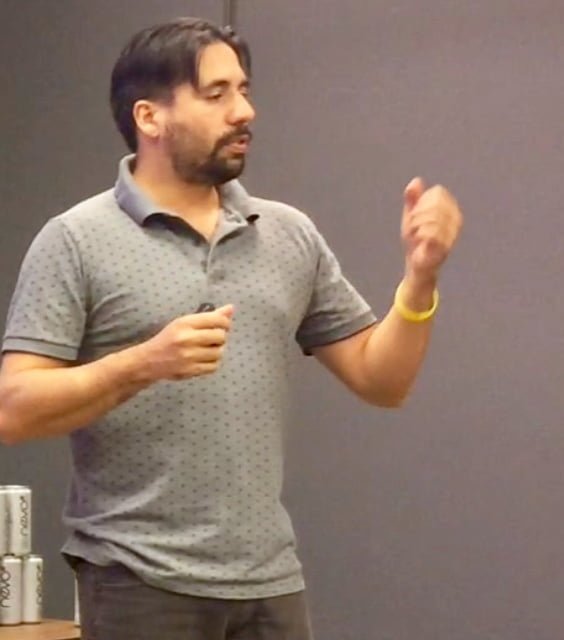
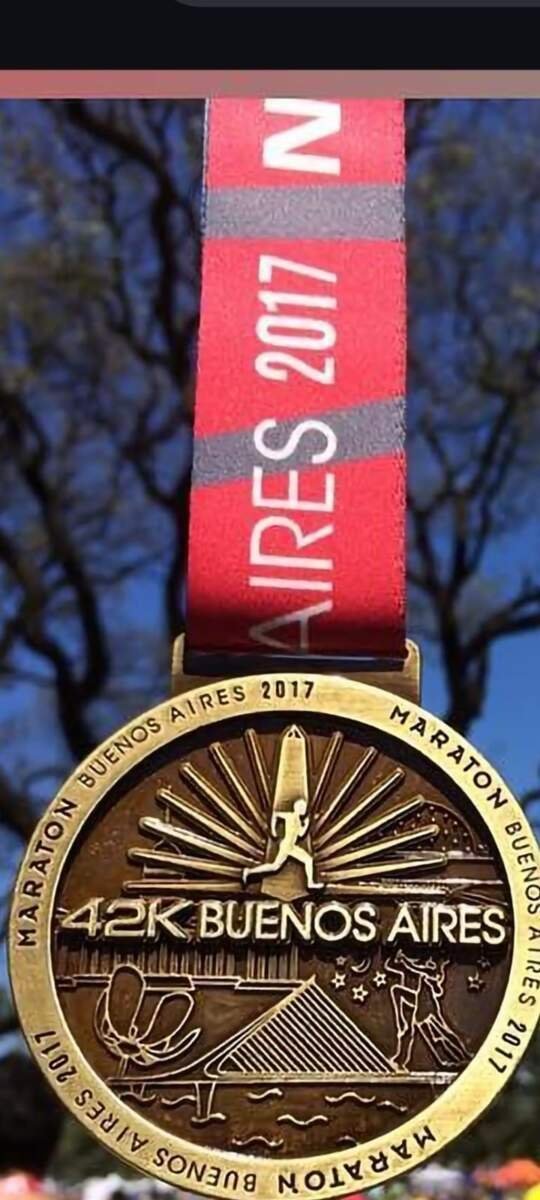

Optimizing the body demands the clinical precision of someone who operated in Radiology (Brazilian Board Certified, CRTR-SP 23595T) for years, combined with the unyielding resilience of someone who conquered multiple 42km+ mountain marathons. As an active professional, multi-pet handler, and tech benchmark researcher, at SkyTC, we bridge advanced technical science with extreme practical environments to help you biohack your active performance, optimize smart pet-tech ecosystems, and protect your structural longevit
Discover my full professional trajectory →✨ Read also: (Why Technical Trail Steps Stress Knee Cartilage: The Diagnostic Joint Shield Protocol)
A deeply technical piece of content that perfectly complements this post — absolutely worth the read.