
If you are struggling with 3 PM executive brain fog, chronic neck stiffness, or persistent tension headaches, understanding how poor desk posture limits brain circulation is your absolute first step toward structural recovery.
When you slump in front of a monitor for ten hours a day, you are not just slouching—you are physically kinking the hydraulic fluid lines that supply oxygenated blood to your central nervous system.
As a former competitive kickboxer with six years of ring experience, five years operating clinical X-Ray machinery, and two years specialized in Computed Tomography (CT) scans, I have seen the radiological realities inside the human cervical spine under chronic biomechanical stress.
In my mountain ultra runs over 42km, a single millimeter of kinetic misalignment destroys efficiency; at a desk, that same misalignment starves your brain of oxygenated blood. Master these field-tested structural alignment metrics today, save a fortune on showroom ergonomic hype, and preserve your long-term cognitive clarity.
30-Second Field Summary (Tech Support Counter Talk)
Tech Support Field Verdict: Brain fog at the office isn’t a caffeine deficiency—it’s a mechanical bottleneck in your neck. When your head shifts two inches forward, you pinch the vertebral arteries traveling through the cervical transverse foramina and restrict jugular venous outflow, trapping metabolic waste inside your skull. Stop wasting capital on shiny ergonomic lumbar cushions that don’t fix forward head drift. Re-align your cervical spine, restore vascular mechanics, and repair blood vessel walls with nutrient-dense red meat loaded with natural saturated fats. Unplug the kink in your neck, fix the fuel, and get back to peak execution.
Biomechanical Correction & Vascular Posture Matrix
| Posture Support System | Biomechanical Mechanism | Vascular Target Component | Primary Operational Failure | Field Vascular Efficacy |
|---|---|---|---|---|
| Active Standing Desk Rigs | Gravitational re-alignment of spine | Carotid & Vertebral Artery Flow | Users freeze in place without movement | High Systemic Efficacy |
| Cervical Extensor Resistance Units | Deep neck flexor isometric strength | Vertebral Artery Foramina C1-C6 | Inconsistent home training routine | Maximum Structural Fix |
| Inflatable Traction Collars | Passive axial cervical decompression | Intervertebral Joint Spaces | Over-expansion damages tissue elasticity | Moderate / Acute Only |
| Ergonomic Mesh Task Chairs | Pelvic tilt support & lumbar curve | Inferior Vena Cava & Femoral Veins | Fails to stop forward head slouching | Low Head / Neck Fix |
| Supermarket Lumbar Cushions | Static foam pressure against lower back | Local Lumbar Soft Tissue | Foam slumps flat after two weeks | Bargain-Bin / Minimal |
Battlefield Assessment: Gear & Postural Interventions
Active Standing Desk Converters
The Good: Instantly eliminates pelvic tucking, opens up the diaphragm, and restores natural venous return from the lower extremities to the heart.
The Bad: If you stand locked on a hard floor without moving, you swap neck vascular compression for venous pooling in your feet and ankles.
Isometric Cervical Extensor Resistance Bands
The Good: Rebuilds the deep cervical flexors and splenius capitis muscles, pulling the skull backward into correct alignment over the thoracic cage.
The Bad: Performing these exercises with bad technique compresses the C1-C2 joint space, triggering temporary dizziness or severe suboccipital pain.
Inflatable Cervical Traction Collars
The Good: Mechanically opens narrowed intervertebral foramina, taking immediate mechanical pressure off compressed vertebral arteries and nerves.
The Bad: Over-relying on passive traction weakens native cervical stabilization muscles, leaving your neck floppier and more vulnerable than before.
High-End Ergonomic Mesh Task Chairs
The Good: Distributes ischial tuberosity pressure evenly and maintains pelvic tilt during long high-pressure computer sessions.
The Bad: Even the most expensive task chair cannot prevent a tired executive from leaning their chin forward toward a laptop screen.
How Poor Desk Posture Limits Brain Circulation: Diagnostic Biomechanics & Vascular Stasis
In radiology, when analyzing cervical CT scans of individuals with severe Forward Head Posture (FHP), the structural distortion is undeniable. For every single inch your head drifts forward past your shoulders, your neck muscles must support an additional ten pounds of gravitational weight.
This relentless forward pull flattens the natural cervical lordosis, turning the neck into a rigid, straight line. As the curve flattens, the suboccipital muscles contract into a perpetual spasm, directly compressing the vertebral arteries as they thread upward through the tiny transverse foramina of your upper C1 to C6 vertebrae.
Simultaneously, collapsing your chest over a desk squeezes the internal jugular veins against the sternocleidomastoid tendons. Oxygenated arterial blood struggle to reach the cerebral cortex, while deoxygenated metabolic waste becomes trapped inside the cranium, causing brain fog, systemic fatigue, and executive burnout.
To repair damaged vascular endothelial linings and rebuild the elastic laminae of arterial walls subjected to chronic pressure, high-performance biohackers need raw cellular building blocks. Plant-derived oils and ultra-processed powders cannot repair vascular walls.
True endothelial recovery requires clean red meat packed with natural saturated fats, supplying bioavailable heme iron, cholesterol for vascular cell membranes, and essential B-vitamins for nitric oxide synthesis and elastic arterial integrity.
The Realities of the Battlefield
The office ergonomics industry wants you to believe that buying a high-tier investment task chair will magically cure your posture and restore focus. Expensive mesh chairs offer great pelvic support, but they do absolutely nothing to stop your chin from creeping forward toward your monitor as fatigue sets in.
Similarly, bargain-bin accessories like cheap foam lumbar wedges promise immediate relief, yet low-grade foam components collapse flat within three weeks, leaving your spine in a worse flexed position than when you started.
Even high-end motorized standing desks fail in real-world office conditions. Electric lifting motors look slick on showroom floors, but executives frequently leave them parked in the seated position once deadline pressure hits and fatigue takes over.
Hypothetical Failure Scenario: The High-Pressure Executive Slump
Imagine a corporate executive working fourteen-hour days on a critical merger. They purchase a high-end task chair with a dozen adjustment levers and believe their postural problems are solved forever.
By 2 PM, under heavy cognitive stress, their pelvis tucks backward, their thoracic spine rounds into a C-shape, and their chin protrudes forward toward their laptop screen. They fuel themselves with energy drinks and plant-based protein bars, ignoring the growing tightness at the base of their skull.
By 4 PM, their vertebral arteries are compressed within spasm-locked neck muscles, and jugular drainage is restricted. They experience a massive wall of brain fog, a dull throbbing headache, and zero executive drive. They blame their workload, completely blind to the fact that their poor desk posture stripped their brain of blood circulation.
👇 Looking for more performance cheats? Check out our field-tested tactical guides:
SkyTC Master Hub & Pillar Guides
Practical Execution Checklist
Fix poor desk posture limits brain circulation by raising monitor height.
Expert Tip: Position the top third of your display directly at eye level to eliminate forward head tilt.
Perform chin tucks every sixty minutes while seated at work.
Expert Tip: Pull your head straight back over your shoulders as if making a double chin to decompress C1-C2 foramina.
Fuel arterial wall repair with grass-fed red meat and natural fat.
Expert Tip: Heme iron, collagen, and saturated fats restore vascular elasticity and support optimal oxygen transport to the brain.
Set a strict timer to alter posture every thirty minutes daily.
Expert Tip: Alternating between standing, sitting, and walking resets spinal proprioceptors before muscle fatigue occurs.
Strengthen deep cervical flexors using isometric band resistance workouts.
Expert Tip: Strong deep neck flexors hold the skull in natural alignment without relying on superficial neck strain.
Replace soft bargain-bin lumbar cushions with rigid structural supports.
Expert Tip: Rigid pelvic wedges maintain natural lumbar lordosis, preventing the downstream collapse of the upper neck.
Un-glaze your eyes from screens to relax suboccipital muscle tension.
Expert Tip: Focus on an object twenty feet away every twenty minutes to relax the ciliary nerves linked to neck tightness.
Open thoracic mobility daily using a dense foam roller routine.
Expert Tip: Extending the mid-back removes the compensatory necessity for the neck to hyper-extend forward.
Eliminate laptop typing without an external keyboard and elevated stand.
Expert Tip: Looking down at a laptop flat on a desk guarantees forward head posture and arterial compression.
Hydrate with pure water and essential electrolytes throughout the workday.
Expert Tip: Dehydration thickens blood viscosity, exacerbating the circulatory slowdown caused by pinched neck vessels.
Execute doorway pectoral stretches to open up compressed chest tissue.
Expert Tip: Tight chest muscles pull the shoulders forward, locking the neck into a permanent vascular-constricting forward drift.
Dynamic No-Nonsense FAQ
How quickly does poor desk posture reduce brain blood circulation?
Vascular restriction happens in minutes. Resting in a forward head posture for as little as fifteen minutes triggers suboccipital spasms, reducing blood velocity through the vertebral arteries instantly.
Can a standing desk completely cure brain fog caused by bad posture?
No. A standing desk removes pelvic slump, but if your monitor is too low or you hunch over your keyboard while standing, you still constrict the cervical arteries and restrict brain circulation.
Why do high-end ergonomic chairs fail to stop neck stiffness?
Because chairs support your lower body, not your active habits. When you lock your eyes on a screen, your head naturally follows, dragging the neck out of alignment regardless of chair cost.
What are the first signs that neck posture is pinching blood flow?
The earliest red flags are a cold sensation at the base of the skull, a dull pressure headache behind the eyes, sudden brain fog, and difficulty maintaining sharp visual focus on text.
How does eating red meat help vascular issues caused by sitting?
Red meat supplies bioavailable heme iron, B-vitamins, and natural saturated fats required to maintain smooth, flexible blood vessel walls capable of expanding under changing postural pressures.
Is an inflatable neck traction collar a safe daily biohack?
It is safe for short acute decompression sessions, but terrible as a daily crutch. Overusing traction weakens the neck muscles responsible for holding your head up naturally.
Does forward head posture cause permanent damage to cervical arteries?
Prolonged posture issues cause chronic arterial wall shear stress, micro-inflammation, and calcification over years, significantly reducing long-term cerebrovascular health.
What is the single most effective exercise for forward head posture?
The simple isometric chin tuck paired with active thoracic extension. It re-educates deep neck stabilizers and physically pulls the skull back over the spine’s natural load-bearing axis.
Why Trust SkyTC Biohacking Curation?
At SkyTC, we treat the human body as your most valuable technology. We are not just a recommendation site; we apply a rigorous clinical and practical screening process to ensure that each recommendation optimizes your biology with safety and real-world results.
✓ Technical Expertise:
Clinical experience in Radiology and Tomography (CT scans). We analyze methods through the lens of bone health and structural integrity.
✓ Specialization:
Focus on real-world biohacking. We test every wearable and supplement at the absolute limit of effort during marathons and on the mats.
✓ Authority:
Curation based on absolute transparency, always highlighting both the positive advantages and the real drawbacks of every technology.
✓ Trust:
A curation process built directly on the professional experience of a field practitioner, speaker, and high-performance leader coach.

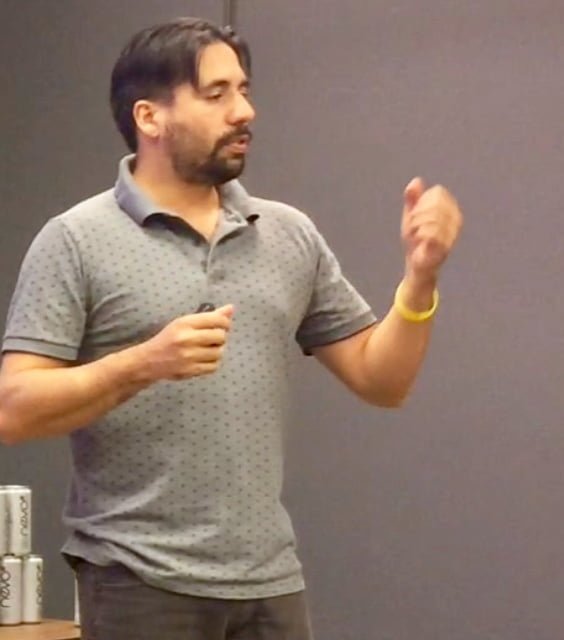


Optimizing the body demands the clinical precision of someone who operated in Radiology (Brazilian Board Certified, CRTR-SP 23595T) for years, combined with the unyielding resilience of someone who conquered multiple 42km+ mountain marathons. As an active professional, multi-pet handler, and tech benchmark researcher, at SkyTC, we bridge advanced technical science with extreme practical environments to help you biohack your active performance, optimize smart pet-tech ecosystems, and protect your structural longevit
Discover my full professional trajectory →✨ Read also: Fix Attention Span Issues Using Home Lab Data: Debug Your Brain with Hard Biometrics
> A deeply technical piece of content that perfectly complements this post — absolutely worth the read.