
If you feel a sharp, unbearable grinding sensation behind your patella every time you charge down a mountain trail or climb a steep flight of stairs, learning to fix knee tracking issues using home lab data is the ultimate structural fix you have been missing.
Patellofemoral pain is not a mysterious ailment that requires endless rest; it is an objective structural alignment failure caused by uncalibrated torque across your kinetic chain. Most active runners and executives waste months buying bargain-bin knee sleeves, swallowing useless glucosamine pills, or doing generic leg lifts that ignore their specific biomechanical dysfunction.
As a mountain ultra runner who has completed multiple 42km+ trail races and a former clinical CT and X-Ray technician who spent seven years analyzing skeletal alignment, joint spaces, and bony subluxation, Valtersky does not deal in showroom gadget hype. At SkyTC, we use hard diagnostic metrics to uncover structural flaws before they turn into permanent joint cartilage destruction.
By establishing a precision home biomechanics lab using high-speed video, wearable IMU sensors, and force distribution tracking, you can save thousands on failed clinical visits, eliminate joint grinding, and protect your athletic career for decades of active longevity.
30-Second Summary (Tech Support Counter Talk)
Cut through the physical therapy fluff. Knee maltracking is rarely an isolated knee problem; it is a structural failure caused by weak vastus medialis obliquus (VMO) timing, gluteus medius inhibition, and hyper-pronation at the ankle joint. Stop relying on low-grade compression sleeves and subjective pain scales. Capture baseline slow-motion video at 240 frames per second, log motion metrics with home wearable sensors, build quad strength through heavy eccentric loads, and repair soft connective tissue with clean red meat and natural fats. Fix your mechanics or prepare for a premature joint replacement.
Fix Knee Tracking Issues Using Home Lab Data: Biomechanical Field Guide
To fix patellar maltracking, you must first understand the mechanical environment of the patellofemoral joint. Your kneecap is a sesamoid bone suspended inside the quadriceps tendon, sitting in a narrow groove on the femur known as the trochlear notch. When your quad muscles contract, the patella glides up and down inside this groove under immense compression forces.
When muscle firing is asymmetrical or bone alignment shifts, the patella tilts or pulls laterally, grinding against the cartilage wall of the trochlea. During my years operating CT scanners and reviewing cross-sectional skeletal scans, I saw firsthand how even a three-millimeter lateral tracking error leads to severe cartilage thinning, bone marrow edema, and micro-fractures in the subchondral bone over time.
Home lab data allows you to isolate the root cause of this alignment failure. By setting up a high-frame-rate camera, recording single-leg step-downs, and tracking dynamic valgus angles, you can pinpoint whether your knee collapse is caused by a weak hip, an inactive VMO, or an collapsing foot arch. Knowledge is power, but objective diagnostic data is what saves your cartilage.
Rebuilding joint integrity also requires dense biological fuel. Connective tissue, patellar tendons, and articular cartilage demand bioavailable collagen precursors, glycine, and saturated lipids. Consuming clean red meat along with its natural fat delivers the raw metabolic substrate required to repair micro-tears in stabilizing tendons and maintain thick, healthy synovial fluid inside the joint capsule.
| Lab Modality | Primary Diagnostic Metric | Tracking Accuracy | Field Durability | Major Limitation |
|---|---|---|---|---|
| High-Speed Video (240fps) | Frontal Plane Valgus Excursion | High | Maximum | Requires precise lighting and camera angles |
| Wearable IMU Sensors | Angular Velocity & Shock Attenuation | Moderate | Moderate | Sensor drift caused by sweat or movement |
| Surface EMG Sensors | VMO vs VL Activation Timing | High | Low | Signal noise caused by skin impedance |
| Podiatric Force Mats | Ground Reaction & Pronation Speed | High | High | High-end setups require major investment |
The Battlefield Assessment: Diagnostic Tool Breakdown
High-Speed 240fps Video Analysis: The Good: Captures frame-by-frame joint angles during dynamic impact without placing heavy equipment on the athlete. The Bad: Off-angle tripods create severe perspective distortion that skews valgus calculations, yielding completely worthless tracking numbers.
Wearable IMU Motion Sensors: The Good: Measures rotation speeds and shock forces in real time while running on actual trail terrain. The Bad: Bargain-bin elastic straps slip under sweat, causing the sensor to rotate freely and corrupt your entire data set with false motion artifacts.
Surface EMG Activation Sensors: The Good: Pinpoints the exact millisecond delay between vastus medialis obliquus firing and vastus lateralis dominance. The Bad: Sweat buildup rapidly breaks electrode contact, turning clean muscle signals into chaotic baseline noise.
Podiatric Force Grids & Mats: The Good: Directly maps center-of-pressure shifts and foot pronation speeds under maximum loaded weight. The Bad: Budget-friendly options lack the spatial resolution required to detect subtle arch collapse under high impact.
The Realities of the Battlefield
The consumer fitness industry loves marketing smart knee gadgets, wearable tracking bands, and compression sleeves that promise effortless clinical precision. Commercial motion trackers claim to deliver real-time biomechanical feedback, BUT low-grade rubber mounting straps snap under heavy sweat and mountain mud, turning an expensive setup into useless plastic waste.
Soft neoprene knee braces advertise complete patellar stabilization, BUT soft fabric cannot overcome thousands of Newtons of shear force generated by a weak hip and a collapsing arch. These budget-friendly options merely warm the skin while allowing the bone structure to grind unchecked underneath.
Real joint longevity is not built using showroom toys or plastic braces; it requires raw mechanical alignment and uncompromised cellular nutrition. When you fuel your body with nutrient-dense red meat and natural fats, you furnish your cellular mitochondria with the necessary fatty acids and iron to sustain high-output athletic recovery and preserve joint cartilage life.
The Failure Scenario: How Athletes Ruin Their Knees
Consider an executive training for a mountain trail marathon. They feel a sharp, dull ache behind their right kneecap on downhill sections. Instead of gathering objective home lab data, they buy a high-end compression sleeve and a bargain-bin foam roller, spending weeks rolling their outer IT band until their skin is bruised.
They ignore the fact that their right ankle suffers from severe hyper-pronation, which forces their tibia to rotate inward and drags the trochlear groove directly out from under the patella. Because the compression sleeve deadens pain sensation, they continue pounding downhill trail miles, completely unaware that their patellar cartilage is being scraped away frame by frame.
Six months later, the pain becomes unbearable. A clinical MRI reveals stage three chondromalacia patellae and bone bruising. A crisis that could have been identified and solved in fifteen minutes using a simple high-speed video setup and motion software has now turned into a career-ending surgical situation.
👇 Looking for more performance cheats? Check out our field-tested tactical guides:
SkyTC Master Hub & Pillar Guides
Practical Execution Field Checklist
Fix knee tracking issues using home lab data right now.
Expert Tip: Capturing high-speed 240fps video in the frontal plane reveals subtle patellar valgus deviation that the naked eye misses entirely.
Mount recording cameras on rigid tripods at knee height.
Expert Tip: Off-angle handheld recording introduces severe parallax errors, corrupting joint angle metrics and making motion software completely useless.
Record single-leg step-downs under loaded functional body weight.
Expert Tip: Biomechanical tracking errors only manifest under dynamic load, so testing while standing still completely masks structural patellar maltracking.
Evaluate vastus medialis obliquus activation timing with surface sensors.
Expert Tip: A delay of even twenty milliseconds in VMO activation allows the stronger lateral quad to pull the patella out of alignment.
Analyze rearfoot pronation velocity using ground contact grids.
Expert Tip: Excessive eversion at the calcaneus forces internal tibial rotation, which directly twists the knee joint groove beneath the patella.
Fuel joint tissue recovery with clean, natural red meat.
Expert Tip: Rich red meat and natural fat supply bioavailable collagen precursors, glycine, and saturated fatty acids required for cartilage repair and synovial fluid synthesis.
Execute heavy eccentric quad load training three times weekly.
Expert Tip: Eccentric loading strengthens tendon architecture and increases VMO motor unit recruitment without generating destructive joint shear forces.
Discard soft compression sleeves that claim to fix tracking.
Expert Tip: Neoprene braces provide mild thermal warmth and cutaneous sensory input, but they lack the structural rigidity to override mechanical bone alignment.
Calibrate wearable motion sensors prior to every lab test.
Expert Tip: Uncalibrated gyroscopes suffer from rapid rotational drift, producing false positive tracking data that leads to improper exercise selection.
Measure dynamic hip drop using lateral pelvic marker points.
Expert Tip: Weakness in the gluteus medius causes contralateral pelvic drop, forcing the femur into internal rotation and pulling the patella laterally.
Retest home lab biomechanical metrics every four weeks systematically.
Expert Tip: Soft tissue adaptation takes weeks of consistent stimulus, so re-evaluating too frequently leads to chasing random statistical noise.
Dynamic No-Nonsense FAQ
Can home lab data really replace a clinical gait lab assessment?
Yes, for primary tracking issues. High-speed smartphone video combined with open-source biomechanics software provides more than enough spatial accuracy to identify knee valgus, pelvic drop, and foot collapse without spending money on clinical lab visits.
Why doesn’t foam rolling my IT band fix my knee tracking?
Because the IT band is a massive, thick band of fibrous connective tissue that cannot be lengthened by a plastic foam roller. Kneecap pain is driven by muscle firing imbalance and bone rotation, not a tight IT band.
Are wearable motion sensors accurate enough for patellar tracking analysis?
Only if they are mounted securely to bone landmarks with rigid straps. Low-grade wearable sensors attached to loose clothing generate worthless data due to fabric movement and skin artifact noise.
What role does clean red meat play in structural joint stability?
Stabilizing muscles and tendons require dense protein synthesis and bioavailable iron for cellular energy. Red meat paired with natural fat delivers saturated lipids and essential amino acids required to maintain cartilage thickness under heavy impact loading.
Do orthotics permanently resolve patellar maltracking problems?
No. Orthotics are temporary mechanical crutches that block foot collapse. If you do not actively strengthen the intrinsic foot muscles and tibialis posterior, your arch will stay weak, and tracking errors will resume the second you take off your shoes.
How do I know if my knee pain is maltracking or a meniscus tear?
Tracking issues typically cause diffuse grinding pain directly behind or around the kneecap during squats and downhills. Meniscal injuries present with sharp, pinpoint joint-line pain, mechanical locking, and severe joint swelling.
Are high-end smart knee braces worth buying for tracking support?
No. Smart braces are overpriced gimmicks. Soft material cannot prevent thousands of Newtons of rotational bone force. Invest your money in heavy strength training, high-speed camera gear, and dense animal nutrition instead.
How long does it take to reprogram knee mechanics with home lab protocols?
Noticeable changes in VMO motor recruitment take three to four weeks of targeted eccentric training. True structural remodeling of tendon architecture and tissue repair requires eight to twelve weeks of consistent mechanical loading and proper diet.
Why Trust SkyTC Biohacking Curation?
At SkyTC, we treat the human body as your most valuable technology. We are not just a recommendation site; we apply a rigorous clinical and practical screening process to ensure that each recommendation optimizes your biology with safety and real-world results.
✓ Technical Expertise:
Clinical experience in Radiology and Tomography (CT scans). We analyze methods through the lens of bone health and structural integrity.
✓ Specialization:
Focus on real-world biohacking. We test every wearable and supplement at the absolute limit of effort during marathons and on the mats.
✓ Authority:
Curation based on absolute transparency, always highlighting both the positive advantages and the real drawbacks of every technology.
✓ Trust:
A curation process built directly on the professional experience of a field practitioner, speaker, and high-performance leader coach.
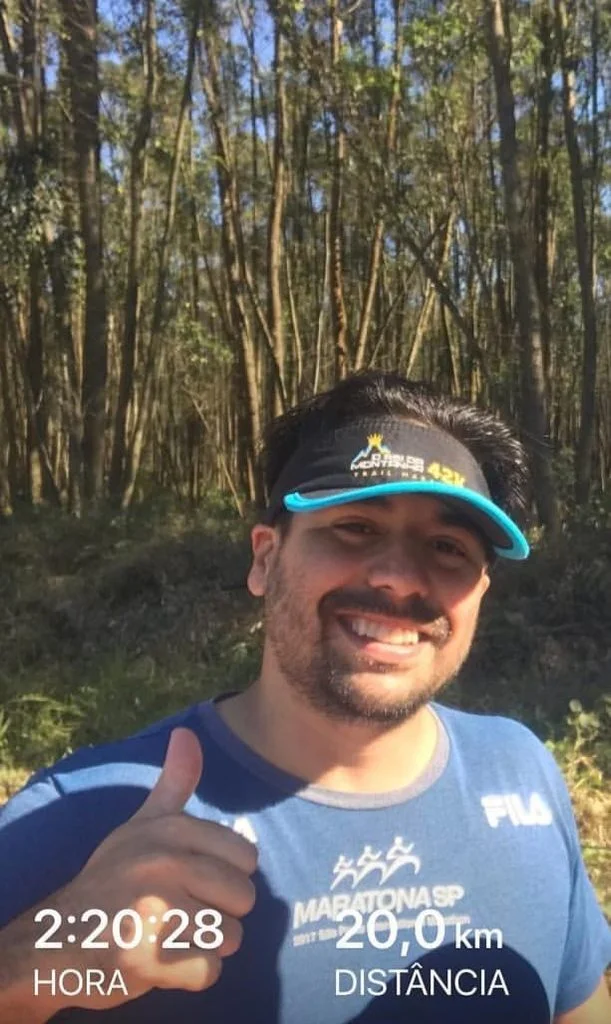
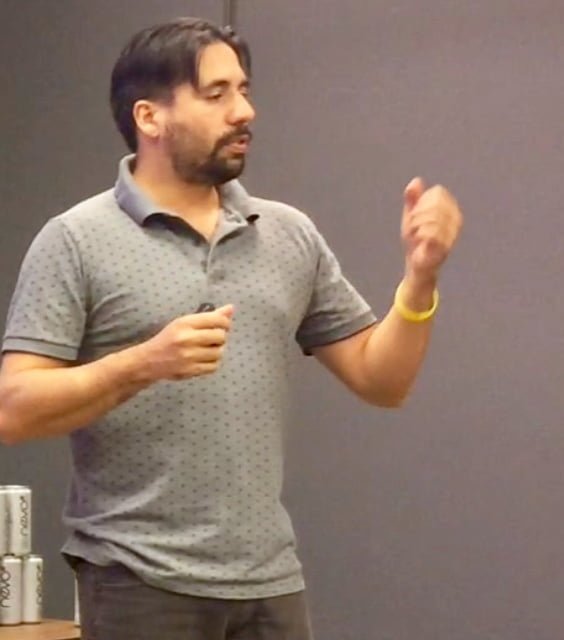
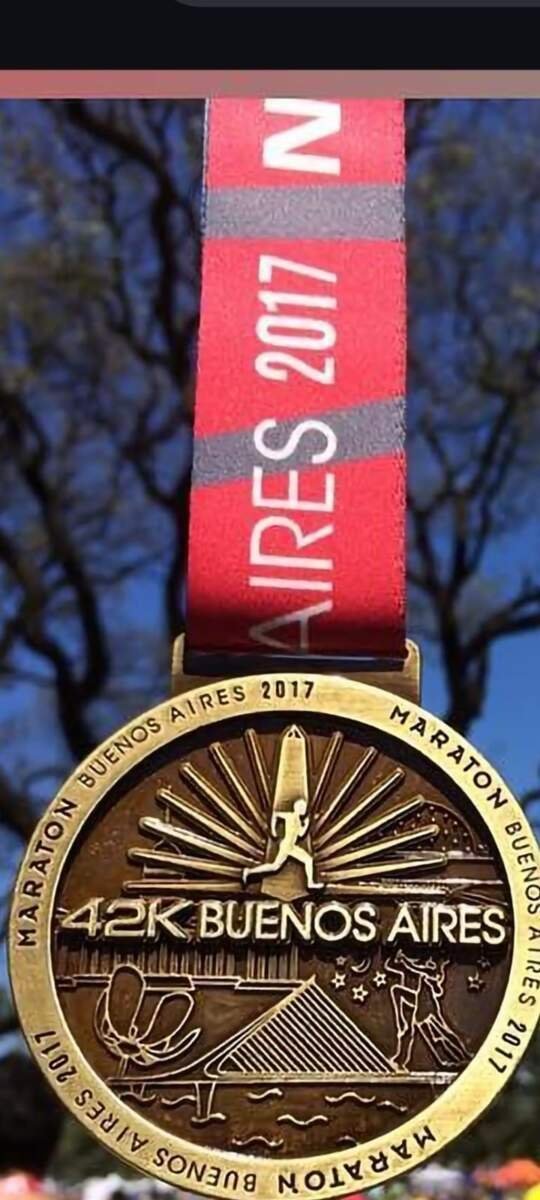
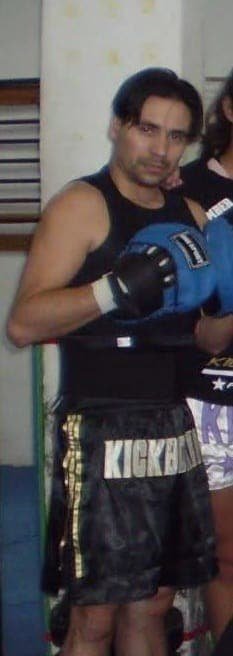
Optimizing the body demands the clinical precision of someone who operated in Radiology (Brazilian Board Certified, CRTR-SP 23595T) for years, combined with the unyielding resilience of someone who conquered multiple 42km+ mountain marathons. As an active professional, multi-pet handler, and tech benchmark researcher, at SkyTC, we bridge advanced technical science with extreme practical environments to help you biohack your active performance, optimize smart pet-tech ecosystems, and protect your structural longevit
Discover my full professional trajectory →✨ Read also: Why Low Quad Strength Causes Knee Joint Slumps: Field Diagnostic & Biomechanical Blueprint
A deeply technical piece of content that perfectly complements this post — absolutely worth the read.