
Anyone who lives with an American or Japanese Akita knows you are not managing a typical domestic dog; you are handling a stoic, powerful, one-hundred-pound apex guardian with an intense prey drive and an independent mind. Finding the right smart GPS trackers for Akita breeds is not about grabbing a flashy plastic tag off a boutique pet shelf; it is about deploying rugged, high-gain telemetry that actually punches through dense double coats and survives backcountry terrain.
Most pet owners make the fatal mistake of clipping a lightweight consumer Bluetooth tag or a flimsy silicone-banded tracker onto an Akita’s collar. The moment that dog spots a deer, coyote, or neighborhood cat, their primitive hunting instinct kicks in, and they will sprint through thick brambles, scale fences, and disappear into the brush without looking back.
Standard consumer gadgets get ripped off within thirty seconds of scrub contact, lose cellular handshakes under heavy tree canopies, or suffer signal smothering from the Akita’s massive, dense undercoat, leaving you stranded with a blank map on your smartphone.
By locking down heavy-duty tracking hardware engineered for giant working breeds, you eliminate frantic search parties, bypass useless recurring tech subscriptions that fail in remote dead zones, and ensure your canine powerhouse stays safe on every mountain trail or backcountry excursion.
Flash Exposure: The Canine Instinct Summary
Listen up, let us cut straight through the showroom marketing fluff at the tech counter: an Akita is an ancient hunting breed that does not possess the eager-to-please recall of a Golden Retriever. If an Akita decides to roam, they cover miles of rugged topography in minutes. If your tracker relies on crowdsourced Bluetooth networks or weak consumer-grade plastic brackets, you have already failed.
You need three non-negotiable structural elements: high-grade GNSS multi-constellation satellite receivers with top-mounted antenna placement to clear the thick fur ruff, an IP68-rated waterproof chassis that laughs at freezing mud and river crossings, and an armored attachment system that physically locks directly into heavy-gauge Biothane webbing. If a tracking setup lacks those three baselines, do not trust your dog’s life to it.
Why Smart GPS Trackers for Akita Breeds Must Overcome Dense Double Coats and High Drive
Between traveling across the country and field-testing heavy-duty pet gear with our dedicated team at skytc, I put tracking electronics through absolute misery. While my Maltese, Murphy, stays close at heel during hotel runs, our field-testing network includes dedicated giant-breed handlers and multi-pet households across our community who manage working Akitas, livestock guardians, and high-drive power breeds in harsh weather.
The biological architecture of an Akita presents a unique electronic challenge. Their thick, plush double coat acts as a literal dielectric insulator, attenuating low-power radio frequency and cellular signals if the antenna rests flush against their neck tissue. Furthermore, their immense bite force and neck musculature will pulverize standard plastic housings during rough play with other dogs. You need industrial hardware built for relentless torque.
| Tracker Architecture | Signal Penetration (Double Coat) | Backcountry Off-Grid Range | Chassis Impact & Shear Rating | Investment Tier Classification |
|---|---|---|---|---|
| Satellite VHF / Multi-GNSS Rigs | Maximum (Top-Whip Antenna) | Over 9 Miles (Zero Cellular Needed) | Ballistic Polymer (Crush-Proof) | Premium tier investment |
| Cellular LTE-M Armored Collars | High (Integrated Webbing Array) | Cellular Dependent (Near-Global) | Reinforced Aluminum / Polycarbonate | Mid-tier investment |
| Sub-GHz LoRa Mesh Modules | Moderate to High | 3 to 5 Miles (Line of Sight) | High-Impact ABS Housing | High-end setups |
| Consumer Clip-On Cellular Pods | Low (Prone to Fur Inversion) | Cellular Dependent | Thin Molded Plastic (Snaps Easily) | Budget-friendly options |
| Crowdsourced Bluetooth Proximity Tags | Zero in Wilderness | Under 30 Feet (Needs Nearby Phones) | Fragile Keyring Loop (Instant Tear) | Bargain-bin accessories |
The Bare-Metal Trial: Pros, Cons, and Real-World Wear
Let us break down the bare-metal balance sheet across the primary tracking platforms after exposing them to relentless brush, mud, and ninety-pound pull forces.
Satellite VHF Direct-Radio Telemetry: The Good: Completely bypasses cellular towers, streaming real-time live directional coordinates directly to a handheld receiver even in deep mountain canyons. The Bad: The physical whip antenna sticks out and whips against trail bushes, the handheld unit adds bulk to your tactical hiking pack, and the complete rig represents a significant premium tier investment.
Integrated LTE-M Biothane Smart Collars: The Good: The tracking unit is riveted directly into heavy-duty synthetic webbing, eliminating snags and making it impossible for another dog to chew off during rough play. The Bad: If your Akita bolts into deep national forest dead zones with zero cell service, real-time live pings stop updating until the dog crosses back into network range.
Modular Clip-On GPS Pods: The Good: Convenient to unclip and charge on your nightstand without taking off your dog’s entire collar harness setup. The Bad: The silicone retaining bands degrade rapidly under UV exposure, and a single high-velocity run through thick blackberry scrub will snap the bracket, leaving your expensive sensor lost in the dirt.
The Wear and Tear Sheet: Jaw and Chassis Stress Tests
The consumer pet electronics industry is flooded with delicate gadgets marketed with sleek lifestyle photography. On paper, a tiny tracker with an integrated heart-rate monitor looks like the tactical cheat code for modern dog owners. But throw that unit around the neck of a working Akita, and the hard negative reality shatters the marketing specs: micro-USB charging ports with flimsy rubber flaps leak river water into the circuit board within two submersions.
Low-grade plastic collar clips shear in half the moment an Akita hits the end of a long-line lead with full bodyweight. Furthermore, magnetic pogo-pin charging docks corrode and crust over with green oxidation when exposed to salty trail mud and dog saliva. If your tracking hardware cannot survive being dragged across granite boulders or shaken violently during prey-drive head shakes, it is nothing more than showroom e-waste.
The Hypostatical Failure Scenario: The Backcountry Blindspot
Consider an outdoor enthusiast taking their two-year-old male Akita on a remote mountain trail run. The owner relies on a trendy cellular smart tag clipped via a thin rubber ring to a standard nylon collar. At mile four, the Akita catches the scent of a bull elk, breaches the tree line, and takes off down a steep ravine.
As the dog plunges through thick scrub oak, a branch catches the flimsy rubber band, snapping the tracker off into a leaf bed. Back on the trail, the owner opens their mobile app only to see the tracker sitting completely motionless miles behind them while the Akita continues running silently over the ridge. With no direct radio signal and failing cellular service, a ten-minute run transforms into a three-day wilderness emergency search.
👇 Looking for more performance cheats? Check out our field-tested tactical blueprints:
The Best GPS Dog Trackers with No Monthly Fees
Real battlefield testing: How to keep your dog 100% safe without getting trapped in expensive subscriptions.
Best Smart Litter Boxes: Honest Testing & Review
Say goodbye to the scoop. We test the internal mechanics, odor control, and safety of top smart litter boxes.
Best Smart Feeding & Interactive Toys for City Pets
How to keep your companion happy, engaged, and fed while managing a busy, away-from-home routine.
The Core Scan: Durability and Clearance Checklist
- Deploy smart GPS trackers for Akita breeds with reinforced mounts.
Expert Tip: Rivet the tracker casing directly into wide Biothane collar webbing to completely eliminate external snag points that snap in heavy brush. - Select satellite VHF telemetry for wilderness and backcountry hiking.
Expert Tip: Direct radio transmission operates independently of commercial cellular towers, guaranteeing tracking in deep mountain valleys and dense timber. - Demand IP68 waterproof ratings with fully potted internal electronics.
Expert Tip: Sub-surface potting compound seals sensitive microchips in solid resin, preventing catastrophic moisture failure even if the outer shell suffers a hairline fracture. - Position the GPS antenna module strictly on the upper neck.
Expert Tip: Counterweighted collar designs keep the antenna facing the open sky, preventing the Akita’s thick undercoat from blocking satellite acquisition. - Program geofence escape alerts with high-frequency live tracking intervals.
Expert Tip: Set rapid two-to-five-second ping rates during containment breaches; an Akita can easily cover three hundred yards in thirty seconds. - Inspect magnetic charging contact points for mineral corrosion weekly.
Expert Tip: Clean brass contact pins with isopropyl alcohol and a stiff nylon brush to remove galvanic oxidation caused by sweat and wet undercoats. - Ditch crowdsourced Bluetooth-only tracking tags for primitive breeds immediately.
Expert Tip: Bluetooth tags require proximity to third-party smartphones and are completely useless once your dog breaches suburban property lines. - Verify multi-constellation GNSS support including GPS, GLONASS, and Galileo.
Expert Tip: Accessing multiple satellite constellations dramatically reduces orbital acquisition lock times in steep mountain terrain and heavy cloud cover. - Reinforce collar hardware with solid brass or stainless steel buckles.
Expert Tip: Plastic quick-release side-squeeze buckles shatter under the sudden explosive lunging force of an adult working Akita. - Monitor battery discharge curves in sub-freezing winter field temperatures.
Expert Tip: Extreme cold drains lithium-ion cells at double their normal rate; always carry an external battery power bank for emergency field recharges. - Pair electronic tracking collars with redundant stamped stainless identification plates.
Expert Tip: Digital hardware can run out of power; a silent, riveted metal tag ensures immediate contact info if your dog is recovered by park rangers.
The K9 Stress-Test FAQ: Clear-Cut Field Explanations
Can an Akita’s thick double coat block GPS signals?
Yes. Dense double coats act as physical and dielectric barriers that dampen high-frequency satellite and cellular signals. You must use collars that position the transceiver module high on the back of the neck rather than dangling beneath the throat.
Why are Bluetooth tags completely inadequate for Akita tracking?
Bluetooth tags have an effective range of thirty to fifty feet and rely on other people’s smartphones to ping location data. When an Akita escapes into a forest, canyon, or rural field, there are zero phones around, rendering the tag completely dead.
Is cellular LTE-M tracking reliable in remote mountain areas?
No. Cellular collars rely on commercial cell towers. If you hike or hunt outside cellular reception zones, the collar stores coordinates internally but cannot transmit them to your phone until the dog returns to a coverage zone.
How long does the battery last during active live tracking mode?
Under continuous two-to-five-second live satellite pinging, most compact cellular collars drain within eight to sixteen hours. Dedicated hunting VHF collars with large battery packs can sustain continuous transmission for twenty to forty hours.
Can my Akita wear a GPS tracking collar alongside an e-collar?
Yes, but ensure at least two to three inches of separation between modules on the neck. Stacking transceivers directly against each other creates electromagnetic interference that degrades satellite lock speed and causes false sensor readouts.
Are subscription-free GPS dog collars worth the premium tier investment?
Yes. VHF direct-radio systems require zero monthly fees, work anywhere on the planet without cellular coverage, and offer industrial-grade durability that outlasts fragile subscription-based consumer gadgets by years.
What happens if my Akita jumps into a freezing lake with the tracker?
If the device has a true IP68 or 1ATM waterproof rating, it will operate without issue. Devices with low-grade IPX7 ratings or loose rubber USB port plugs will experience water intrusion, shorting the battery and killing the signal instantly.
Will a GPS tracker prevent my Akita from escaping the yard?
No. A GPS tracker is a reactive recovery tool, not a physical containment fence. You must combine tracking telemetry with physical six-foot secure fencing and diligent behavioral impulse-control training to stop boundary breaching.
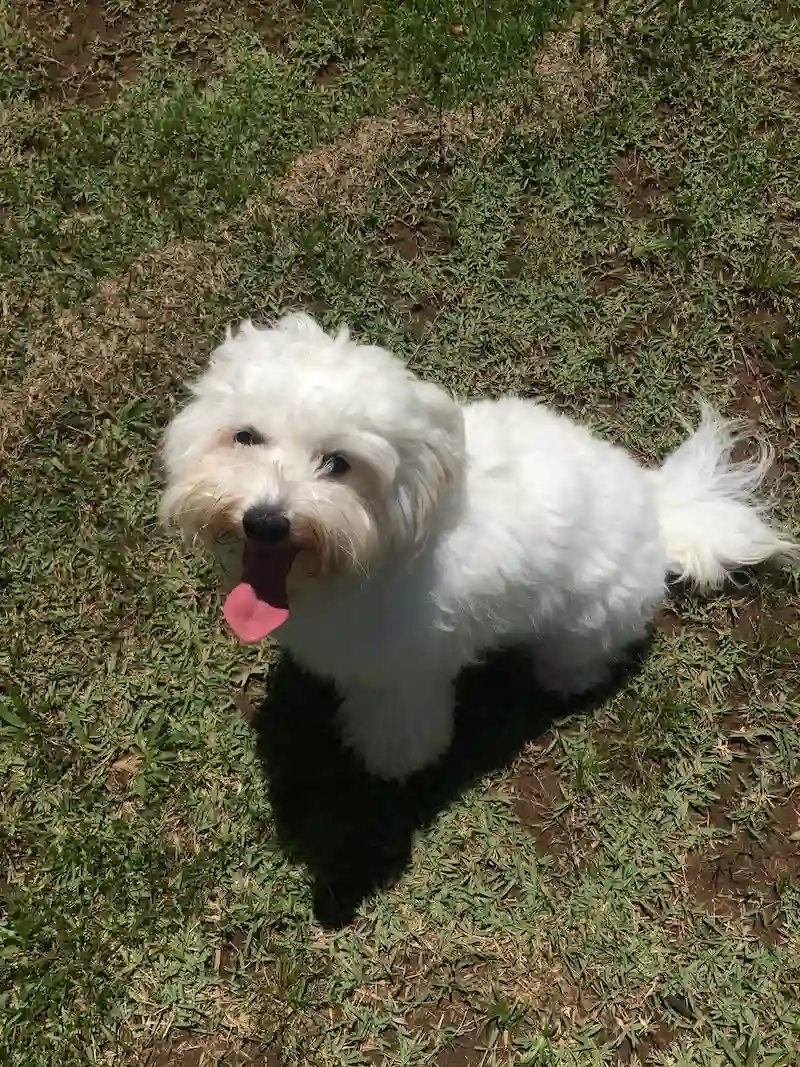 Murphy
 Valtersky
Meet Valtersky & Murphy
FOUNDER OF TEAM SKYTC
At SKYTC, Meet Valtersky & Murphy FOUNDER OF TEAM SKYTCAt SKYTC, cutting-edge pet technology meets real-world testing. We merge Murphy’s hands-on companion trials with Valtersky’s precise analysis—combining over 25 years of structural engineering background with health-tech experience.To guarantee reliability for all breeds, we collaborate with a trusted network of experienced large-breed tutors and active dog handlers who stress-test heavy-duty gear in rugged conditions. We raise the bar for review standards so your best friend gets only the safest, most functional, and highly reliable hardware on the market.
✨ Read also: Best GPS Collars for Pitbull Terriers: Heavy-Duty Tracking Field Review
A deeply technical piece of content that perfectly complements this post — absolutely worth the read.