
If you own an American Pitbull Terrier, Staffordshire Bull Terrier, or high-drive bully mix, you know these dogs are built like muscle-bound freight trains. Selecting the best GPS collars for Pitbull Terriers means skipping flimsy suburban pet store tags and investing in reinforced, heavy-duty tracking hardware engineered for explosive acceleration, thick necks, and intense prey drive.
Pitbulls possess massive neck circumferences, thick muscle density, and incredible power. Slapping a cheap plastic smart tag held on by a thin silicone rubber boot onto a high-drive bully breed is a total shortcut to losing your dog when the hardware snaps in dense brush.
While I travel constantly with my Maltese dog, Murphy, testing everyday gear, our team at skytc physically tests pet technology in rugged field environments. Our field-testing network includes dedicated giant-breed handlers, working dog trainers, and multi-pet households across our community who put hardware through pure destruction testing.
Investing in military-grade GPS collars anchored by steel hardware will save you frantic hours searching, protect your dog from high-speed escapes, and keep your financial resources safe from broken showroom gimmicks. Let us strip away the greenwashed marketing fluff and review hardware that actually survives a Pitbull.
30-Second Field Summary: Best GPS Collars for Pitbull Terriers
Cut straight to the counter-talk verdict: do not buy snap-on plastic consumer tags or rubber-boot attachment pods for a Pitbull. A sixty-pound muscular terrier hitting thick brush or pulling against a leash will snap plastic brackets and tear rubber boots off in seconds. You need an integrated, metal-reinforced collar module featuring riveted steel retention plates, an IPX9K waterproof rating, and multi-GNSS satellite tracking capability. If you train in rural backcountry dead zones, choose direct VHF radio handhelds; if you run in suburban areas, select heavy-duty LTE-M cellular collars with reinforced metal hardware. Final verdict: Buy steel-riveted integrated collars, ignore bargain-bin plastic pods, and skip subscription apps with slow ping rates. Period.
Pitbull GPS Collar Hardware Specs Compared
To evaluate how tracking hardware handles high-drive bully breeds, we must test enclosure materials against physical field demands. The table below outlines how tracking tech holds up under explosive athletic strain.
| Tracker Hardware Class | Housing & Plate Material | Waterproof & Impact Rating | Neck Strain & Pull Resistance | High-Drive Utility |
|---|---|---|---|---|
| Steel-Riveted Integrated LTE Collars | Aircraft-grade aluminum & steel plates | IPX9K (High-pressure water & mud) | Extreme (Reinforced double-rivet collar) | Tactical cheat code for athletic suburban dogs |
| Standalone Long-Range VHF Handhelds | High-impact polycarbonate enclosure | IPX8 (Fully submersible up to 10ft) | High (Heavy-duty steel buckle straps) | Unmatched for off-grid backcountry hunting |
| Clip-On Plastic Consumer Pods | Bargain-bin ABS plastic shell | IPX7 (Basic splash resistance) | Fails completely under neck muscle strain | Useless for high-drive muscular breeds |
| Low-Power Bluetooth Proximity Tags | Thin stamped plastic casing | Unreported (Varies by rubber sleeve) | Zero (Attaches via weak key rings) | Useless beyond immediate backyard ranges |
| Commercial Hybrid Satellite Trackers | Reinforced industrial polymer housing | IP68 (Dustproof and waterproof) | High (Requires custom heavy strap rigging) | Reliable pings, but slow update intervals |
Battlefield Assessment of Bully Breed GPS Setups
Before buying into sleek app subscriptions or consumer smart tags, examine how different GPS setups perform under real working strain.
Setup 1: Steel-Riveted Integrated LTE Smart Collars
The Good: Direct collar integration with riveted metal plates stopping tear-offs, real-time LTE cellular tracking, and sleek geofencing alerts on mobile apps.
The Bad: Requires cellular signal coverage, incurs monthly subscription paywall fees, and battery life drains faster during high-frequency real-time live pings.
Setup 2: Standalone Long-Range VHF Radio Systems
The Good: Zero reliance on cellular towers, instant 2.5-second ping updates, and direct radio transmission up to nine miles off-grid.
The Bad: Requires a premium tier investment, involves carrying a dedicated handheld receiver on trails, and features a flexible whip antenna that can occasionally catch on tight brush.
Setup 3: Clip-On Plastic Consumer Smart Pods
The Good: Budget-friendly initial purchase cost and lightweight footprint for small indoor pets.
The Bad: Flimsy silicone rubber bands snap instantly under Pitbull neck muscle expansion, plastic housings crack on rocks, and water leaks through cheap seals.
The Realities of the Battlefield
In the pet technology market, brands promote lightweight plastic smart tags with colorful rubber straps, advertising easy clip-on convenience. High-end consumer smart pods look fine on a sleepy golden retriever. BUT
Thick muscular necks, explosive prey drive, and thick blackberry briars destroy bargain-bin accessories in seconds.
Through our physical testing network at skytc, our high-drive dog handlers documented severe hardware failures during extended field trials. Standard plastic clips pop open when a Pitbull flexes its neck or lunges. Furthermore, soft silicone rubber attachment boots catch on low-hanging branches, tearing clean off the collar and dropping the expensive tracker into deep brush.
Slow GPS ping intervals are another dangerous flaw. Many consumer apps update your dog’s location only once every two to three minutes to save battery. A muscular Pitbull running at top speed can cover half a mile in two minutes. Real working gear requires heavy-duty integrated steel plates, IPX9K waterproof ratings, and dynamic live pings updating every two to five seconds.
Evaluating the Best GPS Collars for Pitbull Terriers Under Explosive Load
Finding the best GPS collars for Pitbull Terriers requires evaluating three non-negotiable engineering factors: mechanical attachment integrity, housing impact resistance, and live tracking latency.
Pitbulls possess a unique body structure: a wide, muscular neck tapering sharply to the head, paired with deep chest strength. When an athletic bully breed takes off after wildlife, the collar experiences immense directional shock load. If your tracker relies on a plastic clip or a silicone slip-on boot, the impact force will rip the tag free. You need an integrated tracking module mounted directly onto 1000D nylon or BioThane webbing with stainless steel rivets.
Waterproof and impact ratings are equally critical. High-drive terriers do not avoid mud, lakes, or rocky terrain; they dive straight through them. Cheap consumer tags rated IPX7 leak water when submerged during swimming sessions, causing internal circuitry to short-circuit. Demand IPX9K ratings that withstand high-pressure water jets, deep mud immersion, and heavy impact against rocks.
Finally, consider nutritional calibration for your working dog’s recovery. Athletic, high-drive Pitbulls burning massive energy on trails require dense biologically appropriate nutrition. Feeding clean red meat and natural animal fats supplies essential amino acids for muscle repair and fat-soluble vitamins (D3, K2) that support dense bone structure, ensuring your dog has the biological stamina to match their high-performance tracking gear.
The Snapped Silicone Boot: A Failure Scenario
Consider the case of an owner who purchases a sleek, plastic consumer GPS pod attached via a flexible silicone rubber sleeve onto his 60-pound Pitbull’s collar. The owner relies on a smartphone app that updates coordinates every three minutes to save battery power.
While hiking near a forested treeline, the Pitbull spots a deer and bursts into dense blackberry briars at top speed. As the dog tears through the thorny brush, a thick branch catches the rubber sleeve, ripping the plastic GPS tag clean off the collar.
Unaware the tag was stripped off, the dog keeps running for half a mile out of sight. The owner opens his smartphone app, but the screen displays an offline signal centered on a static thorn bush back at the trail edge. The owner is left stranded in the woods searching for a fast, powerful dog with zero live tracking signal—a classic equipment disaster caused by putting fragile suburban clip-ons on an athletic terrier.
👇 Looking for more performance cheats? Check out our field-tested tactical blueprints:
The Best GPS Dog Trackers with No Monthly Fees
Real battlefield testing: How to keep your dog 100% safe without getting trapped in expensive subscriptions.
Best Smart Litter Boxes: Honest Testing & Review
Say goodbye to the scoop. We test the internal mechanics, odor control, and safety of top smart litter boxes.
Best Smart Feeding & Interactive Toys for City Pets
How to keep your companion happy, engaged, and fed while managing a busy, away-from-home routine.
Field Checklist for Pitbull GPS Deployment
- Best GPS collars for Pitbull Terriers require steel-riveted integrated hardware.
Expert Tip: Select tracking modules riveted directly through thick BioThane or 1000D nylon webbing to prevent brush tear-offs. - Verify IPX9K waterproof ratings before letting dogs swim in lakes.
Expert Tip: Ensure the tracker housing withstands full water immersion and high-pressure mud impact without blowing internal seals. - Set live tracking pings to two-second intervals during off-leash runs.
Expert Tip: High-drive Pitbulls cover ground rapidly; fast ping updates prevent large location gap errors on your map interface. - Inspect collar steel buckles and D-rings for strain cracks weekly.
Expert Tip: Powerful neck lunges can stress low-grade metal fittings; demand solid cast stainless steel or brass hardware. - Ditch silicone rubber attachment boots that catch on thorny brush.
Expert Tip: Soft rubber sleeves tear easily when encountering briars; use bolt-on housing plates for permanent mechanical retention. - Choose standalone VHF radio handhelds for remote off-grid backcountry trails.
Expert Tip: Cellular trackers fail in rural mountain valleys; direct VHF radio signals transmit up to nine miles without cell towers. - Maintain primary battery charge levels above eighty percent before trail launches.
Expert Tip: High-frequency live tracking consumes power quickly; charge your hardware fully prior to entering remote terrain. - Fuel high-drive athletic recovery with clean red meat and natural fats.
Expert Tip: High-protein red meat and natural lipids rebuild dense muscle tissue and support joint health after long tracking runs. - Program tight geofence safety zones around home perimeters via mobile app.
Expert Tip: Set up instant push notifications so your phone alerts you the second your dog crosses property boundaries. - Avoid low-grade Bluetooth tags that offer short fifty-foot ranges.
Expert Tip: Bluetooth tags are worthless for locating a fast-running terrier that can cover hundreds of yards in seconds. - Pair electronic GPS tracking with ultra-bright retro-reflective collar strips.
Expert Tip: Electronic signals guide you to the general area, but high-visibility reflective webbing catches headlamp beams in low light.
Dynamic No-Nonsense FAQ
Are plastic clip-on consumer GPS tags safe for high-drive Pitbulls?
No. Flimsy plastic tags attached with rubber clips or thin plastic brackets are a waste of money. A muscular Pitbull running through brush or pulling on a lead will snap plastic clips and tear rubber boots off in seconds. Demand steel-riveted integrated hardware.
Do I need a monthly cellular subscription for a Pitbull GPS collar?
It depends on the technology. Cellular LTE-M collars require a monthly subscription plan for tower data access. Standalone VHF radio handheld systems require zero subscriptions, operating via direct radio waves between the collar and your handheld receiver.
Why do cheap GPS smart tags fail to update location fast enough?
Bargain-bin consumer tags use slow ping intervals (updating every 2 to 5 minutes) to conserve cheap battery life. High-drive athletic dogs can run half a mile in two minutes, making slow-ping trackers useless during high-speed escapes. You need live pings under 5 seconds.
How waterproof should a GPS collar be for a dog that swims constantly?
Look for an IPX8 or IPX9K waterproof rating. Pitbulls love diving into lakes, mud pits, and heavy rain. Lower-rated IPX7 consumer tags leak around rubber charging port covers, causing internal circuits to short out.
Can a Pitbull’s thick neck muscle force a collar buckle to pop open?
Yes. Pitbulls have wide, muscular necks that expand significantly when panting or pulling against a lead. Cheap plastic side-release buckles can burst under this directional tension. Use heavy-duty metal roller buckles or load-tested quick-release steel buckles.
What is the difference between cellular GPS collars and VHF radio collars?
Cellular GPS collars send coordinates to your smartphone via cell towers, making them great for urban and suburban areas. VHF radio collars send direct radio signals to a handheld receiver, working anywhere on Earth without cellular towers.
How long does the battery last on heavy-duty live tracking GPS collars?
Under continuous real-time live tracking (2-second pings), heavy-duty batteries last 18 to 48 hours. When set to standard battery-saver interval modes, high-end units can operate from 5 to 15 days on a single charge.
Will feeding clean red meat improve my Pitbull’s physical stamina for long runs?
Yes. Clean red meat and natural animal fats supply complete amino acids, iron, B vitamins, and stable lipid energy required to rebuild muscular tissue and sustain endurance during long tracking sessions.
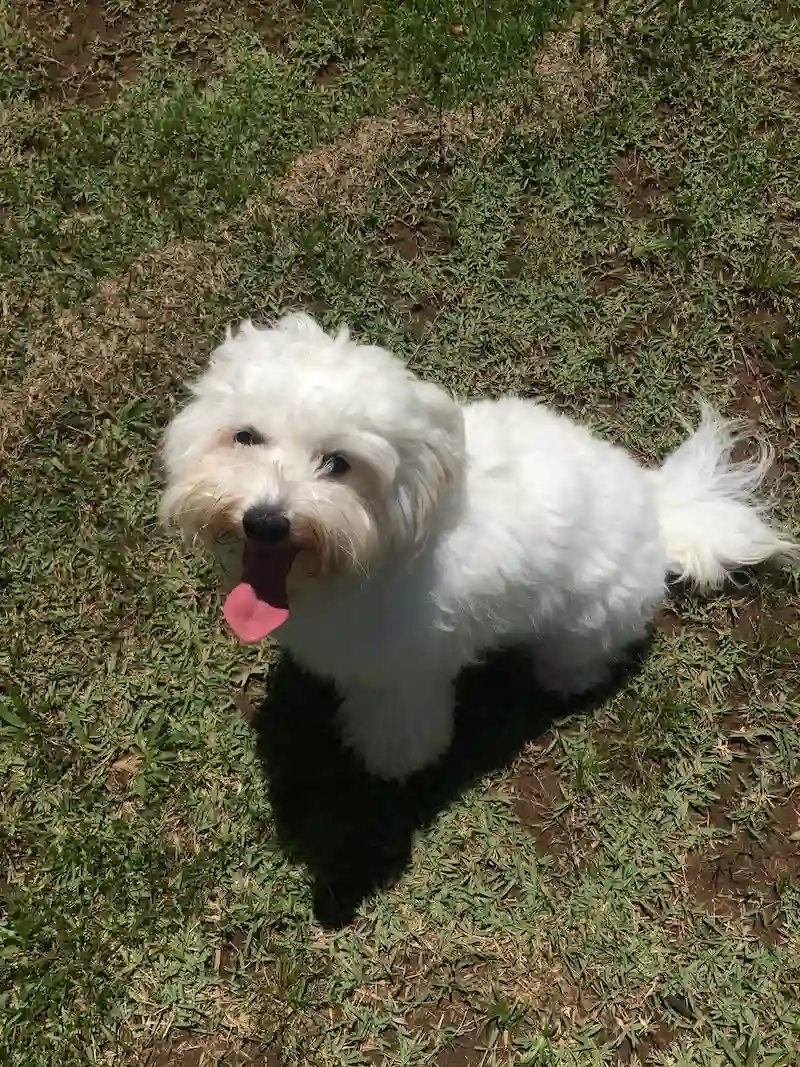 Murphy
 Valtersky
Meet Valtersky & Murphy
FOUNDER OF TEAM SKYTC
At SKYTC, Meet Valtersky & Murphy FOUNDER OF TEAM SKYTCAt SKYTC, cutting-edge pet technology meets real-world testing. We merge Murphy’s hands-on companion trials with Valtersky’s precise analysis—combining over 25 years of structural engineering background with health-tech experience.To guarantee reliability for all breeds, we collaborate with a trusted network of experienced large-breed tutors and active dog handlers who stress-test heavy-duty gear in rugged conditions. We raise the bar for review standards so your best friend gets only the safest, most functional, and highly reliable hardware on the market.
✨ Read also: Top GPS Trackers for Malamute Sled Dogs: Heavy-Duty Field Review for Extreme Conditions
> A deeply technical piece of content that perfectly complements this post — absolutely worth the read.