
You rack up fifty, seventy, or ninety kilometers a week on mountain trails, feeling like an absolute machine, yet your internal skeletal structure might be quietly turning into chalk. If you want to stop endurance running bone loss safely, you need to understand that endless repetitive mileage does not build dense, armored bone—it often leaches it.
Most dedicated endurance athletes assume their high-mileage lifestyle makes their skeletal system indestructible. Then comes the unexplainable shin pain, the deep aching groin stiffness, and the dreaded MRI showing high-grade stress reactions across the tibial cortex or femoral neck.
The standard clinical pipeline will tell you to sit on the couch for eight weeks and pop synthetic calcium pills that do little more than calcify your arteries. That passive approach is a financial and physiological dead end that ruins your hard-earned aerobic capacity.
By implementing a true biological defense protocol, you will protect your structural bone mineral density, eliminate catastrophic downtime, and preserve your ability to crush rugged mountain ultramarathons well into your fifties and sixties without sacrificing speed or joint integrity.
Bio-Available Fuel: The Core Cellular Summary
Here is the reality straight from the diagnostic radiology suite: chronic, high-volume endurance running creates a sustained catabolic environment driven by elevated cortisol, systemic metabolic acidosis, and low energetic availability. When your bloodstream needs calcium to maintain muscle contraction and cardiovascular signaling, it strips those mineral ions directly from your trabecular bone reserves.
Running is repetitive low-amplitude impact; your osteocytes habituate to that exact mechanical frequency within the first ten minutes of a run. Beyond that threshold, extra miles provide zero new osteogenic stimulus while continuing to drain systemic minerals. To armor your skeletal framework, you must introduce multi-planar axial loads, heavy structural resistance, and direct bio-available nutrition like clean red meat and its natural saturated fats to synthesize the collagen matrix required for mineral crystallization.
The Clinical Mechanics: Why Miles Alone Will Not Build Bone
During my five years working as a clinical X-Ray Technician and two years specialized in Computed Tomography (CT scans), I lost count of the number of ultra-runners whose skeletal scans resembled those of sedentary individuals decades older. The cross-sectional CT slices told an undeniable story: cortical thinning, micro-trabecular void spacing, and chronic subclinical microfractures.
Bone adapts exclusively to mechanical strain rate and fluid shear stress inside the canaliculi. When you strike the ground in high-cushion trail shoes for three hours, you are dampening the sharp piezoelectric signal that tells osteoblasts to lay down fresh hydroxyapatite. Without that mechanical trigger and sufficient systemic lipids to transport fat-soluble vitamins, your bone remodeling balance shifts into a permanent net deficit.
| Remodeling Intervention | Piezoelectric Stimulus (Strain Rate) | Trabecular Density Impact | Systemic Catabolic Cost | Gear Investment Tier |
|---|---|---|---|---|
| Heavy Axial Barbell Loading | Maximum (Multi-Vector) | Very High / Structural | Low (Non-Aerobic) | Budget-friendly setup |
| Multi-Directional Plyometrics | High (Rapid Peak Acceleration) | High / Localized | Low | Zero-cost protocol |
| High-Mileage Trail Running Only | Low (Rapidly Attenuated) | Neutral to Negative | Extremely High | Premium tier investment |
| Bargain-Bin Calcium Carbonate | Zero | Negligible | Moderate (Arterial Plaque) | Low-grade consumables |
| Whole Ruminant Meat & Natural Fats | Biochemical Matrix Support | Essential / Systemic | Zero (Anabolic Rebuild) | Nutritional baseline |
The Bare-Metal Trial: Pros, Cons, and Real-World Wear
Navigating the modern endurance hardware and recovery market requires cutting through immense showroom marketing hype. Let us dissect what actually works versus what breaks down under field conditions.
Maximalist Cushion Super-Shoes: The Good: They save your calf musculature and reduce peripheral fatigue during punishing 42km+ mountain events. The Bad: The thick slab of soft foam completely absorbs the sharp ground reaction forces, muting the mechanical signaling your tibia desperately needs to trigger bone thickening, while costing a premium tier investment that wears out after a few hundred miles.
Weighted Tactical Vests for Training: The Good: Instantly increases vertical load during short hiking intervals, spiking the osteogenic stimulus without requiring high running mileage. The Bad: Cheap models feature coarse nylon that abrades trail packs, and low-grade velcro straps snap under heavy sweat, dumping weight unevenly across your thoracic spine.
Clinical Dual-Energy X-Ray Absorptiometry (DEXA): The Good: Gives an exact, diagnostic look at your baseline T-scores across the femoral neck and lumbar spine. The Bad: It provides a 2D density score that often misses localized cortical micro-cracks that only high-resolution CT scans reveal, requiring clinic appointments that drain your training schedule.
The Biomarker Reality: True Stamina Under Pressure
The sports nutrition industry aggressively markets synthetic mineral isolates and energy gels loaded with refined sugars, claiming they fuel endless endurance while keeping you light. On paper, these ultra-processed supplements look like a scientific breakthrough for modern athletes. But deploy them over months of grueling ultra-marathon blocks, and the hard negative reality emerges: chronic gut inflammation, impaired nutrient absorption, and an acidic metabolic state that forces the body to pull alkalizing calcium phosphate straight from your ribs and spine.
Cheap synthetic mineral chelate capsules pass straight through the digestive tract unabsorbed, providing zero biological availability to bone tissue. Marketing claims boast superior bone health from plant-based isolate powders, but without the dense lipid carrier proteins, bio-available heme iron, and essential cholesterol found in natural animal fats, your endocrine system cannot maintain the testosterone and estrogen levels needed to lock calcium into the bone matrix.
The Hypostatical Failure Scenario: The Calorie-Deficit “Clean” Runner
Consider a dedicated executive training for a 100-mile trail race. To hit racing weight, they cut animal fats, rely on ultra-processed vegan energy bars, and pound eighty kilometers a week in ultra-cushioned shoes. They feel light and fast on the trails, completely ignoring the low-grade hormonal suppression creeping in.
Within six months, chronic low energy availability tanks their circulating IGF-1 and sex hormone production. Their osteoclasts begin cannibalizing bone mineral content to fuel basic nerve conduction during long Sunday runs. One morning, on a routine flat descent, a catastrophic sharp pop in the third metatarsal sidelines them for half a year—all because they traded real biological fuel for marketing gimmicks.
👇 Looking for more performance cheats? Check out our field-tested tactical guides:
SkyTC Master Hub & Pillar Guides
The Cut Line: Bare-Metal Execution Checklist
- Stop endurance running bone loss safely with heavy axial squats.
Expert Tip: Loading the spine and hips with heavy, low-rep barbell work creates the axial compression forces that running miles simply cannot replicate. - Fuel skeletal matrix remodeling with clean red meat.
Expert Tip: Clean red meat delivers the exact amino acids, zinc, and bio-available phosphorus needed to build the flexible collagen scaffolding that holds bone minerals together. - Incorporate natural animal fats for steroid hormone synthesis.
Expert Tip: Dietary cholesterol from natural fats is the raw substrate for testosterone and estrogen, the primary hormonal gatekeepers of bone preservation. - Execute multi-directional plyometric jumps twice per week.
Expert Tip: Five minutes of explosive, multi-vector bounding delivers a high strain rate that wakes up dormant osteocytes far better than hours of linear running. - Pair vitamin D3 with bio-available vitamin K2 MK-7.
Expert Tip: Vitamin D3 absorbs calcium from your gut, but vitamin K2 activates osteocalcin to direct that calcium into your skeletal bones rather than your vascular walls. - Ditch low-grade calcium carbonate chalk supplements immediately.
Expert Tip: Inexpensive calcium carbonate has poor bioavailability and frequently ends up calcifying soft tissues rather than integrating into cortical bone. - Rotate out of maximalist foam shoes for short strides.
Expert Tip: Performing short strides on firm grass in low-stack shoes re-introduces the necessary piezoelectric impact signals to your lower leg bones. - Monitor morning resting heart rate for overtraining indicators.
Expert Tip: A sustained elevated resting pulse signals systemic cortisol dominance, a primary biomarker for accelerated bone reabsorption and catabolism. - Eliminate refined seed oils that drive systemic inflammation.
Expert Tip: Industrial seed oils oxidize rapidly, triggering gut permeability that hinders the active absorption of critical bone-building minerals. - Prioritize deep slow-wave sleep for growth hormone output.
Expert Tip: Structural bone turnover and collagen cross-linking peak during deep sleep cycles driven by natural growth hormone pulses. - Schedule routine bone mineral density scans every two years.
Expert Tip: Tracking objective density metrics catches subclinical trabecular thinning long before a bone stress injury forces you off the mountain trails.
Mitochondrial Breakdown: Straight Answers to Biohacking Queries
Why does running long distances fail to build dense bone in the hips and spine?
Because bone responds to the rate of impact, not the duration. Running provides millions of identical, low-force cycles that your body adapts to within minutes. To stimulate the hip and spine, you need heavy, novel mechanical loads like heavy deadlifts or high-velocity jumping that exceed your daily running impact thresholds.
Does chronic endurance running increase the risk of osteopenia in young athletes?
Yes. When training volume outpaces nutritional intake, Relative Energy Deficiency in Sport (RED-S) sets in. High cortisol coupled with suppressed sex hormones accelerates osteoclastic activity, stripping calcium from the skeletal matrix and leaving endurance athletes with osteopenic bone density despite elite cardiovascular fitness.
How does clean red meat specifically protect an athlete’s skeletal system?
Bone is roughly fifty percent protein by volume, structured as a dense collagen matrix. Clean red meat provides an exceptional profile of proline, glycine, bioavailable iron, and zinc, giving your body the exact raw materials required to construct new bone matrix before mineral crystallization can even occur.
Can synthetic calcium pills replace nutrient-dense animal foods for bone density?
No. Isolated calcium supplements are a low-grade fix that lacks the synergistic balance of phosphorus, magnesium, trace minerals, and fat-soluble vitamins. Without the natural fats required to transport these nutrients across cellular membranes, supplemental calcium often circulates freely and settles into arterial walls.
Do high-cushion carbon-plated super-shoes accelerate bone density loss?
They can. Super-foams and curved carbon plates are engineered to disperse impact shock and maximize energy return. While this preserves muscle glycogen, it dampens the sharp ground reaction forces that trigger piezoelectric bone remodeling, effectively shielding the tibia and femur from the micro-strains needed to stay thick.
What is the minimum weekly resistance training required to protect running bones?
Two focused sessions of twenty to thirty minutes per week are plenty. Focus strictly on heavy multi-joint movements: trap-bar deadlifts, barbell front squats, and farmer’s carries. Keep the repetitions low, the weight challenging, and eliminate redundant machine work that provides zero axial spinal load.
How do I differentiate between muscle soreness and an early bone stress injury?
Muscle soreness is diffuse, warms up during low-intensity movement, and responds to massage. A bone stress reaction is pinpoint tender on direct palpation, aches persistently at rest or in bed, and throbs with an unmistakable sharp bite the second your foot strikes hard ground.
Should endurance runners consume dairy or stick to meat for bone health?
If you tolerate it without gut distress, full-fat raw or fermented dairy provides bio-available calcium and vitamin K2. However, if dairy causes systemic inflammation or mucous congestion, clean red meat paired with bone broths and wild fish gives you complete skeletal protection without digestive compromise.
Why Trust SkyTC Biohacking Curation?
At SkyTC, we treat the human body as your most valuable technology. We are not just a recommendation site; we apply a rigorous clinical and practical screening process to ensure that each recommendation optimizes your biology with safety and real-world results.
✓ Technical Expertise:
Clinical experience in Radiology and Tomography (CT scans). We analyze methods through the lens of bone health and structural integrity.
✓ Specialization:
Focus on real-world biohacking. We test every wearable and supplement at the absolute limit of effort during marathons and on the mats.
✓ Authority:
Curation based on absolute transparency, always highlighting both the positive advantages and the real drawbacks of every technology.
✓ Trust:
A curation process built directly on the professional experience of a field practitioner, speaker, and high-performance leader coach.

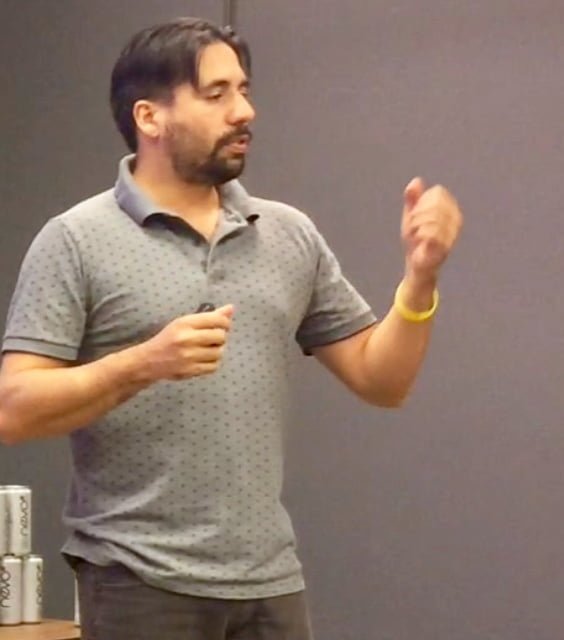


Optimizing the body demands the clinical precision of someone who operated in Radiology (Brazilian Board Certified, CRTR-SP 23595T) for years, combined with the unyielding resilience of someone who conquered multiple 42km+ mountain marathons. As an active professional, multi-pet handler, and tech benchmark researcher, at SkyTC, we bridge advanced technical science with extreme practical environments to help you biohack your active performance, optimize smart pet-tech ecosystems, and protect your structural longevit
Discover my full professional trajectory →✨ Read also: Natural Movement Rules to Wipe Out Knee Tension: Biomechanical Blueprint for High Performers
A deeply technical piece of content that perfectly complements this post — absolutely worth the read.