

You dropped serious cash on a pedigree oranda or a prize black moor, brought them home to a pristine glass tank, and slapped a blaring shop light over the rim. Within two weeks, your crystal-clear water looks like pea soup, black beard algae is carpeting your filter intakes, and your fish spend half the day huddled in the bottom corners terrified of their own shadows. Tracking down the best smart LED lights for goldfish is not about turning your living room into a high-voltage discotheque; it is an absolute biological necessity to preserve circadian health and keep your nitrogen cycle from drowning in decomposing algal sludge.
Goldfish do not have eyelids. Read that sentence twice and let it sink in. When you suddenly flip on a harsh, unbaffled fluorescent tube or a cheap bargain-bin LED strip, you trigger an immediate surge of cortisol, causing your fish to panic, bolt into the glass, and shear off their delicate wens or fin rays.
Between logging miles on my marathon runs and running my hundred-gallon display tank over the last eight years, I have seen every lighting gimmick under the sun wreck tanks. I have watched hobbyists boil their water with unvented fixtures and trigger massive ammonia spikes when scorched algae beds died off overnight.
Dialing in an automated, spectrum-controlled smart light gives your fancy goldfish a gentle, stress-free sunrise ramp, eliminates back-breaking glass scraping, and protects your heavy-bioload ecosystem from light-induced ecological crashes for the next ten years.
The Water Parameter: The Nitrate Cycle
Let us cut straight through the pet-store sales fluff at the counter: light is fuel, and your goldfish tank is swimming in fertilizer. Goldfish are filthy, high-bioload livestock that constantly pump organic waste, nitrates, and phosphates into the water column. If you point a high-PAR plant or reef light at water carrying twenty parts per million of nitrate, you are not lighting a tank—you are literally farming green water and cyanobacteria.
Here is your intake counter verdict with zero fluff: ditch the blinding white stadium lights and lock down an app-controlled fixture with smooth, twenty-minute ramp timers, independent blue-channel cutoffs, and IP67 waterproof encapsulation.
Set your maximum daytime output to no more than forty to fifty percent intensity, restrict your total photoperiod to a strict six or seven hours, and shut the light completely black at night. If you want blue actinic moonlights, look at a saltwater reef; leaving blue diodes running overnight in a goldfish tank stresses your fish, halts melatonin synthesis, and fuels brush algae. End of story.
Smart Lighting Architectures: Field Performance Matrix
| Light Fixture Model | Diode Configuration & Control | App Protocol & Automation | Waterproofing / Ingress Rating | Usable PAR at 18 Inches | Thermal Dissipation Build |
|---|---|---|---|---|---|
| Fluval Plant 3.0 LED | RGB + W + Warm White (5-Channel) | FluvalSmart (Bluetooth Low Energy) | IP67 (Fully Submersion Sealed) | 60 – 80 (Throttled for Goldfish) | Heavy Extruded Aluminum Heatsink |
| Fluval Aquasky 2.0 | Tri-Color RGB + 6500K White | FluvalSmart (Bluetooth Low Energy) | IP67 (Sealed Polycarbonate Shell) | 35 – 50 (Ideal Low-Stress Range) | Ribbed Aluminum Top Plate |
| Chihiros WRGB II Slim | High-Output 3-in-1 RGB Core | My Chihiros App (Bluetooth / WiFi) | IP43 (Splash Resistant Only) | 90 – 120 (Extreme Algae Danger) | Slim Alloy Anodized Frame |
| Current USA Serene Freshwater | RGB + Daylight Array + Sound Hub | Wireless Remote + Bluetooth Module | IP65 (Silicone Coated Array) | 30 – 45 (Moderate Intensity) | Stamped Aluminum Strip |
| Nicrew SmartLED with Controller | Daylight White + 460nm Blue | Wired In-Line Ramp Programmer | IP54 (Moisture Trap Danger) | 40 – 60 (Fixed Preset Spectrum) | Thin Extruded Alloy Casing |
The Bare-Metal Trial: Pros, Cons, and Real-World Wear
Every single light fixture sitting on store shelves makes structural and operational compromises. Let us strip the marketing tags away and look at how these smart setups survive over heavy open-top bioload tanks.
Encapsulated Enterprise Strips (Fluval Aquasky & Plant Series)
The Good: True IP67 engineering. You can accidentally knock this fixture straight into your hundred-gallon tank while doing maintenance, pull it out dripping wet, and it keeps firing without shorting out. The Bluetooth connection does not depend on unreliable home routers, and the custom 24-hour ramp curves allow you to drop the harsh 450nm blue spectrum to zero while preserving warm daylight visual tones.
The Bad: The aluminum top-ribbing gets searingly hot when run above seventy percent power. The FluvalSmart mobile app has a clunky interface that occasionally drops its localized clock settings during sudden household power cuts.
High-Output Aquascaping Bars (Chihiros WRGB Lines)
The Good: Unbelievable color pop. The deep red diodes make calico and red-and-white ryukins look like glowing jewels, and the app allows granular color balance tuning down to a single percentage point.
The Bad: It is a complete algae trap in a standard goldfish tank. The PAR output is entirely too intense for fish without eyelids, and the fixture lacks heavy waterproof sealing; bubbling aerators will crust the exposed diode shields with lime deposits and fry the delicate driver circuits within a year.
Budget Smart Strips with Inline Programmers (Nicrew & Generic Clones)
The Good: Very low initial capital investment, providing basic automated dawn-to-dusk dimming without forcing you to deal with buggy smartphone applications.
The Bad: The inline timer has zero internal battery memory; if your power flickers for two seconds, the clock resets to midnight, turning your lights on at two in the morning and throwing your fish into absolute chaos. The thin acrylic splash guards trap condensation, turning the reflector yellow and foggy.
The Wet-Bench Trial: Real Pump and Media Degradation
A smart light fixture might feature an exquisite, sandblasted aerospace-grade aluminum chassis with chamfered edges right out of the box. BUT suspend that same sleek fixture six inches above an aggressively aerated goldfish tank, and the mechanical reality of your wet bench strikes back with a vengeance.
Heavy goldfish bioloads require massive surface agitation—bubbling sponge filters, high-output spray bars, and churning venturi nozzles. That agitation produces a constant, fine airborne mist loaded with dissolved carbonates, organic nitrates, and fish pheromones. Within six months, that aerosolized soup creeps into unsealed wire glands, corroding internal copper traces and creating capacitive touch failures on the smart controller.
At the same time, high-output LED diodes that lack passive cooling mass suffer from immediate thermal degradation. When internal junction temperatures stay pinned above eighty degrees Celsius, the clear epoxy lenses yellow, the phosphorus coating flakes away, and the output drops by forty percent while shifting spectrum into the exact blue-green band that triggers explosive hair algae.
What started as a premium smart setup degenerates into an uncalibrated, flickering fire hazard that bakes mineral deposits onto your glass lids and cooks the tiny Bluetooth antennas inside the casing.
Hypostatical Failure Scenario: The Blue Moonlight Algae Trap
Picture this classic living room disaster: A keeper buys a sleek, app-controlled smart LED. Thrilled by the “natural lunar cycle” marketing, they program a schedule featuring eight hours of fifty-percent daylight, followed by six hours of rich, deep blue moonlight so they can view their fish late at night from the couch.
They think they are treating their fish to a luxury environment. In reality, that deep blue 450nm wavelength penetrates straight to the bottom of the tank with high photonic energy.
Because fancy goldfish sleep by sinking to the bottom and entering a state of torpor, the continuous blue radiation prevents their optic nerves from resting. The fish spend all night swimming slowly in an anxious haze, suppressing their immune systems and causing digestive stagnation.
Meanwhile, the heavy nitrates from the fish waste interact with the persistent blue photon bath. Within forty-eight hours, *Euglena* flagellates bloom into pea-soup green water. Desperate, the keeper dumps chemical algaecides into the tank. The dying algae cells decompose rapidly, stripping the water column of dissolved oxygen. The keeper wakes up on Saturday morning to find their prized orandas floating lifeless at the surface, suffocated by an avoidable lighting error.
Why the Best Smart LED Lights for Goldfish Prevent Catastrophic Algae Blooms
The tactical cheat code to goldfish keeping is understanding that your lighting schedule must match your biological nutrient ceiling. In an ecosystem loaded with organic compounds, controlling spectral output and PAR (Photosynthetically Active Radiation) is your primary defensive line against ecosystem collapse.
Smart fixtures allow you to dial down the red and deep-blue wavelengths that terrestrial plants use for heavy photosynthesis, leaving just enough clean, high-CRI white light to make the metallic scales and deep velvets of your fish shine. By automating a slow thirty-minute sunrise and sunset curve, you prevent startled flight responses that crack fish heads against glass corners, while locking down a mandatory eight-hour block of pure, pitch-black darkness that keeps your fish’s immune system operating at peak resistance.
Smarter Guides for a Healthier Aquarium
Practical aquarium guides for cleaner water, healthier fish, better filtration, and long-term tank stability.
Eliminate Aquarium Algae Naturally
A practical field guide to controlling aquarium algae naturally while building a healthier and more balanced aquatic environment.
Master Aquarium Water Chemistry and Bio
Learn how to manage water chemistry, biological filtration, and heavy bioload conditions for a more stable aquarium.
Care for Fancy Goldfish in Large Tanks
A detailed guide to creating the right environment, care routine, and tank conditions for fancy goldfish.
Ultimate Guide to Goldfish Tank Filtration
Understand filtration options, flow, media, and maintenance strategies for keeping goldfish tanks clean and stable.
Maintain a 100 Gallon Goldfish Tank
A practical maintenance system for managing a large goldfish aquarium, including cleaning, water changes, and routine care.
Feed Goldfish for Maximum Lifespan
Learn how feeding frequency, food quality, portions, and routine can support healthier and longer-lived goldfish.
The Filter Cycle: Parametric Water Management Checklist
- Program the best smart led lights for goldfish conservatively.
Expert Tip: Cap total white output at forty percent and blue spectrum at five percent to prevent massive nitrate-fueled brush algae outbreaks. - Establish a minimum twenty-minute sunrise and sunset ramp curve.
Expert Tip: Gradual photoperiod transitions prevent sudden optic shock that sends delicate bubble-eye and celestial goldfish crashing into sharp hardscape. - Enforce an unbroken eight-hour total darkness period every night.
Expert Tip: Leaving blue lunar lights on overnight ruins fish circadian rhythms and prevents the restorative metabolic rest required for swim bladder health. - Select only fixtures carrying a certified IP67 ingress rating.
Expert Tip: High-output aeration from sponge filters sends mineral-heavy mist into unsealed diode housings, shorting out non-waterproof boards within months. - Limit the total peak daytime photoperiod to seven hours.
Expert Tip: Any lighting period stretching past eight hours gives fast-growing opportunistic microalgae a metabolic advantage over your biological filtration. - Mount the fixture at least four inches above the waterline.
Expert Tip: Raising the light bar spreads the photon beam evenly across the bottom while keeping hot diode lenses clear of corrosive mineral splash. - Wipe down optical splash shields weekly with distilled water.
Expert Tip: Evaporated mineral crusts refract light unevenly, creating localized heat spikes that can melt plastic lens housings and degrade light spectrum. - Disable gimmicky weather simulations like lightning and passing clouds.
Expert Tip: Random high-frequency strobe effects trigger immediate panic responses in fancy goldfish, spiking cortisol and inducing systemic stress. - Calibrate smartphone app time clocks after every power outage.
Expert Tip: Bluetooth-only fixtures without internal battery backups drift off schedule when unplugged, randomly switching on during the middle of the night. - Balance lighting intensity against weekly water column nitrate readings.
Expert Tip: If weekly nitrates hover above twenty parts per million, cut light intensity by ten percent immediately to prevent green-water blooms. - Inspect aluminum heatsink channels regularly for dust accumulation.
Expert Tip: Clogged cooling fins cause internal LED drivers to overheat, shifting diode color spectrum into algae-promoting wavelengths before dying permanently.
The Goldfish Ecology: Straight Answers to Filtration Queries
Do goldfish actually need specialized smart LED lights to survive?
No. They do not care about fancy apps. What they desperately need is an automated, gradual day-night cycle. Smart lights provide that consistent ramp-up without the blinding shock of a manual toggle switch, protecting their eyes and stress levels.
Can bright lights cause blindness or eye damage in fancy goldfish?
Yes. Varieties like Black Moors, Telescopes, and Celestials have protruding, unshielded retinas with zero eyelids. Blasting them with intense, unbaffled high-PAR diodes can cause permanent corneal scarring, cataract formation, and chronic stress-induced blindness.
Is it safe to run blue moonlight modes throughout the entire night?
Never do it. Blue light at 450nm disrupts fish endocrine systems, halts melatonin production, and fuels aggressive staghorn and cyanobacteria blooms. Nighttime in an aquarium must mean complete, unlit darkness.
Why does my goldfish tank get coated in green algae so fast?
Because you have too much light and too much food. Goldfish waste provides an endless buffet of nitrates and phosphates. If your light runs for ten hours a day at high power, you are running an algae incubator. Cut the time to six hours and drop intensity to forty percent.
What color spectrum looks best on fancy goldfish?
Aim for a high-CRI 6500K daylight base supplemented with warm white and a slight touch of true red. This balance makes orange, red, and calico scales glow brilliantly without washing out the deep velvet blacks on moor varieties.
Will a high-tech planted tank LED hurt my goldfish setup?
Only if you run it at full blast. High-tech fixtures output massive PAR meant to penetrate deep tanks packed with CO2-injected stem plants. Put that over an open goldfish tank without plants, and you will create an unmanageable algae explosion in three days.
How do I stop my smart light from losing its schedule?
Buy fixtures that utilize local internal memory chips or link to dedicated WiFi gateways with cloud-synced time servers. Cheap fixtures that rely purely on live Bluetooth handshakes reset to default timers whenever your phone moves out of range.
Can good lighting enhance the natural colors of a goldfish?
Yes, through biological synthesis and visual rendering. Proper low-stress light stimulates chromatophore cells in the dermis, keeping orange and black pigments vibrant. However, diet and water purity account for eighty percent of color health; light simply reveals it.
🛡️ │ WHY TRUST SKYTC GOLDFISH CARE CURATION?
At SKYTC, we hold aquatic ecosystem biology and biological parameter handling to a rigorous standard. We are not an automated affiliate review engine; we apply hands-on tests and serious filtration engineering workflows to ensure every recommendation guarantees the health and maximum lifespan of your fish with absolute safety.
✓ Engineering:
Structural experience backed by heavy-duty filtration math, continuous hydraulic turnover metrics, and robust mechanical support for large-scale coldwater systems.
✓ Expertise:
Focuse on preventative biological husbandry and premium nutrition. Thoroughly auditing biological media, sinking feeds, and elements that completely neutralize ammonia spikes.
✓ Authority:
Curation signed by real keepers running a balanced 100-gallon display ecosystem for over 8 years, pairing daily practical benchwork with direct wholesale breeder insights.
✓ Trust:
Product selections built on unfiltered transparency—exposing actual electrical draws, heat dissipation issues, and hidden costs before any Amazon recommendations.
📸 Our Journey in the Real World
From daily living room tank turn rates to macro-scale breeding setups.
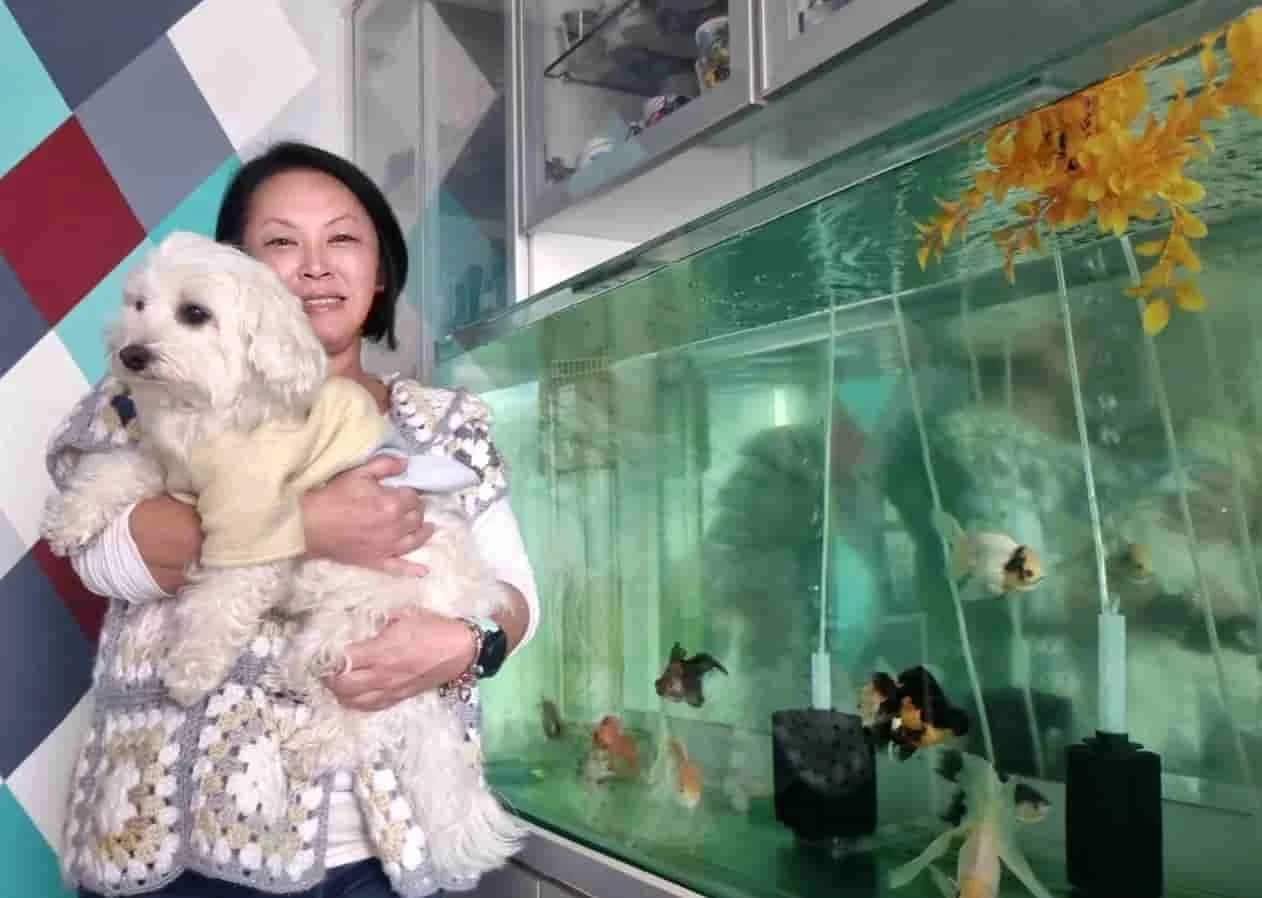
🏠 The 100G Lab
Where we torture test every hardware option, pellet line, and filter layout live.

🏃♀️ Grit & Eye
Marathon endurance meets the precise, millimeter structural focus of a seamstress.
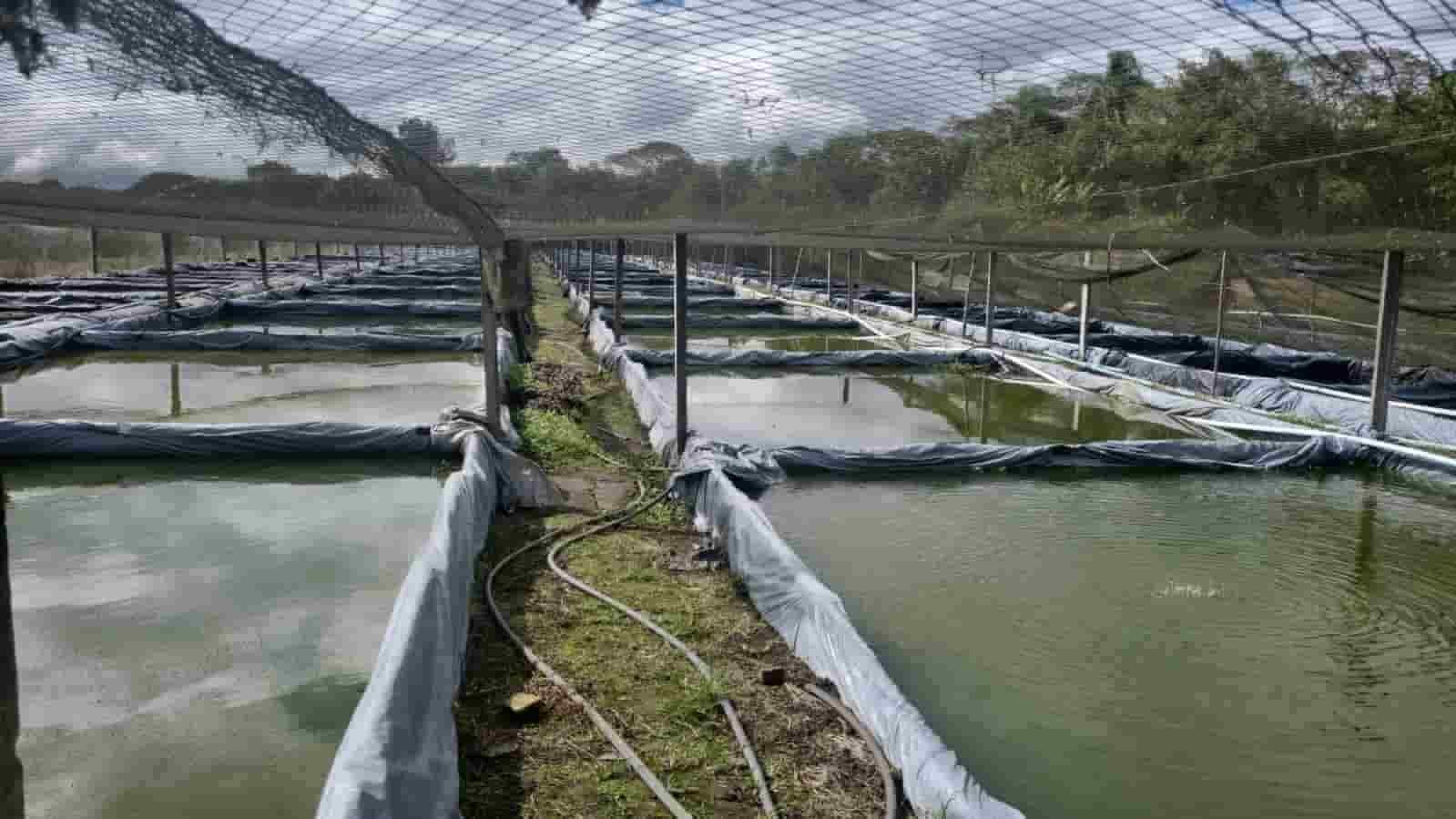
🐳 Monster Vats
Analyzing massive continuous turnovers inside large open-air mud farm vats.
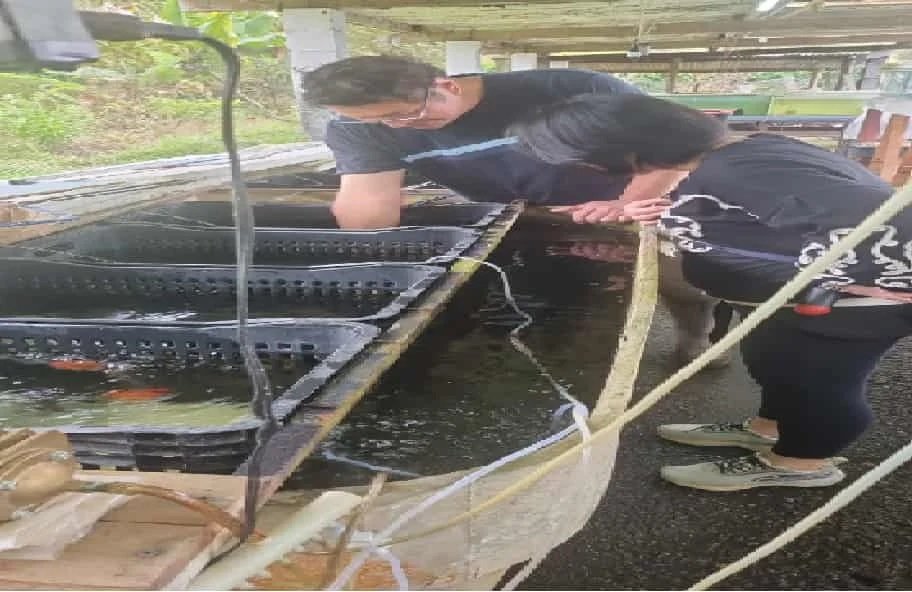
🤝 True Alliances
Working hand-in-hand with regional facility operations to target elite fancy bloodlines.
Read also: How Intake Sponges Protect Bio Media: The Wet-Bench Mechanical Defense Protocol
Unchecked mechanical debris bypass causes severe magnetic shaft friction shearing, leading to immediate canister head pressure loss and catastrophic biological filtration degradation within hours of impeller lockup.