

Understanding how intake sponges protect bio media is the single most critical mechanical separation concept separating thriving aquatic systems from putrid, choked filter chambers. It is late on a Sunday evening, your back is completely shot from scrubbing glass, and you are kneeling on hardwood towels wrestling a forty-pound canister filter that smells like an open industrial sewer. You pop the latches, and instead of clean water flowing past biological ceramic rings, you find a horrifying mass of thick brown sludge smothering every porous surface.
As an endurance runner and seamstress who spends grueling hours at an industrial machine, I demand mechanical efficiency and zero wasted motion. Hauling heavy filter canisters into the bathtub every three weeks to rinse out rotting fish waste is not just miserable physical labor; it is straight-up mechanical suicide for your closed aquatic ecosystem. Beginners buy into sleek advertising, thinking internal mechanical pads will magically handle fifty grams of daily solid waste from heavy-bioload fancy goldfish.
Ditch the delusion that internal filter foam can handle high-density detritus on its own. When you deploy an external intake pre-filter correctly, you eliminate hours of grueling manual filter maintenance, protect your joints from lugging pressurized filtration jugs, and extend the biological lifespan of your expensive sintered glass media indefinitely.
The Water Parameter: The Nitrate Cycle
Here is your tech support counter talk: your biological filter is not a garbage disposal. Heterotrophic bacteria decompose solid fecal matter and uneaten pellets, consuming massive amounts of dissolved oxygen while multiplying fifty times faster than your precious autotrophic nitrifiers. When solid debris enters your canister filter, it covers your porous biological media in a thick, suffocating layer of organic bio-sludge.
The final verdict is uncompromising: smothered bio-media cannot support Nitrosomonas or Nitrospira colonies. The microscopic pores choke solid, oxygenated water bypasses the media channels, and the deep internal biological bed flips into an anaerobic, gas-producing cesspool that crashes your nitrogen cycle overnight. Keep gross solids out of your primary filter chassis entirely, or prepare to watch your biological nitrification collapse under raw organic loading.
Mechanical Interception: How Intake Sponges Protect Bio Media from Sludge Suffocation
The primary physics behind an intake pre-filter comes down to hydraulic surface capture and externalizing maintenance points. When dirty water enters a bare intake pipe, solid particulate waste gets pulverized by the filter’s internal plumbing and compacted directly into the micro-cavities of expensive sintered glass rings, quartz spheres, or ceramic cylinders. High-density sintered media relies on thousands of microscopic interconnected tunnels to host nitrifying bacteria; once those channels fill with rotting organic mucus, the media becomes no more biologically active than a smooth plastic marble.
By securing a reticulated open-cell polyurethane foam block over the suction strainer, you capture solids outside the main filter chassis. You isolate organic waste at the very point of suction where it can be squeezed out in a bucket of tank water during routine glass cleaning in thirty seconds flat. This tactical cheat code keeps your biological media housing pristine, maintaining hydraulic laminar flow and constant dissolved oxygen transfer across the living bacterial biofilm.
| Pre-Filter Media Type | Pore Density (PPI) | Organic Sludge Interception | Hydraulic Flow Restriction | Service Interval | Efficiency Grade |
|---|---|---|---|---|---|
| Coarse Reticulated Foam | 15 to 20 PPI | Moderate (Catches Large Poop) | Extremely Low | 10 to 14 Days | Superior for Goldfish |
| Medium Density Polyurethane | 30 to 35 PPI | High (Catches Silt & Waste) | Moderate | 5 to 7 Days | Optimal High-Bioload Balance |
| Ultra-Fine Polishing Foam | 45 to 60 PPI | Absolute (Traps Micro-Fines) | Severe Under Load | 24 to 48 Hours | Hazardous / Rapid Choke |
| Perforated Stainless Steel Mesh | 250 to 500 Microns | Low (Blocks Plant Leaves Only) | Very Low | varies by model | Fails on Heavy Bioloads |
| Layered Dual-Density Core | 20 / 40 PPI | Very High | Moderate to High | 7 Days | High-Performance Setup |
The Bare-Metal Trial: Pros, Cons, and Real-World Wear
Every mechanical intake barrier has distinct functional flaws when exposed to real-world bioloads. Let us dissect how they hold up under prolonged stress.
Coarse Open-Cell Polyurethane Foam (15–20 PPI)
The Good: Intercepts ninety percent of thick, stringy goldfish feces and decaying plant fragments without choking the pump’s intake suction velocity. The Bad: It lets fine colloidal silt slip past the perimeter, meaning you still need a sacrificial layer of mechanical floss inside the canister bottom tray.
High-Density Closed-Cell Foam (45–60 PPI)
The Good: Polishes water straight at the intake grid, keeping internal canister chambers clean enough to eat off for six months straight. The Bad: It cakes solid with heterotrophic slime within forty-eight hours, crushing intake head pressure and forcing your filter into immediate, noisy cavitation.
Rigid Stainless Steel Wire Strainers
The Good: Completely indestructible, impossible for curious fish to tear apart, and prevents dwarf shrimp or juvenile fry from getting sucked into the rotor blades. The Bad: Mucus-heavy goldfish waste forms an impenetrable organic skin over the wire mesh within days that requires a stiff wire brush to scrub off.
The Wet-Bench Trial: Real Pump and Media Degradation
Canister filter and utility pump manufacturers love marketing massive gallons-per-hour ratings and whisper-quiet operation running through clean factory test loops. But slap that exact same intake assembly onto an un-prefiltered, heavy-bioload aquarium, and you will see precision engineering self-destruct under organic fouling. When fine mechanical sludge bypasses a bare intake, it does not just choke the biological media; it flows straight into the magnetic rotor well, turning into a foul, abrasive paste.
The magnetic impeller relies entirely on cold, clean aquarium water flowing through its central cavity to lubricate the micro-polished ceramic shaft and bleed off inductive motorhead heat. When fine waste slips past the media trays and collects around the rotor, rotational friction spikes dramatically, scoring the brittle ceramic shaft and vibrating the plastic impeller blades against the housing wall. Worse, if a neglected, ultra-dense intake sponge collapses inward under suction, the pump starves for water, driving the motorhead into a thermal runaway that warps dynamic perimeter gaskets and dumps twenty gallons of tank water onto your living room floor.
The Sludge-Choked Bio-Tower Disaster
Consider the typical disaster scenario that plays out in home aquariums everywhere. An ambitious hobbyist sets up a high-end external canister filter, packing every internal media basket with premium-tier porous sintered glass spheres, completely sold on the promise of massive biological surface area. But to preserve clean interior aesthetics, they refuse to install an intake sponge, relying only on the bare slotted plastic pipe that came bundled in the factory box.
Within two months, the heavy waste from three growing orandas continuously pulls through the intake slots, settling inside the canister base. Heterotrophic bacteria explode across the media surfaces, producing a thick, gelatinous brown biofilm that bridges the microscopic tunnels inside the biological glass rings. Dissolved oxygen levels inside the canister drop to zero parts per million, the autotrophic nitrifiers suffocate, and when the keeper finally checks water parameters after finding their fish lethargic at the surface, toxic nitrite has spiked off the chart while the canister motor emits an agonizing, high-pitched mechanical squeal.
Smarter Guides for a Healthier Aquarium
Practical aquarium guides for cleaner water, healthier fish, better filtration, and long-term tank stability.
Eliminate Aquarium Algae Naturally
A practical field guide to controlling aquarium algae naturally while building a healthier and more balanced aquatic environment.
Master Aquarium Water Chemistry and Bio
Learn how to manage water chemistry, biological filtration, and heavy bioload conditions for a more stable aquarium.
Care for Fancy Goldfish in Large Tanks
A detailed guide to creating the right environment, care routine, and tank conditions for fancy goldfish.
Ultimate Guide to Goldfish Tank Filtration
Understand filtration options, flow, media, and maintenance strategies for keeping goldfish tanks clean and stable.
Maintain a 100 Gallon Goldfish Tank
A practical maintenance system for managing a large goldfish aquarium, including cleaning, water changes, and routine care.
Feed Goldfish for Maximum Lifespan
Learn how feeding frequency, food quality, portions, and routine can support healthier and longer-lived goldfish.
The Filter Cycle: Parametric Water Management Checklist
Deploy intake sponges to protect bio media from organic fouling.
Expert Tip: Stopping solid metabolic waste at the water-intake boundary prevents heterotrophic bacteria from outcompeting nitrifying biofilms inside your filter.
Select twenty-pore-per-inch reticulated foam for heavy-waste setups.
Expert Tip: Ultra-fine foams choke too rapidly, causing sudden vacuum drops that starve the main impeller cavity of essential cooling water.
Squeeze intake sponges weekly in discharged water change buckets.
Expert Tip: Never wash pre-filter sponges under chlorinated tap water, or you will incinerate the secondary nitrifying colonies that populate the sponge exterior.
Slide pre-filter sponges over suction pipes with snug friction fits.
Expert Tip: Any loose gap between the intake pipe and the foam core allows high-velocity bypass streams to suck debris directly into the filter.
Monitor filter discharge nozzles daily for sudden pressure loss.
Expert Tip: A decelerating return stream indicates your intake foam has loaded with solids and needs an immediate external wash.
Inspect biological sintered media beds during semi-annual system audits.
Expert Tip: Healthy biological media should smell earthy like rich forest soil; a septic, sulfurous odor indicates gross organic bypass and anaerobic stagnation.
Maintain sacrificial coarse pads ahead of high-surface-area bio-rings.
Expert Tip: Layering mechanical barriers ensures residual micro-fines that slip past the intake sponge are caught before contacting biological media pores.
Shut off the pump before pulling intake sponges for maintenance.
Expert Tip: Pulling an intake sponge while the pump is actively pulling suction sucks a concentrated cloud of dislodged detritus straight down the pipe.
Slip a plastic bag over the sponge before removing it.
Expert Tip: Enclosing the dirty intake sponge underwater inside a collection bag prevents loose detritus from spilling back into your clean display column.
Check the motorhead casing monthly for excessive thermal heat buildup.
Expert Tip: Motor housings that feel hot to the touch indicate intake flow restriction, which rapidly degrades internal epoxy and structural O-rings.
Replace warped or disintegrating intake sponges every twelve months.
Expert Tip: Polyurethane foam degrades under continuous aquatic microbial action; brittle, disintegrating foam fragments will migrate into the pump impeller.
The Goldfish Ecology: Straight Answers to Filtration Queries
Do intake sponges reduce the flow rate of my filter?
Yes, by roughly five to ten percent when clean, and up to fifty percent when clogged with sludge. Using a coarse open-cell foam keeps this restriction negligible while completely protecting your primary biological media beds from organic suffocation.
Can an intake sponge replace the mechanical pads inside my filter?
No. An intake sponge captures large, stringy solids and bulk debris. You still need an internal mechanical pad inside your filter to catch fine suspended silt before water hits your biological media trays.
How often should I clean the intake sponge on a goldfish tank?
Clean it once a week without exception. Goldfish produce enormous amounts of solid waste. Letting an intake sponge sit for weeks turns it into a nitrate factory that restricts water circulation and strains the pump motor.
Will my fancy goldfish try to eat or pick at the intake sponge?
They will constantly graze on it. The foam traps edible micro-particles and grows an external biofilm that goldfish love to pick at. This behavior is completely harmless and actually provides safe foraging activity.
Does an intake sponge harbor beneficial nitrifying bacteria?
It absolutely does. Because it receives a constant stream of oxygen-rich water and raw ammonia, it becomes a potent biological filter. Just never rely on it as your primary biological engine since you must clean it frequently.
Can an intake sponge cause my canister filter to leak?
Indirectly, yes. If an intake sponge chokes completely solid, the canister pump cavitates, creating a negative vacuum that pulls air through hose connections and overheats dynamic O-rings, leading to leaks.
What is the best way to clean an intake sponge without making a mess?
Submerge a small plastic container or bag directly beneath the sponge inside the tank. Slide the sponge off the pipe directly into the container, lift it out, and take it to your wash bucket with zero spilled muck.
Are coarse sponges better than fine mesh strainers for goldfish?
Infinitely better. Fine stainless mesh strainers coat with thick fish mucus and freeze flow within forty-eight hours. Coarse open-cell foam distributes waste over its entire depth, keeping water moving smoothly for up to two weeks.
🛡️ │ WHY TRUST SKYTC GOLDFISH CARE CURATION?
At SKYTC, we hold aquatic ecosystem biology and biological parameter handling to a rigorous standard. We are not an automated affiliate review engine; we apply hands-on tests and serious filtration engineering workflows to ensure every recommendation guarantees the health and maximum lifespan of your fish with absolute safety.
✓ Engineering:
Structural experience backed by heavy-duty filtration math, continuous hydraulic turnover metrics, and robust mechanical support for large-scale coldwater systems.
✓ Expertise:
Focuse on preventative biological husbandry and premium nutrition. Thoroughly auditing biological media, sinking feeds, and elements that completely neutralize ammonia spikes.
✓ Authority:
Curation signed by real keepers running a balanced 100-gallon display ecosystem for over 8 years, pairing daily practical benchwork with direct wholesale breeder insights.
✓ Trust:
Product selections built on unfiltered transparency—exposing actual electrical draws, heat dissipation issues, and hidden costs before any Amazon recommendations.
📸 Our Journey in the Real World
From daily living room tank turn rates to macro-scale breeding setups.

🏠 The 100G Lab
Where we torture test every hardware option, pellet line, and filter layout live.

🏃♀️ Grit & Eye
Marathon endurance meets the precise, millimeter structural focus of a seamstress.
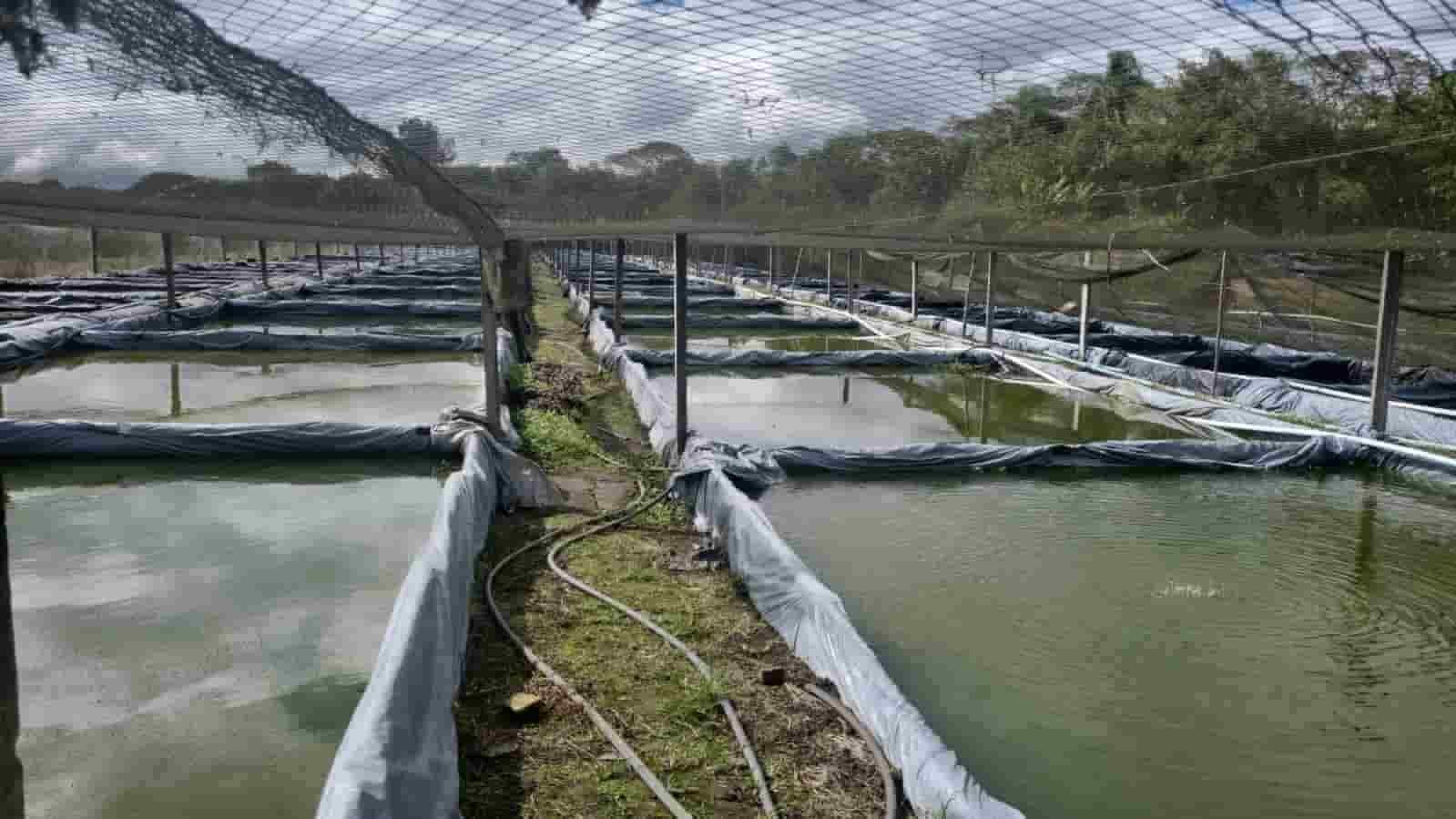
🐳 Monster Vats
Analyzing massive continuous turnovers inside large open-air mud farm vats.
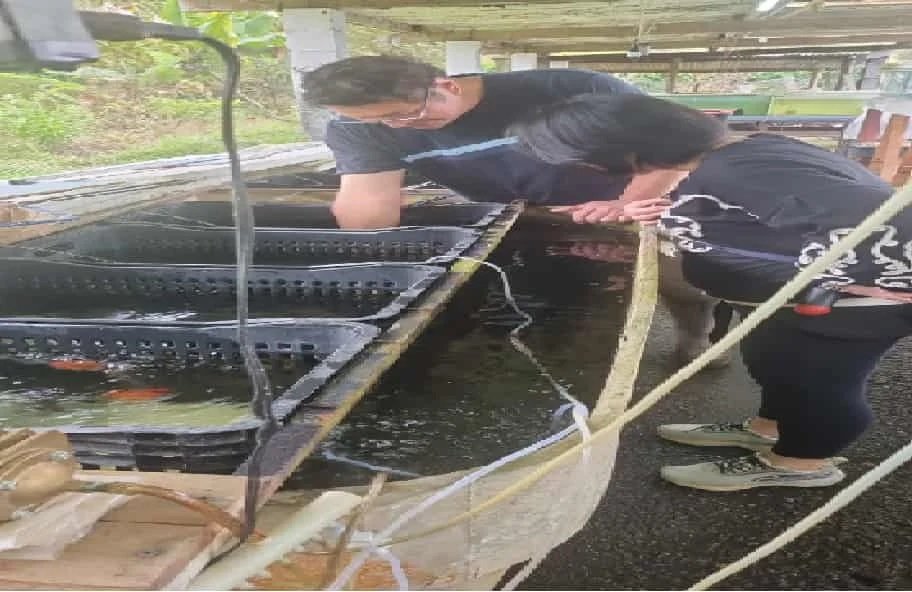
🤝 True Alliances
Working hand-in-hand with regional facility operations to target elite fancy bloodlines.
CRITICAL BENCH WARNING: Unregulated particulate loading past the intake assembly triggers catastrophic canister head pressure loss, severe magnetic shaft friction shearing, and premature biological filtration degradation across closed-loop aquatic systems.