

Seeing morning cortisol spikes push your fasting blood glucose past 105 mg/dL before you even touch breakfast makes half the weekend warriors I coach panic. You prick your finger or glance at a sensor at six in the morning, freak out thinking you are sliding into pre-diabetes, and immediately start buying overhyped “adrenal reset” pills or slashing carbs until your afternoon training crashes into a wall.
Between five years running clinical X-Rays, two years specializing in CT scans, six years trading punches in a kickboxing ring, and slogging through 42-kilometer mountain ultramarathons, I have watched plenty of strong people wreck their stamina chasing bad lab assumptions. Your body is not broken just because your blood sugar climbs at sunrise. That surge is an ancient ignition switch built to get you upright, alert, and moving without stalling out.
Learn the difference between a clean biological cold-start and chronic stress misfires, and you will save high-tier resources on worthless supplements while keeping your joints, hormones, and trail endurance humming for decades.
Bio-Available Fuel: The Core Cellular Summary
If you are squeezing this read between morning calls and your warm-up, here is the straight tech-support counter verdict. At dawn, your brain triggers the Cortisol Awakening Response (CAR) alongside a touch of growth hormone, telling your liver to dump stored glycogen into your bloodstream via gluconeogenesis. In plain English, that is your starter motor cranking fuel into the cylinders before you stand up—known clinically as the Dawn Phenomenon.
A crisp morning bump that settles back down within ninety minutes of sunlight and movement means your wiring works fine. What actually burns out executives and endurance athletes is stacking blue-light doomscrolling, sleep deprivation, and fasted double espressos on top of that natural surge, locking your tissues in sympathetic overdrive and creeping insulin resistance. Skip the plastic adrenal gimmicks, anchor your mornings with outdoor light plus clean red meat and natural fats, and measure real clinical trends instead of panicking over one sunrise reading.
Morning Cortisol and Glucose Tools: Field Spec Comparison
Before throwing resources at another shiny morning biohack, look at how real-world inputs and diagnostic hardware actually perform under physical pressure.
| Morning Input or Hardware | Cortisol & Glycemic Effect | Precision / Bio-Availability | Resource Tier | Bench Verdict |
|---|---|---|---|---|
| Sunrise Light + Clean Red Meat & Eggs | Peaks CAR cleanly, then flattens glucose curve | High (Bioavailable heme iron, cholesterol, B12) | Mid-to-Premium Tier Investment | Tactical cheat code for steady hormones and muscle recovery |
| Fasted Double Espresso + Phone Scrolling | Stacks artificial adrenaline onto dawn surge | Trash (Triggers mid-morning hypoglycemia) | Low-Grade Components | Fast track to wired jitters, gut acid, and 11 AM brain fog |
| Continuous Glucose Monitor (CGM) | None (Diagnostic telemetry only) | Interstitial lag varies by model | High-End Setup | Sharp 14-day diagnostic tool; useless as a permanent lifestyle crutch |
| Capillary Finger-Stick Glucometer | None (Direct blood snapshot) | Strip batch accuracy varies by model | Budget-Friendly Option | Reliable spot-checker when paired with clean, dry hands |
| OTC “Cortisol Blocker” Herb Capsules | Blunts natural morning awakening curve | unreported (Proprietary blends mask dosing) | Bargain-Bin to Mid-Tier | Mostly expensive dirt that leaves you flat-footed before noon |
The Bare-Metal Trial: Pros, Cons, and Real-World Wear
Protocols sound clean inside air-conditioned studios. Run them through cold trail mornings, missed sleep, and brutal deadlines, and the mechanical flaws surface fast.
Clean Red Meat, Natural Fats, and Morning Protein
The Good: Grass-finished steak, burger patties cooked in pure tallow, and whole eggs hand your endocrine system raw cholesterol, zinc, L-carnitine, and stearic acid without spiking insulin. After heavy sparring rounds or long SkyTC mountain climbs, clean red meat and its natural animal fats rebuild battered muscle fibers while holding blood glucose steady for five hours straight.
The Bad: It takes real skillet time, and if years of antacids or rushed breakfasts gutted your stomach acid, dropping a heavy cut of beef into your belly fifteen minutes before hard intervals will sit like wet gravel. You have to eat slow, chew well, and separate dense fat meals from maximum-effort sprints.
Finger-Stick Glucometers vs. Continuous Glucose Monitors
The Good: A solid capillary meter checks actual blood immediately without subcutaneous delay, while a two-week CGM exposes sneaky late-night meal spikes driving ugly sunrise baselines.
The Bad: Cheap bargain-bin test strips drift wildly once humidity sneaks into the vial, and dirty trail fingers ruin readings instantly. Meanwhile, CGM filaments lag ten to fifteen minutes behind real capillary shifts and get ripped right out of your tricep the second a hydration vest strap snags them.
Adaptogen Pills and “Adrenal Reset” Powders
The Good: Standardized evening extracts like ashwagandha can take the edge off wired sympathetic tension when a high-stress executive cannot downshift before bed.
The Bad: Chugging cortisol-suppressing roots at sunrise flattens the natural awakening spike your brain needs for sharp focus and thyroid conversion. Worse, plenty of bargain-bin tubs hide heavy-metal contamination or cheap stimulants that chew up stomach lining.
The Biomarker Reality: True Stamina Under Pressure
Five years behind hospital X-Ray rigs and two years reading CT slices strips away every illusion about “healthy-looking” bodies. You can look lean in running tights and still show visceral fat hugging your liver on a cross-sectional scan because chronic stress cortisol keeps pumping glucose out of storage every night.
Consumer smartwatches love celebrating your “low resting heart rate” after a brutal training block. Yet step onto technical mountain switchbacks while your morning cortisol curve is inverted, and those glossy readiness scores fall flat because optical wrist LEDs cannot measure hepatic insulin resistance or depleted glycogen reserves.
Sensor makers market sweat-proof housings and ruggedized patches for all-weather athletes. However, dried salt crust chews through cheap adhesives by day five, plastic test-strip vials crack in gym bags, and budget lancet springs jam right when your hands are freezing at a trailhead.
Supplement labels boast “clinically studied botanicals” in slick matte jars. But crack the seal and you get under-dosed powder fillers and industrial magnesium stearate that do zero favors for gut absorption. Rely on those capsules instead of fixing sleep and fuel, and by kilometer thirty of a race your legs lock up like rusty hinges.
The 6 AM Espresso Trap: How Driven Pros Fry Their Adrenals
Look at a standard weekday for a hard-charging forty-one-year-old trail runner. He sleeps five choppy hours next to a blinking router, wakes to a harsh phone alarm, and immediately gulps black double espresso on an empty stomach while scrolling urgent work fires.
By seven, his CGM flashes 118 mg/dL, so he panics, skips breakfast completely to “burn fat,” and runs on pure adrenaline until noon. By four in the afternoon his knees ache, his grip strength tanks, and he craves sugar like a stray dog because he starved his engine while slamming the accelerator to the floor.
That crash is not bad genetics or getting old. It is self-inflicted hardware abuse—stacking artificial caffeine spikes onto a dry, sleep-starved nervous system while denying your cells real amino acids and natural animal fats.
Keep exploring
If you found this useful and want to go a little deeper, these related guides explore the same ideas from different angles.
Field-Tested Tactical Guides
Explore practical guides for performance, recovery, metabolism, stress regulation and deeper sleep.
Workshop Protocol: 9 Bench Rules for Morning Cortisol Spikes
Tame morning cortisol spikes with outdoor sunlight first.
Direct dawn photons hit retinal melanopsin receptors to anchor your circadian clock, letting cortisol rise cleanly at sunrise and drop on schedule by nightfall.
Delay morning caffeine for sixty full minutes.
Slamming coffee while adenosine is still clearing and natural cortisol peaks compounds adrenal strain and triggers a hard mid-morning glycemic rebound.
Eat clean red meat and eggs within ninety minutes.
Bioavailable protein, natural saturated fats, and glycine blunt excessive gluconeogenesis without provoking the sharp insulin rollercoaster caused by pastries or oat bowls.
Verify wild CGM readings with a capillary stick.
Subcutaneous interstitial sensors read sluggishly during temperature drops or dehydration. Always cross-check outlier sunrise numbers against fresh fingertip blood before altering your diet.
Hydrate with plain water and sea salt first.
Overnight respiration drains sodium and blood volume, forcing your kidneys to pump stress hormones just to maintain baseline vascular pressure.
Cut late-night blue light and heavy meals early.
Eating dense carbohydrates right before bed keeps insulin and nocturnal cortisol sparring past midnight, which pushes dawn fasting glucose straight into the red.
Pull HbA1c and fasting insulin every six months.
A single high morning reading means nothing without context. Quarterly lab markers expose whether your average cellular glucose clearance is drifting upward or holding tight.
Swap evening HIIT sessions for heavy morning lifts.
Max-effort anaerobic intervals after seven at night keep sympathetic cortisol pinned high past bedtime, wrecking deep slow-wave recovery and inflating next-day liver glucose output.
Walk briskly outside for ten minutes after waking.
Low-grade skeletal muscle contraction opens non-insulin glucose uptake channels immediately, clearing excess morning liver sugar without adding joint wear.
Mitochondrial Breakdown: Straight Answers to Biohacking Queries
Does a 108 mg/dL morning reading mean I am diabetic?
Not automatically. If your HbA1c sits under 5.3% and your fasting insulin stays low, a brief sunrise bump is normal liver fuel release—not broken metabolism.
Should I buy expensive cortisol-lowering supplements?
Keep your resources in your pocket. Most “adrenal support” jars are overpriced root dust that mask poor sleep hygiene and awful caffeine timing.
Does eating steak and fat at breakfast spike blood sugar?
No. Clean red meat and natural animal fats deliver flat, steady cellular energy while handing your body raw steroid-hormone precursors to handle stress cleanly.
Why is my fasting glucose higher after hard trail runs?
Heavy endurance blocks trigger acute inflammation and elevated repair cortisol, pushing your liver to keep extra glucose circulating while muscles restock glycogen.
Are continuous glucose monitors worth wearing every single month?
Waste of high-tier resources. Wear one sensor for fourteen days to audit your habits, ditch the subscription, and check occasional baselines with a cheap capillary meter.
Can cold plunges at dawn lower my morning blood sugar?
Wrong direction. Ice water dumps acute norepinephrine and cortisol into your bloodstream, which spikes liver glucose even higher in the short term.
Does intermittent fasting fix the Dawn Phenomenon?
Usually makes it worse. Skipping food until noon while grinding at work forces your adrenals to pump extra cortisol just to keep blood glucose from tanking.
How long before fixing sleep lowers my morning glucose numbers?
Give it ten to fourteen straight nights of seven-plus hours in a dark, cool room. Once slow-wave sleep stabilizes, dawn cortisol drops right back into range.
Why Trust SkyTC Biohacking Curation?
At SkyTC, we treat the human body as your most valuable technology. We are not just a recommendation site; we apply a rigorous clinical and practical screening process to ensure that each recommendation optimizes your biology with safety and real-world results.
✓ Technical Expertise:
Clinical experience in Radiology and Tomography (CT scans). We analyze methods through the lens of bone health and structural integrity.
✓ Specialization:
Focus on real-world biohacking. We test every wearable and supplement at the absolute limit of effort during marathons and on the mats.
✓ Authority:
Curation based on absolute transparency, always highlighting both the positive advantages and the real drawbacks of every technology.
✓ Trust:
A curation process built directly on the professional experience of a field practitioner, speaker, and high-performance leader coach.
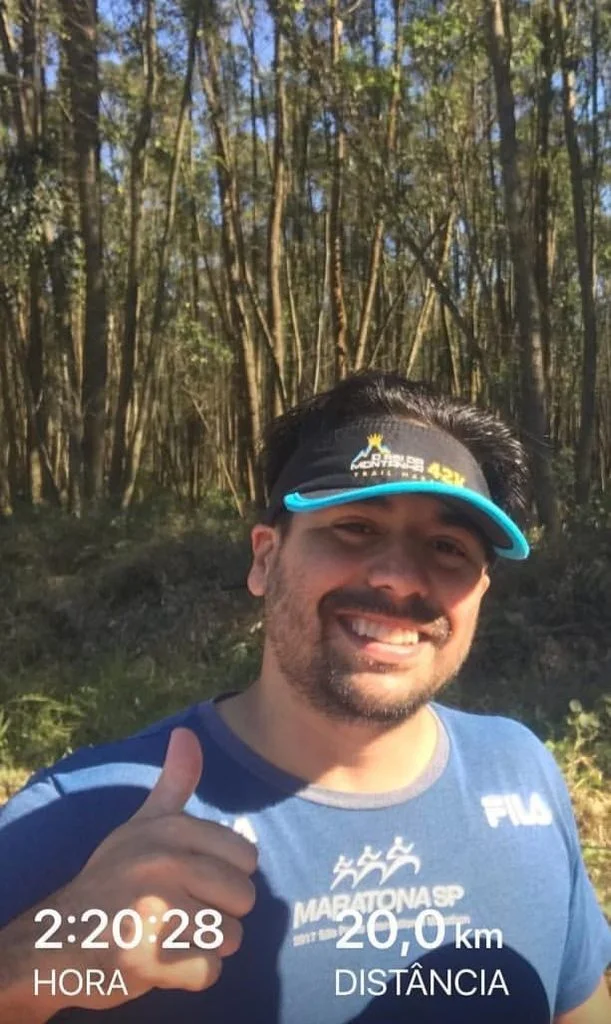



Optimizing the body demands the clinical precision of someone who operated in Radiology (Brazilian Board Certified, CRTR-SP 23595T) for years, combined with the unyielding resilience of someone who conquered multiple 42km+ mountain marathons. As an active professional, multi-pet handler, and tech benchmark researcher, at SkyTC, we bridge advanced technical science with extreme practical environments to help you biohack your active performance, optimize smart pet-tech ecosystems, and protect your structural longevity
Discover my full professional trajectory →Read also: How to Master Metabolic Health: The Bare-Metal Gut and Fuel Guide
Ignoring persistent nocturnal EMF exposure and broken sleep cycles hammers mitochondrial recovery, degrades insulin sensitivity, and turns healthy dawn fuel into chronic stamina crashes.