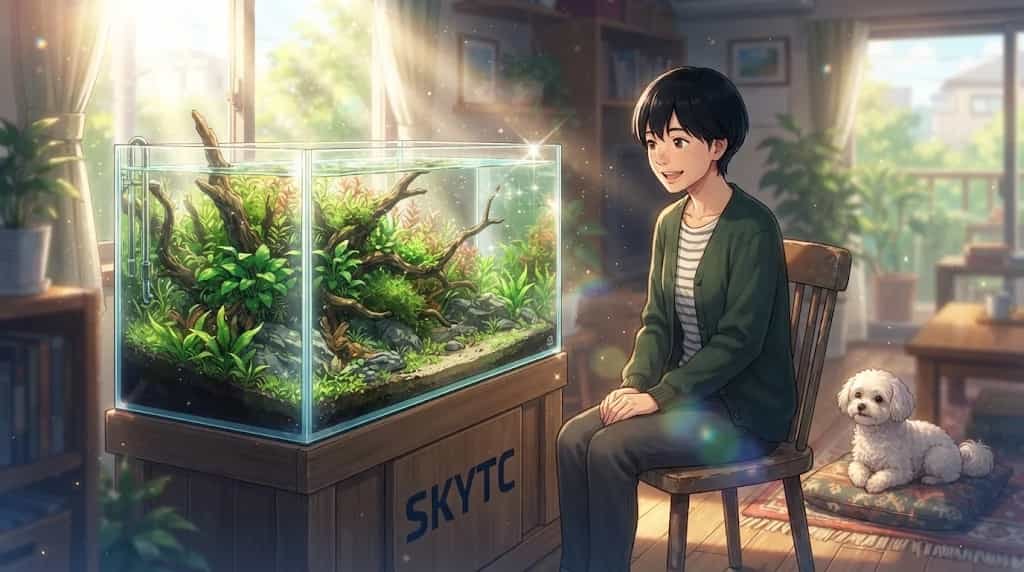
You did everything the pet-shop teenager told you to do, yet your tank looks like spilled skim milk and your fish are gasping at the top. Mastering aquarium water chemistry feels impossible when every plastic bottle on the shelf promises instant miracles while your test numbers keep swinging wildly.
I am Marcia Okabe, an eight-year goldfish keeper and professional seamstress who runs a 100-gallon (400-liter) heavy-bioload display alongside the skytc team. Just like tailoring a tight seam or pacing a long-distance run, stable water relies on exact tolerances and patience rather than cheap shortcuts.
Once you understand how waste converts inside a filter and how minerals buffer your pH, the panic ends. You save hours of frantic bucket-hauling, stop burning cash on useless cartridges, and watch thick-bodied fish thrive for decades.
The Water Parameter Verdict: The Direct Tank Summary
Skip the chemical gimmicks and focus on four hard targets: 0 ppm ammonia, 0 ppm nitrite, nitrates kept below 20–40 ppm through real water changes, and carbonate hardness (KH) above 4 dKH so your pH never crashes overnight.
Pack your filter baskets with high-surface-area sintered glass and coarse 20–30 PPI foam instead of throwaway pads, and aim for an actual loaded turnover of 6x to 10x your tank volume per hour.
Filtration Media & Testing Gear: Technical Comparison
| Component / Media | Primary Function | Surface Area / Spec | Hydraulic Impact | Longevity Tier |
|---|---|---|---|---|
| Sintered Glass Bio-Rings | Deep aerobic & anaerobic colonization | Varies by tank/model | Low head pressure loss | Premium tier investment |
| 20–30 PPI Reticulated Foam | Mechanical trapping + bio-housing | Open-cell pore network | Moderate drag when clogged | Budget-friendly, lasts years |
| Disposable Carbon Cartridges | Short-term odor & tannin stripping | Unreported | High bypass once saturated | Low-grade recurring trap |
| Crushed Coral (Aragonite) | Passive GH and KH mineral buffering | Dissolves based on acidity | Minimal in mesh bags | Low-cost multi-month media |
| Liquid Titration Test Kit | Accurate NH3, NO2, NO3, and KH tracking | Drop-count colorimetry | None (bench diagnostic) | Costing a fraction of replacing sick livestock |
The Tank-Side Trial: Pros, Cons, and Real-World Wear
Pressurized Canister Filters with Heavy Bio-Media:
The Good: Large canisters hold massive volumes of ceramic rings and coarse foam, keeping a crowded 100-gallon goldfish tank crystal clear under brutal feeding schedules.
The Bad: Priming buttons snap off easily on budget units, and if you skip food-grade silicone grease on the motor head O-ring, slow seal drips will warp your cabinet wood.
Liquid Reagent Kits vs. Dip Strips:
The Good: Liquid drops give repeatable ammonia and nitrite readings down to trace levels before fish fins streak with red veins.
The Bad: Shaking nitrate bottle #2 until your arm cramps gets old fast, and expired reagents lie just as badly as wet paper strips.
Mineral Buffering (GH & KH):
The Good: Dropping a mesh bag of crushed coral into a sump keeps carbonate hardness (KH) steady so biological filtration never stalls in soft tap water.
The Bad: Dumping loose aragonite straight into substrate raises pH unevenly and traps rotting fish waste in razor-sharp crevices.
The Wet-Bench Trial: Real Pump, Media, and Parameter Degradation
Throwaway filter cartridges fit neatly into hang-on-back slots and keep store aisles tidy, however, tossing that plastic frame every four weeks throws your entire nitrifying bacteria colony into the trash and triggers a lethal ammonia rebound.
Bargain-bin submersible pumps run whisper-quiet out of the cardboard box during week one, but fine sand grit and hard-water calcium chew through soft plastic impeller shafts within months, seizing the rotor when you are at work.
Manufacturers print huge empty-bucket GPH and LPH flow ratings across the front of every filter box, yet once you lift water four feet up a hose and pack three baskets with bio-media, real hydraulic turnover drops by nearly fifty percent.
All-in-one paper test strips promise five water readings in sixty seconds flat, nevertheless ambient bathroom moisture oxidizes the chemical pads inside the tube and disguises toxic nitrite buildup until fish stop eating.
The Saturday Scrub-Down That Killed the Biofilter
Picture a well-meaning keeper looking at dark brown slime coating their canister sponges on Saturday morning. Assuming dirt equals disease, they carry the foam trays to the kitchen sink and blast them under hot, chlorinated tap water until every pore looks brand-new.
By Tuesday night, the tank turns cloudy gray and the fish hang motionless near the heater. That brown sludge was living Nitrosomonas and Nitrobacter biofilm, and chlorinated hot water sterilized the tank’s biological engine in ninety seconds.
Smarter Guides for a Healthier Aquarium
Practical aquarium guides for cleaner water, healthier fish, better filtration, and long-term tank stability.
Eliminate Aquarium Algae Naturally
A practical field guide to controlling aquarium algae naturally while building a healthier and more balanced aquatic environment.
Master Aquarium Water Chemistry and Bio
Learn how to manage water chemistry, biological filtration, and heavy bioload conditions for a more stable aquarium.
Care for Fancy Goldfish in Large Tanks
A detailed guide to creating the right environment, care routine, and tank conditions for fancy goldfish.
Ultimate Guide to Goldfish Tank Filtration
Understand filtration options, flow, media, and maintenance strategies for keeping goldfish tanks clean and stable.
Maintain a 100 Gallon Goldfish Tank
A practical maintenance system for managing a large goldfish aquarium, including cleaning, water changes, and routine care.
Feed Goldfish for Maximum Lifespan
Learn how feeding frequency, food quality, portions, and routine can support healthier and longer-lived goldfish.
Aquarium Water Chemistry Mastery: 11 Non-Negotiable Bench Rules
Stabilize aquarium water chemistry before adding livestock.
Nitrifying bacteria need steady ammonia and oxygen for weeks to colonize porous media without scorching fish gills.
Measure liquid reagents instead of paper test strips.
Strip pads degrade fast from room humidity and routinely hide early nitrite spikes.
Replace disposable cartridges with coarse reticulated foam.
Open-cell 20 to 30 PPI sponge traps heavy waste while housing bacterial colonies for years. Rinsing it gently in siphoned tank water keeps your biological engine intact.
Buffer carbonate hardness to prevent pH crashes.
Nitrification consumes carbonates daily, so depleted KH leaves your water acidic and halts bacterial metabolism overnight.
Lubricate canister O-rings during every media inspection.
Dry EPDM rubber flattens under head pressure and draws air into the impeller chamber, breaking prime or leaking onto hardwood floors.
Oversize biological filtration for heavy-bioload goldfish.
Goldfish lack true stomachs and excrete constant raw ammonia that overwhelms standard community-tank filter ratings.
Dechlorinate replacement water before refilling the display.
Municipal chloramines burn protective slime coats and strip active outer biofilm off your ceramic media.
Strip trapped organic detritus from mechanical sponges weekly.
Rotting feces inside sealed canisters fuel heterotrophic blooms and drive severe nitrate spikes regardless of pump speed.
Calculate actual loaded flow rather than box ratings.
Vertical head height, tight hose elbows, and packed bio-baskets cut factory GPH claims roughly in half.
Quarantine new wet-pets in bare-bottom observation tanks.
Adding unvetted fish straight to display water introduces gill flukes and bacterial infections across your entire stock.
Inspect magnetic impeller shafts for scoring every quarter.
Fine substrate grit grinds plastic sleeves off-center, spiking heat output and stalling circulation without warning.
The Goldfish Ecology: Straight Answers to Filtration & Care Queries
Can I cycle a tank in 24 hours with bottled bacteria?
No. Most shelf-stable bottles contain dormant spores or dead sludge that still require two to four weeks to anchor and multiply under real ammonia loads.
Why is my water still cloudy even with a giant filter?
White bacterial blooms happen when ammonia outpaces your biofilter or when rotting food feeds free-floating heterotrophic bacteria. Stop feeding for three days and test your ammonia immediately.
Do I need to chase an exact 7.0 neutral pH?
Quit dumping pH-Up and pH-Down acids into your tank. Goldfish handle anything from 6.8 to 8.0 comfortably as long as your KH keeps that number rock-steady.
Are hang-on-back cartridges really a waste of money?
Yes, they are engineered to make you buy replacements monthly. Rip out the carbon pouch, stuff the box with cut 20 PPI sponge and bio-rings, and never buy another cartridge.
How often should I actually rinse my biological media?
Only swish ceramic rings in a bucket of old tank water every few months when sludge restricts flow. Mechanical sponges get squeezed out weekly; bio-rings get left alone.
Why do my fish gasp right after a large water change?
You either forgot dechlorinator or swung the temperature and dissolved gas levels too fast. Match tap temperature with your hand and dose conditioner for the full tank volume before refilling.
Is activated carbon necessary for healthy water chemistry?
Not for daily operations. Save carbon exclusively for pulling out residual fish medications or yellow driftwood tannins, then pull it out once the water clears.
How much filtration turnover does a goldfish tank actually need?
Run at least 6x to 10x tank volume per hour in actual loaded flow, backed by massive biological surface area. Under-filtering heavy waste producers guarantees chronic fin rot and stunted growth.
🛡️ │ WHY TRUST SKYTC GOLDFISH CARE CURATION?
At SKYTC, we hold aquatic ecosystem biology and biological parameter handling to a rigorous standard. We are not an automated affiliate review engine; we apply hands-on tests and serious filtration engineering workflows to ensure every recommendation guarantees the health and maximum lifespan of your fish with absolute safety.
✓ Engineering:
Structural experience backed by heavy-duty filtration math, continuous hydraulic turnover metrics, and robust mechanical support for large-scale coldwater systems.
✓ Expertise:
Focuse on preventative biological husbandry and premium nutrition. Thoroughly auditing biological media, sinking feeds, and elements that completely neutralize ammonia spikes.
✓ Authority:
Curation signed by real keepers running a balanced 100-gallon display ecosystem for over 8 years, pairing daily practical benchwork with direct wholesale breeder insights.
✓ Trust:
Product selections built on unfiltered transparency—exposing actual electrical draws, heat dissipation issues, and hidden costs before any Amazon recommendations.
📸 Our Journey in the Real World
From daily living room tank turn rates to macro-scale breeding setups.
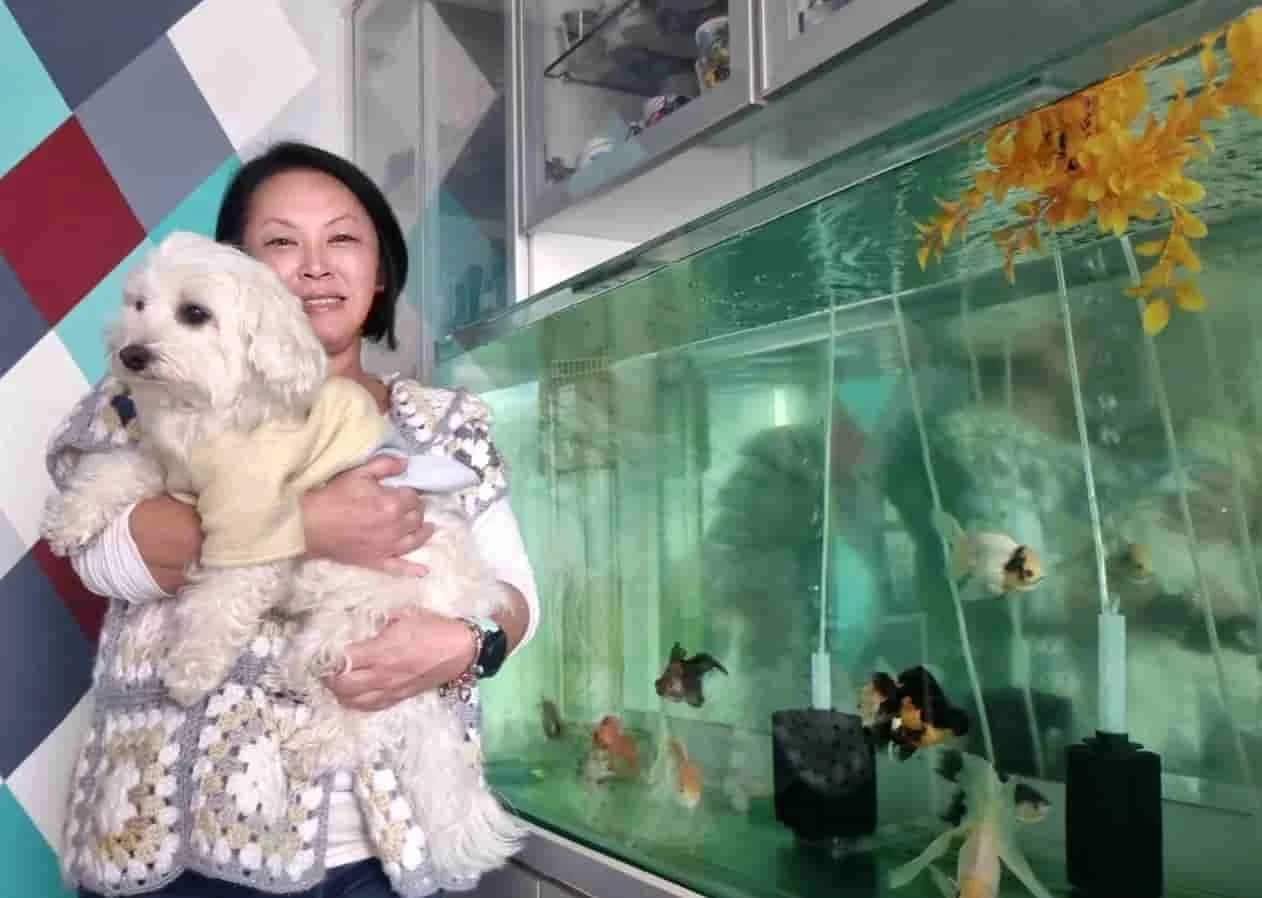
🏠 The 100G Lab
Where we torture test every hardware option, pellet line, and filter layout live.
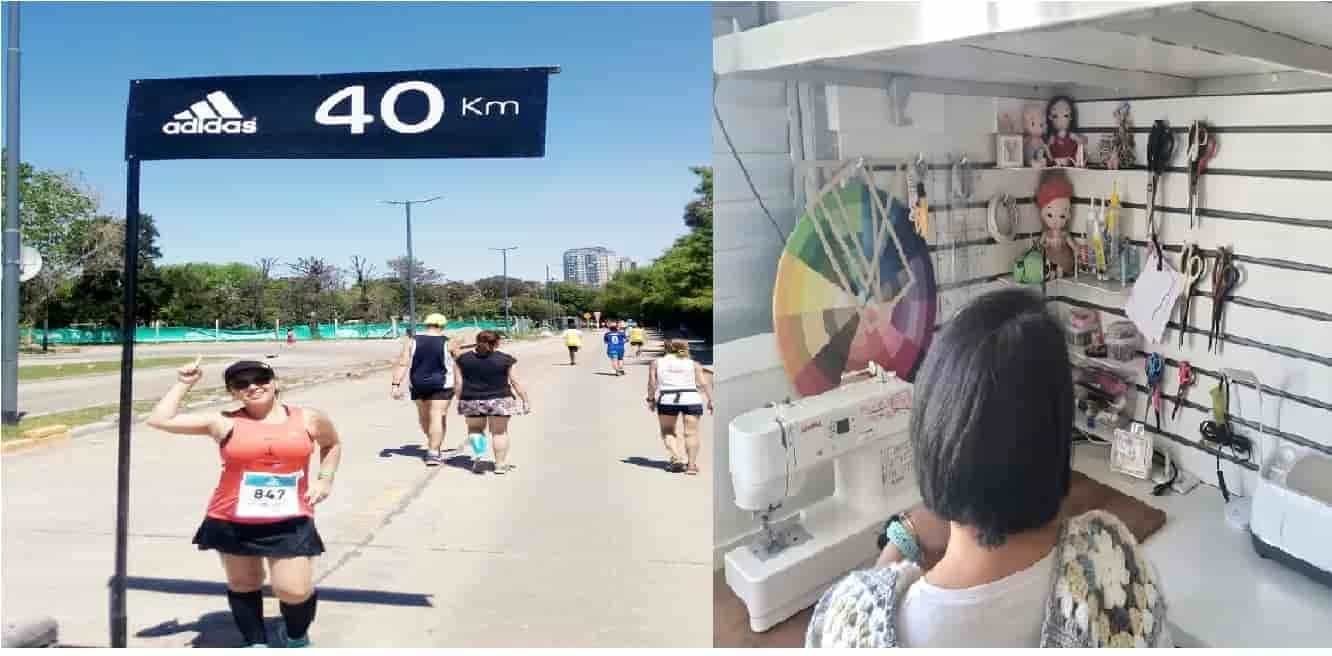
🏃♀️ Grit & Eye
Marathon endurance meets the precise, millimeter structural focus of a seamstress.
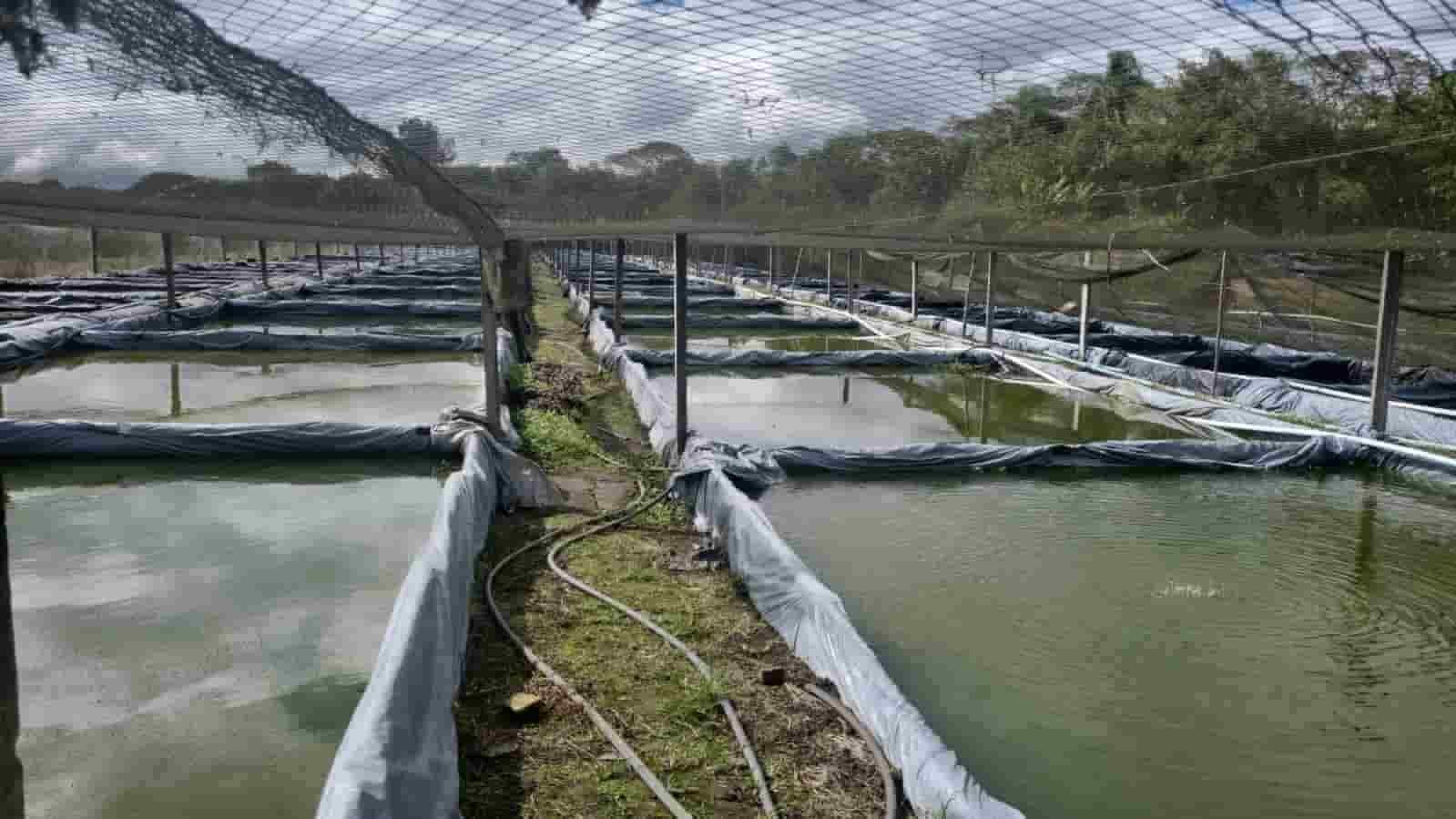
🐳 Monster Vats
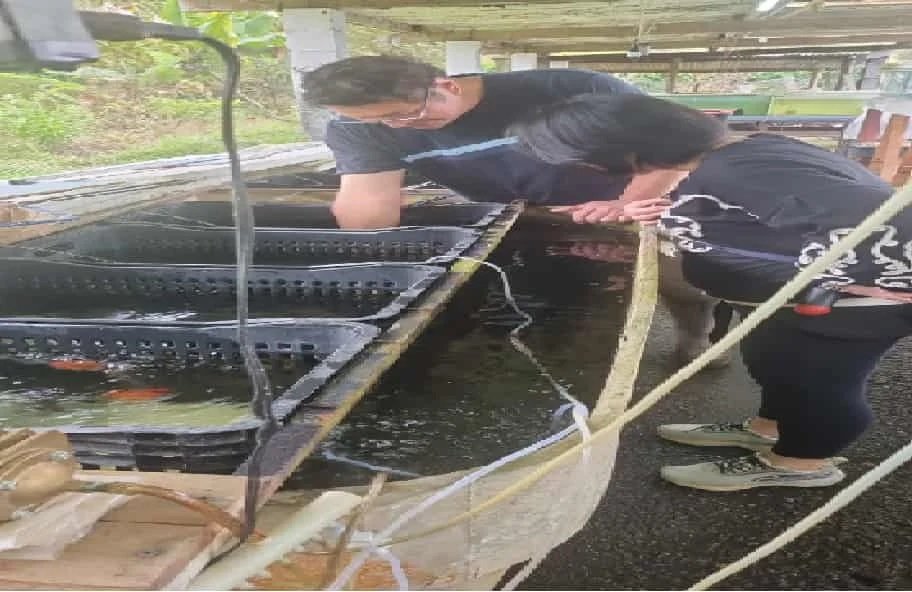
Analyzing massive continuous turnovers inside large open-air mud farm vats.
🤝 True Alliances
Working hand-in-hand with regional facility operations to target elite fancy bloodlines.

Why Fishless Cycling Beats Adding Starter Fish First
Walking out of a pet store with a plastic bag of “hardy starter fish” feels like step one of the hobby, right up until their fins shred and the water turns milky gray. Switching to fishless cycling eliminates that frantic morning ritual of netting dead fish out of toxic, unestablished water. I am Marcia Okabe,…
How to Master Aquarium Water Chemistry and Bio: The Heavy-Bioload Guide
You did everything the pet-shop teenager told you to do, yet your tank looks like spilled skim milk and your fish are gasping at the top. Mastering aquarium water chemistry feels impossible when every plastic bottle on the shelf promises instant miracles while your test numbers keep swinging wildly. I am Marcia Okabe, an eight-year…