
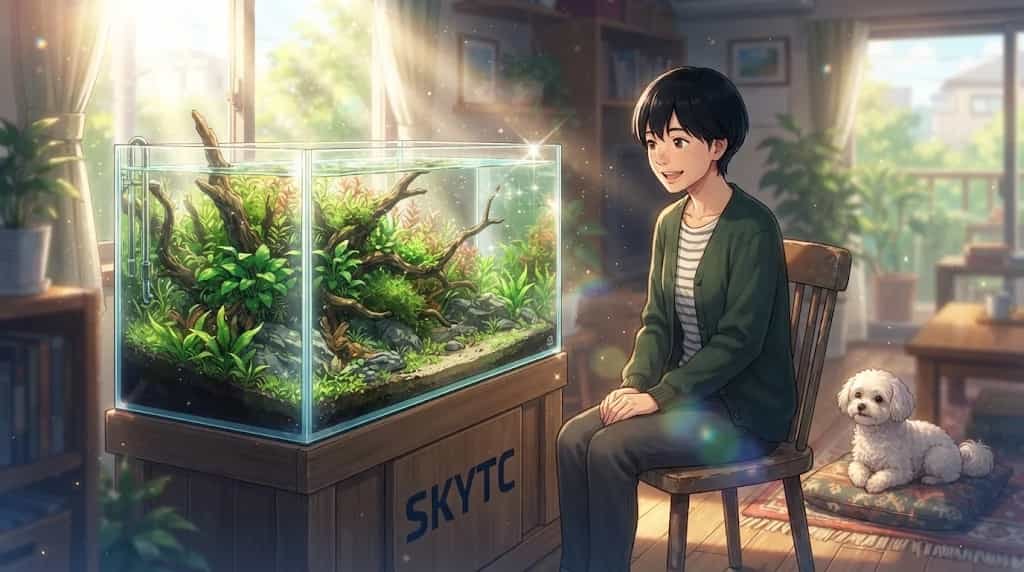
Walking out of a pet store with a plastic bag of “hardy starter fish” feels like step one of the hobby, right up until their fins shred and the water turns milky gray. Switching to fishless cycling eliminates that frantic morning ritual of netting dead fish out of toxic, unestablished water.
I am Marcia Okabe, an eight-year goldfish keeper and professional seamstress maintaining a 100-gallon (400-liter) heavy-bioload display alongside the skytc team. Just like basting a structured garment before running the final stitch or pacing a marathon cleanly, growing a biological filter takes controlled prep work rather than reckless shortcuts.
Once you build your bacterial engine before buying livestock, you save weeks of panic water changes and keep your budget away from gimmicky bottled cures. Your future goldfish enter a mature, oxygen-rich system ready to handle real waste from day one.
The Water Parameter Verdict: The Direct Tank Summary
Skip the old-school myth of sacrificing cheap danios or feeder comets to break in a new aquarium. Dose 2 to 4 ppm of pure ammonium chloride into an empty, heavily filtered tank while running warm water and strong aeration.
Your system is ready for livestock only when a fresh 2 ppm ammonia dose converts completely to 0 ppm ammonia and 0 ppm nitrite within 24 hours, backed by stable KH buffering and heavy porous bio-media.
Cycling Methods & Bio-Setup: Technical Comparison
| Cycling Method / Input | Ammonia Precision | Bio-Filter Stability | Livestock Stress Risk | Resource / Gear Tier |
|---|---|---|---|---|
| Pure Ammonium Chloride | Exact drop-by-drop ppm dosing | High capacity for heavy bioloads | Zero livestock exposed | Budget-friendly precision option |
| Starter “Hardy” Fish | Erratic waste spikes | Under-sized for future stock | Severe gill burn & organ damage | Costing more in meds & dead fish |
| Ghost-Feeding Fish Flakes | Slow, uneven decomposition | Moderate, fouls mechanical pads | Zero livestock exposed | Low-grade messy workaround |
| Seeded Media Transfer | Varies by tank/model | Immediate partial colonization | Parasite hitchhiker risk if unvetted | Costing a fraction of replacing sick livestock |
| Bottled Bacteria Alone | Unreported without ammonia source | Rapid starvation without food | High crash risk on day five | Low-grade shelf gamble |
The Tank-Side Trial: Pros, Cons, and Real-World Wear
Pure Liquid Ammonia Dosing:
The Good: Lets you dial in an exact 3 ppm ammonia load that trains your biofilter to handle messy adult goldfish before a single fin touches the water.
The Bad: Accidentally overdosing past 5 ppm stalls nitrite-oxidizing bacteria completely, forcing you to drain half the tank just to restart growth.
Heavy-Media Canister Cycling:
The Good: Packing large trays with sintered glass and coarse 20–30 PPI foam builds massive surface area capable of scrubbing heavy nitrogen loads.
The Bad: Cracking open a canister repeatedly to check media early pinches dry motor head O-rings and causes slow cabinet leaks if you forget silicone lubricant.
Ghost-Feeding Dry Pellets or Flakes:
The Good: Uses leftover food already sitting in your drawer without hunting down reagent-grade ammonium chloride.
The Bad: Rotting starch coats filter hoses in gray fungus, clogs fine pre-filter sponges, and hides exact ammonia output until decay peaks unpredictably.
The Wet-Bench Trial: Real Pump, Media, and Parameter Degradation
Disposable hang-on-back cartridges look tidy out of the starter box and slide straight into narrow plastic slots, however, swapping out that coated pad after four weeks strips away every budding nitrifying colony and drops your cycle back to square one.
Bargain-bin submersible pumps spin quietly in clean tap water on setup night, but decaying food mush from ghost-feeding and fine sand dust score cheap plastic impeller shafts, jamming rotor blades when bacterial slime thickens.
Filter boxes advertise massive empty-bucket GPH and LPH turnover numbers across shiny packaging, yet loading baskets with real biological rings and lift hoses cuts actual hydraulic flow in half and starves deep bacteria of dissolved oxygen.
Shelf-stable “instant cycle” bottles promise safe fish introduction within twenty-four hours, nevertheless summer warehouse heat kills fragile liquid bacteria in transit and leaves uncycled tanks swimming in lethal nitrite.
The “Hardy Starter Fish” Weekend That Crashed the Tank
Imagine setting up a sparkling new aquarium on Friday evening and buying six cheap feeder goldfish because a store clerk said they “toughen up the water.” You drop them in, feed them generously twice a day, and admire how active they look.
By week two, invisible nitrite shoots off the purple end of the liquid chart, locking hemoglobin inside their blood so they suffocate in oxygenated water. Even the survivors carry permanent gill scarring and internal flukes straight into your expensive display stock later.
Smarter Guides for a Healthier Aquarium
Practical aquarium guides for cleaner water, healthier fish, better filtration, and long-term tank stability.
Eliminate Aquarium Algae Naturally
A practical field guide to controlling aquarium algae naturally while building a healthier and more balanced aquatic environment.
Master Aquarium Water Chemistry and Bio
Learn how to manage water chemistry, biological filtration, and heavy bioload conditions for a more stable aquarium.
Care for Fancy Goldfish in Large Tanks
A detailed guide to creating the right environment, care routine, and tank conditions for fancy goldfish.
Ultimate Guide to Goldfish Tank Filtration
Understand filtration options, flow, media, and maintenance strategies for keeping goldfish tanks clean and stable.
Maintain a 100 Gallon Goldfish Tank
A practical maintenance system for managing a large goldfish aquarium, including cleaning, water changes, and routine care.
Feed Goldfish for Maximum Lifespan
Learn how feeding frequency, food quality, portions, and routine can support healthier and longer-lived goldfish.
Fishless Cycling Mastery: 11 Non-Negotiable Bench Rules
Start fishless cycling with pure ammonia before buying livestock.
Dosing clear ammonium chloride builds dense nitrifying colonies inside porous filter media without scorching fish gills or stunting growth.
Verify zero surfactants on your ammonia bottle.
Foaming household cleaners contain detergents and fragrances that strip bacterial membranes on contact.
Cap initial ammonia dosing below five parts per million.
Excessive concentrations above 5 ppm inhibit nitrite-oxidizing bacteria and stall your cycle in an endless purple nitrite phase.
Maintain high dissolved oxygen across all filter media.
Autotrophic nitrifiers burn steady oxygen while converting waste, so weak surface ripple suffocates biofilm growth.
Test carbonate hardness weekly during active cycling.
Biological oxidation consumes KH daily, crashing pH below 6.0 and putting bacterial reproduction to sleep.
Heat cycling water slightly above normal goldfish temperatures.
Running an empty tank around 78 to 80 degrees Fahrenheit accelerates bacterial cell division without stressing coldwater fish.
Keep disposable carbon cartridges out of cycling filters.
Stuffing filter chambers with permanent 20 PPI sponge and ceramic rings prevents tossing live biofilm next month.
Avoid ghost-feeding flaky starch foods to create ammonia.
Rotting food mush feeds messy heterotrophic fungus and clogs small pump impellers. Liquid ammonia drops give clean, predictable dosing.
Lubricate canister head O-rings before sealing the loop.
Dry EPDM rubber flattens under suction pressure, pulling micro-bubbles into the impeller well and shearing wet-bench prime.
Confirm full oxidation within twenty-four hours before stocking.
Wait until a 2 ppm ammonia dose clears completely to zero ammonia and zero nitrite overnight before adding heavy-bioload goldfish.
Perform a massive water change after the cycle finishes.
Fishless oxidation accumulates heavy nitrate readings above 80 ppm that must be diluted before introducing livestock.
The Goldfish Ecology: Straight Answers to Filtration & Care Queries
Is cycling with sacrificial feeder goldfish ever acceptable?
No. Using cheap fish as disposable ammonia pumps burns their gills, stunts internal organs, and imports parasites into your clean setup.
How long does fishless cycling actually take from scratch?
Expect four to six weeks for brand-new media to oxidize both ammonia and nitrite reliably. Anyone promising a complete biological cycle in 48 hours is selling snake oil.
Can seeded sponge media from an established tank skip the wait?
Yes, transferring wet bio-sponge from a disease-free tank cuts cycling down to days. Just test it with a 2 ppm ammonia challenge first to prove the colony survived the move.
Why did my nitrite test suddenly stay bright purple for two weeks?
Nitrite-oxidizing bacteria multiply much slower than ammonia-eating bacteria. Keep oxygen high, verify your KH is above 4 dKH, and quit adding extra ammonia daily while nitrite is sky-high.
Should I do water changes while running a fishless cycle?
Skip routine water changes unless ammonia exceeds 5 ppm, nitrite pegs off the chart, or your pH drops below 6.5. Save the big flush for the day the cycle finishes.
Do live plants ruin a fishless ammonia cycle?
Fast-growing stem plants absorb ammonium directly and hide how much work your filter is actually doing. Cycle bare-media first if you want hard proof your filter handles heavy goldfish waste.
Can bottled bacteria starter products replace ammonia dosing?
No. Bacteria in a bottle still starve to death without an active ammonia food source inside the tank.
How many goldfish can I add once the cycle finishes?
Because a 2 to 3 ppm fishless cycle builds a massive bacterial base, you can safely stock your planned group at once instead of trickling fish in slowly—provided your tank size and GPH turnover actually fit them.
🛡️ │ WHY TRUST SKYTC GOLDFISH CARE CURATION?
At SKYTC, we hold aquatic ecosystem biology and biological parameter handling to a rigorous standard. We are not an automated affiliate review engine; we apply hands-on tests and serious filtration engineering workflows to ensure every recommendation guarantees the health and maximum lifespan of your fish with absolute safety.
✓ Engineering:
Structural experience backed by heavy-duty filtration math, continuous hydraulic turnover metrics, and robust mechanical support for large-scale coldwater systems.
✓ Expertise:
Focuse on preventative biological husbandry and premium nutrition. Thoroughly auditing biological media, sinking feeds, and elements that completely neutralize ammonia spikes.
✓ Authority:
Curation signed by real keepers running a balanced 100-gallon display ecosystem for over 8 years, pairing daily practical benchwork with direct wholesale breeder insights.
✓ Trust:
Product selections built on unfiltered transparency—exposing actual electrical draws, heat dissipation issues, and hidden costs before any Amazon recommendations.
📸 Our Journey in the Real World
From daily living room tank turn rates to macro-scale breeding setups.
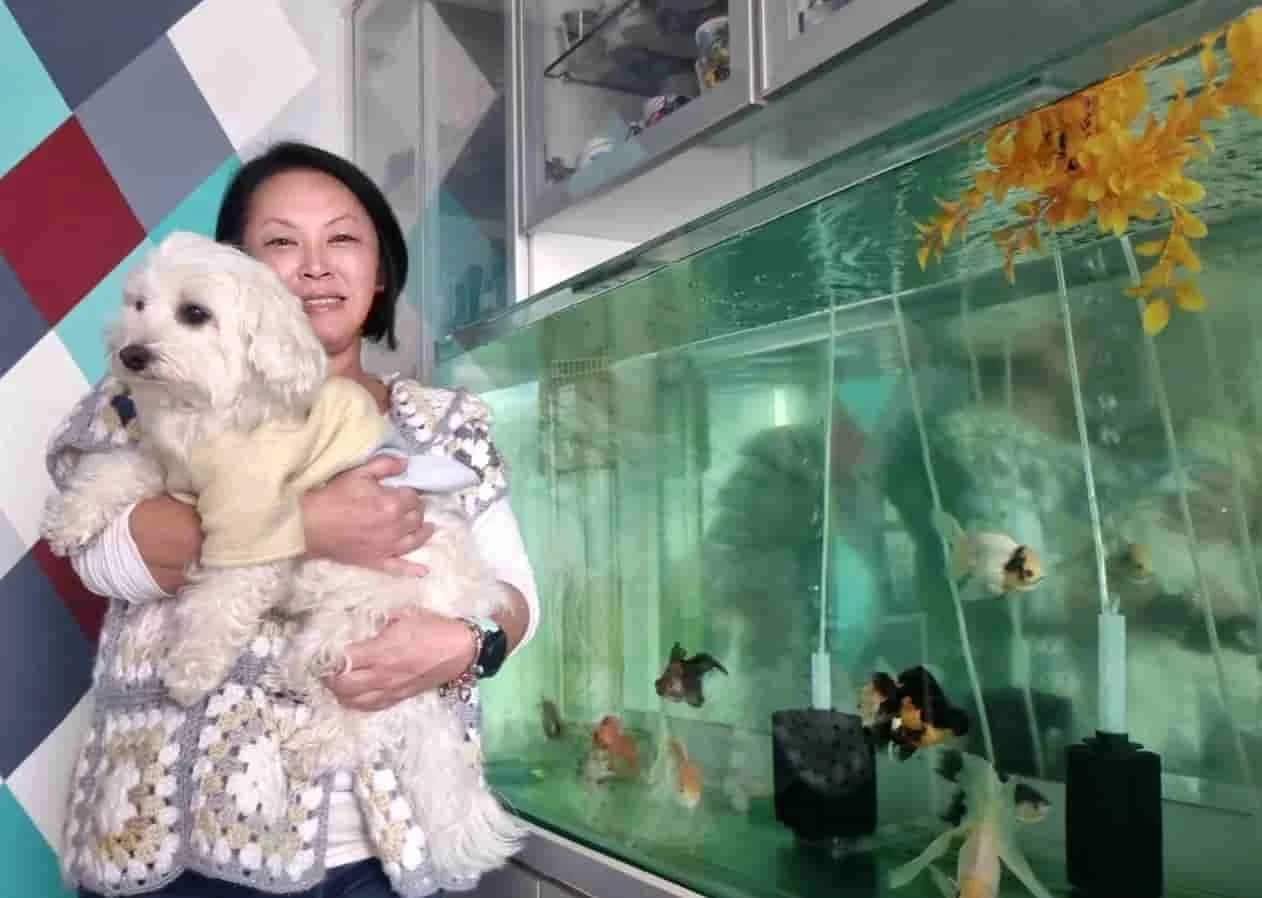
🏠 The 100G Lab
Where we torture test every hardware option, pellet line, and filter layout live.
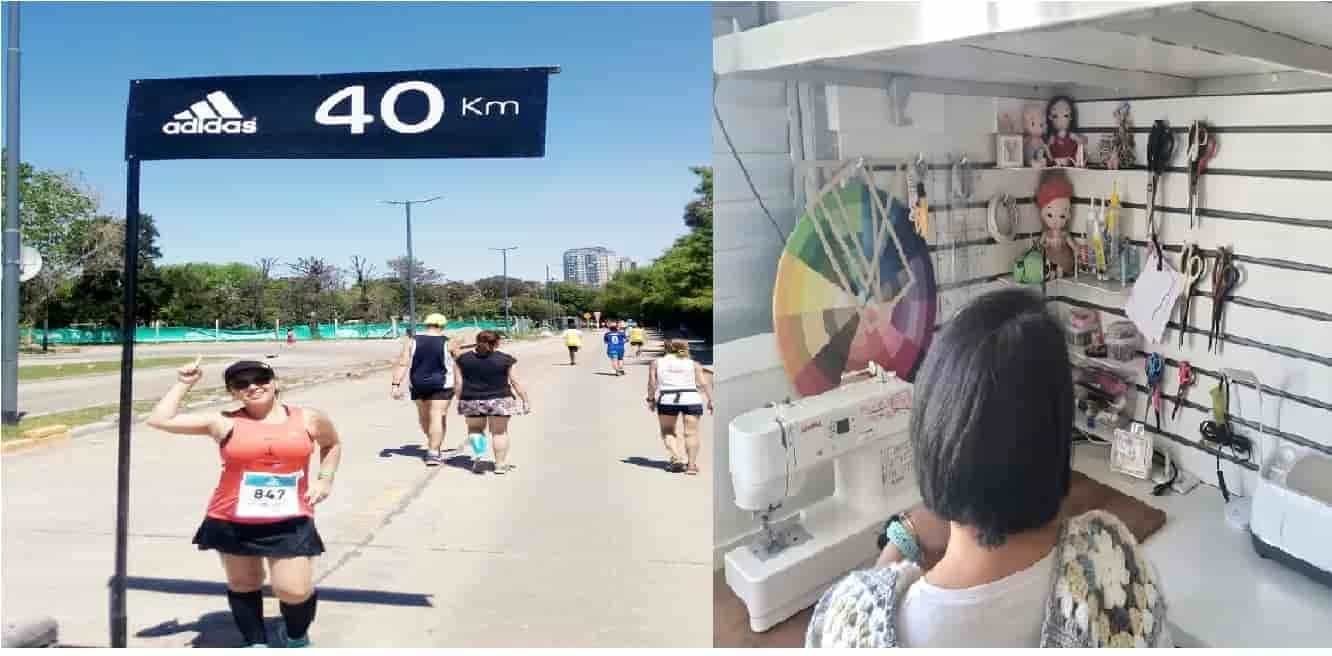
🏃♀️ Grit & Eye
Marathon endurance meets the precise, millimeter structural focus of a seamstress.
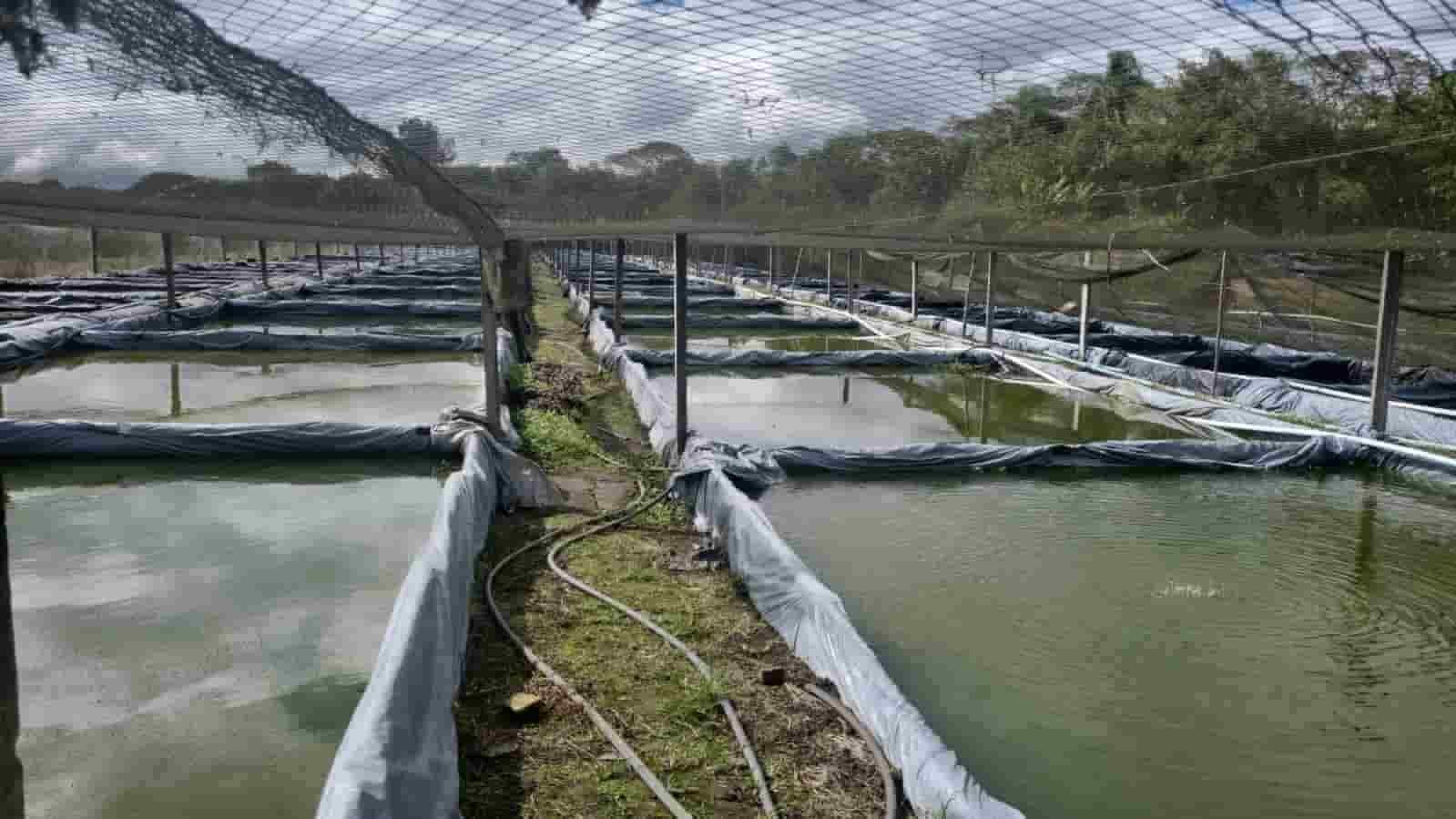
🐳 Monster Vats
Analyzing massive continuous turnovers inside large open-air mud farm vats.
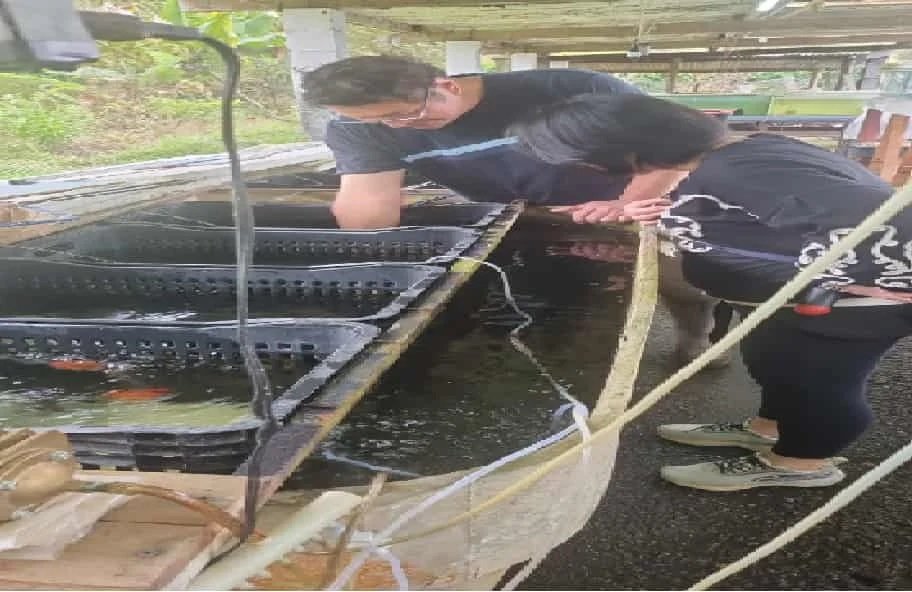
🤝 True Alliances
Working hand-in-hand with regional facility operations to target elite fancy bloodlines.
Read also: How to Master Aquarium Water Chemistry and Bio: The Heavy-Bioload Guide
Excessive biofilm sloughing under elevated canister head pressure accelerates magnetic impeller shaft friction shearing and induces dynamic pump seal leaks during peak nitrification loads.