
Let’s face it: typing on a squeaky, flexing plastic deck during a crucial board meeting is the digital equivalent of wearing a cheap, wrinkled suit to an interview. Finding the best premium aluminum keyboard kits for power executives is not just about showing off fancy desk aesthetics; it is about building a completely reliable, rock-solid typing experience that keeps up with your train of thought without missing a single beat. If you have ever felt your fingers dragging across a mushy keyboard or winced at the hollow plastic clatter of a standard office keyboard, we completely understand your pain.
At our repair shop, my support team and our laptop hardware specialist constantly diagnose office setups that fail under the heavy demands of modern professionals. Just the other day, we had a senior partner from a major consulting firm rush in because his keyboard started double-typing letters right in the middle of drafting a high-stakes merger proposal. He was ready to throw his computer out the window. We handed him a custom-built, heavy CNC-machined aluminum keyboard from our back room, and the look of sheer relief on his face as he typed those first few words was priceless.
You deserve absolute peace of mind knowing that your primary tool of communication is built like a safe and tailored exactly to your typing style. In this comprehensive guide, we are going to look past the overhyped gaming toys and focus on heavy, beautifully finished aluminum kits that look professional, feel incredibly smooth, and will easily outlast your next three laptops combined.
In 30 Seconds: The Tech Support Verdict
Ditch the cheap plastic keyboards bundled with your desktop. If you want a setup that commands authority, you need a heavy CNC-machined aluminum keyboard kit featuring screw-in stabilizers and hot-swappable switches. Look for anodized metal finishes, gasket-mounted plates for a softer landing on your joints, and a heavy brass weight block inside. It will cost a bit of a premium tier investment, but the rock-solid build quality, absolute lack of case flexing, and effortless typing comfort will completely change the way you work.
The Trap of Mass-Market Office Keyboards
Most high-profile professionals assume that buying a highly recognized, mass-market office keyboard is the safest bet for their desk. However, these consumer-grade options are built with thin plastic housings, flimsy snap-in parts, and unlubricated switches that wear down quickly under daily typing stress.
Although a slim wireless keyboard is highly lightweight and easy to pack into a briefcase, the physical keys have almost zero travel distance, leaving your fingers feeling like they are typing directly on a hard wooden table. Over time, this lack of cushion can cause significant wrist fatigue and joint strain.
Let’s look at a common hypothetical error scenario to understand the stakes. Imagine a high-flying operations manager, let’s call him Charles, who decides to upgrade his desk setup. He falls for a flashy internet ad for a bargain-bin “executive layout” keyboard that looks shiny in the rendered photos.
Once it arrives, Charles realizes the top plate is actually just plastic painted to look like aluminum. Within a week of drafting long corporate emails, the metallic paint starts peeling off where his palms rest. Even worse, the cheap stabilizers under his spacebar begin to rattle and jam, causing him to constantly miss spacing between words. Instead of focusing on his high-pressure operational decisions, Charles is constantly fighting his keyboard, correcting typos, and wasting valuable minutes every single hour.
This is why our laptop hardware specialist always advises against choosing cosmetic-only upgrades. Buying cheap plastic tools with a fake metallic finish is a fast track to hand fatigue and embarrassing system errors.
Why the Best Premium Aluminum Keyboard Kits for Power Executives Stand Apart
When you are hunting down tech accessories to optimize your daily routine, you do not need flashy RGB lights or complex gaming macro software. You need simple, bulletproof solutions that perform a single task flawlessly. Let’s break down the essential gear categories that actually work, applying our strict rule of looking at both sides of the coin.
Solid CNC-Machined Aluminum Cases
Unlike thin plastic cases that flex when you press down hard, these cases are carved out of a single, solid block of aircraft-grade aluminum using computer-guided cutting machines.
- The Good Side: It provides a beautifully heavy, completely solid foundation that will never slide around on your desk during intense typing sessions;
- The Downside: The sheer weight of the solid metal means it is incredibly heavy to carry around in a daily commuter bag if you travel frequently.
Gasket-Mounted Plates
In this mounting style, the internal keyboard plate is suspended inside the aluminum housing using soft silicone or foam gaskets rather than being screwed directly to the metal case.
- The Good Side: It creates a highly flexible, springy typing feel that dramatically cushions the impact on your fingertips and wrists during long working hours;
- The Downside: The flexible mounting style can feel slightly soft or mushy to users who are accustomed to a stiff, rigid typing surface.
Hot-Swappable PCB Boards
A hot-swappable circuit board lets you plug your choice of typing switches directly into the sockets without needing to melt metal solder with a hot iron.
- The Good Side: It allows you to completely customize the sound, feel, and weight of your keys in just minutes without risking any electrical damage to the board;
- The Downside: The hot-swap socket connections can loosen or pop off the board if you aggressively force switches in at a crooked angle during installation.
The Reality of the Battlefield
Custom high-end aluminum kits deserve massive praise for their beautiful surface finishes, dense weight profiles, and the deep, satisfying acoustic notes they produce with every single keystroke. However, the hard truth is that many luxury keyboard manufacturers use highly unoptimized Bluetooth antennas that fail to penetrate the heavy metal casing, resulting in sluggish wireless connections, key lag, and dropped letters unless you keep the keyboard permanently plugged in with a braided USB cable.
Marketing teams love to sell the dream of a cordless, perfectly clean workspace using their premium tier keyboards. But in practice, physical metal is a natural shield against wireless signals. If you are paying for a premium tier investment thinking you will get a flawless long-range Bluetooth connection, you are going to be disappointed when your letters start lagging across your screen during a critical video call presentation.
Furthermore, cheap anodizing processes on lower-end aluminum boards can show oily finger smudges and palm sweat stains that are nearly impossible to clean off without stripping the outer finish. If you want a clean, professional aesthetic that lasts for years, you must look for high-grade hard-coat anodization or electrostatic powder coatings that resist finger oils. Additionally, although premium brass weight blocks look incredibly elegant on the bottom of a keyboard, they tarnish very quickly unless they are coated with a protective clear lacquer.
Comparative Tech Item Performance
No two work setups are identical. Choose a keyboard kit class that fits your specific desk needs without sacrificing long-term reliability.
| Keyboard Kit Class | Case Material | Mount Style | Primary Benefit | Wireless Signal Penetration |
|---|---|---|---|---|
| Heavy CNC Studio Boards | High-Grade Aluminum | Gasket Mount | Ultimate wrist comfort and deep sound | Sluggish (Requires Cord) |
| Compact Executive Layouts | Anodized Aluminum | Top Mount | Crisp, rigid tactile feedback | Varies by Model |
| Slimline Travel Decks | Low-Grade Aluminum | Tray Mount | Easy portability for hybrid office use | Excellent (Plastic Base) |
| Monolithic Brass Weight Kits | Brass & Aluminum | Integrated Mount | Massive desk stability, zero slipping | Not Informed |
Actionable Checklist for a Premium Typing Experience
Ready to assemble a desk setup that commands authority? Use this step-by-step checklist to systematically eliminate typing fatigue and keyboard rattle.
- Research the best premium aluminum keyboard kits for power executives that feature a dense brass internal weight to keep your board anchored: Pro-tip: A heavy keyboard is less likely to slip on a polished glass executive desk during rapid typing; however, the heavy weight makes it a pain to carry in a laptop sleeve.
- Opt for screw-in stabilizers rather than snap-in stabilizers for your modifiers: Pro-tip: Screw-in stabilizers remain locked into the circuit board, which permanently eliminates rattling noises under your spacebar.
- Install quiet, tactile switches on your keyboard deck instead of clicky switches: Pro-tip: Tactile switches offer a satisfying physical bump to confirm a keystroke without making your home office sound like a chaotic newsroom.
- Check if your desired metal kit features a dedicated wireless antenna cutout: Pro-tip: A small plastic or acrylic window on the bottom of the aluminum case allows wireless signals to escape, dramatically reducing lag.
- Choose electrostatically coated finishes over basic anodized finishes for lighter colors: Pro-tip: White and pastel e-coat finishes are highly resistant to yellowing and do not show finger oils like standard anodized metal.
- Avoid using low-grade coiled cables that do not have proper shielding: Pro-tip: Poorly shielded cables can cause power delivery drops, which makes your beautiful RGB lighting flicker or causes the board to disconnect.
- Lubricate your stabilizer housings with high-end synthetic grease before final assembly: Pro-tip: Taking ten minutes to properly lube your stabilizers completely eliminates mushy key presses and ticking noises.
- Use high-density foam dampeners inside your aluminum case bottom: Pro-tip: Case foam absorbs hollow echoing sound waves, transforming a high-pitched metallic ping into a deep, professional acoustic pop.
- Ensure your chosen PCB board features south-facing LED switch sockets: Pro-tip: South-facing sockets prevent physical interference with thick, high-quality Cherry-profile keycaps, giving you a smoother keystroke.
- Select keycaps made from double-shot PBT plastic rather than cheap ABS plastic: Pro-tip: PBT keycaps feature a matte texture that will never wear down to a greasy shine, maintaining a clean look even after years of daily use.
- Keep a high-quality keycap puller in your desk drawer for quick maintenance: Pro-tip: Using cheap wire pullers can scratch the anodized finish on your aluminum case borders, so opt for a rubber-tipped puller instead.
- Back up your custom keymap settings using local open-source software like VIA: Pro-tip: Storing your custom macros locally on the keyboard’s memory chip means they will work instantly on any corporate laptop without installing drivers.
👇 Looking for more performance cheats? Check out our field-tested tactical blueprints:
Guides for Your Next Workspace
Professional Laptops
The definitive blueprint to selecting high-performance, enterprise-grade workstations engineered to scale your productivity.
Budget Tech Tools
Practical strategies and low-cost digital tools engineered to maximize office performance without breaking your budget.
Power User Gadgets
Advanced hardware, desk automation tools, and elite tech ecosystems built to completely eliminate workflow bottlenecks.
Frequently Asked Questions from Exhausted Tech Workers
Do I really need to build an aluminum keyboard kit myself, or can I buy one pre-assembled?
You can buy them pre-assembled, but building it from a kit is where the magic happens. It lets you lube the stabilizers, choose the exact switch weight for your fingers, and ensure there is zero rattle. Pre-built boards almost always cut corners on stabilizer lubrication.
Why does my metal keyboard sound like a hollow tin can when I type?
Because acoustic waves are bouncing around inside the empty metal case. This is called metallic ping. You can easily fix this by packing a thin layer of silicone or high-density foam into the bottom of the case to absorb the vibrations.
Are custom aluminum keyboards safe to use with secure corporate laptops?
Yes, as long as you program them using open-source, local firmware like VIA or QMK. These tools store your settings directly on the keyboard’s physical memory chip. You do not need to install any sketchy background software on your locked-down corporate machine.
Will a heavy gasket-mounted keyboard actually save my wrists from strain?
Yes. The flexible gasket suspension acts as a shock absorber for your fingers. When you bottom out a key on a rigid plastic board, the impact energy travels straight back up your finger joints. Gasket mounts absorb that energy instead.
Is a wireless aluminum keyboard reliable for daily zoom calls and presentations?
Only if you choose a model with a dedicated plastic or carbon fiber bottom plate cutout. Solid metal blocks block radio waves. If your keyboard is 100% enclosed in thick aluminum, stick to a wired USB connection during important presentations.
What is the difference between cheap anodization and premium e-coat finishes?
Anodization is a chemical process that dyes the metal itself, which is highly durable but limited in color options and can show oily fingerprints. E-coating is an electrostatic paint process that creates an incredibly smooth, fingerprint-resistant matte finish.
Do I need a soldering iron to build one of these premium kits?
No, not anymore. Most modern executive keyboard kits ship with hot-swappable PCB boards. This means you can simply plug your switches directly into the pre-soldered sockets with your fingers. It takes zero technical experience to assemble.
Are copper or brass plates better than standard aluminum plates?
It depends on your typing preference. Brass and copper plates are extremely dense and rigid, offering a very crisp tactile bottom-out sound. Aluminum and FR4 plates are much more flexible, providing a softer, more comfortable bounce for heavy typists.
Why Trust SKYTC Curated Gear?
At SKYTC, we simplify technology for you. We aren’t just another deals site; we are hardware experts obsessively focused on elite performance.
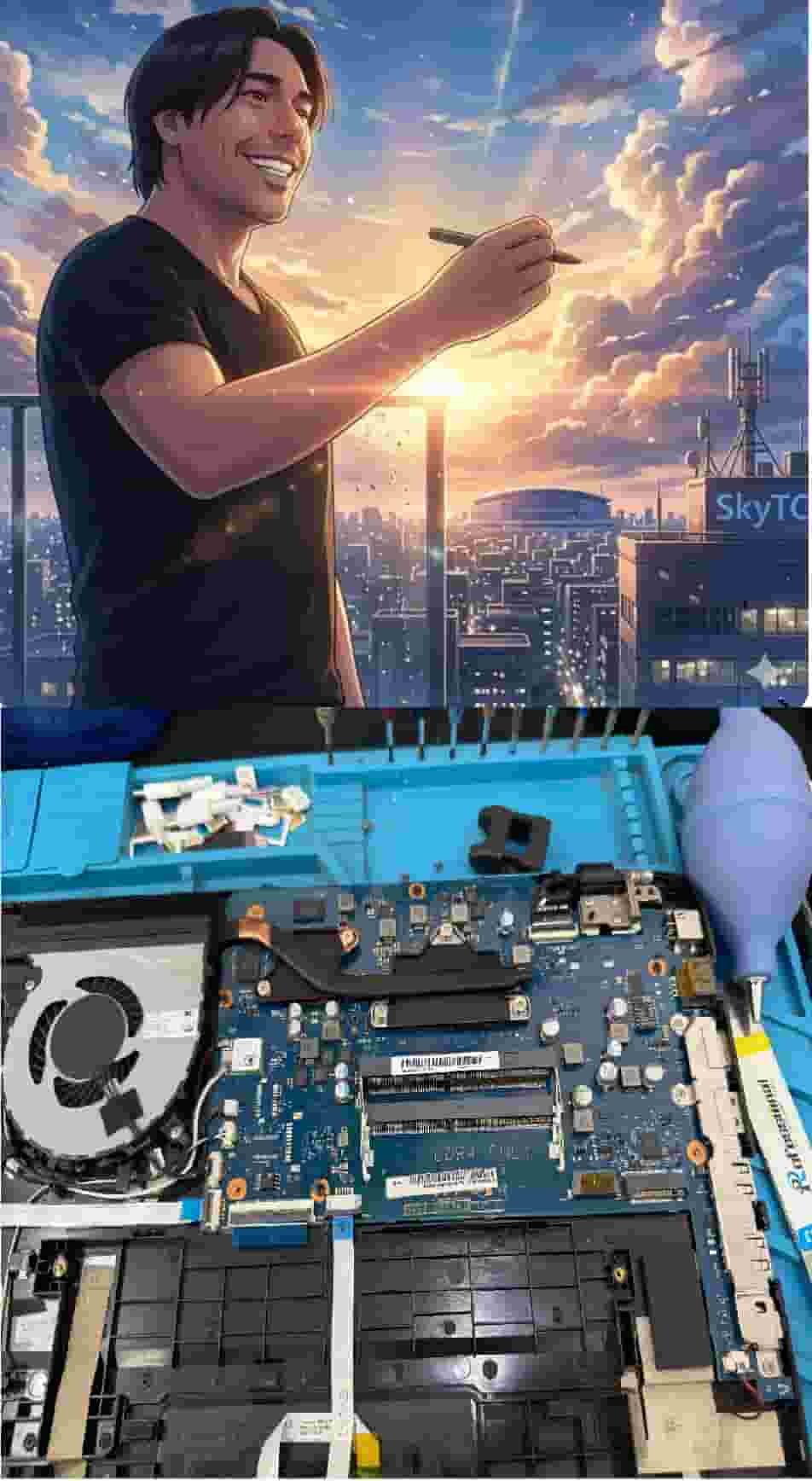
Technical Bio: Hardware & Laptops
“At SkyTC, technology is driven by engineering precision and real field experience. I am Valtersky, and I bring a unique background to the bench: from professional woodworking, the eye for structural integrity; from radiology, an absolute obsession with microscopic details.
As an ultra-endurance marathon runner, I don’t just browse store windows. I tear machines down, run intensive stress tests on thermal dissipation, and validate the actual build quality of every single component. My mission is to translate complex tech engineering and tech finances into smart decisions for your workflow.
Here, we speak straightforward, jargon-free English with the authority of someone who knows exactly what is inside the chassis.”
✨ Read also: How Ortholinear Keyboard Layouts Reduce Executive Fatigue
Content that perfectly complements this guide — highly recommended reading.