
If you are struggling with cloudy water, constant ammonia spikes, or filters that clog every single week, finding the best canister filter for goldfish tanks is the absolute turning point for your hobby. Let us be completely honest from the start: goldfish are beautiful, interactive, and absolute biological nightmares. They do not have stomachs, meaning everything they eat passes through them in a constant, high-volume stream of waste that will easily choke a standard hang-on-back filter in days.
In my 8 years of keeping fancy goldfish in my massive 100-gallon (400-liter) aquarium, I have made every mistake in the book. As a professional seamstress, I look at water flow like thread tension—if you do not distribute the pressure evenly and use high-quality materials, the entire system eventually unravels. And as a long-distance runner, I know that maintaining pristine water quality is a marathon of consistency, not a quick sprint. You cannot rely on cheap, underpowered plastic toy filters if you want your fish to thrive.
The real challenge for any goldfish keeper is balancing high water turnover with an enormous volume of biological filter media. If you are tired of looking at murky water and constantly worrying about your water parameters, it is time to upgrade to a system that can actually handle the heavy biological load.
Why Goldfish Need Heavy-Duty Canister Filtration
Most people walk out of the pet shop with a couple of cute fancy goldfish and a basic power filter hanging on the back of the tank. Within a month, the water looks like pea soup, and the fish are sitting miserably at the bottom. Goldfish excrete massive amounts of ammonia both through their waste and directly from their gills. To neutralize this chemical threat, you need billions of beneficial nitrifying bacteria, which require physical surface area to colonize.
A canister filter sits completely outside of your aquarium, typically hidden away inside your stand. Because of its large canister body, it can hold up to ten times more filter media than a standard hang-on-back unit. This extra volume allows you to layer mechanical sponges to trap solid poop, followed by massive trays of porous ceramic rings or stones where the beneficial bacteria do the heavy lifting of chemical conversion.
Furthermore, a proper setup needs to turn over your entire tank volume at least 5 to 10 times every hour. If you have a 50-gallon tank, you need a filter that actually pumps 250 to 500 gallons per hour under real-world conditions. Standard filters simply do not have the motor power or canister volume to keep up with a goldfish’s relentless metabolism.
Why the Best Canister Filter for Goldfish Tanks Matters
Choosing the best canister filter for goldfish tanks is not just about keeping the water clear; it is about keeping your living room floor dry and your sanity intact. A high-quality canister filter acts as the external heart of your aquarium, circulating water through thick hoses, processing toxic waste, and pushing clean, oxygenated water back to your fish.
When you select a premium filter, you are buying peace of mind. Cheap canisters are notorious for having thin, brittle plastic clips that snap when you try to open them for cleaning. Even worse, their low-grade motor impellers rattle constantly, turning your quiet living room into a noisy machine shop.
A professional-grade unit uses thick, impact-resistant plastics, heavy-duty rubber O-rings, and reliable motor blocks that run quietly for decades. When you invest in a proper system, you spend less time cleaning and more time actually enjoying your aquatic pets.
The Reality of the Battlefield
Let us step away from the polished marketing brochures and look at how these filters actually perform on the bench. Every piece of high-end aquarium gear has its mechanical quirks, failures, and design flaws that only show up after months of hard labor.
The massive Fluval FX6 offers unparalleled mechanical water-polishing power and a colossal media capacity that easily manages heavy biological loads. However, the heavy-duty lid uses giant, stiff metal rim-fasteners that are incredibly easy to cross-thread during late-night cleanings, leading to slow, silent leaks that can slowly warp your wooden cabinet stand.
The clever Oase BioMaster features a highly praised, easy-to-remove pre-filter chamber that makes weekly maintenance a breeze without opening the main canister body. But the internal primer button mechanism relies on a cheap rubber gasket that dry-rots after a couple of years, causing the unit to suck in microbubbles and spit out a noisy, sputtering flow.
The timeless Eheim Classic canister operates with absolute, whisper-quiet efficiency and runs for decades without a single motor hiccup. However, the lack of modern quick-disconnect valves on basic models means you will end up wrestling a heavy, water-logged canister to the bathtub while spilling dirty fish muck all over your clean carpet.
The Good Side vs The Negative Point
Let us analyze the two most popular premium filtration systems side-by-side using real-world performance metrics.
- The Fluval FX Series:
- The Good Side: It leaves the water crystal clear like showroom glass, drops tank ammonia to absolute zero, and features a smart pump chip that automatically purges trapped air once a day.
- The Negative Point: The motor head is heavy, and if you open it clumsily during cleaning, you can easily crack the plastic rim clips and flood your living room floor.
- The Oase BioMaster Thermo:
- The Good Side: Having an integrated heater inside the canister removes ugly equipment from your display tank and heats the water uniformly.
- The Negative Point: The heater channel can get clogged with thick goldfish slime, which tricks the internal thermostat into shutting off prematurely and leaving your fish freezing.
A Classic Beginner Filter Disaster
Let me paint a picture of a classic mistake that happens all too often. My neighbor, Dave, decided to save some cash and bought a cheap, unbranded canister filter from an online discount shop because it promised 500 gallons per hour for a fraction of the price of a name-brand unit.
Dave hooked it up to his 75-gallon fancy goldfish tank. He did not secure the cheap vinyl hoses with metal hose clamps, relying instead on the weak plastic snap-ons that came in the box.
Three months down the road, thick goldfish waste slowly began to build up inside the chemical filter pads, creating backpressure. One Tuesday afternoon while Dave was at work, the rising pressure popped the outlet hose right off the cheap plastic connection.
The motor did not shut off. It kept pumping water out of the tank and onto his hardwood floor at a rate of several gallons a minute. By the time Dave got home, 50 gallons of dirty fish water had soaked through his subfloor, ruining his ceiling downstairs and leaving his prized Oranda goldfish gasping in a tiny puddle of remaining water. Cheap filtration is an absolute trap that can cost you thousands in home repairs.
In 30 Seconds
Look, if you want the short story, stop overcomplicating it.
For a 40 to 75-gallon goldfish tank, buy the Oase BioMaster Thermo 600 or a Fluval 407.
If you have a 100-gallon monster tank like mine, go straight for the Fluval FX6 and do not look back.
Avoid cheap, generic sun-bleached canisters with built-in UV lights that disintegrate within six months. They are an absolute trap.
Comparative Canister Filter Performance
| Filter Model | Real-World Flow Rate | Media Capacity | Maintenance Effort | Best Suited For |
|---|---|---|---|---|
| Fluval FX6 | 563 GPH (Filter circulation) | 1.5 Gallons | High (Heavy bucket) | Large Goldfish Tanks (75G+) |
| Oase BioMaster 600 | 350 GPH | 1.1 Gallons | Ultra-Easy (Pre-filter) | Intermediate Tanks (40-75G) |
| Fluval 407 | 245 GPH | 1.0 Gallons | Medium (Standard trays) | Budget-Conscious Keepers |
| Eheim Classic 600 | 264 GPH | 1.2 Gallons | High (No trays, layers) | Experienced Keepers |
Troubleshooting Checklist for Flawless Filtration
- Clean your best canister filter for goldfish tanks every 4 to 6 weeks without exception. (Insider trick: If you wait longer, the trapped goldfish poop turns into a silent nitrate factory that stunts your fish).
- Lubricate the main head O-ring with food-grade silicone during every single cleaning. (Insider trick: Standard petroleum jelly will degrade the rubber over time, leading to a sudden midnight blow-out).
- Trim the intake and outlet hoses to be as short and straight as possible. (Insider trick: Drooping, looped hoses trap air pockets and slash your GPH output by half).
- Position the intake tube away from your air stones. (Insider trick: If your canister sucks in air bubbles, it will lose its prime, run dry, and eventually melt the motor impeller).
- Always use metal worm-gear clamps on your hose connections instead of plastic clips. (Insider trick: Plastic clips stretch under room temperature changes and will eventually slip right off).
- Place the canister inside a plastic drip tray under your stand. (Insider trick: A cheap washing machine tray or oil pan saves your wooden floor from those inevitable drops during maintenance).
- Fill the bottom basket with coarse mechanical foam, not fine floss. (Insider trick: Fine floss at the entry point clogs in three days with goldfish waste and chokes the water flow).
- Use high-porosity biological media like matrix or ceramic rings in the middle trays. (Insider trick: Skip the cheap plastic bio-balls; they do not have enough surface area for the massive nitrifying bacteria colony goldfish require).
- Never prime the filter when the canister is already full of water. (Insider trick: Empty the canister first, hook up the hoses, and let gravity do the priming work for you).
- Clean the impeller shaft with a cotton swab every three months. (Insider trick: Goldfish slime builds up on the magnetic shaft, causing that annoying rattling sound).
- Inspect the double-tap valves for hairline cracks. (Insider trick: Quick-disconnect plastics get brittle over time; keep a spare set in your cabinet so you are not stranded on a Sunday night).
- Shake the canister gently after restarting to purge trapped air. (Insider trick: Tilt it at a 45-degree angle while running to force stubborn air bubbles out of the motor head).
👇 Looking for more performance cheats? Check out our field-tested tactical blueprints:
The Goldfish Ecosystem Blueprint
Complete your advanced technical training loop by exploring our core evergreen resources.
How to Feed Goldfish for Maximum Lifespan
A deep breakdown of digestive tract mechanics, bloating prevention, and premium sinking diets.
How to Maintain a 100 Gallon Goldfish Tank
Large-scale system parameters. Deep sand bed mechanics, nitrogen cycling, and bioload management.
Ultimate Guide to Goldfish Tank Filtration
Heavy-duty hardware configurations. Optimizing parallel canisters, bio-media setups, and automation.
Structural Support & Setup FAQ
Do goldfish really need a canister filter, or can I just use a sponge?
Look, sponge filters are great for baby fry or isolation tanks, but they are useless as primary filtration for adult goldfish. Sponge filters do not have the mechanical power to trap heavy solids, and your tank will always look like a snowy blizzard of poop. You need a canister to force that waste out of the water column.
Why does my canister filter smell like a swamp when I open it?
If your filter smells like rotten eggs, it means you have anaerobic dead zones where oxygen cannot flow. This happens when you do not clean the mechanical sponges often enough, allowing waste to pack tightly and choke the water channel. Clean it more frequently and ditch the ultra-fine polishing pads.
Can I use cheap polyester pillow stuffing instead of brand-name filter floss?
Yes, absolutely. It is a classic hobbyist hack that saves a ton of money. Just make sure the pillow stuffing is 100% pure polyester with no flame retardants, mildew resistance, or chemical additives. Pack it lightly in the very top tray of your filter to trap micro-particles.
Why did my flow rate drop by half after only two weeks?
Your mechanical foam or fine polishing pads are completely clogged with goldfish waste. Goldfish produce thick, mucus-like slime coats that coat filter fibers rapidly. Swap out fine floss for coarse foam, or upgrade to a filter with an easily accessible pre-filter like the Oase BioMaster.
Are those cheap canister filters with built-in UV sterilizers worth it?
No, they are a complete waste of money. The cheap plastic casings inside those generic filters degrade quickly under UV exposure and become brittle enough to crack with a light touch. Furthermore, the built-in bulbs are usually underpowered and do not have enough contact time with the water to actually kill algae or parasites.
How often do I actually need to replace my biological ceramic media?
Almost never. Unless your ceramic rings are literally crumbling into dust, you never need to buy new biological media. The manufacturer wants you to buy replacements, but that is a marketing trap. Simply rinse the media in a bucket of drained tank water during your regular cleanings to wash off the slime.
Can a canister filter be too strong for fancy goldfish?
Yes, fancy goldfish like Orandas and Ryukins are terrible swimmers due to their egg-shaped bodies. If your outlet nozzle is creating a whirlpool that pins your fish to the glass, use a spray bar to distribute the return flow, or aim the outlet nozzle directly at the back glass to break up the current.
Why is my canister leaking from the power cord entry point?
This is a critical warning sign that the internal seal around the motor head’s electrical cord has failed. Do not try to patch it with silicone or tape. The motor head is compromised, and you risk sending electrical current directly into your aquarium water. Unplug it immediately and replace the motor head.
🛡️ │ WHY TRUST SKYTC GOLDFISH CARE CURATION?
At SKYTC, we hold aquatic ecosystem biology and biological parameter handling to a rigorous standard. We are not an automated affiliate review engine; we apply hands-on tests and serious filtration engineering workflows to ensure every recommendation guarantees the health and maximum lifespan of your fish with absolute safety.
✓ Engineering:
Structural experience backed by heavy-duty filtration math, continuous hydraulic turnover metrics, and robust mechanical support for large-scale coldwater systems.
✓ Expertise:
Focuse on preventative biological husbandry and premium nutrition. Thoroughly auditing biological media, sinking feeds, and elements that completely neutralize ammonia spikes.
✓ Authority:
Curation signed by real keepers running a balanced 100-gallon display ecosystem for over 8 years, pairing daily practical benchwork with direct wholesale breeder insights.
✓ Trust:
Product selections built on unfiltered transparency—exposing actual electrical draws, heat dissipation issues, and hidden costs before any Amazon recommendations.
📸 Our Journey in the Real World
From daily living room tank turn rates to macro-scale breeding setups.
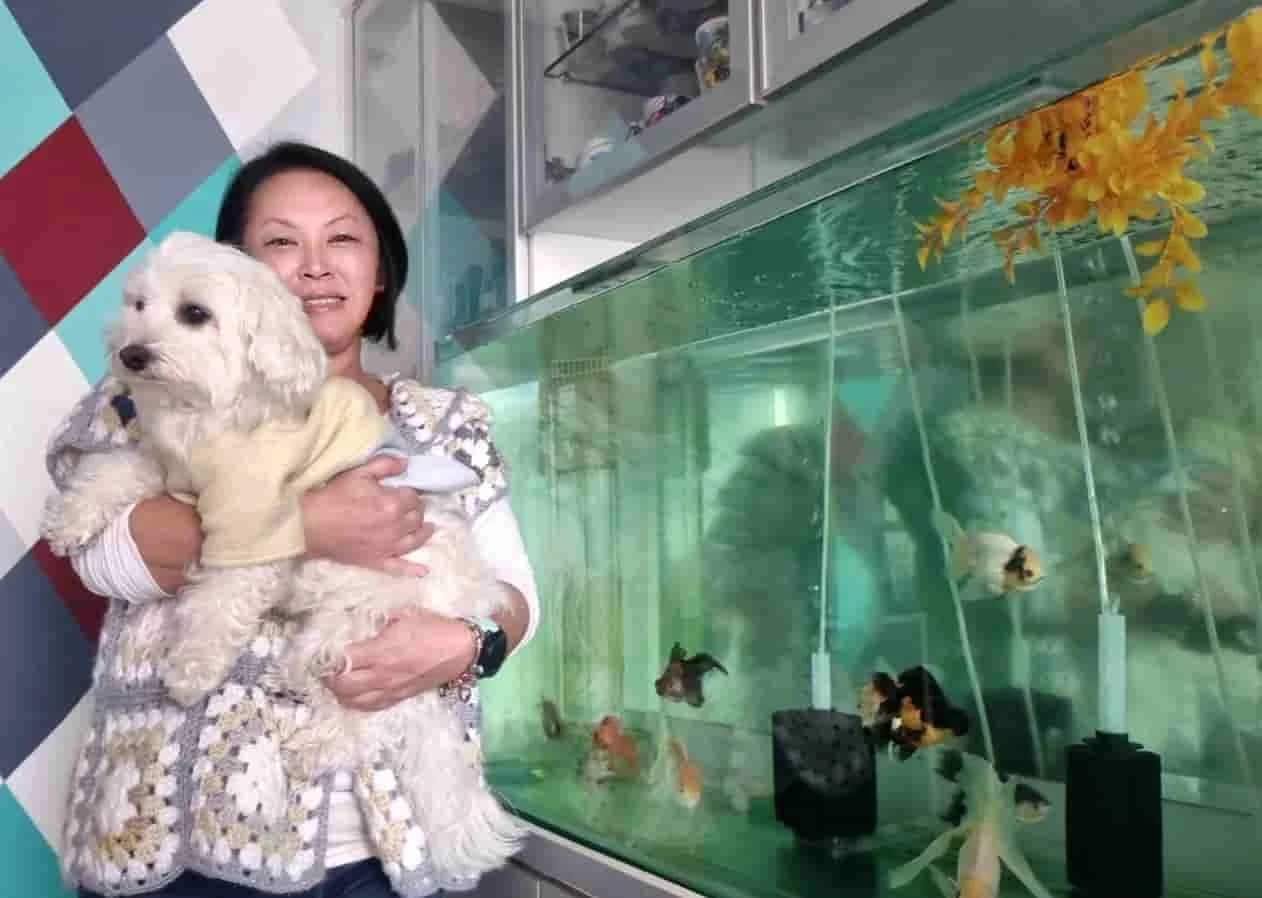
🏠 The 100G Lab
Where we torture test every hardware option, pellet line, and filter layout live.

🏃♀️ Grit & Eye
Marathon endurance meets the precise, millimeter structural focus of a seamstress.
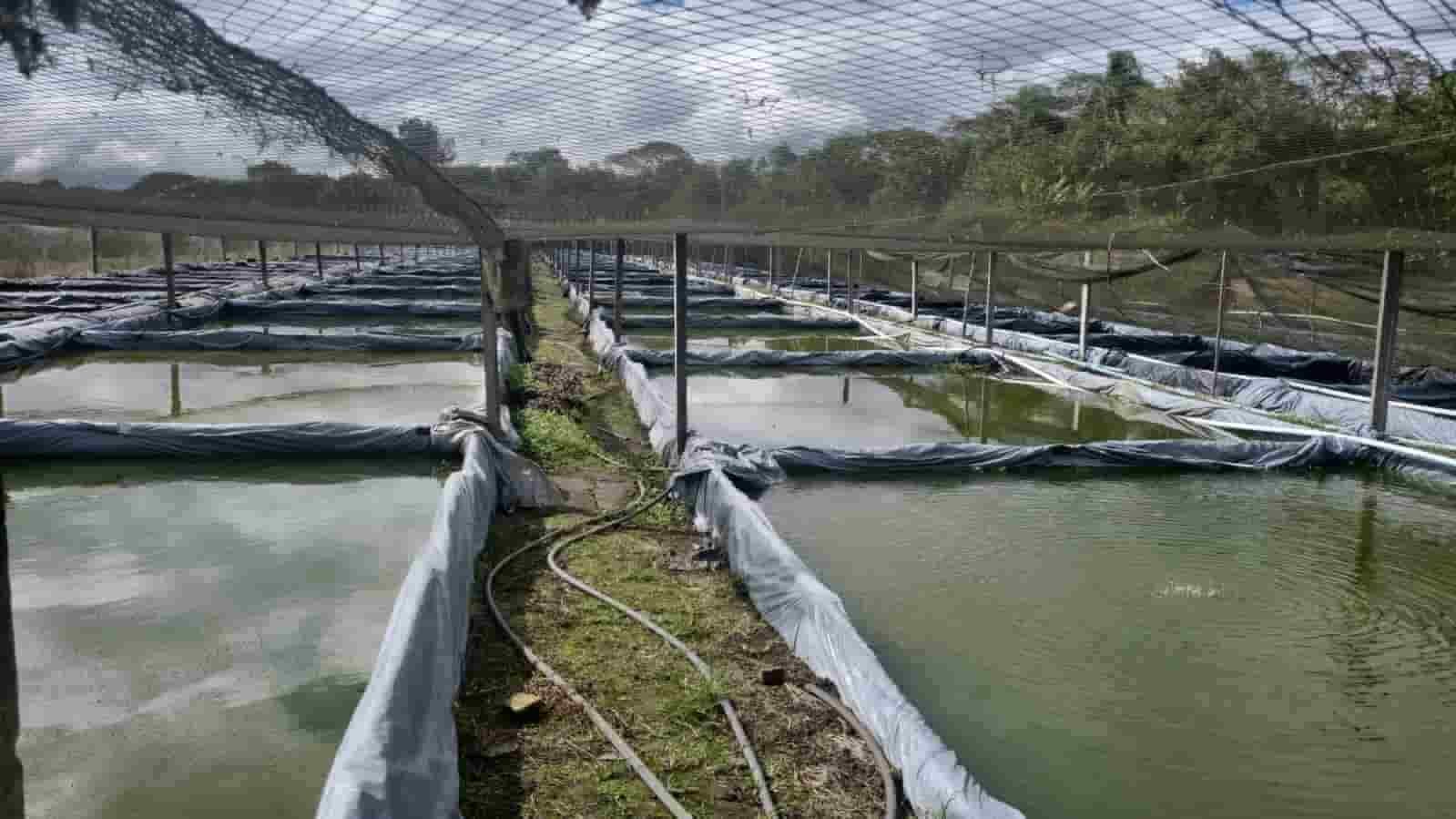
🐳 Monster Vats
Analyzing massive continuous turnovers inside large open-air mud farm vats.
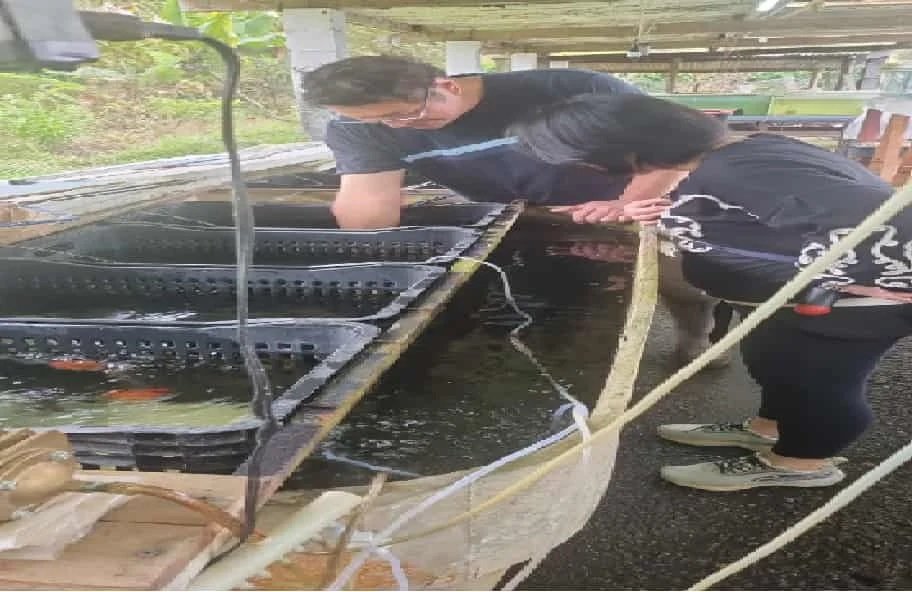
🤝 True Alliances
Working hand-in-hand with regional facility operations to target elite fancy bloodlines.
Read also: Ultimate Guide to Goldfish Tank Filtration
A deeply technical piece of content that perfectly complements this post — absolutely worth the read.