
You are flying down a steep mountain descent, feeling the flow of the trail, when suddenly a sharp, white-hot needle drives straight beneath your kneecap. Within minutes, every step down the slope feels like bone grinding on raw concrete. Your speed drops to a crawl, your run becomes a grueling hobble, and your ultra-running dreams are instantly benched.
If you want to fix downhill running knee pain naturally, you have to stop wrapping your joints in bulky neoprene sleeves and masking the warnings with ibuprofen. As an amateur athlete who has completed multiple 42km+ ultramarathons and a clinical analyst with 5 years in X-ray labs and 2 years specialized in CT scans, I have seen exactly how joint degradation starts from the inside out.
Rebuilding your patellofemoral tracking is not about finding some mystical, quick-fix stretch or relying on showroom gadgets. It is about understanding the structural physics of your musculoskeletal chassis. Tackle the root cause systemically, and you will save thousands on unnecessary orthopedic visits, shave hours off your trail descents, and protect your articular cartilage for another three decades of hard mountain running.
In 30 Seconds: The Non-Surgical Verdict
Downhill running knee pain is caused by patellofemoral shear stress, which is a direct consequence of three biological failures: weak eccentric quadriceps strength, poor hip stabilization (gluteus medius drop), and a biomechanical overstriding habit that turns your heel into a landing brake.
The lab macete: Shorten your downhill stride to increase your cadence, perform heavy eccentric strength training (like backward sled pulls and step-downs), and fuel cartilage remodeling with high-fat, clean red meat. Ditch the bulky knee braces—they are a muscular crutch that deactivates your natural stabilizing pathways.
Biomechanical Joint Interventions Compared
| Intervention Method | Biomechanical Mechanism | Joint Longevity | The Battlefield Drawback (The Catch) | Estimated Cost |
|---|---|---|---|---|
| Bulky Orthopedic Knee Braces | Artificially constrains patellar tracking in the trochlear groove | Negative (Promotes joint dependency) | Acts as a crutch; causes surrounding stabilizing muscles to atrophy over time. | $30–$80 |
| Eccentric Quad & Glute Loading | Forces tendons and muscle fibers to adapt to heavy deceleration forces | Extreme (Rebuilds natural shock absorbers) | Requires strict, painful consistency; overdoing it too fast will trigger acute tendonitis. | Free to Gym Membership |
| Maximalist Cushioned Running Shoes | Absorbs initial vertical impact via thick foam midsoles | Neutral to Negative (Dampens sensory feedback) | Silences ground feel, which promotes overstriding and heel-striking, transferring forces up. | $140–$220 |
| Cortisone / NSAID Injections | Chemically suppresses localized inflammatory pathways | Highly Negative (Degrades cartilage tissue) | Masks pain signals while actively breaking down your joint’s articular cartilage over time. | $150–$500 per shot |
| High-Density Red Meat Nutrition | Feeds cartilage matrix with natural collagen, fats, and amino acids | High (Provides structural raw materials) | Requires strict dietary consistency and meal prep; completely isolates you from convenience food. | Varies by source |
The Battlefield Assessment of Knee Interventions
1. Bulky Orthopedic Knee Braces: The Good: Immediately stabilizes the patellar tracking and takes some mechanical strain off the tendon during steep descents. The Bad: It acts as an external crutch, causing your quad muscles and glutes to atrophy over time, ultimately leaving your knee weaker when the brace is removed.
2. Eccentric Strength Training: The Good: Forces your tendons and quadriceps to adapt to heavy deceleration forces, building a natural biological shock absorber. The Bad: If you load the joint too heavy or too fast without proper mechanics, you will cause acute patellar tendonitis.
3. Maximalist Cushioned Running Shoes: The Good: Absorbs the initial blunt impact of hard-packed trail descents. The Bad: It completely silences the sensory feedback from your foot, causing you to overstride and slam your heel, transferring massive shear stress straight up into your knee joint.
4. High-Density Red Meat Nutrition: The Good: Feeds your articular cartilage with essential collagen, fat-soluble nutrients, and natural fats needed for high-performance tissue repair. The Bad: Requires strict dietary consistency and meal prep, isolating you from convenient fast-food options.
The Realities of the Battlefield
The outdoor gear market is flooded with quick-fix products designed to sell you a painless descent, but the biological reality is that many of these tools actively accelerate joint damage. Let’s analyze commercial “patellar tracking” straps. The technical praise: they apply targeted pressure to the patellar tendon, which can temporarily reduce pain signals.
But the hard negative reality is that under wet, muddy, or sweaty mountain trail conditions, those velcro straps quickly slip down your shin, lose structural tension, and chafe your skin raw, leaving you with zero support at mile 25.
The same failure applies to maximalist, ultra-cushioned trail running shoes. The technical praise: they use massive stack heights of proprietary foam to absorb vertical impact force. But the hard negative reality is that this high stack height raises your center of mass, making your ankle incredibly unstable on rocky terrain and forcing your knee joints to make micro-adjustments that wear down your cartilage even faster.
When you rely on external foam to absorb impact, your brain stops signaling your quadriceps and glutes to contract eccentrically. The kinetic energy does not vanish; it simply bypasses the foam once it compresses and travels straight into your knee’s articular cartilage, grinding the patellofemoral joint under load.
The Heel-Striking Overslider: A Cautionary Tale
Let’s look at David, a 42-year-old mountain runner. To protect his knees on steep descents, David buys the most cushioned trail shoes on the market. He runs down hills with long, slow strides, reaching his legs far out in front of his body and landing heavily on his heels. Because the thick foam cushions the initial blow, he thinks he is safe.
However, his long stride acts as a massive braking force, sending a shockwave of decelerating kinetic energy straight up his tibia. Because his foot is so far ahead of his center of mass, his quadriceps cannot contract eccentrically to absorb the load. Instead, his patella is slammed hard against his femur with every single step.
Additionally, because his feet are insulated by 40mm of soft foam, his brain’s mechanoreceptors are completely blind to the trail. His gluteus medius fails to stabilize his pelvis, causing his knee to cave inward (valgus collapse) on every landing. Within three months, David has worn down his patellar cartilage.
He ends up in my CT scanner with severe patellofemoral cartilage wear and is told he needs to stop running. David tried to solve a basic biomechanical and structural strength problem with showroom cushioning, and it cost him his joint health.
The Ultimate Natural Knee Restoration Checklist
- Fix downhill running knee pain naturally by shortening your stride and increasing your cadence to 175-180 steps per minute. A shorter stride forces your feet to land directly under your center of mass, shifting the decelerating load from your kneecaps to your muscular shock absorbers.
- Perform heavy, slow eccentric step-downs on a slanted board twice a week. This targeted load strengthens the vastus medialis oblique (VMO) muscle, pulling your kneecap back into its correct tracking groove.
- Incorporate backward sled pulls into your strength routine. Pulling a weighted sled backward forces your quadriceps to contract under tension without any high-impact joint stress, increasing blood flow to raw cartilage.
- Ditch bulky knee sleeves and braces during your training runs. Forcing your nervous system to stabilize your knee naturally is the only way to build permanent joint resilience.
- Transition to a low-drop trail shoe with moderate cushioning. This increases sensory feedback from the ground, allowing your brain to adjust your landing mechanics before your heel strikes the dirt.
- Prioritize high-fat, clean red meat in your post-run recovery meals. The amino acids, proline, glycine, and fat-soluble vitamins found in grass-fed beef are the direct structural raw materials your body uses to rebuild worn-out joint cartilage.
- Strengthen your gluteus medius with weighted lateral band walks. Stabilizing your hips prevents your femur from rotating inward, which is the primary cause of lateral patellar tracking pain.
- Roll out and release your tensor fasciae latae (TFL) and your outer quadriceps. A tight outer thigh pulls the kneecap out of its groove, causing it to grind against the bone.
- Avoid taking ibuprofen (NSAIDs) for joint pain before or after trail runs. NSAIDs inhibit the inflammatory pathways required for tendon and cartilage remodeling, stalling your natural recovery.
- Execute bent-knee calf raises to build strength in the soleus muscle. The soleus acts as a major stabilizer of the lower leg, preventing excess tibial rotation that strains the knee joint.
- Avoid downhill running on pavement when you are in a recovery phase. The unyielding surface of asphalt multiplies the impact forces, compounding micro-tears in the articular cartilage.
- Schedule a baseline joint mobility assessment focusing on your ankle dorsiflexion. Stiff ankles force your knees to bend at awkward angles to absorb impact, creating chronic patellofemoral tracking errors.
👇 Looking for more performance cheats? Check out our field-tested tactical guides:
SkyTC Master Hub & Pillar Guides
Dynamic No-Nonsense FAQ
1. Why does downhill running hurt my knees so much more than uphill?
Because downhill running requires intense eccentric muscle contractions. When you run uphill, your muscles contract concentrically to push you up. But when running downhill, your quadriceps must act as brakes, lengthening under load to control your descent. This eccentric loading multiplies the impact forces up to four times your body weight, placing immense shear stress on your patellofemoral joint.
2. Can I use kinesiology tape (KT Tape) to fix my knee pain?
Kinesiology tape is a temporary band-aid, not a cure. It can provide a minor sensory feedback loop to your brain, which might make the joint feel slightly more stable. However, it does nothing to fix weak glutes, tight outer thighs, or poor landing mechanics. If you rely on tape to run down mountains without fixing your structural weaknesses, you are just masking a ticking time bomb.
3. How does eating clean red meat help heal knee joints?
Your joint cartilage is made of collagen, which is a structural protein. Clean red meat, especially cuts with connective tissue, provides highly bioavailable amino acids like glycine, proline, and hydroxyproline. Additionally, the natural animal fats carry fat-soluble vitamins (like D3 and K2) that act as direct signaling molecules for tissue repair, helping your body synthesize new cartilage matrix far more efficiently than plant-based proteins.
4. Are high-cushion trail shoes better or worse for bad knees?
They are usually worse in the long run. While thick foam feels soft, it insulates your feet from the ground. This causes your brain to lose its sense of where your foot is landing, leading you to take longer strides and land heavily on your heels. This overstriiding transfers the massive braking forces straight through your ankles and into your knee joints, grinding down your cartilage.
5. Why should I stop taking ibuprofen for my running knee pain?
Ibuprofen is a non-steroidal anti-inflammatory drug (NSAID) that blocks the COX enzymes. While this temporarily numbs the pain, those exact enzymes are required to initiate the cellular repair process in your tendons and cartilage. By taking NSAIDs, you are turning off your body’s natural alarm system and blocking the exact biological machinery needed to rebuild your joints.
6. What is the hop test, and how does it help identify joint issues?
The hop test is a simple way to assess your joint mechanics. Stand on one leg and hop forward three times. If your knee caves inward toward your big toe during the landing, you have poor hip and glute stabilization. This knee cave (valgus collapse) is the exact biomechanical flaw that forces your kneecap to track laterally and grind against your femur during downhill descents.
7. How long does it take to rebuild articular cartilage naturally?
Cartilage has no direct blood supply, meaning it heals very slowly through a process called diffusion, which is driven by movement and joint loading. By combining eccentric strength training, proper biomechanics, and a high-protein, nutrient-dense diet, you can expect to see significant improvements in joint comfort and stability within 12 to 16 weeks of consistent work.
8. Are those commercial knee sleeves with plastic side stabilizers a good investment?
They are a waste of your money. Those plastic inserts are far too weak to provide any actual structural stabilization to a joint taking hundreds of pounds of impact force. All they do is restrict your natural range of motion and make your knee warm, giving you a false sense of security. If you want actual stability, you need to build it inside your muscles, not buy it in a neoprene sleeve.
Why Trust SkyTC Biohacking Curation?
At SkyTC, we treat the human body as your most valuable technology. We are not just a recommendation site; we apply a rigorous clinical and practical screening process to ensure that each recommendation optimizes your biology with safety and real-world results.
✓ Technical Expertise:
Clinical experience in Radiology and Tomography (CT scans). We analyze methods through the lens of bone health and structural integrity.
✓ Specialization:
Focus on real-world biohacking. We test every wearable and supplement at the absolute limit of effort during marathons and on the mats.
✓ Authority:
Curation based on absolute transparency, always highlighting both the positive advantages and the real drawbacks of every technology.
✓ Trust:
A curation process built directly on the professional experience of a field practitioner, speaker, and high-performance leader coach.
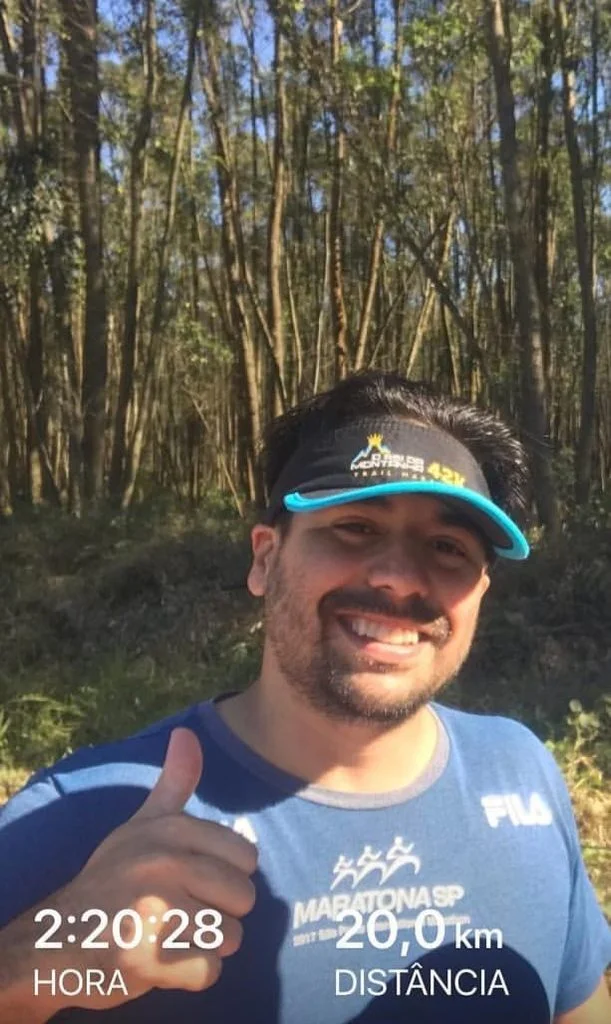
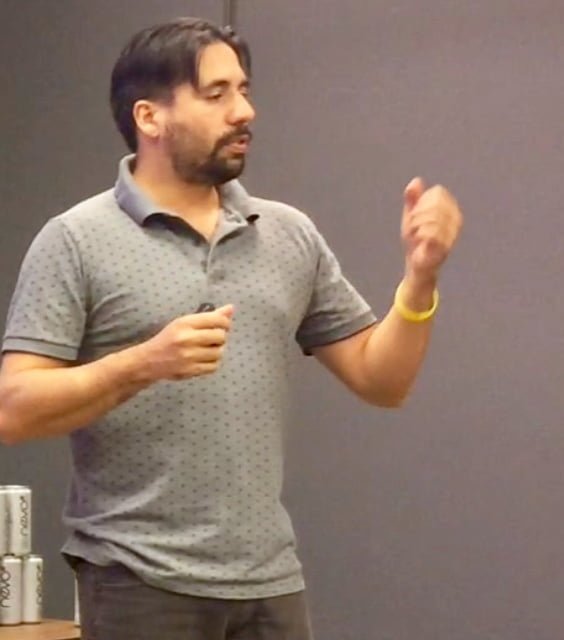
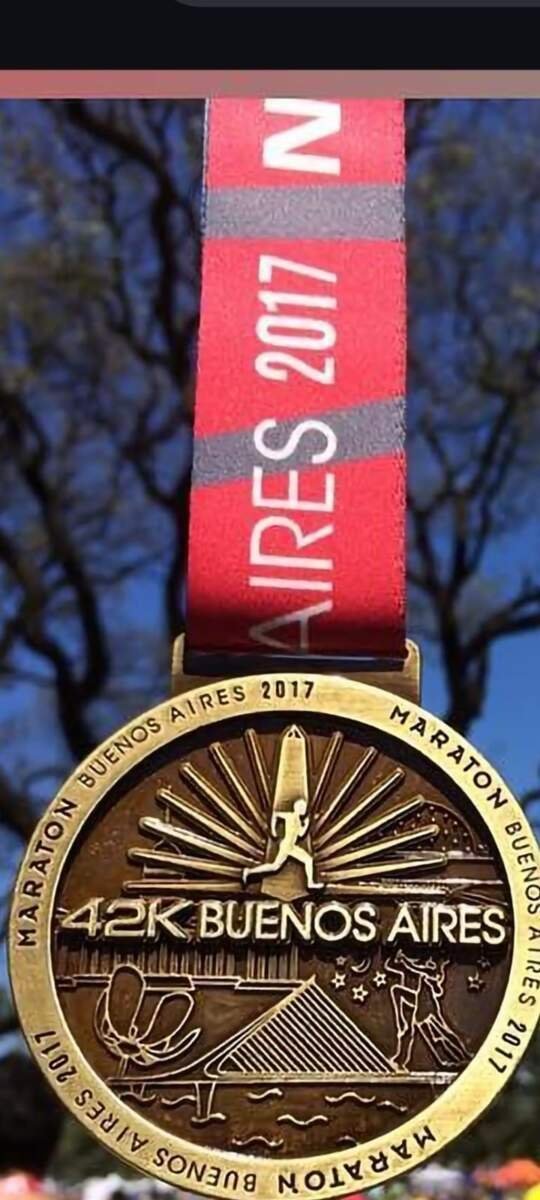
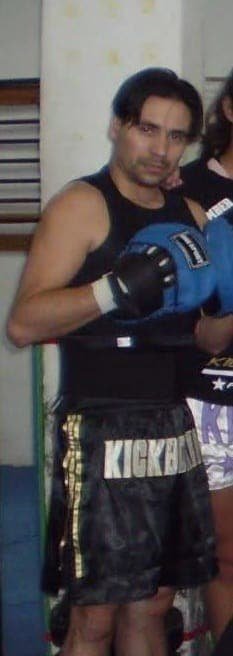
Optimizing the body demands the clinical precision of someone who operated in Radiology (Brazilian Board Certified, CRTR-SP 23595T) for years, combined with the unyielding resilience of someone who conquered multiple 42km+ mountain marathons. As an active professional, multi-pet handler, and tech benchmark researcher, at SkyTC, we bridge advanced technical science with extreme practical environments to help you biohack your active performance, optimize smart pet-tech ecosystems, and protect your structural longevit
Discover my full professional trajectory →A deeply technical piece of content that perfectly complements this post — absolutely worth the read.