
If you are setting up a massive home for your wet, chubby friends, finding the best stands for large goldfish tanks is the single most important decision you will make. It is not just about choosing a pretty piece of furniture that matches your living room rug; it is about holding up hundreds of pounds of sloshing water without bowing, cracking, or sending a tidal wave into your floorboards.
As a professional seamstress, I understand that a flawless final product relies entirely on a perfectly straight, stable foundation—if your initial cut or your sewing machine table is slightly unlevel, the entire garment pulls and distorts.
The exact same rule applies to your aquarium. Over my 8 years of keeping goldfish, including maintaining my pride and joy—a massive 100-gallon (400-liter) setup—I have seen far too many people spend thousands on high-end filters and pristine fancy goldfish, only to put their heavy glass tank on a cheap, flimsy dresser.
Choosing the wrong support is a recipe for absolute disaster. When you get this right, you gain complete peace of mind, knowing your floor is dry, your fish are safe, and your home is fully protected from a catastrophic structural failure.
Why You Need the Best Stands for Large Goldfish Tanks
Goldfish are absolute waste-producing machines, which means they require massive filtration systems and frequent, heavy water changes. This constant interaction with water means your tank stand will get wet—there is simply no escaping it.
The Good Side: A high-quality, purpose-built aquarium stand provides a perfectly flat, level surface that evenly distributes the immense weight of the water, preventing the glass panels from twisting and snapping.
The Negative Point: These dedicated stands are often incredibly heavy, very expensive to ship, and can limit your living space because they have a massive, immovable footprint.
Most people fail to realize just how heavy a large aquarium actually is. Water weighs roughly 8.34 pounds per gallon. Once you add a thick layer of heavy sand, chunky decorative rocks, and heavy glass lids, a 75-gallon setup easily pushes past 850 pounds, while a 100-gallon setup tips the scales at over 1,000 pounds.
If your stand has even a tiny fraction of an inch of flex, the uneven pressure will slowly stress the silicone joints of your tank. Over weeks or months, that tiny stress point will turn into a sudden, catastrophic seam blowout that floods your home.
The Battle of Materials: What Holds the Weight?
When looking for the best stands for large goldfish tanks, you will generally run into three main material options: solid wood, heavy-duty steel, and laminated particleboard. Each has major trade-offs that you must understand before making a purchase.
Solid wood is exceptionally beautiful and boasts incredible natural load-bearing strength. However, wood is a organic material that naturally expands and contracts with humidity; if you do not seal it with a high-grade polyurethane marine varnish, spilled tank water will seep into the joints, causing the wood to warp and crack over time.
Heavy-duty steel stands offer unmatched structural strength and a incredibly sleek, modern profile that leaves plenty of room for oversized canister filters. But if the protective powder coating gets even a microscopic scratch during installation, the constant humidity from your goldfish tank will cause the steel to rust, bubble, and structurally degrade from the inside out.
Laminated particleboard or MDF is the cheap, flat-pack stuff you find at big-box pet stores. While it is highly affordable and lightweight to transport, it is a ticking time bomb; the moment water bypasses the thin paper laminate, the pressed wood fibers swell up like a wet sponge, completely losing their structural integrity and collapsing under the weight of your tank.
The Reality of the Battlefield
Let’s talk about what actually happens in the real world, away from the glossy marketing photos and pristine showroom floors. Manufacturers love to promise that their stands are “water-resistant” and “rated for heavy loads,” but the reality of the hobby is messy, wet, and highly corrosive.
In real-life practice, cheap vinyl laminate finishes flake off around the door hinges within the first six months due to the rising humidity from your sump or canister filter.
Many popular commercial stands feature gorgeous, modern open-back designs. But this open layout means that all your noisy air pumps, dripping hoses, and unsightly power strips are completely exposed to view, turning your elegant living room display into an ugly, cluttered industrial zone.
Consider this very common horror story: A hobbyist buys a beautiful, dark espresso-colored particleboard cabinet stand. They carefully level it, fill up their brand-new 90-gallon tank, and marvel at their beautiful goldfish.
A month later, while cleaning out their massive canister filter, they accidentally spill a cup of water onto the bottom shelf. They wipe up most of it, but a small puddle pools in the back corner, completely unnoticed.
Over the next few weeks, that standing water slowly penetrates the unsealed raw edges of the cabinet floor. The fiberboard swells, the heavy side panels begin to tilt inward at a microscopic angle, and the cabinet door suddenly refuses to close properly. Within a week, the uneven load causes a loud “crack” in the middle of the night as the bottom glass pane of the aquarium fractures under the twisted pressure, releasing 90 gallons of dirty water directly into the floor joists.
In 30 Seconds
If you are in a rush and need a direct, no-nonsense verdict right now, here is the raw truth from the fish room floor:
Never, under any circumstances, buy a cheap particleboard or MDF stand for any tank larger than 40 gallons.
If you want something that will literally outlive you, buy a commercial-grade, powder-coated steel frame stand and skin it with light plywood panels for aesthetics.
If you prefer classic furniture, go with a cabinet made strictly from cabinet-grade Baltic birch plywood, and coat every square inch of the interior with waterproof pond shield or heavy-duty marine varnish to protect against unavoidable spills.
Comparing Your Best Stand Options
To help you visualize the differences, here is a breakdown of how the most common stand constructions perform under pressure:
| Stand Material Type | Weight Capacity Rating | Moisture Resistance | Average Lifespan | The Hard Truth Verdict |
|---|---|---|---|---|
| Powder-Coated Steel Frame | Extreme (Over 2,000 lbs) | Moderate (Requires intact coating) | 10+ Years | The safest structural choice, but looks like industrial shelving unless you add custom wood panels. |
| Cabinet-Grade Birch Plywood | Very High (Up to 1,500 lbs) | High (If properly sealed) | 8 to 10 Years | Excellent balance of beauty and strength, though highly dependent on the quality of the waterproof sealant. |
| Solid Hardwood (Oak/Maple) | High (Up to 1,200 lbs) | Moderate (Prone to warping) | 6 to 8 Years | Stunning heirloom quality, but heavy water spills can cause the joints to shift and twist over time. |
| Laminated MDF / Particleboard | Low (Max 500 lbs safely) | Terrible (Swells instantly) | 1 to 2 Years | An absolute trap for large tanks; a single major spill will ruin the structural safety of the stand. |
How to Choose the Best Stands for Large Goldfish Tanks
When evaluating a support system for your heavy setup, you need to look past the external paint job and inspect the actual engineering of the unit.
Look for Direct Load-Bearing Paths
A properly engineered aquarium stand should transfer the weight of the water directly from the top rim down to the floor through solid, vertical support posts. Look inside the cabinet; if the top shelf is simply held up by cheap metal cams, dowels, or side screws rather than resting directly on top of solid vertical studs, walk away immediately.
I often think of this like sewing a heavy winter coat; if the shoulder seams are not reinforced to distribute the heavy weight of the wool, the fabric will quickly stretch, sag, and tear apart at the weakest points. Your stand’s vertical posts are those critical reinforced seams.
Prioritize Complete Leveling Capabilities
Floors are almost never perfectly flat, especially in older homes or carpeted rooms. A large tank must be perfectly level to ensure the water pressure is evenly distributed across all four corners of the glass.
Look for heavy-duty steel stands that feature adjustable leveling feet with thick, wide bases that won’t dig holes into your hardwood or crack your floor tiles. If you are using a flat-bottomed wooden cabinet, you must use high-quality composite shims to level the base before adding a single drop of water.
Troubleshooting Checklist
Use this practical checklist to ensure your new stand setup is rock-solid and safe before you introduce your fish:
- Ensure the best stands for large goldfish tanks are placed on a structural, load-bearing floor that can handle 1,000+ pounds without sagging. (Insider tip: Run your stand perpendicular to your floor joists, never parallel, to distribute the heavy load across multiple wooden beams).
- Use a high-quality 4-foot carpenter’s level to check the stand from left-to-right and front-to-back before placing the empty tank on top. (Insider tip: Cheap pocket levels are wildly inaccurate; use a long, professional level for an accurate reading over a large span).
- Inspect every single pre-drilled screw hole on flat-pack stands for exposed, unlaminated wood fiber. (Insider tip: Run a thin bead of 100% silicone sealer over these exposed holes during assembly to keep moisture from creeping in).
- Ensure there is at least a 3-inch gap between the back of your stand and the wall to allow for thick filter hoses, cords, and proper air circulation. (Insider tip: If the stand is too flush, condensation will build up on the wall and cause toxic black mold).
- Run a test fill of only 2 inches of water in your tank, then re-check the levelness of the stand. (Insider tip: The massive weight of even a little water can compress carpets and cause the stand to tilt unexpectedly).
- Check that your canister filter can easily slide in and out of the cabinet doors without hitches. (Insider tip: Measure the door opening, not just the inside cabinet space; many people buy huge filters only to find they cannot squeeze them past the narrow door frames).
- Paint the entire inside cabinet of a wooden stand with white exterior semi-gloss paint. (Insider tip: The bright white color makes it incredibly easy to spot leaks, drips, or mold growth in the dark cabinet under your tank).
- Install a battery-operated water leak alarm inside the bottom of your stand cabinet. (Insider tip: This cheap little device will scream loudly the second a drop of water hits the floor, saving you from a massive flooring insurance claim).
- Route all of your power cords with a downward “drip loop” before they plug into the outlet. (Insider tip: This simple loop of wire ensures that any running water drips safely onto the floor rather than traveling straight into your electrical socket).
- Inspect the metal hinges of your cabinet doors every few months for signs of rust or squeaking. (Insider tip: Apply a thin coat of marine-grade grease to the hinges to protect them from the humid air inside the cabinet).
- Never place your heavy stand directly over a heating vent or air conditioning duct. (Insider tip: The constant blasting of dry hot or cold air will warp wooden stands and cause temperature swings in your goldfish water).
- Avoid placing a rimless glass tank directly onto a hard wooden or metal stand without a leveling mat. (Insider tip: Rimless tanks require a thin self-leveling foam mat to absorb tiny imperfections, whereas rimmed tanks must only be supported by their plastic outer frame).
Common Mistakes to Avoid
The single biggest mistake intermediate hobbyists make is trusting standard household furniture to support a large aquarium. A beautiful solid oak buffet table or a heavy-duty TV console might feel solid when you push on it, but it is not designed to handle a constant, dead weight of 800+ pounds for years on end.
Unlike aquarium stands, standard home furniture is designed to hold dynamic, distributed loads (like books, dishes, or electronics) and will slowly bow in the center over time, putting dangerous twisting stress on your glass tank.
Another massive mistake is failing to protect the floor underneath the stand. When you are maintaining a large tank, water changes are an absolute weekly chore. Splashes will happen.
If your stand is sitting directly on carpet without a waterproof plastic runner or a protective mat, that carpet will trap moisture underneath the stand, rotting your floor joists completely out of sight until the day the floor begins to sag.
👇 Looking for more performance cheats? Check out our field-tested tactical blueprints:
The Goldfish Ecosystem Blueprint
Complete your advanced technical training loop by exploring our core evergreen resources.
How to Feed Goldfish for Maximum Lifespan
A deep breakdown of digestive tract mechanics, bloating prevention, and premium sinking diets.
How to Maintain a 100 Gallon Goldfish Tank
Large-scale system parameters. Deep sand bed mechanics, nitrogen cycling, and bioload management.
Ultimate Guide to Goldfish Tank Filtration
Heavy-duty hardware configurations. Optimizing parallel canisters, bio-media setups, and automation.
Frequently Asked Questions
Can I use a regular heavy-duty workbench as a fish tank stand?
Yes, but with a major catch. While industrial steel workbenches can easily support the weight of a large tank, they are rarely designed with water in mind. The raw wood tops will warp instantly when exposed to aquarium water, and the metal legs will rust rapidly if the paint is scratched. You must thoroughly seal the wood top with multiple coats of marine varnish and ensure the metal is fully protected against corrosion.
Why is my wooden stand squeaking when I walk near the tank?
Squeaking is a clear sign of movement and structural stress. It means your floorboards are flexing under the immense weight of the tank, or the stand itself is not sitting perfectly flat on the subfloor. This constant movement is highly dangerous because it introduces dynamic vibrations to the glass panels. You need to drain the tank, locate the soft spot in your floor, and shim the stand properly to eliminate all movement.
Is a steel stand better than a wood stand for a 100-gallon tank?
For a tank of that massive size, steel is structurally superior because it does not warp, bow, or crack under immense load. It also provides a much larger open space inside the frame to house massive filtration equipment. However, wood is far better at dampening the annoying hum and vibrations of heavy-duty canister filters and air pumps, making the overall setup much quieter in a quiet living room.
How do I know if my stand is starting to fail?
Look for telltale warning signs: cabinet doors that suddenly stick or fail to align properly, hairline cracks appearing in the joints of a wooden frame, bubbling paint or rust flakes on a metal frame, or a visible gap between the bottom of the tank frame and the top of the stand. If you notice any of these signs, you must drain the tank immediately—do not wait for it to collapse.
Do I really need a foam leveling mat under my large goldfish tank?
It depends entirely on the design of your tank. If your aquarium has a plastic trim or rim around the bottom, you must never use a foam mat, as it forces the bottom glass pane upward and causes it to shatter. If you have a rimless, flat-bottomed glass tank, a foam mat is absolutely mandatory to prevent tiny wood grains or metal burrs on the stand from cracking the glass.
Can I build my own DIY stand out of 2×4 lumber?
You can, and it is often much stronger than cheap commercial stands, but only if you have basic carpentry skills and a perfectly flat work surface. The biggest issue with DIY 2×4 stands is that construction lumber is often damp, twisted, and warped right off the hardware store shelf. If your cuts are not perfectly square, the frame will be twisted, creating uneven pressure points on your tank.
How long does a typical commercial wood stand last?
If you are meticulous about wiping up every single drop of spilled water immediately, a high-quality plywood stand can easily last a decade. However, if you are sloppy during water changes and let water pool around the base, cheap laminate and MDF stands can become structurally unsafe in as little as one to two years.
What should I do if my floor is not level where I want the tank?
You must level the stand, never the tank itself. Use heavy-duty, load-rated composite shims under the base of the stand to level it before adding water. Never use cheap wooden shims, as the immense weight of a large tank will crush the soft pine wood over time, causing the tank to tilt and stress the glass seams.
🛡️ │ WHY TRUST SKYTC GOLDFISH CARE CURATION?
At SKYTC, we hold aquatic ecosystem biology and biological parameter handling to a rigorous standard. We are not an automated affiliate review engine; we apply hands-on tests and serious filtration engineering workflows to ensure every recommendation guarantees the health and maximum lifespan of your fish with absolute safety.
✓ Engineering:
Structural experience backed by heavy-duty filtration math, continuous hydraulic turnover metrics, and robust mechanical support for large-scale coldwater systems.
✓ Expertise:
Focuse on preventative biological husbandry and premium nutrition. Thoroughly auditing biological media, sinking feeds, and elements that completely neutralize ammonia spikes.
✓ Authority:
Curation signed by real keepers running a balanced 100-gallon display ecosystem for over 8 years, pairing daily practical benchwork with direct wholesale breeder insights.
✓ Trust:
Product selections built on unfiltered transparency—exposing actual electrical draws, heat dissipation issues, and hidden costs before any Amazon recommendations.
📸 Our Journey in the Real World
From daily living room tank turn rates to macro-scale breeding setups.
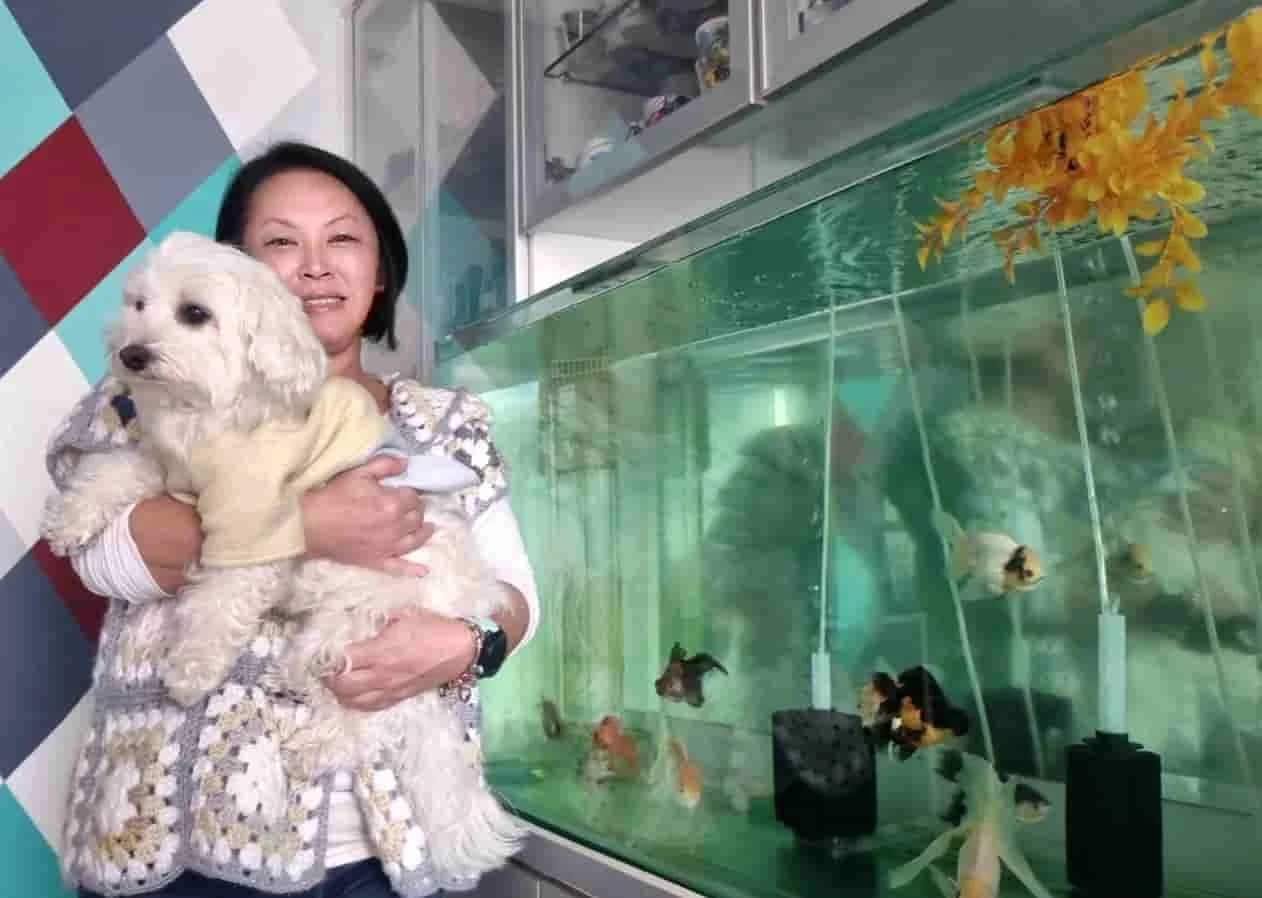
🏠 The 100G Lab
Where we torture test every hardware option, pellet line, and filter layout live.

🏃♀️ Grit & Eye
Marathon endurance meets the precise, millimeter structural focus of a seamstress.
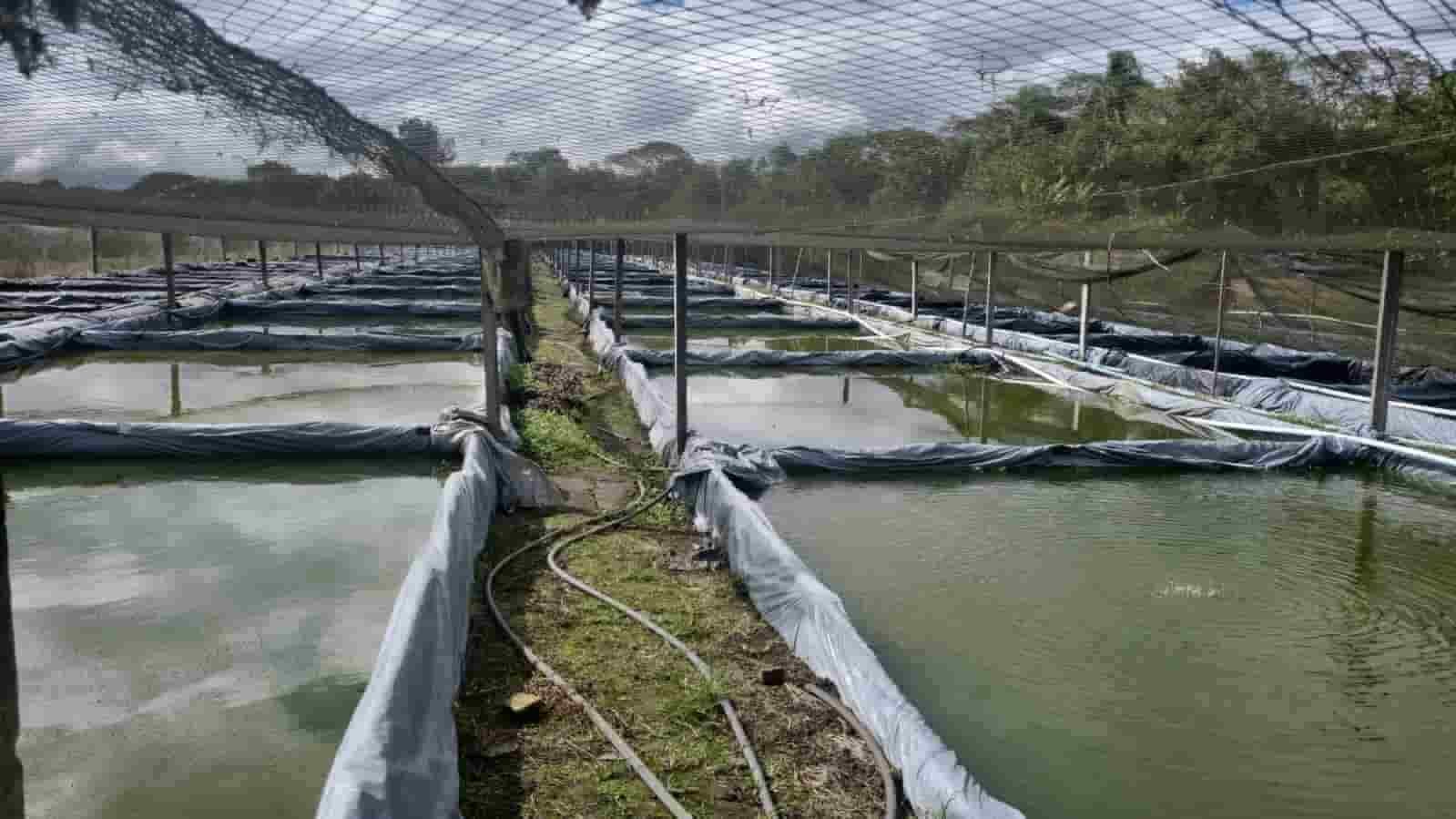
🐳 Monster Vats
Analyzing massive continuous turnovers inside large open-air mud farm vats.
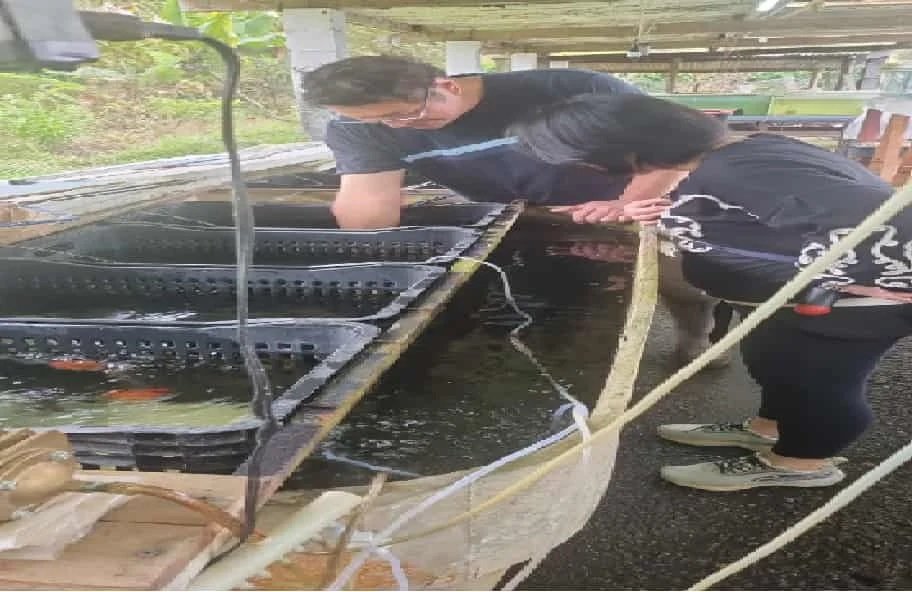
🤝 True Alliances
Working hand-in-hand with regional facility operations to target elite fancy bloodlines.
Read also: How Heavy Is a 100 Gallon Fish Tank
A deeply technical piece of content that perfectly complements this post — absolutely worth the read.