
If you woke up today, walked over to your aquarium, and panicked because your bright orange fish is suddenly sporting dark, smudgy patches, you are probably asking yourself: why is my goldfish turning black? Don’t beat yourself up just yet—this is actually one of the most common panic-triggers in the entire hobby, and it usually has a very clear, logical explanation.
As someone who has spent the last eight years obsessing over fish care while balancing my daily long-distance runs and my day job as a professional seamstress, I have seen almost every color transition imaginable. In my 100-gallon (400-liter) aquarium, I have watched fish morph from jet black to brilliant orange, and back again. Sometimes this is due to perfectly harmless genetics, and other times it is because of invisible dangers lurking in the water.
This deep-dive guide is designed to give you absolute peace of mind. By the end of this article, you will know exactly how to diagnose the dark smudges on your finned friend, correct the underlying environmental causes, and save yourself from buying useless, overpriced medications that do more harm than good.
Understanding the Panic of the Black Spot
Seeing your fish change color can make your stomach drop, especially if you are a beginner who is already overwhelmed by the steep learning curve of keeping an aquarium. You might feel like you are doing everything wrong, or worry that your pet is suffering.
Let’s get one thing straight: active validation of your fear is normal, but panic won’t fix your tank. We are going to break down the science of what is happening under those scales so you can act with calm, razor-sharp precision.
The Biological Reasons Behind Why Is My Goldfish Turning Black
Let’s look at the main culprit: Ammonia Burns. When toxic waste levels spike in an aquarium, the chemical literally burns the fish’s delicate skin and gills. The black color you are seeing is actually a scab—it is melanin rushing to the surface to heal the damaged tissue.
- The Good Side: Seeing black patches appear after a major water parameter issue actually means your fish is surviving the crisis and its body is actively healing itself.
- The Negative Point: Although the black spots show healing, it is a blunt, undeniable warning that your aquarium water was recently a toxic soup, and your biological filter completely failed to do its job.
In my sewing workshop, I work with fabrics that shift colors depending on how the light catches the weave. Goldfish are surprisingly similar; their genetics dictate a fluid spectrum of colors that can change as they mature.
However, while watching a young fish naturally change from black to orange is a beautiful, stress-free process, the reverse transition (orange to black) is almost always triggered by external stressors or environmental shifts, meaning you must never assume it is just “natural” without checking your water parameters first.
The Reality of the Battlefield
In the real-world hobby, we are constantly bombarded with marketing promises from big-box brands selling us miracle cures and “foolproof” equipment. Let’s look at the gear we trust to keep our tanks alive, and how it fails us when we need it most.
For example, cheap paper test strips promise instant, laboratory-grade results with a simple dip. But the hard reality is that these color-matching pads are notoriously inaccurate and easily ruined by humidity, often reading a safe “zero” ammonia when your water is actually boiling with deadly chemicals.
Similarly, multi-stage hang-on-back filters are praised for their convenience and multi-stage media cartridges. However, the internal carbon cartridges in these systems clog up within a week, forcing water to bypass the filtration media entirely and dump raw debris right back into your display tank.
Even high-end, biological ceramic media balls claim to provide massive surface area for beneficial bacteria. But in a high-waste environment like a goldfish tank, these porous stones quickly glaze over with thick organic slime, suffocating the bacteria and causing sudden, unexplained ammonia spikes.
Common Mistakes: The Soap and Scrub Disaster
Let’s paint a picture of a classic, heartbreaking mistake that even intermediate keepers make when they notice their fish looks sick. Imagine waking up to find your beloved fancy goldfish covered in black streaks. You assume the tank must be “dirty,” so you drag the heavy filter over to the kitchen sink.
You turn on the hot tap, grab a sponge, and scrub the filter pads until they are sparkling clean and white as snow. You even use a splash of dish soap to get rid of the “bad” smell. You put everything back, fill the tank with fresh tap water, and sit back, expecting your fish to improve.
Within forty-eight hours, your goldfish is gasping at the surface, and its tank mates are dying. Why? By scrubbing the filter media in hot, chlorinated water (and using soap), you completely wiped out the entire colony of beneficial bacteria.
You essentially reset the biological cycle of your tank, exposing your fish to a massive, lethal wave of raw ammonia. Never, under any circumstances, wash your biological media in anything other than used tank water.
In 30 Seconds: The Blunt Verdict
If your goldfish is turning black, check your water chemistry immediately.
Ninety percent of the time, those black patches are scabs from healing ammonia burns.
The ammonia spiked, damaged their skin, and now that the levels have dropped, the body is repairing itself.
Don’t buy expensive chemical medications or cure-alls; just grab a reliable liquid test kit, perform a partial water change, and let the biological filter do its work.
How the Color-Change Scenarios Compare
| Issue Identified | Visual Appearance | Underlying Cause | Immediate Fix | High-End Tool Needed |
|---|---|---|---|---|
| Ammonia Burns | Smudgy black patches on fins/body | High ammonia drop, skin healing | 30% water change & water conditioner | Liquid parameter test kit |
| Genetic Shift | Symmetrical, gradual color loss | Natural maturity, Moor genes | None needed, observe behavior | High-quality color pellets |
| Black Spot Disease | Tiny, raised black dots like sand | Parasitic flatworm infestation | Quarantining and copper treatments | Specialized hospital tank |
| Stress Melanin | Faint graying or dark edges on fins | Poor water parameters, low oxygen | Increase aeration and clean substrate | Air pump with dual air stones |
The Master Bench Troubleshooting Checklist
Here is a practical checklist for keeping your filtration and water parameters running perfectly.
- Diagnose why is my goldfish turning black by testing your water parameters with a high-quality liquid test kit. Insider trick: Throw away those cheap paper test strips immediately; they are wildly inaccurate and will lie to your face while your fish are suffering.
- Verify your ammonia and nitrite levels read exactly zero parts per million. Insider trick: If you see even a trace of light green or purple on your liquid test tubes, your biological cycle has crashed and you must act fast.
- Perform a 30% water change using a premium water conditioner that detoxifies heavy metals and chlorine. Insider trick: Never drain more than 50% of the water at once during a crisis, as sudden parameter swings will shock an already weak fish.
- Vacuum the gravel thoroughly to remove trapped decaying food and fish waste. Insider trick: Goldfish are absolute waste machines, and a dirty substrate is a ticking time bomb for bacterial blooms.
- Clean your filter sponges only in a bucket of drained tank water, never under the tap. Insider trick: Chlorine in tap water is a chemical weapon that instantly murders the beneficial nitrifying bacteria living in your filter.
- Increase oxygenation immediately by adding a powerful air pump and air stones. Insider trick: Healing fish require significantly more oxygen, and warm water holds less gas, making extra aeration a lifesaver.
- Stop feeding your fish temporarily for 24 to 48 hours during an ammonia spike. Insider trick: Your fish won’t starve, but adding more food to a crashed system just adds fuel to the chemical fire.
- Add a high-quality biological starter bacterial culture directly to your filter media. Insider trick: Avoid the bargain-bin brands; buy a concentrated, reputable booster to kickstart your biological cycle on the bench.
- Check for physical signs of scratching or flashing against decorations. Insider trick: If your fish is rubbing its body on the gravel, those black spots might be a reaction to a parasitic hitchhiker rather than a water burn.
- Maintain a stable water temperature between 68°F and 74°F (20°C to 23°C). Insider trick: Sudden temperature swings weaken a goldfish’s immune system, leaving them highly vulnerable to opportunistic secondary infections.
- Avoid adding aquarium salt unless you are absolutely sure of the diagnosis. Insider trick: While salt is great for slime coat stimulation, overdosing it can irritate healing skin and cause further stress.
- Keep your tank lights off for a few days to minimize stress during the healing process. Insider trick: Darkness acts like a natural sedative for fish, helping them conserve energy to fight off environmental damage.
👇 Looking for more performance cheats? Check out our field-tested tactical blueprints:
The Goldfish Ecosystem Blueprint
Complete your advanced technical training loop by exploring our core evergreen resources.
How to Feed Goldfish for Maximum Lifespan
A deep breakdown of digestive tract mechanics, bloating prevention, and premium sinking diets.
How to Maintain a 100 Gallon Goldfish Tank
Large-scale system parameters. Deep sand bed mechanics, nitrogen cycling, and bioload management.
Ultimate Guide to Goldfish Tank Filtration
Heavy-duty hardware configurations. Optimizing parallel canisters, bio-media setups, and automation.
Frequently Asked Questions
Can a goldfish turn black from old age?
No, that is a myth. Goldfish actually tend to lose their dark pigments as they get older, often turning from black to bright orange or white. If an older orange fish is suddenly developing black patches, it is almost certainly a sign of water quality issues or physical injury, not natural aging.
Do black spots hurt my fish?
The black spots themselves do not hurt because they are just healing tissue, much like a scab on your arm. However, the initial ammonia burn that caused those spots was incredibly painful and stressful for the fish. The healing phase is comfortable, but the event that triggered it was a major crisis.
Will the black color ever go away?
Yes, in most cases, the black patches will completely fade back to the fish’s normal orange or white color once the skin is fully repaired. This process can take anywhere from a few weeks to a couple of months, depending on the severity of the initial burn and the cleanliness of your water.
Is there a medication I can buy to cure black spots?
Stop looking for a magic bottle because there is no chemical cure for healing tissue. Adding commercial medications to a tank with healing fish will only stress their kidneys and gills further. The only “medicine” your fish needs right now is pristine, chemical-free water and time.
Should I put my goldfish in a quarantine tank if it’s turning black?
No, there is no need to isolate the fish unless it is being actively bullied by its tank mates. Ammonia burns affect the entire tank, meaning your main display aquarium is the source of the problem. Moving the fish to an uncycled quarantine tank will only expose it to more ammonia stress.
Why did my black moor goldfish turn bright orange?
This is completely normal and down to genetics. Many Black Moors carry a recessive gene that causes them to lose their dark velvet pigment as they mature. Once that black pigment fades, it reveals the bright orange base color underneath, and it will almost never turn black again.
How long does it take for ammonia burns to heal?
The active healing process usually starts within three to five days after water parameters return to safe levels. You will see the black patches appear first, and they will gradually shrink and fade away over the course of two to six weeks if the water stays clean.
Can bad lighting cause my goldfish to turn black?
While low-light conditions can cause a goldfish’s colors to look slightly duller over time, it will never cause sudden, localized black spots or streaks. If you see distinct black smudges, do not blame your light fixtures; blame your water parameters and test your ammonia immediately.
🛡️ │ WHY TRUST SKYTC GOLDFISH CARE CURATION?
At SKYTC, we hold aquatic ecosystem biology and biological parameter handling to a rigorous standard. We are not an automated affiliate review engine; we apply hands-on tests and serious filtration engineering workflows to ensure every recommendation guarantees the health and maximum lifespan of your fish with absolute safety.
✓ Engineering:
Structural experience backed by heavy-duty filtration math, continuous hydraulic turnover metrics, and robust mechanical support for large-scale coldwater systems.
✓ Expertise:
Focuse on preventative biological husbandry and premium nutrition. Thoroughly auditing biological media, sinking feeds, and elements that completely neutralize ammonia spikes.
✓ Authority:
Curation signed by real keepers running a balanced 100-gallon display ecosystem for over 8 years, pairing daily practical benchwork with direct wholesale breeder insights.
✓ Trust:
Product selections built on unfiltered transparency—exposing actual electrical draws, heat dissipation issues, and hidden costs before any Amazon recommendations.
📸 Our Journey in the Real World
From daily living room tank turn rates to macro-scale breeding setups.
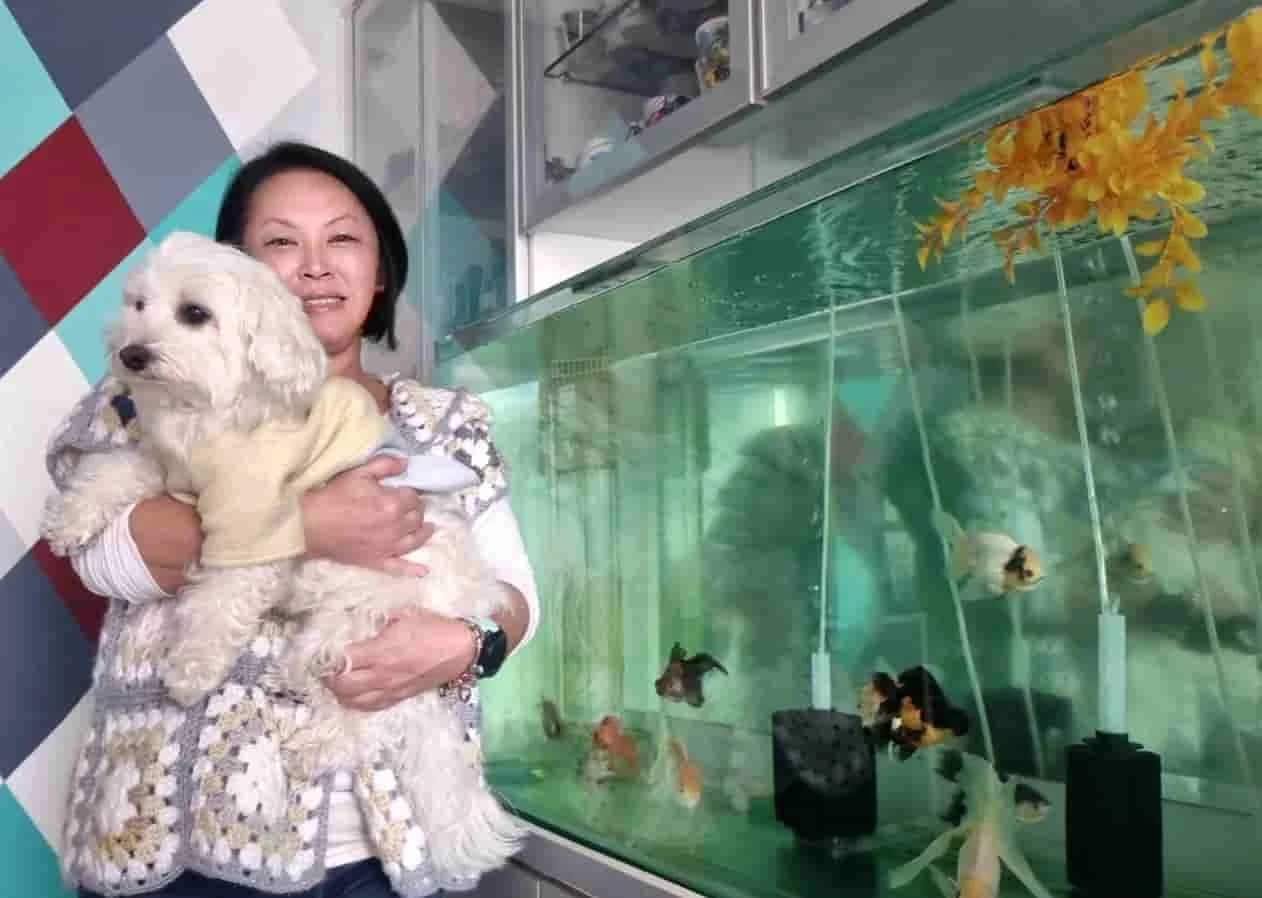
🏠 The 100G Lab
Where we torture test every hardware option, pellet line, and filter layout live.

🏃♀️ Grit & Eye
Marathon endurance meets the precise, millimeter structural focus of a seamstress.
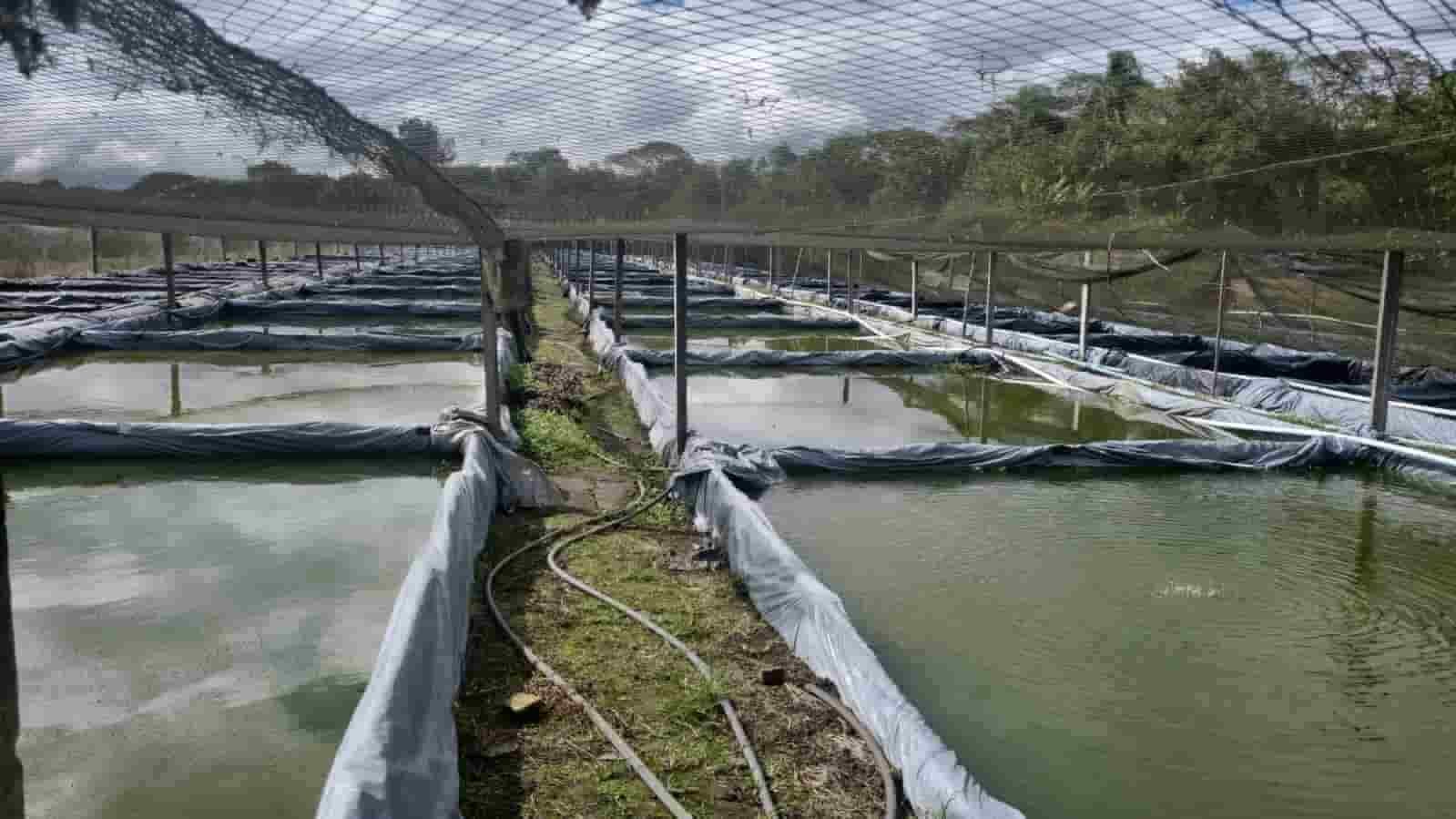
🐳 Monster Vats
Analyzing massive continuous turnovers inside large open-air mud farm vats.
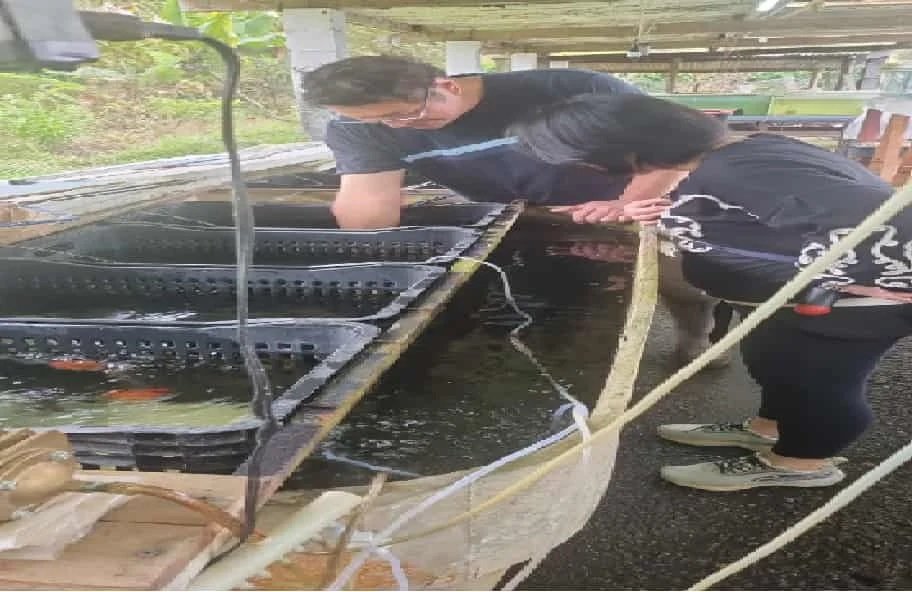
🤝 True Alliances
Working hand-in-hand with regional facility operations to target elite fancy bloodlines.
Read also: Goldfish Gasping at Surface Fix
A deeply technical piece of content that perfectly complements this post — absolutely worth the read.