

You haul five-gallon buckets across your living room floor until your lumbar spine screams, stare down an aquarium nitrate test kit reading deep crimson, and wonder why your water changes never seem to make a dent. Then you hit an online forum where some self-proclaimed guru tells you that dumping a massive four-inch sand bed into your freshwater tank is the ultimate set-and-forget miracle. Understanding whether does deep sand lower aquarium nitrates is the difference between running a healthy, stable biological ecosystem or burying a toxic ticking chemical time bomb right beneath your fish.
In the saltwater reef world, deep sand beds (DSBs) have been debated for decades. But when freshwater hobbyists—especially folks keeping waste-heavy monsters like fancy goldfish—try to copy marine setups without understanding microbial respiration, disaster follows fast. Freshwater lacks the massive population of micro-crustaceans, polychaete worms, and burrowing detritivores that gently turn over marine sand without introducing oxygen.
Tearing down the myths around deep substrate saves you countless hours of wasted labor, spares your joints from lugging dozens of unnecessary utility buckets, and stops you from flushing hard-earned cash on gimmick powders and useless filter add-ons. By understanding the mechanical reality of anoxic and anaerobic layers, you protect your aquatic pets from catastrophic mass-gas poisoning and build a maintenance routine that works with physics instead of against it.
I am Marcia Okabe. I have spent eight straight years managing complex, heavy-bioload freshwater tanks, including my showpiece 100-gallon (400-liter) living room system packed with ravenous fancy goldfish. When I am not working with millimeter precision as a professional seamstress or logging twenty-mile training runs on the asphalt, I am tearing down filters, testing water parameters, and ripping apart bad pet-shop advice. Let us cut through the forum sales fluff and put deep sand under the microscope.
The Water Parameter: The Nitrate Cycle
Here is the straight counter talk from someone who has tested thousands of gallons of water: in ninety-nine percent of freshwater aquariums, deep sand beds will not lower your nitrates by any measurable margin. Nitrifying bacteria turn toxic ammonia into nitrite, then into nitrate with blazing speed because oxygen is plentiful. Denitrifying bacteria—the elusive heterotrophs that strip oxygen atoms off nitrate molecules (NO3) to release harmless nitrogen gas (N2)—require a strict hypoxic or anoxic environment with a dissolved carbon food source.
The tactical cheat code is accepting that freshwater deep sand compacts into an oxygen-starved cement block. Instead of gentle denitrification, organic fish waste trapped deep in the grain matrix rots via sulfate-reducing bacteria, generating deadly hydrogen sulfide gas and black iron sulfide pockets. If you want zero nitrates, you rely on high-volume water changes, aggressive mechanical detritus export, and fast-growing terrestrial emersed plants like pothos. Deep sand in a freshwater tank is a high-risk gamble that pays zero dividends.
| Substrate Architecture | Anaerobic Zone Potential | Hydrogen Sulfide Risk | Mechanical Maintenance Load | Real Nitrate Reduction |
|---|---|---|---|---|
| Bare-Bottom Setup (0 inches) | None (Purely aerobic) | Zero Risk | Ultra-Low (Instant siphoning) | Zero (Requires manual export) |
| Shallow Sand Bed (0.5 to 1.5 in) | Extremely Low (Full oxygenation) | Negligible | Low to Moderate | Zero to Minimal |
| Deep Sand Bed (3.5 to 5+ inches) | High (Dense core zone) | Extreme (Compacted rot) | High (Risk of gas release) | Unreported / Inconsistent |
| Plenum Bed (Divided Grid Core) | Moderate (Controlled anoxic) | Moderate | Extreme (Complex build) | Trace (Easily depleted) |
| Coarse Gravel (2 to 3 inches) | Low (High hydraulic flow) | Low (Trap detritus only) | Heavy (Requires deep gravel vac) | Zero (Acts as nitrate factory) |
The Bare-Metal Trial: Pros, Cons, and Real-World Wear
Running different substrate depths reveals brutal engineering tradeoffs that glossy pet-shop displays never disclose. A shallow sand bed of roughly one inch provides an incredible aesthetic base, gives bottom-feeders a natural medium to forage through, and provides substantial surface area for standard aerobic nitrifying bacteria.
The Good: Keeps metabolic debris sitting directly on top of the substrate where canister filter intakes and surface currents can grab it, completely preventing toxic stagnant pockets. The Bad: It does nothing to process nitrates; you are completely on the hook for regular weekly water changes to prevent your parameter curves from spiking into the danger zone.
On the opposite end, attempting a true deep sand bed of four to five inches promises the holy grail of zero maintenance by supposedly mimicking natural lake bottoms.
The Good: In hyper-specialized setups with ultra-low stocking and specific carbon dosing, small pockets of denitrification can theoretically occur. The Bad: In reality, fine sand compacts under water pressure like wet concrete, suffocating water movement; detritus rots internally, gas bubbles build up, and your tank transforms into an ecological hazard that will wipe out your livestock the second the substrate is disturbed.
How Does Deep Sand Lower Aquarium Nitrates in Real Setups
To understand the biological bottleneck behind whether does deep sand lower aquarium nitrates, you must look at interstitial fluid velocity—the speed at which water creeps between sand grains. For anaerobic denitrification to occur without brewing poison, water must flow through an anoxic zone (extremely low oxygen, roughly 0.1 to 0.5 mg/L) at a microscopic crawl.
Here is the lab macete: if water moves too fast, dissolved oxygen floods the zone, instantly shutting down denitrifying enzymes because bacteria prefer burning easy oxygen over tough nitrate bonds. If water stops moving entirely—which happens in compacted fine freshwater sand—the bacteria burn through all available nitrate instantly and switch to consuming sulfates. The byproduct? Hydrogen sulfide (H2S), a lethal neurotoxin that smells like rotten eggs, binds to fish hemoglobin, and halts cellular respiration dead in its tracks.
The Wet-Bench Trial: Real Pump and Media Degradation
High-end canister filters and commercial sump pumps are precision-machined hydraulic tools, but running deep, fine sand beds introduces catastrophic abrasive hazards to your mechanical filtration loop. Manufacturers rate their flow capacities using clean, fluid dynamics models, completely ignoring what happens when active, heavy-bodied fish stir up fine particulate near intake screens.
The mechanical truth is unforgiving: heavy fish like goldfish constantly sift and spit substrate, suspending ultra-fine silica dust directly into the water column. As these micro-particles bypass coarse intake sponges, they enter the canister pump chamber and act like liquid grinding compound against the spinning magnetic rotor. Ceramic impeller shafts develop severe longitudinal friction grooves, rubber end-caps ovalize under thermal friction, and the dynamic motor head seal begins weeping water onto your flooring. Furthermore, fine sand silt coats biological media pores, suffocating nitrifying biofilms and causing sudden, unexplainable biological filtration crashes.
The Substrate Eruption Disaster: A Field Post-Mortem
Let us dissect a classic disaster that lands in my inbox monthly: an intermediate keeper decides to install a four-inch fine silica sand bed in an established 75-gallon tank, convinced it will eliminate their weekly water change chores. For six months, the tank looks immaculate on the surface because solid waste is slipping down into the dense lower layers, hidden from sight.
One evening, the owner notices a dark, discolored patch along the bottom glass. Thinking it looks messy, they plunge a standard gravel siphon straight down to the base of the tank and churn the bed vigorously. A massive cluster of silver gas bubbles erupts to the surface, releasing a repulsive rotten-egg stench that fills the room. Within ten minutes, the entire school of fancy goldfish is spinning uncontrollably, gasping wildly at the surface with flared gills, and resting upside down. The liberated hydrogen sulfide and anaerobic sludge stripped the oxygen out of the water column and poisoned the fish’s bloodstreams instantly, forcing an emergency midnight livestock evacuation.
Smarter Guides for a Healthier Aquarium
Practical aquarium guides for cleaner water, healthier fish, better filtration, and long-term tank stability.
Eliminate Aquarium Algae Naturally
A practical field guide to controlling aquarium algae naturally while building a healthier and more balanced aquatic environment.
Master Aquarium Water Chemistry and Bio
Learn how to manage water chemistry, biological filtration, and heavy bioload conditions for a more stable aquarium.
Care for Fancy Goldfish in Large Tanks
A detailed guide to creating the right environment, care routine, and tank conditions for fancy goldfish.
Ultimate Guide to Goldfish Tank Filtration
Understand filtration options, flow, media, and maintenance strategies for keeping goldfish tanks clean and stable.
Maintain a 100 Gallon Goldfish Tank
A practical maintenance system for managing a large goldfish aquarium, including cleaning, water changes, and routine care.
Feed Goldfish for Maximum Lifespan
Learn how feeding frequency, food quality, portions, and routine can support healthier and longer-lived goldfish.
The Filter Cycle: Parametric Water Management Checklist
- Assess whether does deep sand lower aquarium nitrates effectively.
Expert Tip: Rely on water changes and plant mass rather than deep substrate beds for verifiable nitrate reduction in freshwater systems. - Cap freshwater sand bed depth at two inches maximum.
Expert Tip: Keeping sand beds shallow ensures standard foraging activity naturally oxygenates the grains, eliminating stagnant anaerobic dead zones. - Install coarse pre-filter intake sponges over canister intake pipes.
Expert Tip: Mechanical pre-filters block sieved sand grains from entering the impeller well, preventing ceramic shaft friction shearing. - Skim surface detritus weekly using gentle siphon sweeping techniques.
Expert Tip: Hovering the siphon tube a half-inch above the sand lifts loose fish waste without disturbing the settled substrate bed. - Deploy heavy emergent root-feeding plants like terrestrial pothos vines.
Expert Tip: Emergent foliage draws unlimited atmospheric carbon dioxide, enabling explosive root-driven nitrate consumption directly from the water column. - Aerate aquarium water aggressively using high-output commercial diaphragm pumps.
Expert Tip: Heavy surface agitation maximizes oxygen saturation, preventing accidental hypoxic crashes in setups with heavy organic loads. - Poke deep sand areas regularly using blunt stainless-steel skewers.
Expert Tip: Manually venting thick substrate beds every few weeks releases micro-gas pockets before they compound into massive toxic plumes. - Choose uniform grain sizes between one and two millimeters.
Expert Tip: Uniform grain diameter prevents smaller particles from packing between larger ones, reducing the risk of impenetrable substrate compaction. - Inspect ceramic pump shafts during monthly canister filter overhauls.
Expert Tip: Check for abrasive score marks along the ceramic spindle to prevent unexpected rotor lockups and motor head overheating. - Maintain strict weekly baseline water exchange schedules without fail.
Expert Tip: Physical water removal remains the only infallible, foolproof method to reset inorganic nitrate accumulation and replenish mineral buffers. - Calibrate chemical test kits against certified laboratory standard solutions.
Expert Tip: Liquid nitrate testing reagents expire and drift, creating false readings that fool keepers into making disastrous management changes.
The Goldfish Ecology: Straight Answers to Filtration Queries
Can freshwater anaerobic bacteria lower nitrates as well as marine setups?
No. Freshwater lacks the specialized burrowing macrofauna required to maintain steady, microscopic fluid channels through deep sand without introducing oxygen. Freshwater deep sand simply compacts, rotting into an anaerobic hazard.
Does hydrogen sulfide gas kill aquarium fish instantly?
Yes. Hydrogen sulfide is an acute neurotoxin that paralyzes the respiratory system and strips dissolved oxygen from the water instantly. A large gas pocket eruption can kill a full tank of fish in minutes.
Are black patches beneath the sand always dangerous?
Black coloration indicates iron sulfide formation, proving that anoxic conditions and sulfate-reducing bacteria are active. While small spots are common, extensive black zones mean your bed is rotting and needs immediate shallowing.
How deep can aquarium sand be before it turns dangerous?
Anything over two inches in a freshwater tank with fine sand is entering the danger zone. Stick to an inch or an inch and a half to allow natural fish foraging to keep the bed aerated.
Can Malaysian Trumpet Snails prevent deep sand bed gas pockets?
They help churn the top inch or two, but they are not a silver bullet. If your tank has an extreme bioload, snails cannot burrow deeply enough to prevent fine sand compaction in four-inch beds.
Is a bare-bottom tank better for controlling nitrates than sand?
Yes, by a mile. Bare-bottom setups allow you to see and siphon out every single speck of fish poop before it breaks down into nitrate, cutting your water change burden in half.
Do specialized anaerobic nitrate-removing filter media blocks work?
Only under hyper-controlled, low-flow bypass conditions with supplemental organic carbon dosing. In standard filter trays with high water velocity, oxygen floods the blocks, turning them into standard aerobic bio-media.
What is the safest way to remove an old, deep sand bed?
Never scoop it all out while fish are in the tank. Remove your livestock to holding tubs, drain the tank completely, scoop out the rotting sand, rinse the bare glass, and refill before reintroducing your fish.
🛡️ │ WHY TRUST SKYTC GOLDFISH CARE CURATION?
At SKYTC, we hold aquatic ecosystem biology and biological parameter handling to a rigorous standard. We are not an automated affiliate review engine; we apply hands-on tests and serious filtration engineering workflows to ensure every recommendation guarantees the health and maximum lifespan of your fish with absolute safety.
✓ Engineering:
Structural experience backed by heavy-duty filtration math, continuous hydraulic turnover metrics, and robust mechanical support for large-scale coldwater systems.
✓ Expertise:
Focuse on preventative biological husbandry and premium nutrition. Thoroughly auditing biological media, sinking feeds, and elements that completely neutralize ammonia spikes.
✓ Authority:
Curation signed by real keepers running a balanced 100-gallon display ecosystem for over 8 years, pairing daily practical benchwork with direct wholesale breeder insights.
✓ Trust:
Product selections built on unfiltered transparency—exposing actual electrical draws, heat dissipation issues, and hidden costs before any Amazon recommendations.
📸 Our Journey in the Real World
From daily living room tank turn rates to macro-scale breeding setups.

🏠 The 100G Lab
Where we torture test every hardware option, pellet line, and filter layout live.

🏃♀️ Grit & Eye
Marathon endurance meets the precise, millimeter structural focus of a seamstress.
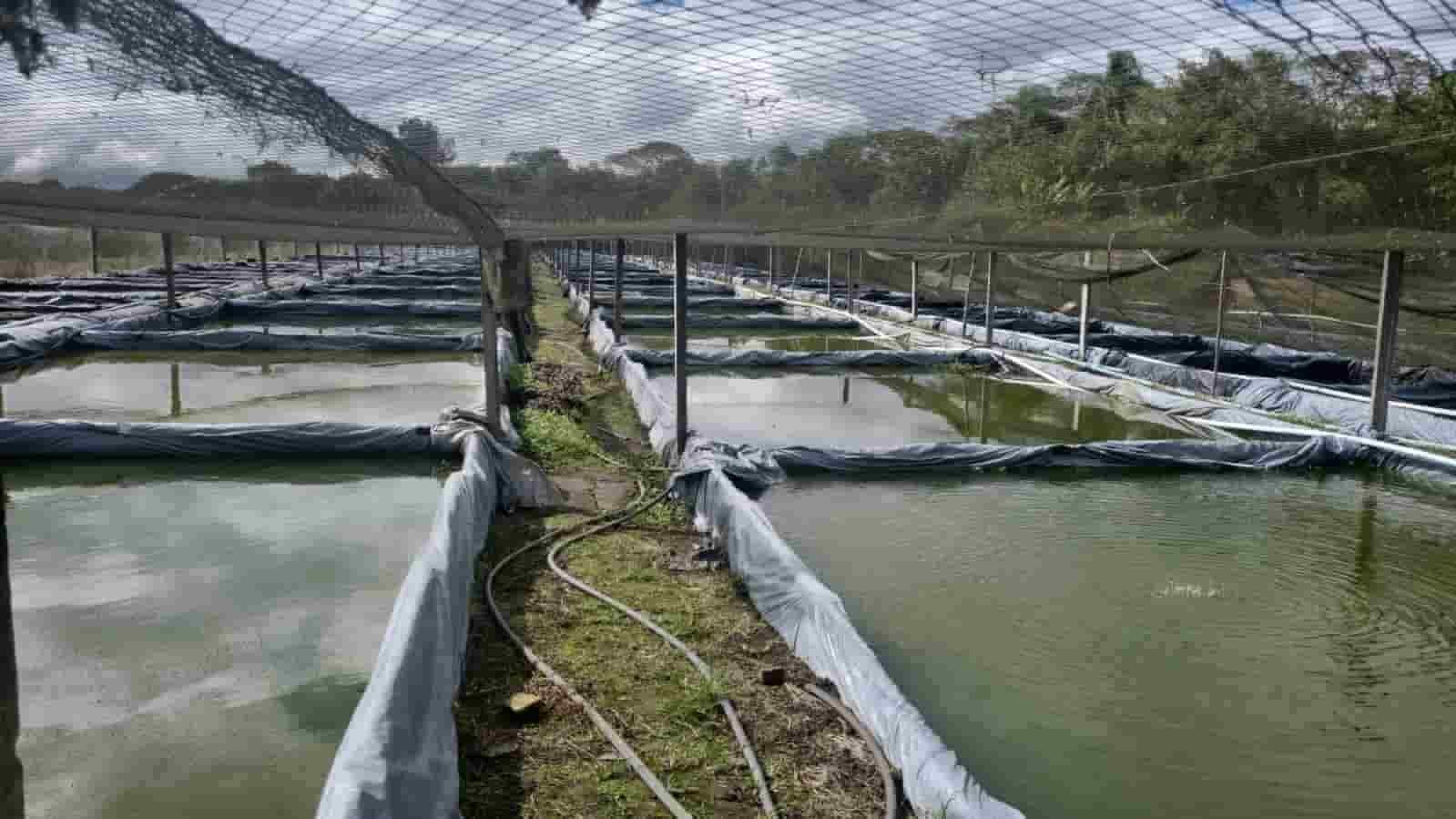
🐳 Monster Vats
Analyzing massive continuous turnovers inside large open-air mud farm vats.
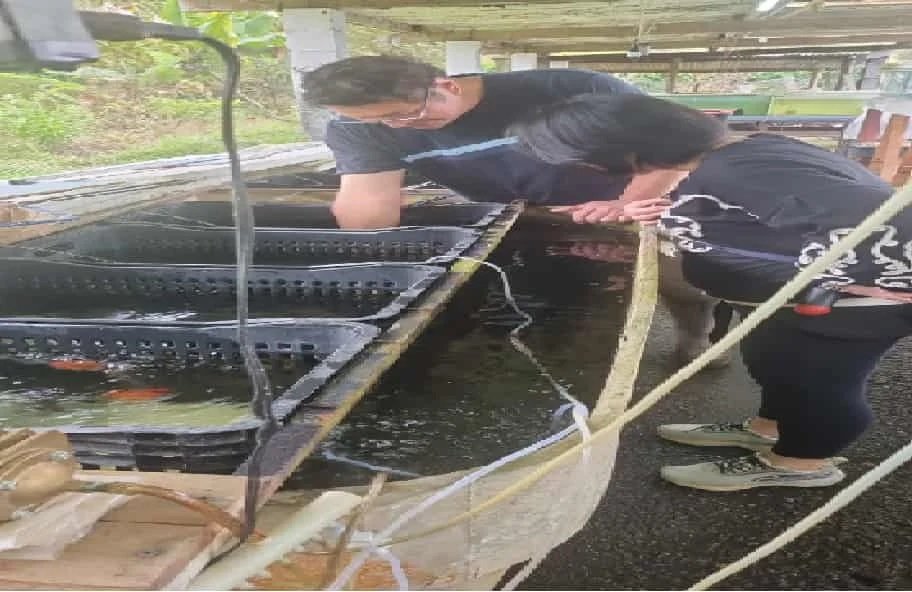
🤝 True Alliances
Working hand-in-hand with regional facility operations to target elite fancy bloodlines.
Read also: When to Replace Bio Filter Media Tech: The No-Fluff Guide to Biological Filtration Lifespans
RAW WET-BENCH WARNING: Fine particulate ingestion into high-velocity canister filter loops causes severe magnetic shaft friction shearing, leading to a catastrophic drop in pump head pressure and unrecoverable dynamic pump seal leaks.