
Seeing your beautiful aquatic pet swim around with bloody, red-streaked fins is an absolute nightmare that can make any hobbyist panic. If you are desperate to save your fish from this painful condition, you need an immediate, practical Goldfish Red Streaks on Fins Fix that actually works before the damage becomes permanent.
As a professional seamstress, I know how easily a single loose thread can unravel an entire piece of fabric if you don’t catch it early. In my spare time, I run long distances, which has taught me that the secret to overcoming any massive challenge is patience and steady, disciplined steps.
For over eight years, I have applied this exact combination of precision and patience to maintaining my own 100-gallon (400-liter) aquarium. When your fish shows red veins on its tail, it is not a random occurrence; it is a clear SOS signal that we can easily decode and resolve together.
Why Your Goldfish Has Bloody Red Streaks on Its Fins
A goldfish’s fins are not just pieces of decorative plastic; they are highly delicate, living membranes packed with tiny, fragile blood vessels called capillaries. When a goldfish is healthy, these blood vessels are invisible to the naked eye.
However, when something goes wrong inside the tank or inside the fish’s body, these tiny capillaries swell, rupture, and leak blood into the fin membrane. This hemorrhaging is what shows up as scary red streaks or veins.
There are two primary culprits behind this bleeding: environmental stress (most commonly ammonia or nitrite poisoning) and systemic bacterial infections (known as hemorrhagic septicemia). If your fish is living in a toxic environment, the ammonia literally burns their skin and fins, causing the blood vessels to burst.
If the water is clean but the streaks are accompanied by lethargy and bloody spots on the body, a nasty bacterial infection has entered the bloodstream. In either case, we must act quickly but calmly to resolve the root issue.
The Reality of the Battlefield
In this hobby, you will be bombarded with marketing promises and flashy bottles of “magic cure-alls” that promise to fix your fish overnight. Unfortunately, the reality of aquarium gear and chemical treatments is often far less pretty than the labels suggest.
For instance, the API Master Test Kit is widely praised as the ultimate tool for monitoring your water chemistry. However, the glass test tubes are incredibly fragile, and if you shake them slightly too vigorously during the critical nitrate test, they can easily shatter in your hands, splashing toxic reagents all over your skin.
Similarly, bottled “instant cycle” nitrifying bacteria promise to wipe out ammonia instantly and make your water safe. But if those bottles were exposed to freezing temperatures or intense heat during transit, the live bacteria will have died off completely, leaving you with an expensive bottle of useless, foul-smelling water.
Even popular broad-spectrum medications are not without their flaws. They claim to cure every disease under the sun with a single dose. However, they often contain heavy dyes like malachite green or methylene blue, which will permanently stain your aquarium’s silicone seals and plastic ornaments an ugly, muddy blue.
The Good Side vs. The Negative Point
To make a truly informed choice, let’s look at the raw trade-offs of using heavy-duty chemical medications inside your main display tank.
The Good Side: A strong, broad-spectrum antibiotic completely wipes out the internal bacteria causing hemorrhagic septicemia and stops fin bleeding within forty-eight hours.
The Negative Point: These aggressive medications completely decimate the beneficial filter bacteria living in your biological media, crashing your cycle and triggering a massive ammonia spike that can kill your already weakened fish.
Step-by-Step Goldfish Red Streaks on Fins Fix
Let’s walk through the exact, logical process to clear up those bloody fins and restore your fish’s health safely.
First, you must test your water immediately to see if ammonia or nitrite levels have climbed above zero. If you find any trace of these toxins, perform a massive 50% water change using a high-quality water conditioner like Seachem Prime to detoxify the remaining chemicals.
Next, introduce pure aquarium salt (sodium chloride) to the tank at a dosage of one tablespoon per five gallons of water. Salt is an incredible, natural tool that reduces osmotic stress, improves gill function, and helps the fish’s body heal damaged blood vessels without ruining your biological filter.
If the water quality is perfect but the red streaks continue to spread, you must move the sick fish into a separate bare-bottom hospital tank. In this quarantine setup, you can safely administer targeted antibiotic medications like Kanaplex without risking the biological cycle of your main aquarium.
Side-by-Side Treatment Guide
This quick reference table will help you identify the exact cause of your goldfish’s red fins and choose the correct recovery path.
| Underlying Cause | Primary Symptom | Immediate Action | Best Treatment Option |
|---|---|---|---|
| Ammonia Poisoning | Red veins on fin tips, gasping at surface | 50% water change, double dose conditioner | Seachem Prime & clean water |
| Nitrite Poisoning | Brownish gills, rapid breathing, red fins | Add aquarium salt, change water | Pure Aquarium Salt |
| Hemorrhagic Septicemia | Blood streaks near fin base, body sores | Move to quarantine, use antibiotics | Seachem Kanaplex or Maracyn 2 |
| Physical Trauma | Single broken fin ray with isolated redness | Isolate from sharp decor or aggressive tankmates | Stress Guard & pristine water |
Common Mistakes: A Quick Way to Lose Your Goldfish
Let’s paint a picture of a classic mistake that beginners make out of sheer panic when they see bloody fins. Imagine you look at your tank, notice your Oranda has red veins on its tail, and immediately drive to the pet store to buy every medication on the shelf.
You return home, dump two different brands of antibiotics and an anti-fungal treatment directly into your display tank, and skip doing a water change because you don’t want to “dilute the medicine.” Within twelve hours, your tank water turns cloudy, the biological filter dies, and the ammonia levels skyrocket.
Your poor goldfish, already struggling with damaged gills and burned fins, is now swimming in a toxic soup of chemicals and concentrated fish waste. This over-medicating panic is what actually kills the fish, not the red streaks themselves.
The golden rule is to always fix the water first before you touch a bottle of medicine. Clean water is the most powerful healer in the entire aquarium hobby.
In 30 Seconds: The Quick Counter Talk Verdict
Look, let’s keep it simple.
Red streaks on fins are almost always caused by poor water quality.
Do not panic and dump random chemicals into your main tank.
Perform a massive water change and add aquarium salt.
If that doesn’t work, quarantine the fish and use targeted antibiotics.
Always protect your biological filter at all costs.
👇 Looking for more performance cheats? Check out our field-tested tactical blueprints:
The Goldfish Ecosystem Blueprint
Complete your advanced technical training loop by exploring our core evergreen resources.
How to Feed Goldfish for Maximum Lifespan
A deep breakdown of digestive tract mechanics, bloating prevention, and premium sinking diets.
How to Maintain a 100 Gallon Goldfish Tank
Large-scale system parameters. Deep sand bed mechanics, nitrogen cycling, and bioload management.
Ultimate Guide to Goldfish Tank Filtration
Heavy-duty hardware configurations. Optimizing parallel canisters, bio-media setups, and automation.
Troubleshooting Checklist for Fin Redness
If your fish’s fins are still showing red streaks, go down this bench-tested checklist to identify and fix the underlying issue immediately.
- Execute a complete Goldfish Red Streaks on Fins Fix by performing a 50% water change using a high-quality dechlorinator that detoxifies ammonia. Insider note: Don’t just use cheap tap conditioners; you need something that binds ammonia for twenty-four hours while your filter recovers.
- Check your ammonia levels with a reliable liquid test kit. Insider note: If the liquid turns even slightly green, your beneficial bacteria are struggling and need immediate water-change support.
- Examine the expiry date on your water testing reagents. Insider note: Outdated test solutions will give you false zero readings, leading you to believe your toxic water is perfectly safe.
- Increase surface agitation with a bubbler or air stone. Insider note: Sick fish need extra dissolved oxygen to help their damaged gills breathe and process toxins.
- Dissolve your aquarium salt in a cup of tank water before pouring it in. Insider note: Dumping dry salt crystals directly onto your goldfish can cause severe chemical burns on their skin.
- Remove carbon from your filter if you are administering medications. Insider note: Activated carbon will suck the medicine right out of the water, making your expensive treatment completely useless.
- Clean any decomposing fish food or plant leaves from the substrate. Insider note: Rotting organic matter is a major fuel source for the nasty bacteria that cause septicemia.
- Maintain a stable water temperature between 68 and 74 degrees Fahrenheit. Insider note: Sudden temperature swings stress the fish’s immune system, allowing latent bacterial infections to take hold.
- Vacuum your gravel thoroughly during water changes. Insider note: Fish poop buried in the gravel creates toxic anaerobic pockets that leach harmful gases into the water column.
- Never wash your filter sponges in tap water. Insider note: The chlorine in tap water will sterilize your beneficial bacteria, triggering a complete cycle crash.
Exhausted Bench Tech FAQ
Can red streaks on fins heal on their own?
Yes, but only if you fix the water quality immediately. Red streaks are a physical symptom of irritation or infection. If you remove the source of irritation—namely ammonia, nitrite, or physical stress—your goldfish’s robust immune system will repair the ruptured capillaries within a week without any chemical medication.
Is aquarium salt safe for snails and plants in the tank?
No, absolutely not. Snails, frogs, and many live plants like Valisneria or Java Fern are highly sensitive to sodium chloride. If you raise the salt levels enough to heal your goldfish, you will likely melt your plants and kill your snails. Always treat your fish with salt in a separate hospital tank if you have a planted display.
Why did my goldfish get red streaks even though my ammonia is zero?
If your ammonia and nitrite are zero, check your nitrate levels. High nitrate levels (above 40 ppm) over a long period can cause chronic stress and capillary damage, leading to red veins. Alternatively, your fish might have sustained a physical injury from sharp plastic decor, or a bacterial infection has entered the tank.
Can I use Melafix to cure red streaks?
Save your money. Melafix is just diluted tea tree oil. While it might have mild antiseptic properties for minor paper cuts, it is completely useless against systemic bacterial infections like septicemia and does nothing to fix ammonia burns. Rely on clean water, salt, or real antibiotics like Kanaplex instead.
How long does it take for the red streaks to disappear?
If the cause was simple ammonia irritation, you should see a noticeable improvement within forty-eight hours of clean water and salt treatment. If it is a deep-seated bacterial infection requiring antibiotics, the healing process can take one to two weeks of careful, consistent quarantine care.
Should I raise the tank temperature to help them heal?
Do not do this. While raising the temperature is great for treating tropical parasites like Ich, heat actually accelerates the growth rate of harmful bacteria. Keeping the water warm will make a bacterial infection spread much faster. Keep the tank water cool, stable, and highly oxygenated.
Why do my goldfish’s fins look shredded as well as red?
This is a classic sign of advanced fin rot accompanying the hemorrhaging. The bacteria are actively eating away at the delicate tissue between the fin rays. You must treat this aggressively in a quarantine tank with antibiotics before the rot reaches the base of the fin, which can be fatal.
Can I treat my entire display tank with antibiotics?
You can, but you really shouldn’t. Treating a large display tank is incredibly expensive and, more importantly, many antibiotics will completely destroy your biological filter. This creates a secondary crisis of high ammonia. Always use a small, cheap plastic container as a hospital tank to save money and protect your main cycle.
🛡️ │ WHY TRUST SKYTC GOLDFISH CARE CURATION?
At SKYTC, we hold aquatic ecosystem biology and biological parameter handling to a rigorous standard. We are not an automated affiliate review engine; we apply hands-on tests and serious filtration engineering workflows to ensure every recommendation guarantees the health and maximum lifespan of your fish with absolute safety.
✓ Engineering:
Structural experience backed by heavy-duty filtration math, continuous hydraulic turnover metrics, and robust mechanical support for large-scale coldwater systems.
✓ Expertise:
Focuse on preventative biological husbandry and premium nutrition. Thoroughly auditing biological media, sinking feeds, and elements that completely neutralize ammonia spikes.
✓ Authority:
Curation signed by real keepers running a balanced 100-gallon display ecosystem for over 8 years, pairing daily practical benchwork with direct wholesale breeder insights.
✓ Trust:
Product selections built on unfiltered transparency—exposing actual electrical draws, heat dissipation issues, and hidden costs before any Amazon recommendations.
📸 Our Journey in the Real World
From daily living room tank turn rates to macro-scale breeding setups.
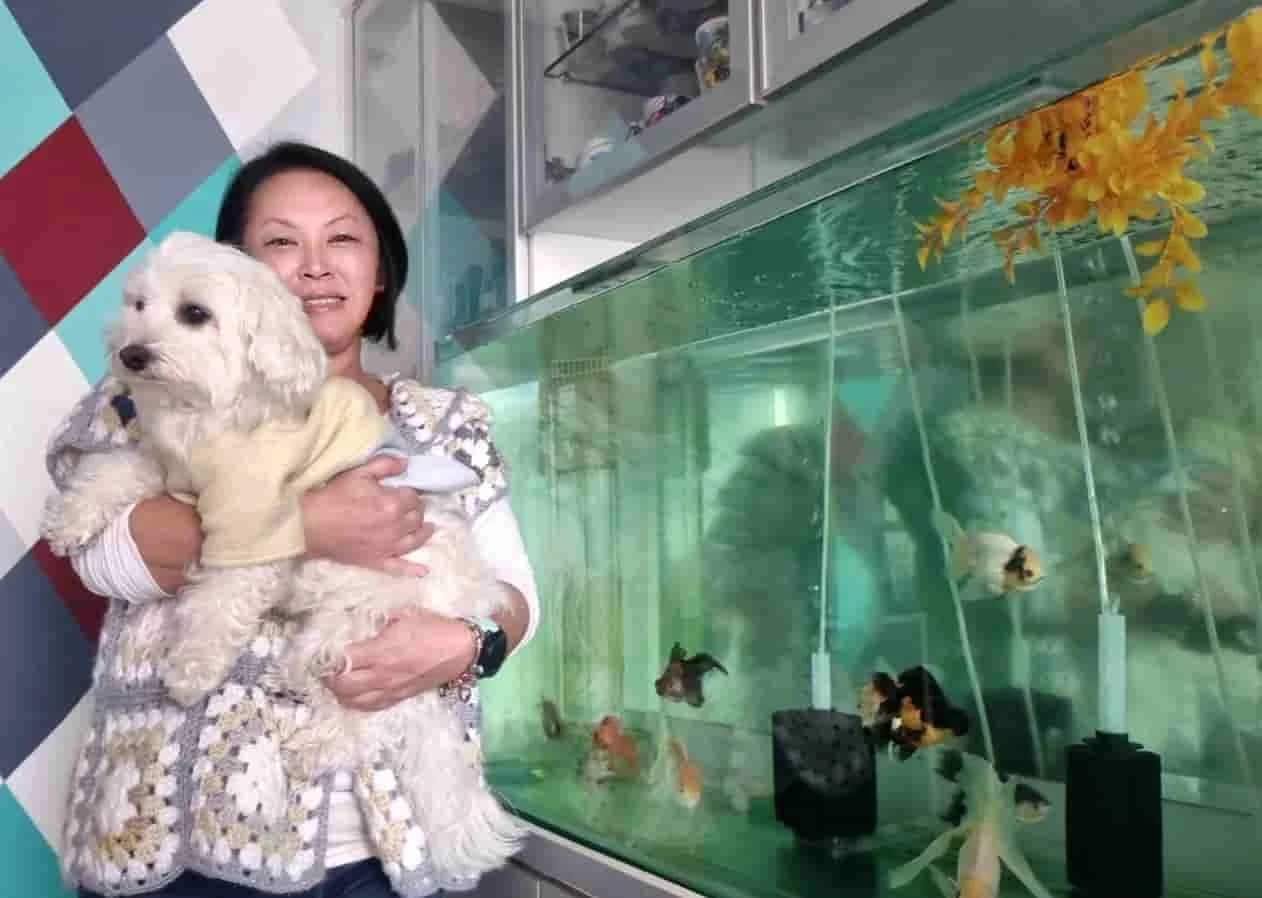
🏠 The 100G Lab
Where we torture test every hardware option, pellet line, and filter layout live.

🏃♀️ Grit & Eye
Marathon endurance meets the precise, millimeter structural focus of a seamstress.
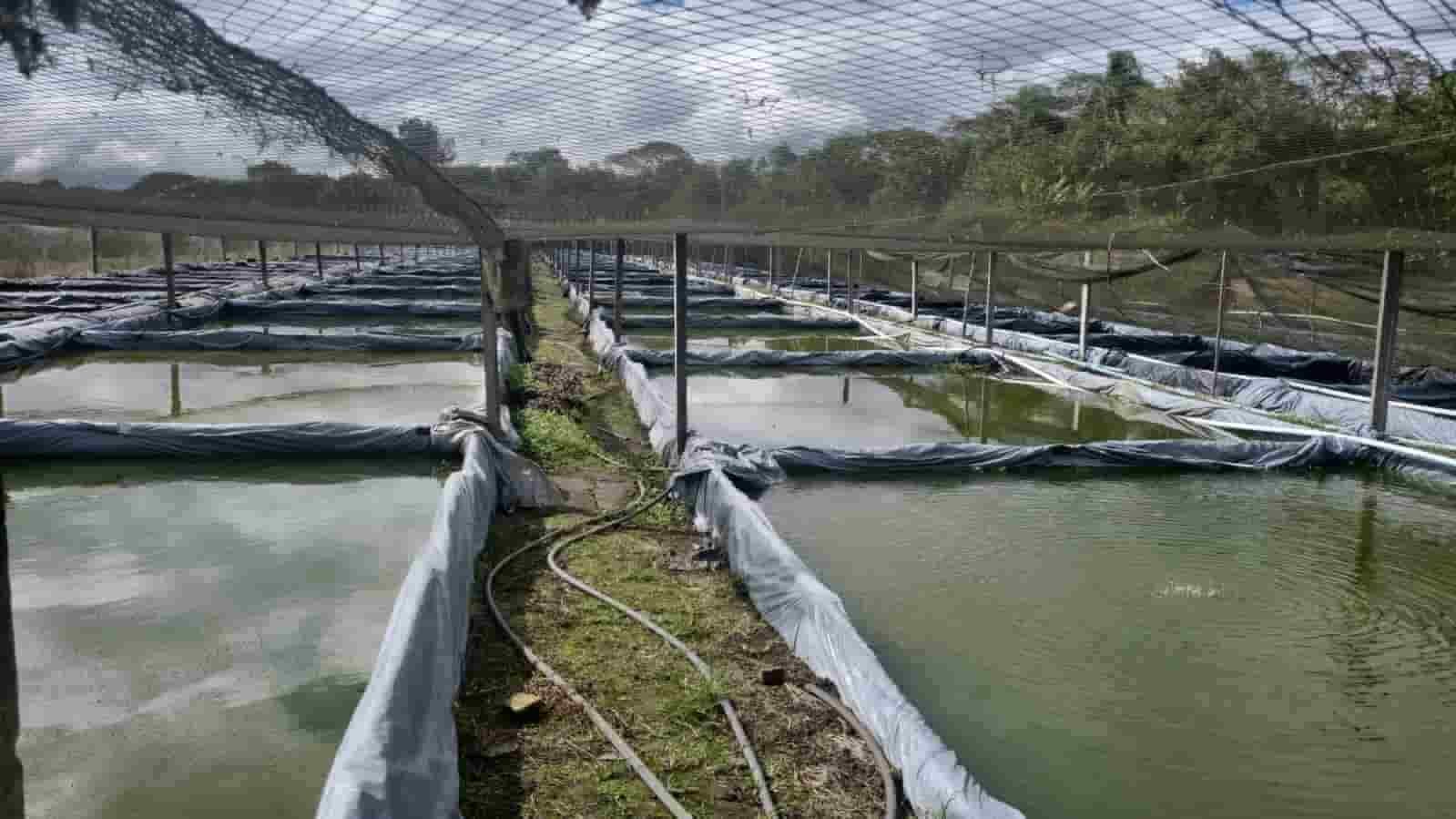
🐳 Monster Vats
Analyzing massive continuous turnovers inside large open-air mud farm vats.
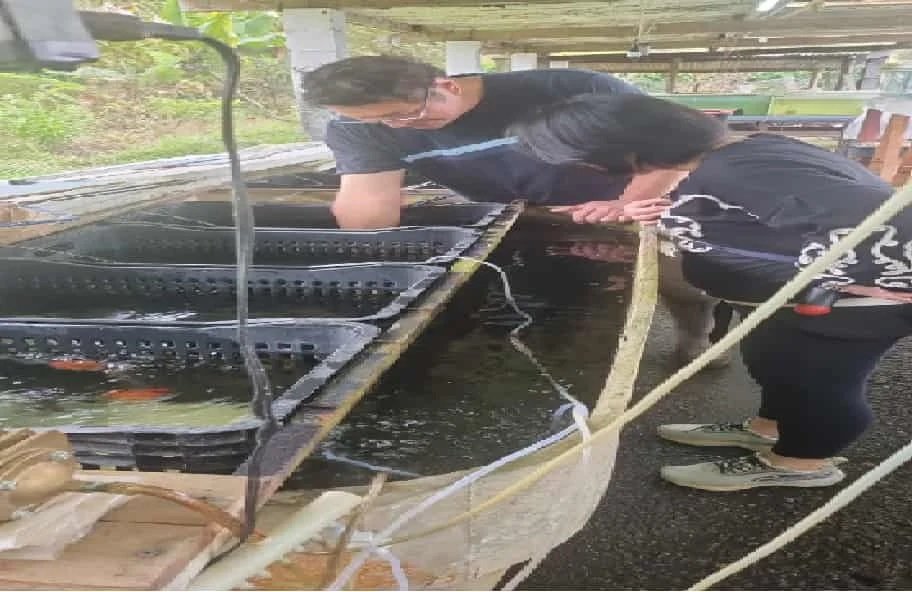
🤝 True Alliances
Working hand-in-hand with regional facility operations to target elite fancy bloodlines.
Read also: How to Fix Goldfish Pop Eye
A deeply technical piece of content that perfectly complements this post — absolutely worth the read.