
Waking up to see your water puppy staring back at you with a foggy, milk-white film over its eye is enough to make any fish keeper panic, but knowing the right goldfish cloudy eye treatment can save your pet’s sight. This hazy, ghostly film is not actually a standalone disease; rather, it is a glaring red flag that something is wrong with your aquarium’s water or that your fish has suffered a physical injury.
As a professional seamstress, I know how devastating a single slipped stitch or a jagged needle can be to a delicate piece of silk. Similarly, a goldfish’s eye has a highly sensitive outer membrane that reacts instantly to friction and poor water quality. Over my 8 years of keeping goldfish and managing a massive 100-gallon (400-liter) tank, I have dealt with this terrifying symptom more times than I care to admit. I also know what it is like to run long-distance races; you cannot rush recovery, or you will injure yourself. The same applies to healing your fish—pacing and patience are your absolute best tools.
Getting this right means you will not have to watch your fish suffer, go blind, or succumb to a secondary infection. Instead, you can gain absolute peace of mind and watch that hazy eye clear up back to a healthy, glossy black sparkle.
Understanding the Science of the Fog
We need to talk about why eyes cloud up in the first place. A goldfish’s eye is covered by a delicate, transparent layer of tissue called the cornea. When this cornea gets irritated, injured, or infected, it begins to retain water, a condition known as corneal edema. This fluid buildup is what turns the crystal-clear lens into a dull, white marble.
To choose the correct treatment, you must first play detective. Look closely at your fish. Is the cloudiness affecting just one eye, or are both eyes completely fogged over?
If the issue is unilateral (only one eye), it is almost always caused by physical trauma. This happens when your fish scrapes its face against sharp plastic decor, gets stuck in a filter intake, or bumps into a rough piece of wood. On the other hand, if the cloudiness is bilateral (both eyes), it is almost certainly a systemic issue. This means your aquarium water is toxic, or there is an active bacterial infection sweeping through your entire tank.
The Reality of the Battlefield
Let’s talk about what actually happens in the real world, away from the glossy marketing photos on the bottle. Aquarium companies love to promise that their “herbal treatments” and “all-in-one cures” will miraculously fix any fish illness overnight. In reality, the fish room floor is a messy, unforgiving place where marketing promises often fail.
For instance, API Melafix is highly praised for its natural tea tree oil scent and its ability to soothe minor skin abrasions without staining your tank water. However, it is fundamentally a mild botanical extract, and using it to treat a severe, deep-seated bacterial eye infection is like putting a cartoon band-aid on a broken leg; it simply does not have the strength to kill aggressive pathogens.
Another classic example is colorful plastic aquarium plants, which are highly praised for being cheap, indestructible, and easy to clean with hot tap water. But their manufacturing process leaves incredibly sharp, jagged plastic seams that will slice open a fancy goldfish’s bulging eyes the moment they swim past them in a hurry.
Furthermore, commercial multi-cure chemical cocktails are highly praised for their ability to target bacteria, fungus, and parasites simultaneously in one bottle. But these aggressive mixtures are incredibly harsh on a fish’s liver and will easily wipe out your tank’s beneficial biological filter, causing a catastrophic ammonia spike that does far more damage than the cloudy eye ever could.
A Hypothetical Error Scenario
To show you how easily things can go wrong, let’s look at a classic user mistake. Imagine a hobbyist named Sarah who notices her fancy oranda has a slightly hazy eye. In a panic, she runs to a local big-box pet store and buys a cheap “five-in-one” medication. She dumps the chemicals directly into her main display tank without testing her water first.
She also forgets to remove the carbon cartridge from her power filter. The active carbon instantly sucks up the medication, making it completely useless against the infection. Meanwhile, the harsh chemicals destroy her beneficial bio-filter.
Two days later, she notices the filter is no longer processing waste. An ammonia spike occurs, burning the fish’s gills and irritating its skin. Now, the fish’s other eye has turned cloudy from ammonia burns, and it is gasping at the surface. What started as a simple, easily treatable scratch has turned into a life-threatening crisis simply because she rushed to medicate without a proper plan.
Step-by-Step Goldfish Cloudy Eye Treatment Plan
If you want to clear up your fish’s eyes safely and permanently, you need a structured, logical protocol. Do not skip any of these steps.
Step 1: Test and Fix Your Water Parameters
Before you touch a single bottle of medication, pull out your liquid test kit. Check your Ammonia, Nitrite, Nitrate, and pH levels. If your Ammonia or Nitrite levels are above 0 ppm, or your Nitrates are over 20 ppm, your water is dirty. Perform a 50% water change immediately using a high-quality water conditioner like Seachem Prime to neutralize toxins.
Step 2: Set Up a Dedicated Hospital Tank
Never medicate your main display aquarium. It is expensive, dangerous to your bio-filter, and stressful for your healthy tank mates. Set up a simple 10-gallon bare-bottom quarantine tank. All you need is a heater, a simple air stone or sponge filter, and a safe place for the fish to rest.
Step 3: Harness the Power of Aquarium Salt
For mild cloudiness or physical scratches, non-iodized aquarium salt is your absolute best friend. Salt increases the salinity of the water, which uses osmotic pressure to gently draw excess fluid out of the swollen, cloudy eye tissue. Dose 1 tablespoon of aquarium salt per 5 gallons of water. Keep the water pristine, and you will often see the eye clear up in 3 to 5 days without any medication.
Step 4: Use Targeted Antibiotics for Bacterial Infections
If the cloudiness does not start to fade after three days of clean water and salt, or if both eyes are swollen and white, you are dealing with an active bacterial infection. You must use a high-quality, targeted antibiotic. Products like Seachem Kanaplex (kanamycin) or API Furan-2 are highly effective because they are absorbed through the fish’s skin and gills, treating the infection from the inside out.
In 30 Seconds
Look, let’s keep it completely real here.
If only one eye is cloudy, it is almost always a physical scratch. Do not panic and do not dump chemicals into your tank.
Isolate the fish in a clean hospital tank, add one tablespoon of aquarium salt per five gallons of water, and perform daily 25% water changes. It will heal on its own.
If both eyes are cloudy, your water is toxic. Test your ammonia and pH immediately, do a massive water change, and only use real antibiotics like Kanaplex if clean water doesn’t fix it within 72 hours.
Ditch the cheap plastic plants and the fake “cure-all” herbal remedies; they are an absolute trap and will only make your fish sicker.
Comparing Treatment Options
Here is a breakdown of how different treatment routes perform in real-world situations:
| Treatment Route | Best For | Pros | Cons | Success Rate |
|---|---|---|---|---|
| Water Changes & Salt | Physical injuries & early-stage fog | Extremely cheap, safe for bio-filter, reduces tissue swelling | Will not cure deep-seated, systemic bacterial infections | Very High (for injuries) |
| Seachem Kanaplex | Severe, bilateral bacterial infections | Highly effective, absorbed through skin, doesn’t cloud water | Can be stressful to scaleless tank mates if dosed in main tank | High (for infections) |
| Herbal Remedies (Melafix) | Very mild skin scratches | Smells nice, readily available at big-box stores | Weak active ingredients, won’t cure moderate to severe infections | Low to Moderate |
| Multi-Cure Chemical Cocktails | Unidentified complex diseases | Broad target range | Destroys beneficial bacteria, highly toxic to fish liver | Low (due to side effects) |
Common Mistakes That Will Blind Your Fish
One of the most dangerous mistakes is failing to check your tank’s pH. If your water’s pH drops below 6.0, a phenomenon known as “pH crash” occurs. This acidic environment literally burns the delicate mucus coat on your goldfish’s eyes, causing them to turn a milky, opaque white almost overnight. No antibiotic in the world will cure this unless you buffer your water back to a safe, stable pH of 7.2 to 7.8.
Another massive blunder is leaving your filter’s chemical carbon media active during treatment. Carbon does not differentiate between medication and waste; it will strip your expensive antibiotics out of the water column in less than an hour, leaving your sick fish with zero defense.
Finally, running a long-distance race requires pacing, and treating a sick fish requires the same patience. Do not switch medications every 24 hours because you do not see instant results. Constantly changing chemicals will stress your fish’s kidneys to the point of organ failure. Pick a treatment plan, stick to it for the full recommended cycle, and let the fish’s immune system do its job.
👇 Looking for more performance cheats? Check out our field-tested tactical blueprints:
The Goldfish Ecosystem Blueprint
Complete your advanced technical training loop by exploring our core evergreen resources.
How to Feed Goldfish for Maximum Lifespan
A deep breakdown of digestive tract mechanics, bloating prevention, and premium sinking diets.
How to Maintain a 100 Gallon Goldfish Tank
Large-scale system parameters. Deep sand bed mechanics, nitrogen cycling, and bioload management.
Ultimate Guide to Goldfish Tank Filtration
Heavy-duty hardware configurations. Optimizing parallel canisters, bio-media setups, and automation.
Troubleshooting Checklist
Use this checklist to execute your treatment plan flawlessly:
- Ensure your goldfish cloudy eye treatment begins with a clean, bare-bottom quarantine tank to prevent the medication from being absorbed by substrate. (Insider note: Gravel traps decaying organic waste that will continuously pollute your treatment water, so a completely bare glass bottom is absolutely mandatory for sterile healing).
- Test your aquarium’s ammonia and nitrite levels with a liquid kit before dosing any medication. (Insider note: Test strips are notoriously inaccurate and will often show a false zero, giving you a dangerous sense of security while your fish is actively burning in ammonia).
- Remove any active carbon or charcoal filters from your quarantine tank’s filtration system. (Insider note: If you forget this step, you are literally throwing your expensive medication directly into the trash as the carbon absorbs it instantly).
- Dissolve your aquarium salt completely in a separate cup of warm water before pouring it into the tank. (Insider note: Never dump raw salt crystals directly into the aquarium, as they can land on a resting fish and cause severe, painful chemical burns on their skin).
- Perform a 25% water change on your hospital tank every single day before adding your daily dose of medication. (Insider note: Clean, highly oxygenated water is 80% of the cure; medication only does the remaining 20% of the heavy lifting).
- Keep the quarantine tank’s lights completely turned off during the duration of the treatment. (Insider note: Bright lights stress sick fish and can actually degrade the active chemical compounds in antibiotics like kanamycin).
- Use a sponge filter powered by an air pump rather than a heavy power filter in your hospital tank. (Insider note: Sick fish are weak and can easily get sucked against the intake grate of a strong power filter, causing fatal physical trauma).
- Check the pH of your source water compared to your tank water. (Insider note: If your tank’s pH is significantly lower than your tap, your bio-filter is failing, causing acidic eye burns that look identical to bacterial infections).
- Avoid feeding your fish heavy, messy foods like flakes during their stay in the hospital tank. (Insider note: Stick to high-quality pellets or gel food, and remove any uneaten pieces within ten minutes to prevent a massive ammonia spike in your small quarantine volume).
- Complete the entire recommended course of antibiotics even if the eye clears up early. (Insider note: Just like in human medicine, stopping your antibiotic treatment early only serves to breed super-resistant bacteria that will return twice as strong).
Goldfish Cloudy Eye FAQ
Can a goldfish recover from a completely white eye?
Yes, they absolutely can. As long as the physical structure of the eye lens has not been ruptured or completely consumed by rot, the cloudiness will fade back to normal once you fix the water quality or finish a course of kanamycin. It takes patience, but the cornea is remarkably resilient.
Is aquarium salt safe to use for fancy goldfish?
Yes, but don’t overdo it. High-quality aquarium salt is excellent for reducing swelling and soothing damaged skin tissue. However, do not use iodized table salt or rock salt with anti-caking agents, as these chemicals are highly toxic to your fish’s gills.
Can I use Melafix to cure a severe cloudy eye?
No, stop wasting your money. While it smells nice, Melafix is just watered-down tea tree oil. It is fine for very mild skin scratches, but it is completely useless against a real, aggressive bacterial infection. If your fish has a severely swollen, white eye, you need actual antibiotics like Kanaplex.
Why did both of my goldfish’s eyes turn cloudy overnight?
This is a classic symptom of severe water toxicity. Your ammonia levels have spiked, or your pH has crashed. Test your water immediately. If you don’t do a massive water change right now, your fish will suffer permanent tissue damage or die from chemical burns.
Should I treat my entire main tank with antibiotics?
Absolutely not. Dosing antibiotics in your main display tank is a lazy mistake that will destroy your beneficial bio-filter. Once your cycle crashes, you will be stuck in a never-ending cycle of daily water changes. Always isolate your sick fish and treat them in a cheap hospital tub.
Will my goldfish go permanently blind from cloudy eye?
Only if you ignore it for weeks. If you start treatment within the first few days of noticing the cloudiness, the cornea will heal completely with zero permanent damage. However, if you let a bacterial infection rot the eye socket, permanent blindness or loss of the eye is inevitable.
Can a sharp plastic plant cause cloudy eye?
Yes, and they are one of the biggest culprits in fancy goldfish tanks. Fancy goldfish are clumsy, heavy swimmers. The sharp plastic seams on cheap fake plants will easily slice open their protruding eyes. Toss those cheap plastic traps in the trash and buy soft silk or live plants instead.
How long does it take for the eye to clear up?
For a minor scratch treated with clean water and salt, you should see noticeable improvement in 3 to 5 days [1]. For severe bacterial infections treated with antibiotics, it can take up to two weeks for the eye to return to its crystal-clear state. Be patient and stick to the plan.
🛡️ │ WHY TRUST SKYTC GOLDFISH CARE CURATION?
At SKYTC, we hold aquatic ecosystem biology and biological parameter handling to a rigorous standard. We are not an automated affiliate review engine; we apply hands-on tests and serious filtration engineering workflows to ensure every recommendation guarantees the health and maximum lifespan of your fish with absolute safety.
✓ Engineering:
Structural experience backed by heavy-duty filtration math, continuous hydraulic turnover metrics, and robust mechanical support for large-scale coldwater systems.
✓ Expertise:
Focuse on preventative biological husbandry and premium nutrition. Thoroughly auditing biological media, sinking feeds, and elements that completely neutralize ammonia spikes.
✓ Authority:
Curation signed by real keepers running a balanced 100-gallon display ecosystem for over 8 years, pairing daily practical benchwork with direct wholesale breeder insights.
✓ Trust:
Product selections built on unfiltered transparency—exposing actual electrical draws, heat dissipation issues, and hidden costs before any Amazon recommendations.
📸 Our Journey in the Real World
From daily living room tank turn rates to macro-scale breeding setups.
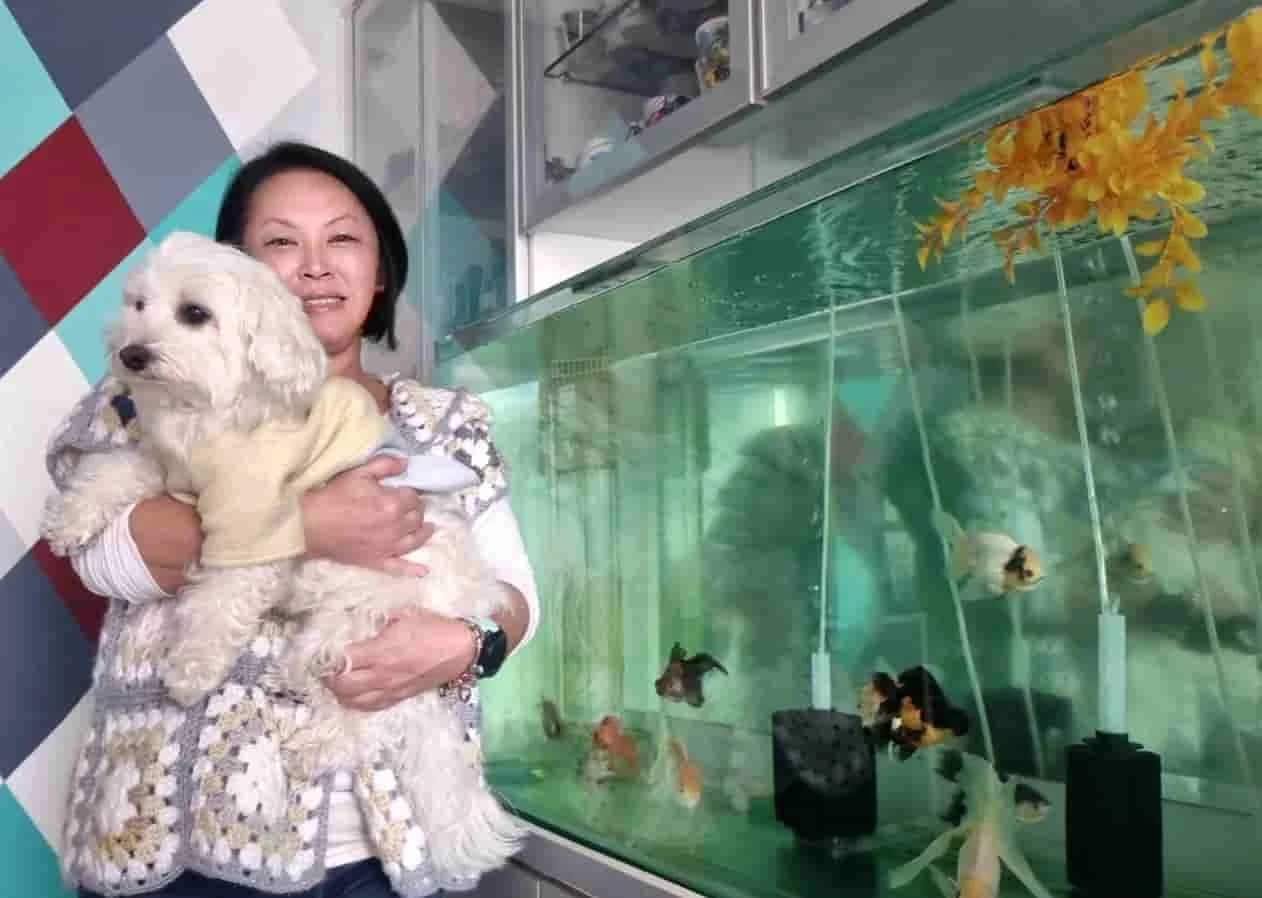
🏠 The 100G Lab
Where we torture test every hardware option, pellet line, and filter layout live.

🏃♀️ Grit & Eye
Marathon endurance meets the precise, millimeter structural focus of a seamstress.
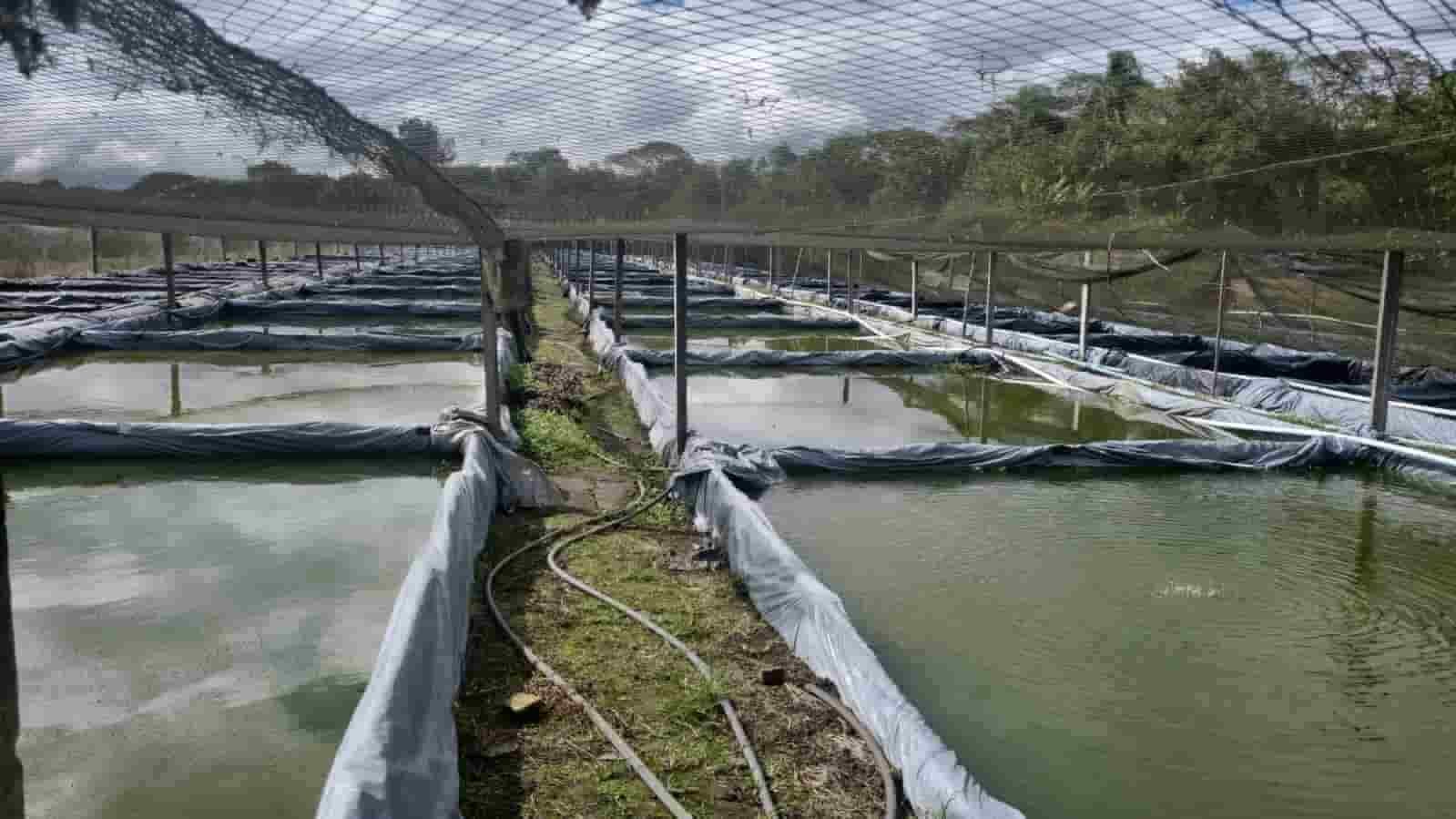
🐳 Monster Vats
Analyzing massive continuous turnovers inside large open-air mud farm vats.
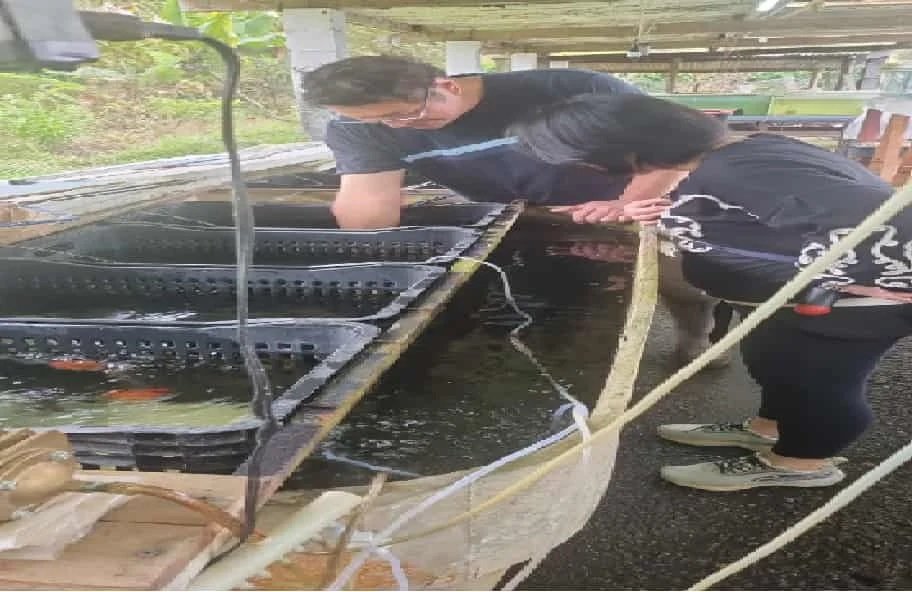
🤝 True Alliances
Working hand-in-hand with regional facility operations to target elite fancy bloodlines.
Read also: Why Is My Goldfish Turning Black
A deeply technical piece of content that perfectly complements this post — absolutely worth the read.