

You walk up to your glass box at six in the morning, coffee mug in hand, expecting frantic begging at the surface, but instead, your fancy oranda is sitting dead on the substrate with its caudal fin coated in shredded white cotton. That sickening, fuzzy tuft means you need an aggressive goldfish tail fungus cure immediately before secondary systemic necrosis rots the fin rays down to the muscular peduncle. Most beginners panic, run to the local strip-mall pet store, and buy whatever useless dyed water the clerk pushes across the counter.
Let us be real about the physical misery of this moment. Your hands smell like sulfurous swamp muck, your floor towels are drenched from frantic midnight water siphoning, and your lower back is screaming from hauling heavy buckets back and forth across the house. You watch your prized aquatic pet gasp while its delicate fin tissue dissolves into ragged ribbons, wondering if you just wasted months of tedious maintenance.
Take a deep breath and put down the shotgun chemical bottles. When you master the biological triage and mechanical filtration adjustments mapped out below, you will permanently halt opportunistic fungal vectors, save a fortune in wasted low-grade chemical treatments, and eliminate the back-breaking stress of endless emergency tank teardowns.
The Water Parameter: The Nitrate Cycle
Here is your tech support counter verdict: true fungus (Saprolegnia or Achlya) is almost never a primary pathogen. It is an environmental cleanup crew acting out of turn because your water management slipped. Fungal spores float harmlessly in every single established freshwater system on earth, waiting for an open physical wound or chemical burn caused by spiked ammonia, caustic nitrite, or chronic nitrate poisoning.
If your test vials show anything above absolute zero for total ammonia nitrogen (TAN) and nitrite, your bio-filtration is failing under the heavy bioload. If your nitrates sit above forty parts per million, your fish’s slime coat is chemically corroded, rolling out the red carpet for fungal hyphae. Do not dump miracle cures into your display tank. Isolate the animal, stabilize raw water chemistry, and address the mechanical filth accumulating inside your filtration trays.
Clinical Diagnosis: Executing the Goldfish Tail Fungus Cure Without Nuking the Tank
Before touching a single medication bottle, determine whether you are fighting genuine water mold or a virulent gram-negative bacterial outbreak. True fungal infections present as distinct, three-dimensional, cottony tufts with visible filaments protruding from the fin edges. If the fin margin looks like clean, milky erosion or ragged white lace without fluffy filaments, you are dealing with bacterial columnaris or simple fin rot, which laugh at standard anti-fungal treatments.
Treating true fungal blooms requires a targeted, tiered tactical strike. Never treat the primary display system because pharmaceutical agents like formalin, malachite green, or synthetic dyes will obliterate your beneficial Nitrosomonas and Nitrospira colonies within twenty-four hours. Set up a bare-bottom hospital container using clean, temperature-matched water, strong mechanical aeration, and zero substrate that could trap organic detritus.
| Treatment Modality | Target Pathogen Class | Bio-Filter Impact | Systemic Stress Index | Mechanical Residue Hazard |
|---|---|---|---|---|
| Sodium Chloride Dip | Ectoparasites & External Fungi | Zero (External Bath) | Moderate Osmotic Shift | Non-Staining / Corrosive to Metals |
| Phenoxyethanol / Dyes | True Saprolegnia & Protozoa | Catastrophic (Display Tank) | High Chemical Load | Severe Silicone & Impeller Staining |
| Botanical Extracts | Mild Surface Bacteria | Low to Moderate | Respiratory Irritation | Heavy Biofilm & Surface Scum |
| Nitroimidazole Blends | Anaerobic Bacteria & Parasites | Low (In Hospital Setup) | Low to Moderate | Unreported / Leaves Fine Powder |
| Oxidizing Cleansers | Broad Fungal & Bacterial Spores | Total Bio-Sterilization | Extremely Hazardous | Varies by Model / Neutralizes Carbon |
The Bare-Metal Trial: Pros, Cons, and Real-World Wear
Veterans do not gamble on bargain-bin all-in-one cures. We isolate gear into distinct functional categories and test them to mechanical destruction.
The Dedicated Hospital Rig (Bare-Bottom Tub + Seasoned Sponge Filter)
The Good: Isolates chemical compounds completely away from your display aquarium, protecting premium canister filter biological media from chemical destruction. The Bad: Demands daily manual water testing and rapid five-gallon water changes, turning your utility room into a splash zone that will soak your socks if you get sloppy.
Pure Evaporated Sea Salt (Sodium Chloride) Regimens
The Good: Disrupts the fragile osmotic pressure of opportunistic external fungal hyphae while boosting the fish’s endogenous slime coat production without leaving chemical residues. The Bad: Overdosing will instantly strip gill membranes, dehydrate fancy varieties, and pit cheap stainless steel heater shafts within forty-eight hours.
Commercial Dye Blends (Malachite Green & Formalin Formulations)
The Good: The lab macete for obliterating stubborn mycelial mats on external fin rays inside a controlled three-day treatment window. The Bad: Permanently stains clear airline tubing, biological media rings, and structural silicone seals a radioactive turquoise color while drastically lowering dissolved oxygen levels in warm water.
The Wet-Bench Trial: Real Pump and Media Degradation
High-end magnetic-drive utility pumps and high-performance canister filters showcase exceptional flow ratings straight out of the box, pushing impressive gallon-per-hour metrics through clean test loops. But subject that exact same impeller housing to the high-salinity baths and chemical dyes required for severe fungal management, and the brutal reality of mechanical friction destroys your investment. Highly concentrated sodium chloride crystallizes around tight ceramic shafts, generating microscopic abrasions that cause annoying impeller chatter and thermal motor lockup within weeks.
Furthermore, running particulate-heavy dye suspensions through dense mechanical polishing pads sounds brilliant on promotional spec sheets, yet it creates an aggressive physical failure mode in practice. Thick medication binders coat synthetic floss fibers, collapsing water channels and driving canister internal head pressure through the floor. The pump motor begins running blisteringly hot as bypass water cavitates around the magnetic rotor, degrading rubber O-rings and causing sudden dynamic seal leaks right across your living room rug.
The Catastrophic Display Tank Dump
Let us walk through a failure scenario that happens every weekend. An anxious hobbyist notices a white fungal patch on their black moor’s tail fin, panics, and dumps a full bottle of over-the-counter anti-fungal dye directly into their hundred-gallon display aquarium without removing the activated carbon or bypass sponges. Within thirty minutes, the activated carbon adsorbs half the medication, rendering it chemically useless against the pathogen, while the residual carrier solvent suffocates the delicate bacterial biofilm living on the ceramic rings inside the canister filter.
Forty-eight hours later, the biological cycle crashes completely into the red. Total ammonia nitrogen spikes to lethal levels, burning the fish’s gill lamellae and stripping the caudal fin down to raw, bleeding flesh. Instead of treating a superficial external fungal patch with a five-minute targeted salt dip in a utility bucket, the keeper now faces a completely poisoned closed aquatic system, cloudy water smelling of decaying nitrifiers, and a dying fish struggling at the surface.
Smarter Guides for a Healthier Aquarium
Practical aquarium guides for cleaner water, healthier fish, better filtration, and long-term tank stability.
Eliminate Aquarium Algae Naturally
A practical field guide to controlling aquarium algae naturally while building a healthier and more balanced aquatic environment.
Master Aquarium Water Chemistry and Bio
Learn how to manage water chemistry, biological filtration, and heavy bioload conditions for a more stable aquarium.
Care for Fancy Goldfish in Large Tanks
A detailed guide to creating the right environment, care routine, and tank conditions for fancy goldfish.
Ultimate Guide to Goldfish Tank Filtration
Understand filtration options, flow, media, and maintenance strategies for keeping goldfish tanks clean and stable.
Maintain a 100 Gallon Goldfish Tank
A practical maintenance system for managing a large goldfish aquarium, including cleaning, water changes, and routine care.
Feed Goldfish for Maximum Lifespan
Learn how feeding frequency, food quality, portions, and routine can support healthier and longer-lived goldfish.
The Filter Cycle: Parametric Water Management Checklist
Execute the goldfish tail fungus cure inside a separate hospital tank.
Expert Tip: Dosing medications into your primary display system ruins the nitrifying biofilm and wastes expensive treatments on hundreds of liters of unaffected water.
Scrape mechanical pre-filter sponges in aged aquarium discharge weekly.
Expert Tip: Trapped solid goldfish waste continuously hydrolyzes into dissolved organics, fueling the exact bacterial and fungal spore loads that cause fin infections.
Maintain aquarium salt at targeted osmotic therapeutic levels.
Expert Tip: Pure sodium chloride disrupts fungal hyphae cell walls without the brutal cellular toxicity of heavy metal pharmaceutical dyes.
Pull activated carbon inserts before introducing therapeutic chemical compounds.
Expert Tip: Chemical filtration media binds active pharmaceutical ingredients within minutes, stripping the water column of the active therapeutic threshold.
Increase mechanical surface aeration using high-output diaphragm air pumps.
Expert Tip: Dissolved oxygen saturation drops aggressively during chemical treatments, directly causing secondary gill distress in heavy-bodied fish.
Perform daily bottom-siphoning routines inside the treatment environment.
Expert Tip: Vacuuming shed fungal filaments and metabolic fish waste prevents opportunistic pathogens from reinfecting delicate fin tissue margins.
Test total ammonia nitrogen daily with liquid titration reagents.
Expert Tip: Uncycled hospital setups turn toxic rapidly; rely strictly on chemical liquid drop tests rather than degraded paper test strips.
Match replacement water temperature within one degree of tolerance.
Expert Tip: Thermal shock collapses the teleost immune system, allowing fungal spores to breach the natural defensive epidermal slime matrix.
Sterilize dip nets and specimen containers using concentrated iodine.
Expert Tip: Cross-contaminating wet gear between your sick bay and display setups spreads pathogenic spores faster than airborne drift.
Inspect ceramic pump shafts for salt-induced friction and scoring.
Expert Tip: Saline water leaves microscopic crystal deposits within the impeller well that shear dynamic rubber bushings during extended treatment runs.
Feed high-protein sunk sinking pellets sparingly during active medication.
Expert Tip: A stressed fish processes nutrients poorly, leaving uneaten feed to rot and spike volatile organic compounds within tiny treatment volumes.
The Goldfish Ecology: Straight Answers to Filtration Queries
Can you cure goldfish tail fungus by just adding salt?
Yes, for mild to moderate external fungal blooms. Pure non-iodized sodium chloride dehydrates opportunistic fungal hyphae through simple osmotic pressure while sparing the fish’s liver. Dissolve three grams per liter in a dedicated treatment container. If the fuzz does not recede within four days, advance immediately to a targeted pharmaceutical dip.
Why did the fungus spread after I used tea tree oil?
Because aromatic botanical oils do not kill true water molds. They form a slick hydrocarbon film on the surface of your water, suffocating the air-water boundary and irritating the fish’s branchial gills. It is slick marketing designed to extract cash from desperate beginners. Stop buying salad dressing for a clinical aquatic infection.
Should I cut away the rotten, fuzzy parts of the tail?
Never take scissors to a live goldfish fin unless you hold a veterinary license and surgical anesthetics. Cutting fin rays without clinical sedatives causes excruciating pain, tissue crushing, and secondary systemic columnaris. Let chemical triage dissolve the dead tissue naturally while pristine water parameters fuel cellular regeneration.
Does tail fungus mean my nitrogen cycle crashed?
Almost certainly. Healthy slime coats naturally repel Saprolegnia spores. If fungus rooted into the fin, elevated ammonia or nitrite chemically stripped that protective mucus barrier first, or sky-high nitrates degraded the animal’s systemic white blood cell count over several months of neglect.
Can I leave my canister filter running during chemical treatments?
Only if you bypass the biological trays entirely. Running dyes or broad-spectrum anti-microbials through your primary media bed will sterilize the nitrifying bacteria, rotting the biological film and poisoning your display tank with ammonia within forty-eight hours.
How long does it take for a rotted tail fin to grow back?
Regeneration takes between three weeks and six months depending on environmental temperature and diet. As long as the fungal rot did not destroy the structural rays all the way to the fleshy caudal peduncle, you will see a clear, glassy membrane slowly extend from the damaged margin.
Are fancy goldfish more prone to tail fungus than single-tails?
Significantly more prone. Orandas, ranchus, and fantails possess heavy, folded fin tissue with restricted vascular blood circulation compared to streamlined comets. Their compressed bodies and clumsy swimming make them scrape against hardscape, creating physical entry points for ubiquitous water mold spores.
Do UV sterilizers cure an active tail fungus infection on a fish?
No. A high-output ultraviolet sterilizer only zaps free-floating spores passing directly through its quartz sleeve inside the plumbing loop. It does absolutely nothing to fungal mycelium already anchored into the living flesh of your goldfish’s tail fin.
🛡️ │ WHY TRUST SKYTC GOLDFISH CARE CURATION?
At SKYTC, we hold aquatic ecosystem biology and biological parameter handling to a rigorous standard. We are not an automated affiliate review engine; we apply hands-on tests and serious filtration engineering workflows to ensure every recommendation guarantees the health and maximum lifespan of your fish with absolute safety.
✓ Engineering:
Structural experience backed by heavy-duty filtration math, continuous hydraulic turnover metrics, and robust mechanical support for large-scale coldwater systems.
✓ Expertise:
Focuse on preventative biological husbandry and premium nutrition. Thoroughly auditing biological media, sinking feeds, and elements that completely neutralize ammonia spikes.
✓ Authority:
Curation signed by real keepers running a balanced 100-gallon display ecosystem for over 8 years, pairing daily practical benchwork with direct wholesale breeder insights.
✓ Trust:
Product selections built on unfiltered transparency—exposing actual electrical draws, heat dissipation issues, and hidden costs before any Amazon recommendations.
📸 Our Journey in the Real World
From daily living room tank turn rates to macro-scale breeding setups.
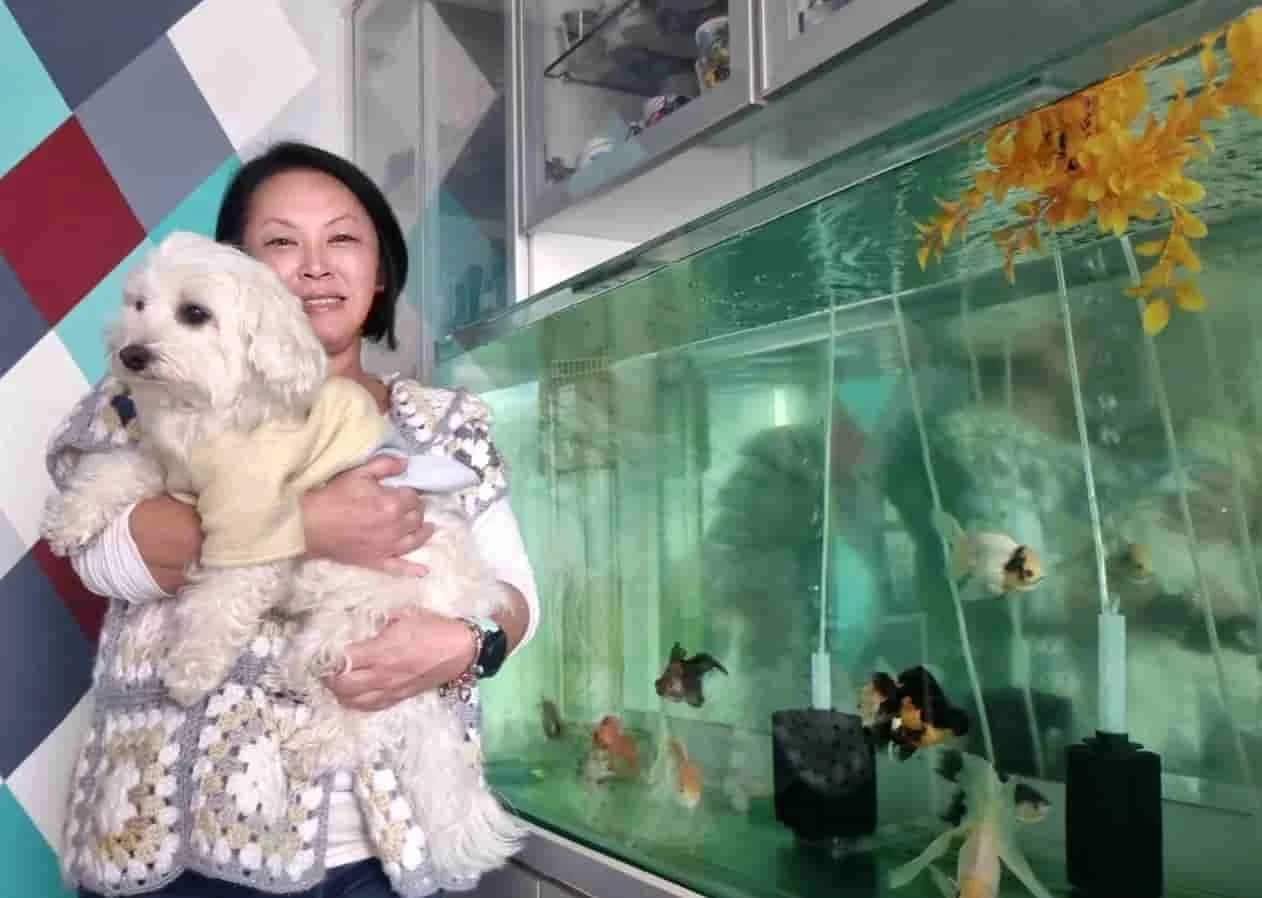
🏠 The 100G Lab
Where we torture test every hardware option, pellet line, and filter layout live.

🏃♀️ Grit & Eye
Marathon endurance meets the precise, millimeter structural focus of a seamstress.
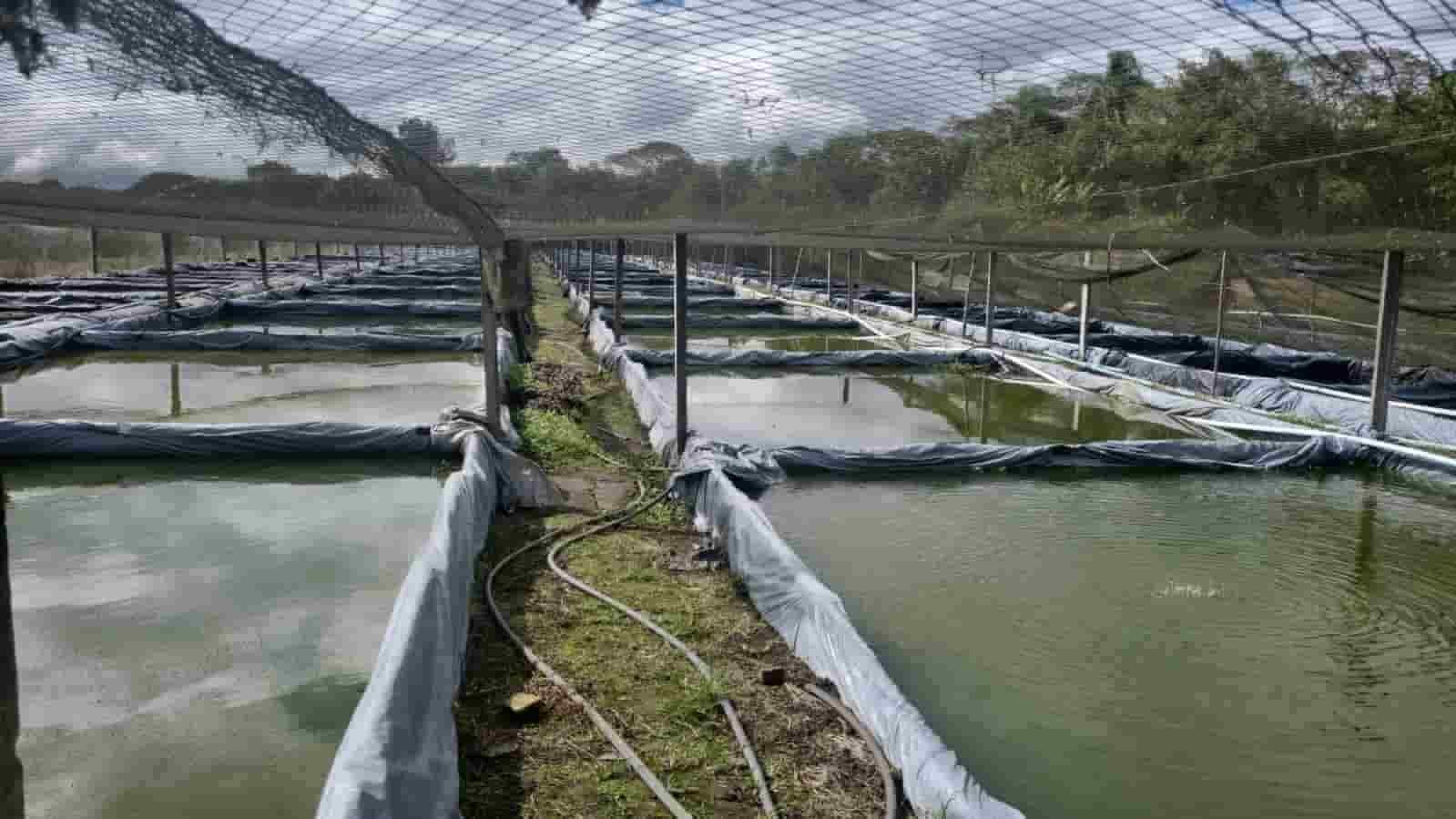
🐳 Monster Vats
Analyzing massive continuous turnovers inside large open-air mud farm vats.
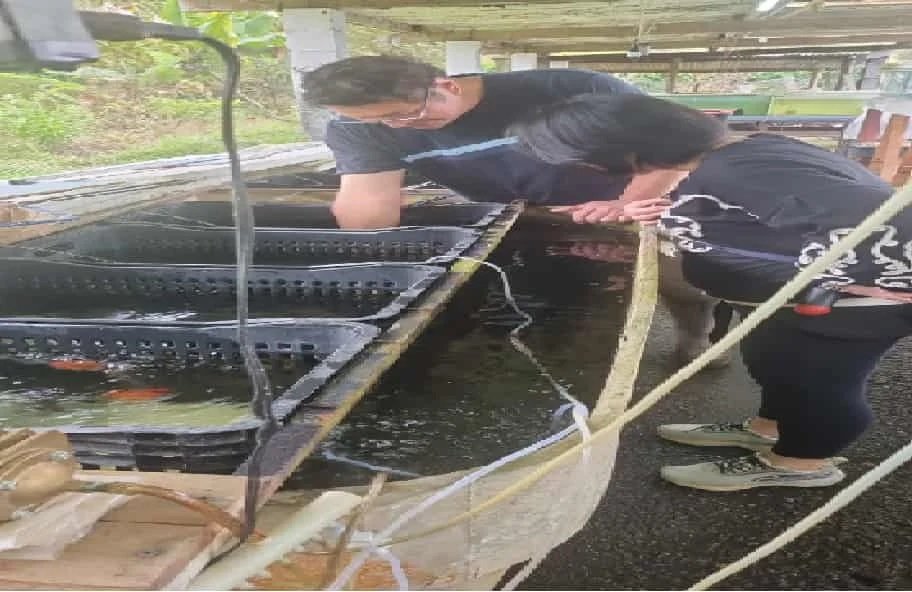
🤝 True Alliances
Working hand-in-hand with regional facility operations to target elite fancy bloodlines.
Read also: Best Ich Medicine for Goldfish: The Parasitology Protocol and Clinical Cure Guide
CRITICAL BENCH WARNING: Prolonged chemical dosing under heavy bio-loads precipitates dynamic pump seal leaks, shears magnetic impeller shafts under abrasive friction, and initiates sudden canister head pressure collapse across closed-loop filtration circuits.