
You wake up, walk over to your glass box, and it looks like a thick bowl of spoiled clam chowder. Your prized fancy goldfish are gasping desperately at the waterline, deep red stress veins streaking across their fins while invisible, toxic metabolic waste burns their delicate gill filaments to a crisp. Navigating the Nitrogen Cycle in High Bioload Tanks is where ninety percent of everyday aquarists crash and burn because pet shop sales clerks hand them bargain-bin plastic hang-on filters and lie to their faces about liquid miracle additives solving heavy organic loads overnight.
As a seamstress and long-distance runner who spends her evenings maintaining a massive 100-gallon (400-liter) aquarium loaded with high-waste fancy goldfish, I have zero patience for retail sales fluff. When you keep large, waste-heavy species, traditional beginner rules evaporate. A heavy bioload generates a relentless, continuous torrent of raw solid waste, massive dissolved ammonia spikes, and aggressive carbonate drops that will wipe out a fragile biological filter in a matter of hours.
If you fail to build a heavy-duty bio-engine capable of processing continuous metabolic waste, your aquarium is nothing more than a ticking chemical hazard. I am going to walk you through the raw mechanics of building an indestructible nitrifying biological setup that neutralizes lethal waste products faster than your stock can produce them.
By implementing these practical biological tactics, you will eliminate endless emergency water changes, stop wasting your hard-earned money on replacement stock, and spare yourself the physical exhaustion of dragging heavy buckets across the living room rug every single night.
30-Second Summary: The Tech Support Counter Talk
The Final Verdict: Toss out the paper-thin disposable filter cartridges and stop trusting commercial instant-cycle bottles to handle real biological waste. To run a heavy bioload aquarium without crashing your ecosystem, you need massive biological surface area like sintered glass matrix, relentless mechanical pre-filtration to strip solid detritus out before it decays, and extreme water turnover of at least eight to ten times total tank volume per hour. If your liquid test kit reads above zero parts per million for ammonia or nitrite, your biological filter has failed. Siphon out sludge instantly, execute a major fifty percent water change with dechlorinated water, and dramatically expand your bio-media volume. Zero shortcuts, zero excuses.
Biological Filtration Setup Performance Evaluation
Not all filtration hardware is built to survive heavy organic loading. Below is an honest breakdown evaluating how common filtration configurations perform under intense waste production.
| Filtration System | Bio-Surface Capacity | Waste Processing Speed | Maintenance Frequency | System Crash Risk |
|---|---|---|---|---|
| Multi-Stage Canister Filter | High | Fast | Bi-Weekly | Low |
| Custom Sump System | Extreme | Rapid | Monthly | Minimal |
| Dual Oversized Sponge Filter | Moderate | Slow to Moderate | Weekly | Moderate |
| Hang-On-Back (HOB) Filter | Low | Slow | Weekly | High |
| Overhead Trickle Shower Box | High to Extreme | Rapid | Bi-Weekly | Low |
| Undergravel Filter Plate | Varies by model | Unreported | Monthly | Extreme |
Battlefield Assessment of Primary Filtration Hardware
To manage heavy organic loads, you must look past shiny marketing packaging and evaluate how gear performs when choked with real organic mud.
1. High-Volume Multi-Stage Canister Filters
The Good: Holds enormous quantities of porous biological media, keeps messy air bubbles out for dead-silent running, and directs high-pressure return flow across the tank substrate to keep solid waste suspended toward the intake grid.
The Bad: If you neglect coarse pre-filter pads for a few weeks, the internal canister chamber turns into an oxygen-deprived septic vault that breeds anaerobic bacteria, exhausts dissolved oxygen, and wipes out your nitrifying colonies during power outages.
2. Custom Sump Systems
The Good: Provides massive water volume expansion, allows complete biological media customization, hides unsightly equipment out of sight, and maximizes oxygenation through open wet-dry trickle action.
The Bad: Requires technical plumbing skills to prevent living room flooding during pump cutoffs, operates with noticeable water noise if uncalibrated, and represents a premium tier investment that intimidates everyday beginners.
3. Heavy-Duty Dual Sponge Filters
The Good: Highly budget-friendly options that provide failsafe oxygenation, cannot leak water onto your hardwood floors, and retain beneficial nitrifying bacterial colonies even when air pumps temporarily stall.
The Bad: Acts as an ugly visual distraction in main display tanks, collects heavy solid waste on the outside where it decays in plain view, and clogs rapidly under heavy particulate loads.
The Realities of the Battlefield
Aquarium equipment manufacturers construct sleek, polished filter bodies featuring integrated digital displays and whisper-quiet motor impellers. However, the hard reality of raw fish excrement, decaying organic particulate, and calcified tap water mineral scale quickly exposes low-grade components for what they truly are under heavy stress.
Retail chains market slim disposable filter cartridges filled with activated carbon as all-in-one solutions for maintaining clear water. Yet, in actual high-bioload conditions, these low-grade accessories clog completely within forty-eight hours, forcing un-filtered water around plastic seams and letting toxic ammonia skyrocket unchecked.
Designers engineer plastic canister locking clamps and synthetic rubber seals intended to handle baseline water pressure during normal operation. But, under the continuous grind of floating debris, biological slime build-up, and frequent teardowns, these bargain-bin accessories snap without warning and rubber gaskets warp, dumping gallons of raw tank water onto your living room floor.
Distributors promise high-volume water turnover rates on powerhead boxes. However, the moment fine organic sludge builds inside the impeller shaft, water flow plummets by fifty percent and magnetic rotors wear down, transforming a high-end system into a noisy, vibrating waste trap.
The Rookie Clean-Freak Crash: A Cautionary Story
Consider the typical mistake made by an enthusiastic beginner who notices brown organic sludge building up inside their canister filter after weeks of heavy feeding. Unaware of how biological filtration operates, they unhook the canister, carry the filter baskets straight to the kitchen sink, and scrub every sponge and ceramic ring clean under ice-cold, chlorinated tap water.
Within seconds, harsh tap water chlorine treats the microscopic nitrifying bacteria—specifically Nitrosomonas and Nitrospira species—as pathogens, instantly killing billions of living bacterial cells. The owner reassembles the immaculate filter, plugs it back in, and feeds their fish a large portion of commercial flake food filled with cheap wheat meal.
By the following afternoon, the aquarium turns cloudy white as wild heterotrophic bacteria multiply uncontrollably to consume un-processed organic waste. Unbound ammonia surges past four parts per million, stripping the fish of their natural slime coats and causing severe chemical burns across their delicate gills. Without emergency intervention, every fish in that setup suffocates within forty-eight hours because the keeper treated a living bio-engine like dirty dishware.
Biological Mechanics of the Nitrogen Cycle in High Bioload Tanks
Maintaining balance in a heavy-waste environment requires a solid understanding of biological oxygen demand and water chemistry dynamics. Nitrifying bacteria consume vast quantities of dissolved oxygen and carbonate hardness (KH) to oxidize raw ammonia into nitrite, and subsequently into far less harmful nitrate.
When organic waste breaks down continuously, carbonate hardness gets consumed rapidly, driving sudden acidic pH drops that instantly freeze bacterial metabolic activity and compromise fish immune health. Maintaining solid KH buffers while feeding highly digestible, nutrient-dense diets is crucial for long-term stability.
When considering nutritional inputs for heavy feeders, prioritizing natural, fresh foods abundant in high-quality animal meat and its natural fat provides unmatched digestibility compared to filler-laden commercial pellets. Whole unprocessed animal protein and natural fat digest thoroughly inside the fish’s digestive tract, drastically reducing the total volume of raw particulate feces dumped back into the water to rot.
Less raw organic waste means lower chemical strain on your biological filter media, giving your beneficial nitrifying colonies room to maintain zero ammonia levels without exhausting the tank’s natural buffering reserves.
Actionable High-Bioload Nitrogen Cycle Checklist
Execute this practical checklist to build and preserve an unbreakable nitrifying setup regardless of stocking density.
- Maintain your Nitrogen Cycle in High Bioload Tanks by testing liquid parameters for ammonia and nitrite weekly rather than relying on inaccurate paper test strips.
- Never clean biological media in unconditioned tap water; always gently rinse bio-rings inside a bucket of extracted tank water during maintenance.
- Double your biological filtration volume past stock factory recommendations by packing empty canister spaces with high-porosity sintered glass media.
- Fit heavy coarse pre-filter sponges over all intake tubes to grab floating physical waste before it clogs fine biological media.
- Verify total water flow rates equal at least eight to ten times the total volume of your aquarium every single hour.
- Monitor carbonate hardness (KH) weekly to prevent sudden acidic pH crashes that shut down beneficial bacterial reproduction.
- Supply dense natural food sources that digest cleanly rather than bargain-bin flakes packed with indigestible wheat fillers.
- Perform regular fifty percent water changes to prevent accumulated nitrates from creeping past twenty parts per million.
- Enhance surface movement using high-output air stones or spray bars to keep dissolved oxygen levels saturated for nitrifying bacteria.
- Stagger your mechanical filter foam cleanings over several weeks to preserve active bacterial populations across different filter compartments.
- Keep concentrated water conditioner readily available to instantly neutralize chloramines during large water changes.
- Replace thick gravel beds with smooth bare bottoms or shallow sand to stop solid waste from burying into hidden decay zones.
👇 Looking for more performance cheats? Check out our field-tested tactical blueprints:
The Goldfish Ecosystem Blueprint
Complete your advanced technical training loop by exploring our core evergreen resources.
How to Feed Goldfish for Maximum Lifespan
A deep breakdown of digestive tract mechanics, bloating prevention, and premium sinking diets.
How to Maintain a 100 Gallon Goldfish Tank
Large-scale system parameters. Deep sand bed mechanics, nitrogen cycling, and bioload management.
Ultimate Guide to Goldfish Tank Filtration
Heavy-duty hardware configurations. Optimizing parallel canisters, bio-media setups, and automation.
Dynamic No-Nonsense FAQ
How can I identify a complete biological filter crash in my tank?
Your liquid water test kit will show rising ammonia or nitrite readings above zero parts per million, often accompanied by milky water turbidity. Fish will gasp frantically at the surface or sit listlessly on the tank bottom with clamped fins. Perform immediate water changes to salvage your livestock.
Can bottled bacteria instant-cycle a heavy bioload aquarium?
No. Commercial bottled bacteria can help seed a clean system, but expecting liquid drops to instantly process massive metabolic waste without established physical bio-media is absolute nonsense. Nitrifying bacteria require physical surface area and time to build functional bio-films.
Why does my aquarium pH drop rapidly in a heavily stocked tank?
Nitrifying bacteria consume carbonate minerals (KH) as fuel while oxidizing ammonia. In heavy bioload tanks, this mineral reserve drains fast, causing dramatic acidic pH drops that paralyze bacterial metabolism and burn fish skin. Add natural crushed coral to bolster KH buffering.
Is activated carbon media useful for biological filtration?
It is a complete waste of internal filter space for biological cycling. Activated carbon traps dissolved organic compounds and saturates within two to three weeks, leaving no micro-porous housing for beneficial bacteria. Throw it away and fill that tray with sintered glass bio-rings.
How often should I clean my biological filter media?
Only when heavy mechanical sludge visibly chokes water flow through the media chamber. Swish the media gently in a bucket filled with salvaged tank water during routine maintenance. Never scrub bio-media clean unless you want to crash your tank cycle.
Why is my water crystal clear if ammonia levels are dangerously high?
Water clarity has zero connection to chemical safety. Ammonia, nitrite, and nitrate are completely invisible dissolved chemical compounds. Visually clear tank water can be saturated with fatal levels of dissolved ammonia that burn gills without clouding the glass.
What is the most effective biological media material for heavy waste?
Porous sintered glass rings and expanded volcanic rock media. These specialized materials feature millions of microscopic inner canals per square inch, delivering immense physical surface area for nitrifying colonies to colonize under strong water flow.
How do I reduce rising nitrate levels in a crowded aquarium setup?
Biological filtration only converts toxic ammonia into nitrite and nitrite into nitrate. The only practical methods for eliminating accumulated nitrate are aggressive regular water changes, chemical nitrate-binding resins, or floating heavy-root terrestrial plants on top of the tank.
🛡️ │ WHY TRUST SKYTC GOLDFISH CARE CURATION?
At SKYTC, we hold aquatic ecosystem biology and biological parameter handling to a rigorous standard. We are not an automated affiliate review engine; we apply hands-on tests and serious filtration engineering workflows to ensure every recommendation guarantees the health and maximum lifespan of your fish with absolute safety.
✓ Engineering:
Structural experience backed by heavy-duty filtration math, continuous hydraulic turnover metrics, and robust mechanical support for large-scale coldwater systems.
✓ Expertise:
Focuse on preventative biological husbandry and premium nutrition. Thoroughly auditing biological media, sinking feeds, and elements that completely neutralize ammonia spikes.
✓ Authority:
Curation signed by real keepers running a balanced 100-gallon display ecosystem for over 8 years, pairing daily practical benchwork with direct wholesale breeder insights.
✓ Trust:
Product selections built on unfiltered transparency—exposing actual electrical draws, heat dissipation issues, and hidden costs before any Amazon recommendations.
📸 Our Journey in the Real World
From daily living room tank turn rates to macro-scale breeding setups.
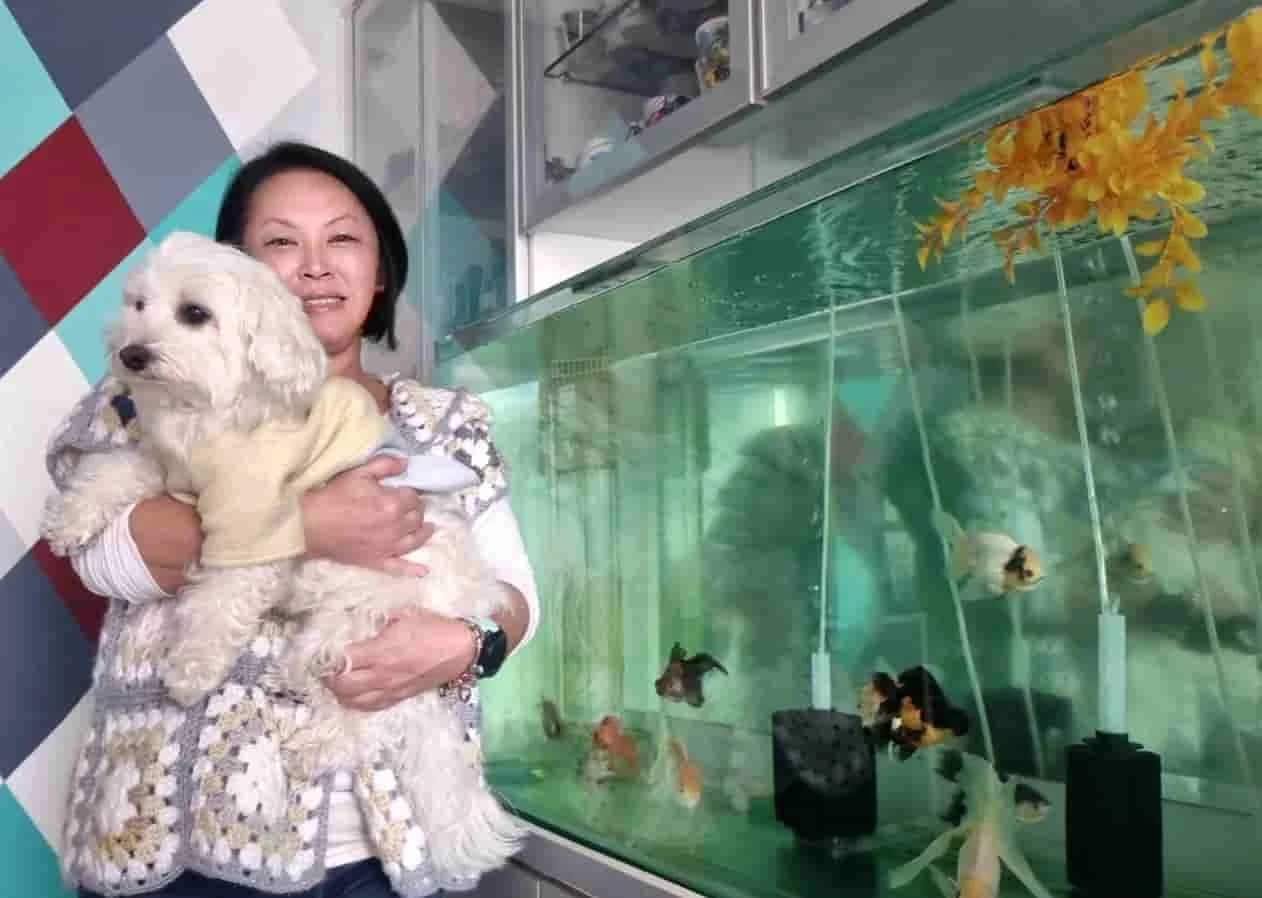
🏠 The 100G Lab
Where we torture test every hardware option, pellet line, and filter layout live.

🏃♀️ Grit & Eye
Marathon endurance meets the precise, millimeter structural focus of a seamstress.
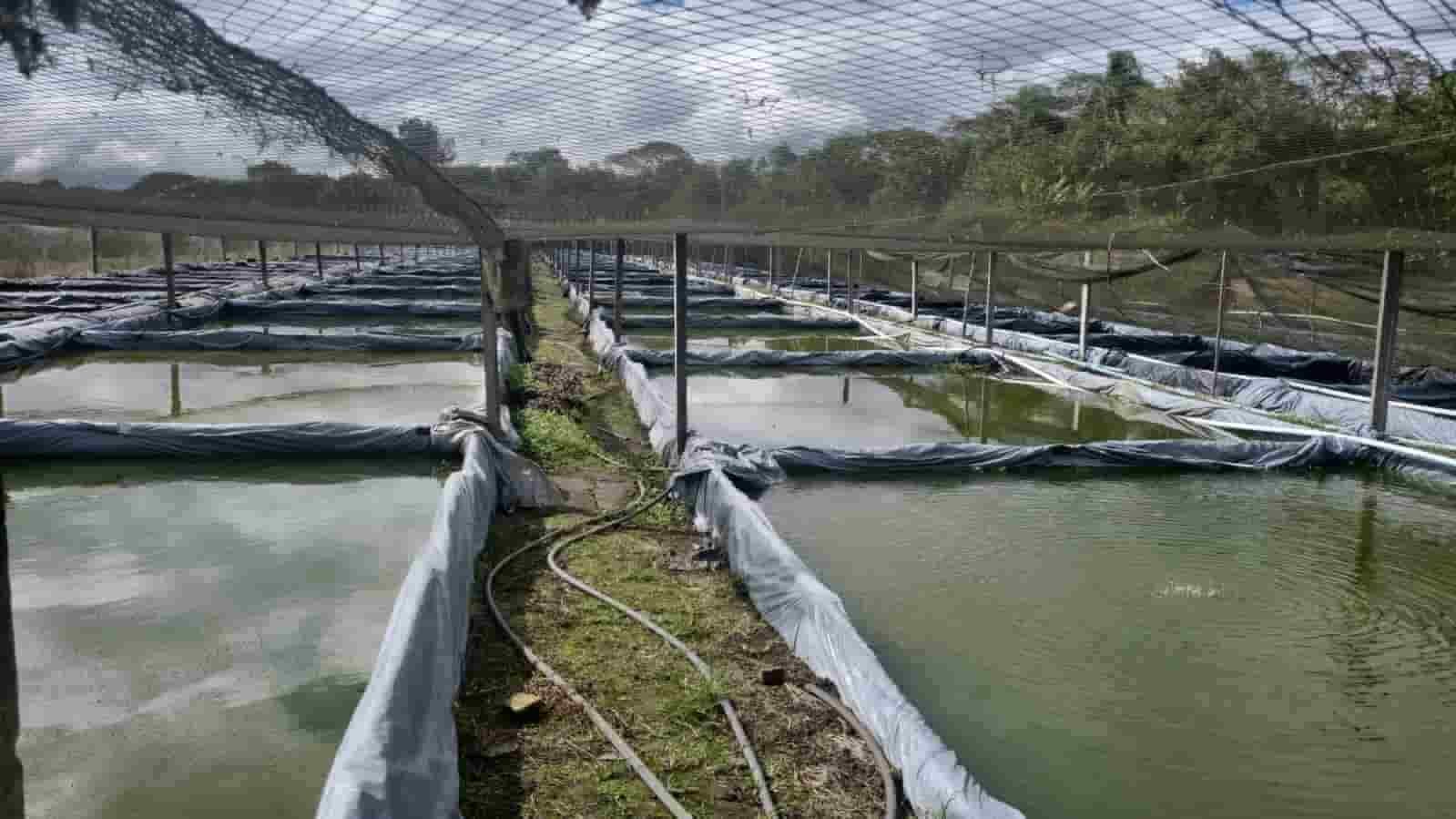
🐳 Monster Vats
Analyzing massive continuous turnovers inside large open-air mud farm vats.
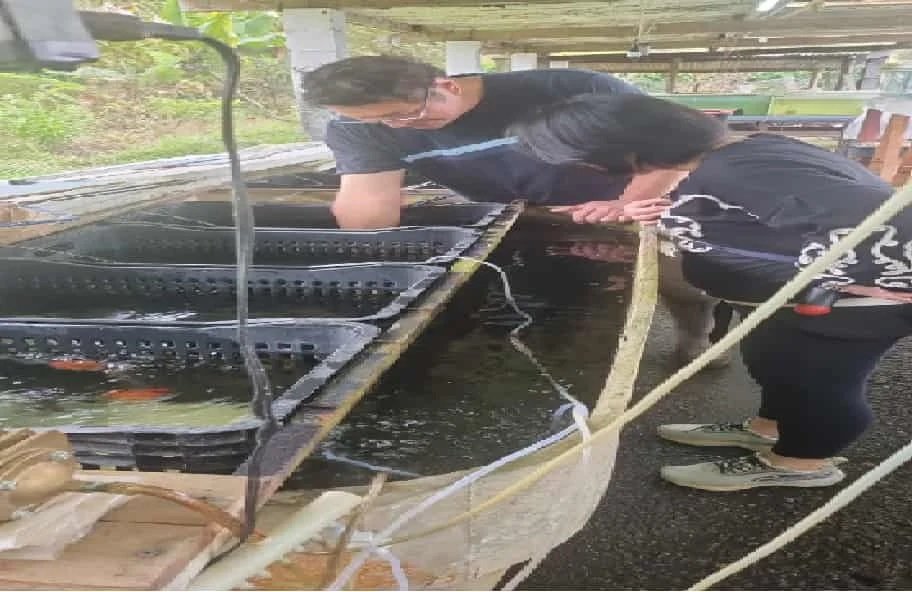
🤝 True Alliances
Working hand-in-hand with regional facility operations to target elite fancy bloodlines.
✨ Read also: (Fishless Cycling Guide for 100 Gallons)
A deeply technical piece of content that perfectly complements this post — absolutely worth the read.