
When you own a sighthound, speed is both a marvel and a constant source of anxiety. Evaluating the top GPS trackers for greyhound racing isn’t just about reading feature lists; it is about finding gear that can keep up with a living rocket. Greyhounds reach top speeds of up to forty-five miles per hour in just a few strides. Standard pet trackers built for couch-bound dogs simply fall apart, lag behind, or fly off the collar when subjected to that kind of violent acceleration.
Whether you are conditioning a hound for competitive track runs, lure coursing, or managing an athletic rescue who treats any open gate as an Olympic sprint, tracking tech behaves differently at forty miles per hour. A delay of thirty seconds isn’t just a minor glitch—it is the difference between keeping eyes on your dog and searching miles down a highway.
Over at our testing team, skytc, we spend our weeks beating up gear in real-world conditions. I spend plenty of time traveling with my Maltese, Murphy, but when it comes to high-velocity sighthounds, my team member—who is both a dedicated pet parent and a certified pet specialist—takes the lead on testing heavy-duty athletic hardware. We do not accept slick marketing brochures at face value.
In 30 Seconds: Quick-Verdict
Look, here is the raw truth from the tech support counter: 90% of commercial pet tags are useless for a racing hound. Bluetooth tag gadgets that rely on crowd networks are a total joke when your dog is half a mile away in under sixty seconds. You need real-time cellular units or dedicated radio-frequency (RF) systems with polling intervals under five seconds.
If a device updates every two to five minutes to save its battery, skip it completely. Your greyhound will be two zip codes away before the app finishes its satellite handshake. Invest in dedicated high-refresh gear with reinforced harness mounts, or do not bother at all.
The Speed Dilemma: Why Standard Trackers Fail Greyhounds
Greyhound physics break standard pet technology. Most consumer trackers are engineered for a dog that trots at three miles per hour around a suburban backyard. When a tracker calculates position every minute, that works fine for a Golden Retriever sniffing a fire hydrant. But a greyhound covering twenty meters per second renders a one-minute update loop completely obsolete. In sixty seconds, your dog has covered three-quarters of a mile.
Furthermore, sighthounds have unique physical proportions. They possess narrow heads, deep chests, thin skin, and virtually zero body fat. A bulky, square tracking box bouncing against a greyhound’s delicate neck during a high-speed sprint isn’t just uncomfortable—it causes tissue bruising and can interfere with their running stride.
Velocity versus Polling Rates
To track a sprinting dog, the device hardware must maintain an active GPS satellite lock while rapidly transmitting data over cellular or radio frequencies. When a dog changes direction at top speed, low-tier accelerometers fail to register the direction shift, causing the companion application to draw straight lines across properties where your dog never actually stepped.
Gaining absolute peace of mind during off-leash training means knowing your tracker updates fast enough to pinpoint a high-speed sprint before your dog vanishes over the horizon.
The Reality of the Battlefield
Marketing graphics always show happy dogs playing in sunlit meadows with tiny, perfect tags attached to their collars. Reality is far messier, especially when dealing with greyhounds. During our skytc field evaluations, we put these devices through pure punishment.
Rubber silicone mounting sleeves look great in the box, but they snap instantly when a hound blasts through thick brush or rubs against a fence line. Soft plastic mounting clips disintegrate under sudden acceleration forces. If your mounting system fails during a sprint, you haven’t bought a dog tracker—you’ve just littered an expensive piece of electronics in a field.
Waterproofing claims are another area where reality bites. Many tags carry high IP ratings for resting under shallow water, but high-speed running through wet tall grass creates dynamic pressure. Moisture forces its way past cheap rubber gaskets, corroding the charging contacts within weeks.
We also see severe thermal throttling. High-refresh GPS tracking generates heat inside small enclosures. On warm training days, budget units overheat and throttle their update rates down to save themselves, right when you need live tracking the most.
The high-precision cellular tracking module provides exceptional location accuracy during open field runs, however, the excessive power consumption in live-tracking mode drains small batteries so rapidly that you risk losing signal during an extended search.
Common Pitfalls and Costly Mistakes
Consider this scenario: You adopt a retired racer and head out to an open, fenced lure field or training area. You buy a low-grade consumer tag because it advertises long battery life and fits neatly on a thin collar.
Your hound spots a deer or a stray rabbit on the far side of the perimeter, clears a low barrier, and vanishes into the tree line at full gallop. You pull out your phone, open the tracking app, and hit refresh. The screen spins. It shows a static circle labeled “Last seen 3 minutes ago.”
You drive up and down rural roads guessing where the dog went, while the tracker quietly waits for its next scheduled update cycle. By the time the screen drops a new pin, the hound is two miles south and the tracker’s small battery is already down to twenty percent because the cellular modem struggled to find a signal in the forest.
This happens every day because pet parents confuse basic neighborhood proximity tags with high-performance athletic trackers.
Essential Features in Top GPS Trackers for Greyhound Racing
When evaluating tracking hardware for sighthounds, you must prioritize specific technical metrics over decorative app features.
Ultra-Fast Refresh Capabilities
Look for hardware capable of continuous live tracking with update intervals between two and five seconds. Anything slower than ten seconds will result in severe lag on your mapping screen during a sprint.
Ergonomic Form Factor and Mounting Security
Because greyhounds wear broad martingale collars or specific deep-chest harnesses, the tracker must lie flat. Screw-lock collar mounts or heavy-duty webbing sleeves are mandatory. Avoid hanging dangle-tags that swing violently and hit the dog’s chest during high-speed movement.
Hybrid Connectivity
The best setups combine GPS, GLONASS, or Galileo satellite positioning with dual LTE-M cellular modems. For rural training fields with zero cell service, dedicated radio-frequency trackers that beam directly to a handheld receiver are far superior to cellular-dependent units.
Comparison of Greyhound Tracker Categories
| Tracker Category | Update Frequency | Range Limit | Battery Life (Live Mode) | Ideal Greyhound Use Case |
|---|---|---|---|---|
| Long-Range RF Handheld Systems | 2.5 to 5 seconds | 2 to 9 miles (Line of Sight) | 20 to 40 hours | Rural training, off-leash fields, zero cell coverage |
| High-Refresh Cellular Trackers | 2 to 10 seconds | Unlimited (Cell network dependent) | 4 to 8 hours | Urban/suburban parks, escaped dog recovery |
| Standard Consumer Cellular Tags | 1 to 5 minutes | Unlimited (Cell network dependent) | 2 to 5 days | Slow walks, couch sleeping (Not recommended for racing) |
| Bluetooth Mesh Tags | 10 to 30 seconds (Near phones) | 30 to 100 feet | 6 to 12 months | Finding lost keys; completely useless for fast hounds |
| Low-Grade Budget Imports | Not provided | Variable | 2 to 3 hours | Not recommended for high-speed sighthounds |
Actionable Setup Checklist
- When searching for the top GPS trackers for greyhound racing, verify that the minimum live-tracking update interval is five seconds or less. Pro-tip: Test live mode in your backyard before trusting it in an open field to verify true satellite lock times.
- Select a harness-mounted orientation over a hanging collar tag. Pro-tip: Mounting the unit between the shoulder blades prevents sternum bruising and keeps the antenna pointing straight up at the sky.
- Replace all flexible rubber mounting sleeves with reinforced screw-clamp brackets. Pro-tip: Thread a heavy-duty zip-tie through the tracker frame and harness webbing as a secondary safety tether.
- Pre-map cellular dead zones in your local training areas using offline map downloads inside your tracking app. Pro-tip: Download local topographic maps to your phone so you can navigate terrain even if cell coverage drops.
- Charge the tracker to full capacity before every high-activity session, regardless of the remaining percentage shown. Pro-tip: Cold weather drops battery capacity quickly; keep the unit warm in your car until the moment you tack up your hound.
- Verify the waterproofing rating is at least IPX7 or IPX8 before running in damp grass or mud. Pro-tip: Put a tiny dab of dielectric grease on exposed magnetic charging pins to stop corrosion from dog sweat.
- Set up custom safe zones (geofences) around your home or training ground with immediate push notifications enabled. Pro-tip: Draw geofence boundaries slightly wider than the physical fence line to account for minor GPS drift.
- Perform a physical hardware check on all clips, latches, and screws after every single run. Pro-tip: High-frequency body vibrations from sprinting can loosen micro-screws over time.
- Keep a handheld RF receiver or external battery bank in your field kit at all times. Pro-tip: Never rely on your smartphone’s internal battery lasting through a two-hour search in low-signal areas.
- Train your greyhound to recognize an audible recall chime if your tracker hardware includes an internal speaker. Pro-tip: Pair the tracker’s chime button with high-value food treats at home before using it outdoors.
- Pair the device with your smartphone and confirm satellite lock before unhooking the leash. Pro-tip: Cold-starting a GPS module while a dog is already running causes inaccurate location telemetry for the first few minutes.
- Maintain a secondary ID tag on the collar that does not interfere with the tracker’s internal antenna. Pro-tip: Avoid metal-on-metal contact between traditional brass tags and your GPS unit to prevent radio interference.
👇 Looking for more performance cheats? Check out our field-tested tactical blueprints:
The Best GPS Dog Trackers with No Monthly Fees
Real battlefield testing: How to keep your dog 100% safe without getting trapped in expensive subscriptions.
Best Smart Litter Boxes: Honest Testing & Review
Say goodbye to the scoop. We test the internal mechanics, odor control, and safety of top smart litter boxes.
Best Smart Feeding & Interactive Toys for City Pets
How to keep your companion happy, engaged, and fed while managing a busy, away-from-home routine.
Frequently Asked Questions
Why can’t I just use a standard Bluetooth tag on my greyhound?
Bluetooth tags do not contain GPS receivers or cellular modems. They rely entirely on passing smartphones to report their location. When a greyhound bolts into an open field, woods, or along a highway, there are no nearby smartphones to pick up the signal. By the time someone walks past the tag, your dog is miles away. Bluetooth tags are meant for lost keys, not forty-mile-per-hour sighthounds.
How fast does a GPS update rate need to be for a sighthound?
You need an update frequency between two and five seconds during live tracking mode. A greyhound running at full speed covers tremendous distance in a heartbeat. Anything with an update cycle longer than ten seconds will show you where your dog was, not where they are, making real-time interception almost impossible.
Will a bulky tracker hurt my greyhound’s neck?
Yes, if mounted incorrectly. Greyhounds have delicate necks, thin skin, and slender windpipes. A heavy, dangling block swinging against their throat during a sprint can cause pain and skin chafing. Always choose lightweight units (under 50 grams) and mount them firmly to a well-fitted harness between the shoulder blades rather than on a thin neck collar.
Do I need a cellular subscription for greyhound tracking?
If you choose a cellular-based tracker, yes, a active data subscription is mandatory because the device uses mobile networks to send location data to your phone. However, if you opt for a long-range radio-frequency (RF) system with a dedicated handheld receiver, you do not need a monthly subscription or cell coverage at all.
What happens if my hound escapes into an area with no cellular coverage?
Cellular trackers will lose the ability to transmit their position to your phone app when cell service drops, even if the GPS satellites know where the dog is. The unit will log the data internally and upload it once it re-enters signal range. If you routinely exercise your hound in wilderness areas with zero cell reception, you must use a dedicated RF handheld system instead of a cellular tracker.
How waterproof does a hound tracker actually need to be?
It needs to be rated at least IPX7, meaning it can handle complete immersion in water. Greyhounds kick up wet grass, run through mud, and cut through creeks. Additionally, dynamic pressure created by high-speed movement through rain or tall wet weeds will force water into low-grade seams that claim basic splash resistance.
Can I attach the tracker directly to a martingale collar?
It is not ideal. Martingale collars loosen when there is no tension on the lead, causing heavy tags to slip around to the underside of the neck. This exposes the device to hard impacts during running and places the antenna facing the ground, which reduces signal strength. Strap the device securely to a wide martingale only if it sits flat, or better yet, attach it to a running harness.
Why does live tracking drain the battery so quickly?
Live tracking forces the internal GPS chip and cellular modem to remain constantly powered on and transmitting data every few seconds. In standard standby mode, these chips sleep for minutes or hours at a time to save energy. High-frequency data transmission demands massive energy, which naturally burns through small, lightweight dog-wearable batteries within a few hours.
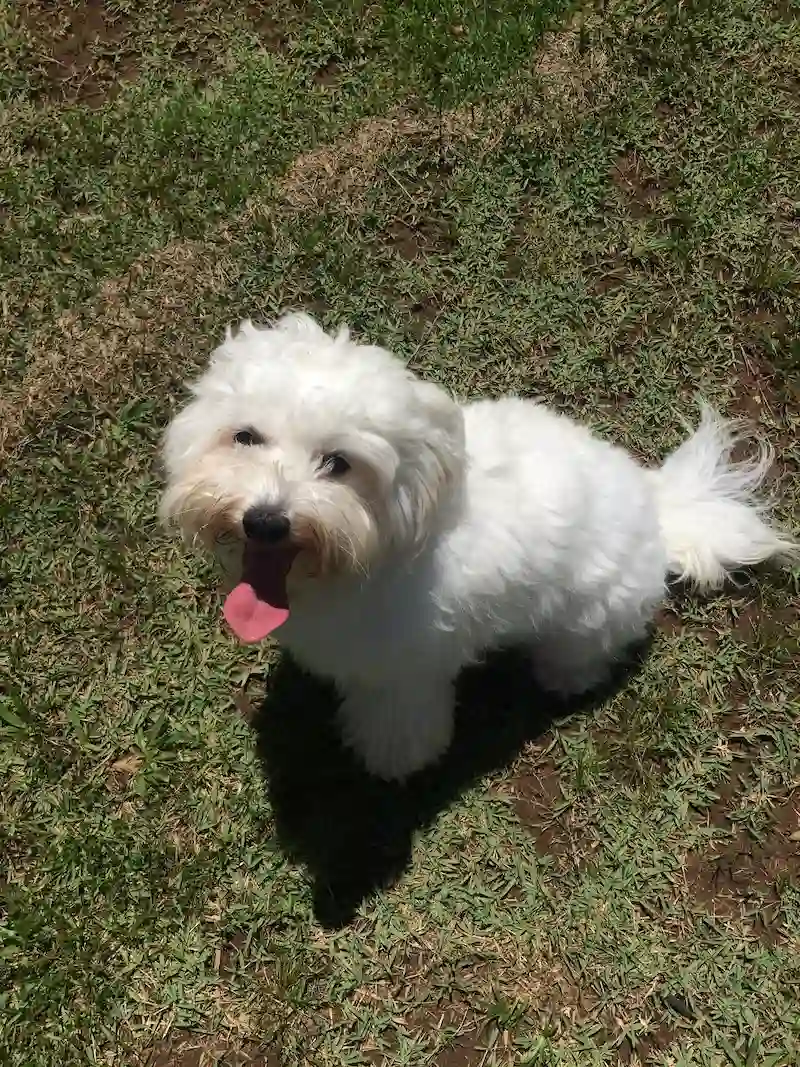 Murphy
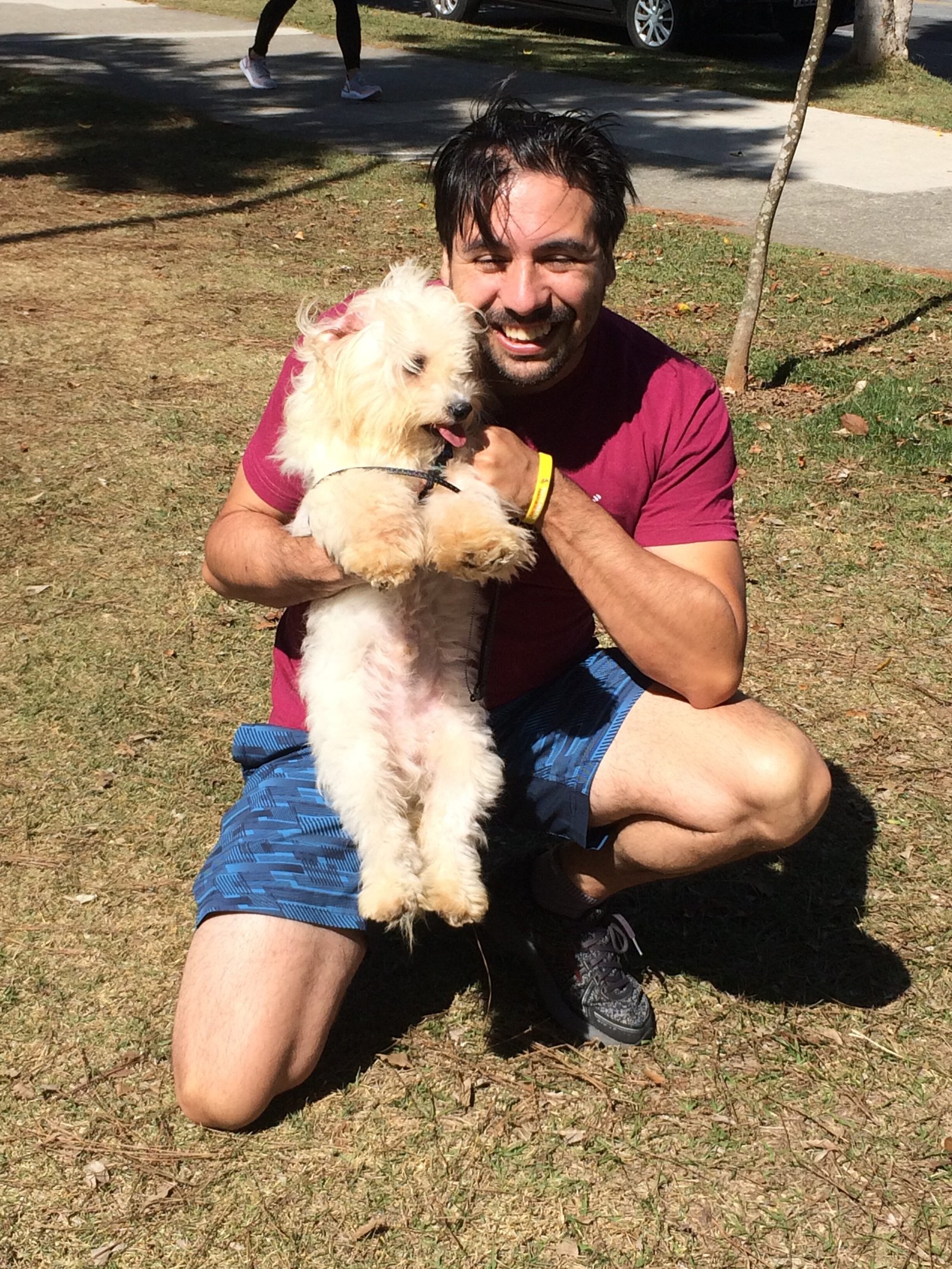 Valtersky
Meet Valtersky & Murphy
FOUNDER OF TEAM SKYTC
At SKYTC, cutting-edge pet technology meets real-world testing. We merge the unpredictable, hands-on testing of Murphy with Valtersky’s precise analysis—combining over 25 years of structural engineering background with health-tech experience. We raise the bar for review standards so your best friend gets only the safest, most functional, and highly reliable gear on the market.
✨ Read also: Best GPS Trackers for Australian Shepherds
A deeply technical piece of content that perfectly complements this post — absolutely worth the read.