

You turn on the aquarium lights at six in the morning, coffee mug in hand, only to freeze in pure horror: your prize Oranda looks like someone rolled it in coarse table salt. Your heart drops straight into your stomach because you know the clock is ticking, and understanding how long does ich live in tanks is the exact dividing line between saving your wet pets or turning your pristine glass sanctuary into an ammonia-choked graveyard.
The panic is real. You are standing there with soaking wet sleeves, smelling foul store-bought chemicals, and wondering if dumping some mysterious neon-blue concoction into your filter is going to nuke your beneficial bacteria into oblivion. That sick feeling of helplessness while your fish flash against the gravel and gasp at the surface is enough to make anyone want to quit the hobby forever.
Take a breath. You are not going to lose this battle today. By mastering the cold, hard biological timeline of this parasite, you will stop throwing cash at useless gimmick cures, slash your gravel vacuuming time by half, and protect your biological filter bed so your fish can thrive for years without another outbreak.
The Water Parameter: The Nitrate Cycle
Here is your tech-support counter talk: Ich is not a simple skin rash, it is an obligate ciliated protozoan called Ichthyophthirius multifiliis that functions on a strict, thermally driven biological clock. When beginners dump non-selective biocides into a display tank out of pure blind panic, they do not kill the buried parasite—they murder their autotrophic nitrifying bacteria. That unforced error immediately detonates a lethal ammonia and nitrite cascade that will asphyxiate your fish ten times faster than the bug itself ever could.
The white spots you see on the fins and scales are feeding adults called trophonts, completely shielded under the fish’s slime coat where chemical dips cannot touch them. The parasite only dies when it detaches, drops to the substrate as a tomont, and bursts into free-swimming theronts hunting for a host. Cut the fluff: accelerate the water temperature safely to speed up their metabolic clock, dose aquarium-grade salt to disrupt their cellular osmotic pressure, and let mechanical gravel siphoning purge the reproductive cysts before they hatch.
| Thermal Operating Tier | Trophont Feeding Stage | Tomont Cyst Division | Theront Free-Swimming Stage | Total System Clearance Window |
|---|---|---|---|---|
| Coldwater Setup (54°F / 12°C) | 14 to 28 Days | 5 to 7 Days | 48 to 72 Hours | 35 to 45 Days |
| Sub-Tropical Baseline (68°F / 20°C) | 5 to 7 Days | 2 to 3 Days | 24 to 48 Hours | 14 to 21 Days |
| Tropical Standard (78°F / 25.5°C) | 3 to 4 Days | 18 to 24 Hours | 18 to 24 Hours | 7 to 10 Days |
| Hyperthermic Zone (86°F / 30°C) | 24 to 48 Hours | Inhibited / Stalled | 12 to 18 Hours | 4 to 6 Days |
| Fallow Tank (No Hosts Present) | Zero (Host Absent) | Temperature Dependent | Dies within 48 Hours | Varies by Thermal Tier |
How Long Does Ich Live in Tanks Under Real Conditions
The lifespan of this parasite is locked to water temperature; it is basic thermodynamics applied to cell biology. In an unheated goldfish tank sitting at room temperature, the complete lifecycle can drag out across four grueling weeks, making you think your treatments are failing when the parasite is simply crawling through its developmental phases. If you leave a tank completely empty without any fish, the free-swimming theronts starve to death within forty-eight hours because they lack the metabolic reserves to survive without a host.
However, running an unmonitored setup at hyperthermic levels without supplemental oxygenation will suffocate your livestock long before it kills the cysts. You have to manipulate the lifecycle stages with tactical discipline: push the temperature up gradually to force the trophonts off the fish, keep the therapeutic window active for at least five full days after the very last visible white spot drops, and vacuum the substrate floor where the tomonts reproduce inside their gelatinous capsules.
The Bare-Metal Trial: Pros, Cons, and Real-World Wear
When fighting a severe system outbreak, you have three distinct technical paths, and every single one carries operational friction. Let us dissect the real-world trade-offs without the corporate sales pitch.
Pure Thermal Acceleration: The Good: It requires zero chemical additives, leaving your sensitive plants and scale-less bottom dwellers completely free from toxic heavy metals. The Bad: Extreme heat tanks your dissolved oxygen saturation levels instantaneously, and if your heating element has a cheap internal bi-metallic strip, it will weld shut, overheat the water column, and boil your entire aquatic collection while you are asleep.
Formalin and Malachite Green Compounds: The Good: These industrial biocides rip through free-swimming theronts on contact, offering the fastest knock-down rate on high-density commercial systems. The Bad: It permanently stains aquarium silicone seams a ghastly green tint, destroys biological sponge filtration if overdosed by even five percent, and exposes the keeper to aggressive chemical vapors during dosage prep.
Fallow Tank Starvation Protocol: The Good: The absolute safest tactical cheat code for intricate display tanks; pulling the fish to a bare-bottom hospital setup starves the main display naturally without risking livestock health. The Bad: It demands redundant filtration gear, extra physical floor space, and tests your personal patience as the main display sits entirely barren for up to a month.
The Wet-Bench Trial: Real Pump and Media Degradation
Modern external canister filters provide unmatched mechanical surface area and exceptional fluid dynamics. But when you subject that closed-loop system to prolonged parasite warfare, the structural integrity of your internal components takes a brutal beating. The hard reality is that high salinity levels and elevated temperatures degrade dynamic nitrile rubber gaskets, causing slow leaks around the motor head casing.
Chemical additives based on formalin and copper denature the delicate cellular biofilms clinging to your porous sintered glass rings. As that biological slime sloughs off in thick chunks, it migrates straight down into the impeller well, creating severe magnetic shaft friction shearing that scores the ceramic drive shaft. Once that shaft is scored, your canister develops an unbearable rattling noise, head pressure drops through the floor, and total flow rates plummet by half.
Worse yet, running high water temperatures drops gas solubility, leading to micro-cavitation along the edges of cheap plastic impellers. You will watch marketing specs boasting hundreds of gallons per hour collapse into a weak trickle as air bubbles pocket around the media trays. If you do not pull your chemical filter media before treating, activated carbon blocks instantly saturate, exhaust their binding sites, and dump concentrated toxins back into the display.
Hypostatical Failure Scenario: The Premature Victory Trap (Click to Expand)
Consider a frantic hobbyist running a display setup who spots a dozen white cysts across their fish’s caudal fins. They dose a copper-based medication, crank the submersible heater up, and watch in triumph as every single white dot vanishes from the scales within seventy-two hours. Convinced the crisis is over, they perform a massive water change, reinstall the activated carbon pouch, and drop the heater back to normal.
Five days later, every fish in the tank is dead on the bottom. Why? The hobbyist celebrated when the trophonts simply matured and dropped into the substrate to become tomonts. By pulling the treatment prematurely, thousands of theronts hatched unhindered into clean water, swarmed the gills invisibly, and choked the fish internally before a single white spot ever resurfaced on the skin.
Smarter Guides for a Healthier Aquarium
Practical aquarium guides for cleaner water, healthier fish, better filtration, and long-term tank stability.
Eliminate Aquarium Algae Naturally
A practical field guide to controlling aquarium algae naturally while building a healthier and more balanced aquatic environment.
Master Aquarium Water Chemistry and Bio
Learn how to manage water chemistry, biological filtration, and heavy bioload conditions for a more stable aquarium.
Care for Fancy Goldfish in Large Tanks
A detailed guide to creating the right environment, care routine, and tank conditions for fancy goldfish.
Ultimate Guide to Goldfish Tank Filtration
Understand filtration options, flow, media, and maintenance strategies for keeping goldfish tanks clean and stable.
Maintain a 100 Gallon Goldfish Tank
A practical maintenance system for managing a large goldfish aquarium, including cleaning, water changes, and routine care.
Feed Goldfish for Maximum Lifespan
Learn how feeding frequency, food quality, portions, and routine can support healthier and longer-lived goldfish.
The Filter Cycle: Parametric Water Management Checklist
Track how long does ich live in tanks under your temperature.
Expert Tip: Never terminate your eradication routine the moment visible cysts drop, because unhatched substrate tomonts remain fully viable beneath the gravel line.
Increase surface agitation aggressively before raising any system temperatures.
Expert Tip: Warmer water holds significantly less dissolved oxygen, meaning un-aerated thermal spikes will trigger severe respiratory distress in gill-compromised fish.
Remove chemical carbon packs prior to dosing therapeutic compounds.
Expert Tip: Active carbon scavenges therapeutic molecules out of the water column within forty minutes, rendering your expensive treatment protocols utterly useless.
Siphon gravel beds thoroughly to remove encysted reproductive tomonts.
Expert Tip: Plunging your siphon deep into the waste-heavy substrate physically extracts dividing cysts before they can rupture into thousands of infective theronts.
Calibrate submersible heaters using a secondary laboratory mercury thermometer.
Expert Tip: Low-grade components feature inaccurate internal dials that can easily drift five degrees high, cooking livestock during hyperthermic treatment runs.
Dissolve pure non-iodized sodium chloride fully before tank application.
Expert Tip: Dropping raw salt crystals directly into the aquarium creates concentrated benthic brine pools that can chemically burn bottom-dwelling fish upon contact.
Monitor ammonia and nitrite levels twice daily throughout treatment.
Expert Tip: Dying parasite die-offs paired with chemical medication stress can stall nitrifying colonies, causing fatal secondary spikes in unbuffered systems.
Isolate incoming aquatic livestock inside dedicated bare-bottom quarantine systems.
Expert Tip: Running an unplanted quarantine tank for thirty days completely breaks the parasite introduction vector without exposing your expensive main display to pathogens.
Dim display lighting channels to reduce metabolic livestock stress.
Expert Tip: Subdued lighting lowers systemic cortisol production, reinforcing natural immune mucus production while protecting light-sensitive therapeutic chemical compounds from rapid photolysis.
Sterilize wet siphon nets using boiling water between maintenance runs.
Expert Tip: Moving damp equipment between tanks mechanically transfers microscopic theront droplets across your fishroom, creating rapid secondary cross-contamination outbreaks.
Inspect gill flare rates daily for signs of microscopic infestation.
Expert Tip: Theronts routinely colonize internal gill filaments long before external cysts show on scales, causing rapid pumping behaviors that signal an invisible respiratory attack.
The Goldfish Ecology: Straight Answers to Filtration Queries
Can Ich survive indefinitely inside a tank without fish hosts?
No. Ich is an obligate parasite that requires a living host to complete its lifecycle. Once the theront stage emerges from the substrate cyst, it must locate a fish within forty-eight hours or its cellular energy exhausts completely, causing the organism to lyse and die naturally.
Will cranked water temperatures alone kill off every parasite strain?
Not always. While standard strains fail to reproduce above eighty-six degrees Fahrenheit, several thermally tolerant mutations survive in modern warm-water environments. Relying purely on thermal shock without pairing it with salt or targeted biocides is an unnecessary gamble with livestock lives.
Can I safely treat scaleless fish with standard commercial medications?
Never at full strength. Scaleless fish, loaches, and specific catfish absorb chemical treatments directly through their dermis, leading to acute organ toxicity. You must either cut formal-based dosages in half or rely strictly on gradual salinity protocols combined with physical gravel vacuuming.
Why do white spots disappear and reappear worse a week later?
Because you mistook the reproductive stage for total eradication. When the feeding trophont drops off the fish, it does not mean the parasite is dead; it simply entered the tomont phase to replicate. If you do not eliminate the free-swimming swarm that follows, they reinfect the host tenfold.
Does UV sterilization eliminate an active Ich infestation completely on its own?
No, it only acts as an auxiliary suppressor. A UV unit only neutralizes pathogens that physically pass across its internal quartz sleeve. It cannot kill the trophonts feeding on your fish or the tomonts glued to your gravel bed, making it insufficient as a standalone cure.
Will dosing aquarium salt destroy my biological filter bed media?
Not at therapeutic levels below three parts per thousand. Nitrifying bacteria tolerate moderate salinity shifts quite well, provided the salt is introduced slowly. What destroys filter beds is pouring un-dissolved chemical medications into high-load systems without watching parameter drifts.
Is it possible for healthy fish to carry dormant Ich permanently?
No, the “dormant carrier” theory is largely an aquatic myth. If Ich is present in an aquarium, it is actively cycling through its biological phases. Strong immune systems simply keep trophont counts low and localized in the gills where they remain entirely invisible to the naked eye.
Should I completely replace my filter pads after an Ich outbreak?
Absolutely not. Throwing away your filter media discards years of autotrophic bacterial colonization, resetting your nitrogen cycle back to day one. The parasite does not live inside your filter pads permanently; keep your media wet, clean it in tank water, and maintain your cycle.
🛡️ │ WHY TRUST SKYTC GOLDFISH CARE CURATION?
At SKYTC, we hold aquatic ecosystem biology and biological parameter handling to a rigorous standard. We are not an automated affiliate review engine; we apply hands-on tests and serious filtration engineering workflows to ensure every recommendation guarantees the health and maximum lifespan of your fish with absolute safety.
✓ Engineering:
Structural experience backed by heavy-duty filtration math, continuous hydraulic turnover metrics, and robust mechanical support for large-scale coldwater systems.
✓ Expertise:
Focuse on preventative biological husbandry and premium nutrition. Thoroughly auditing biological media, sinking feeds, and elements that completely neutralize ammonia spikes.
✓ Authority:
Curation signed by real keepers running a balanced 100-gallon display ecosystem for over 8 years, pairing daily practical benchwork with direct wholesale breeder insights.
✓ Trust:
Product selections built on unfiltered transparency—exposing actual electrical draws, heat dissipation issues, and hidden costs before any Amazon recommendations.
📸 Our Journey in the Real World
From daily living room tank turn rates to macro-scale breeding setups.
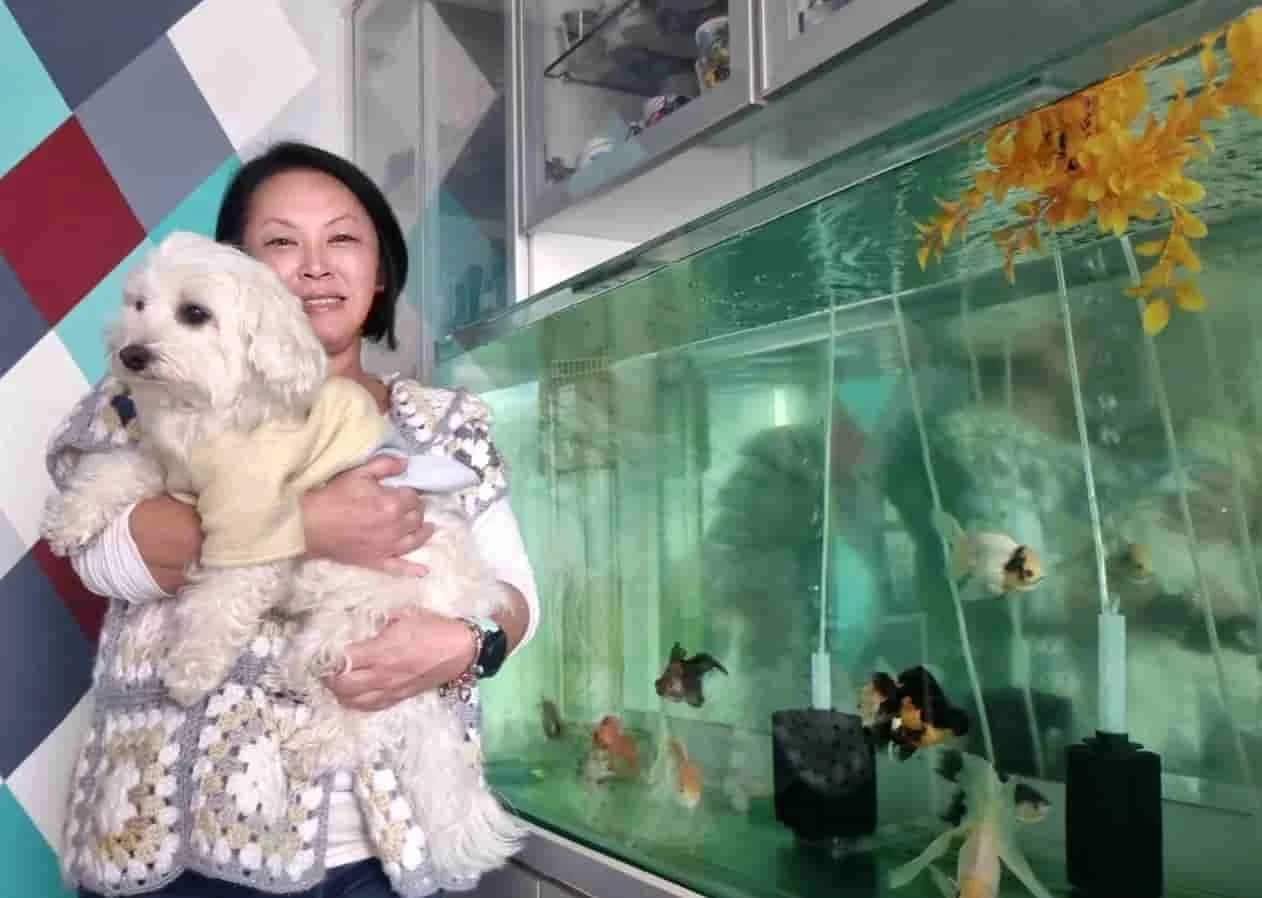
🏠 The 100G Lab
Where we torture test every hardware option, pellet line, and filter layout live.

🏃♀️ Grit & Eye
Marathon endurance meets the precise, millimeter structural focus of a seamstress.
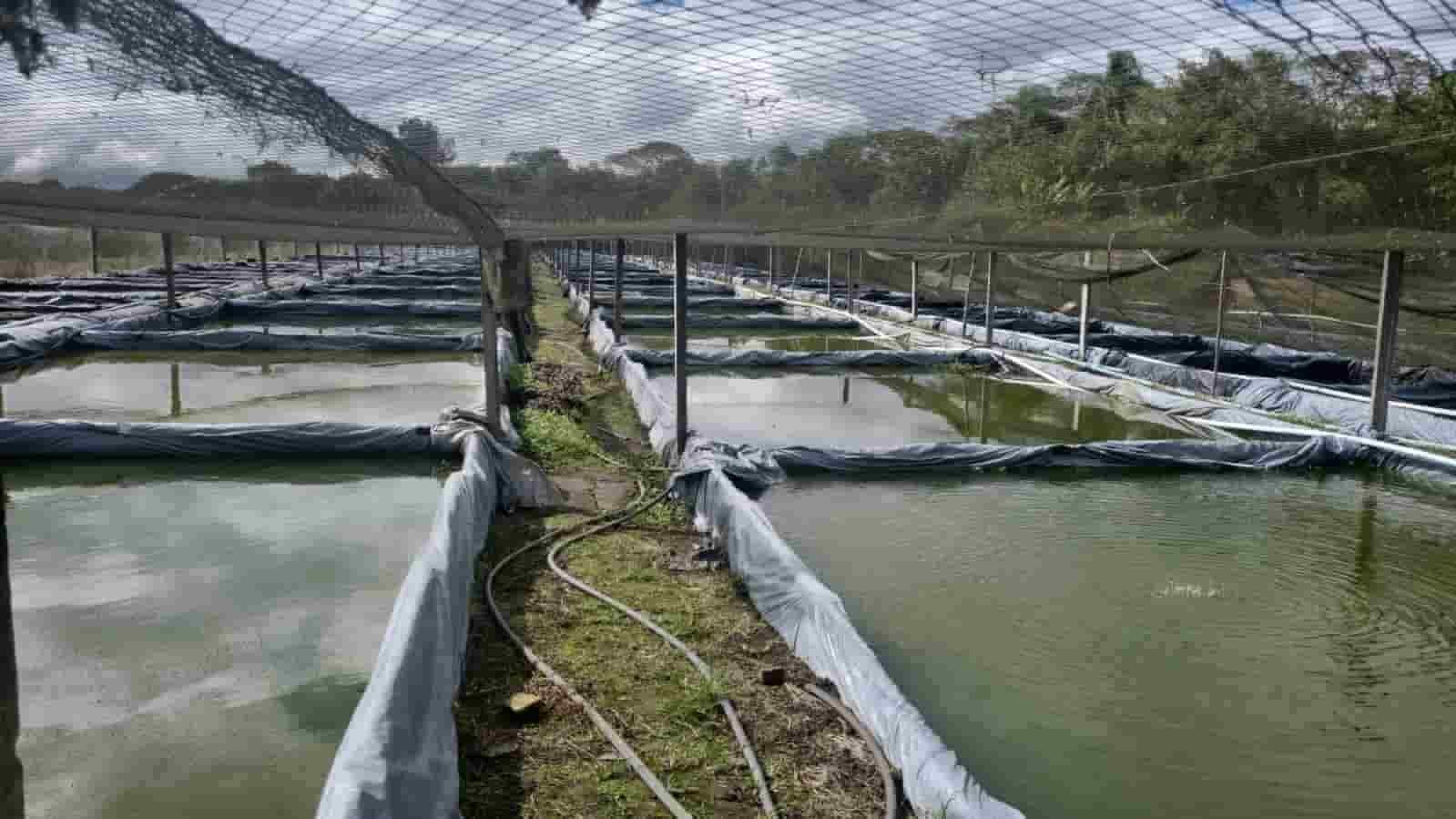
🐳 Monster Vats
Analyzing massive continuous turnovers inside large open-air mud farm vats.
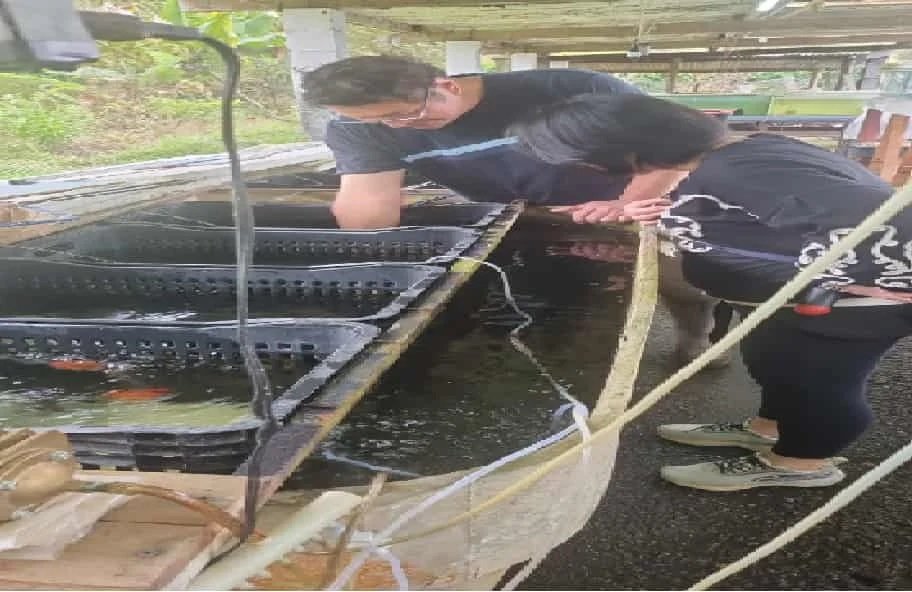
🤝 True Alliances
Working hand-in-hand with regional facility operations to target elite fancy bloodlines.
Read also: Natural Ich Treatments for Tanks: The Raw Bench-Tested Survival Protocol
Wet-Bench Warning: Running aggressive therapeutic regimens without monitoring mechanical loads can trigger severe biological filtration degradation, inducing canister head pressure loss and dynamic pump seal leaks across stressed filtration loops.