

You scrub the glass spotless on Sunday, yet stubborn tufts of black beard algae sprout right along your filter outflow nozzle by Wednesday. It looks like wet charcoal Velcro glued to the plastic, laughing off every sponge and razor blade you own.
I am Marcia Okabe, an eight-year goldfish keeper and professional seamstress maintaining a 100-gallon (400-liter) heavy-bioload display alongside the skytc team. Just like spotting a pulled tension thread along a high-stress seam or catching tight stride fatigue halfway through a long run, outflow fuzz is an early warning signal—not a random curse.
Once you understand why high-velocity jets concentrate dissolved carbon and waste right onto that plastic lip, fixing the outbreak gets straightforward. You stop wasting money on harsh liquid toxins, protect your fish gills, and keep your display clean without tearing down the whole tank.
The Water Parameter Verdict: The Direct Tank Summary
Filter outflows grow black beard algae (BBA) first because constant boundary-layer turbulence strips away stagnant water film and delivers non-stop dissolved carbon, organic sludge, and microscopic waste straight to algal holdfasts positioned right beneath bright LED fixtures.
Pull detachable nozzles outside the tank for a 3% hydrogen peroxide soak, squeeze decaying waste out of mechanical sponges weekly, cap PAR light output at 6 to 7 hours, and stop erratic CO2 or flow swings.
BBA Control & Outflow Hardware: Technical Comparison
| Control Method / Gear | Mechanism Against BBA | Hydraulic / Flow Effect | Goldfish Compatibility | Resource / Gear Tier |
|---|---|---|---|---|
| External 3% H2O2 Dip | Oxidizes algal cell walls offline | Restores clean nozzle geometry | Safe when rinsed thoroughly | Budget-friendly precision tool |
| Dimmable PAR LED Fixture | Cuts photosynthetic fuel supply | None (overhead irradiance) | Supports Anubias & Java Fern | Budget-friendly to high-end setups |
| 20–30 PPI Foam Pre-Filter | Captures organic carbon waste | Minimal drag if rinsed weekly | Protects small fins & barbels | Costing a fraction of replacing sick livestock |
| Glass / Stainless Pipes | Smoother surface resists holdfasts | Low friction laminar jet | Fragile glass risks cracking | Premium tier investment |
| Liquid Carbon Bottles | Glutaraldehyde chemical burn | Unreported biofilm stress | Irritates sensitive gill tissue | Low-grade chemical crutch |
The Tank-Side Trial: Pros, Cons, and Real-World Wear
External Hydrogen Peroxide Outflow Soaks:
The Good: Dropping a crusted spray bar into a shallow tray of standard 3% hydrogen peroxide turns stubborn gray-black tufts bright pink and dead within twenty minutes.
The Bad: Yanking cold, stiff vinyl hoses off plastic barbs every month stretches tubing ends loose and cracks brittle intake elbows if you skip warming the hose in hot tap water first.
Spray Bars vs. Wide Duckbill Nozzles:
The Good: Dispersing pump flow across multiple spray-bar holes softens heavy turbulence for chubby fancy goldfish while keeping dissolved oxygen high across the surface.
The Bad: Cheap suction cups harden in coldwater tanks within six months, letting spray bars tilt upward until they spray water down the back glass—while tiny drilled holes trap fuzzy BBA plugs fast.
LED Intensity Throttling vs. Liquid Carbon Dosing:
The Good: Dialing down peak PAR intensity stops algae metabolism at the root while keeping beneficial biofilm inside your canister completely untouched.
The Bad: Pouring glutaraldehyde “liquid carbon” daily melts delicate leaves like Vallisneria and leaves stressed goldfish breathing heavily near the surface.
The Wet-Bench Trial: Real Pump, Media, and Parameter Degradation
Bottled liquid carbon products sear ugly tufts into harmless pink fuzz inside forty-eight hours and earn glowing reviews online, however, dosing industrial disinfectants into warm heavy-bioload tanks burns delicate gill lamellae while leaving the clogged filter sludge that fed the outbreak intact.
Ultra-fine disposable floss pads polish suspended cloudiness until your water sparkles on day one, but trapped feces rot right inside the canister tray, pumping dissolved organic carbon straight out the outflow jet like an algal fertilizer hose.
Bright non-dimmable starter LED bars make goldfish oranges and reds pop sharply in living rooms, yet blasting full-spectrum light onto shallow return nozzles supercharges red algae metabolism faster than slow-growing plants can compete.
Budget ABS plastic outflow pipes snap together easily out of starter boxes, however microscopic molding seams and hairline scratches lock BBA root fibers deeper than smooth borosilicate glass, turning basic brushing into a losing battle.
The Toothbrush-In-Tank Mistake That Spreads BBA Everywhere
Picture spotting thick black fuzz choking your duckbill outflow right before guests arrive. Grabbing an old toothbrush, you reach straight into the aquarium and scrub the nozzle vigorously while the canister pump runs at full blast.
Within seconds, hundreds of severed rhodophyte fragments ride the return current across every corner of the glass. Two weeks later, what used to sit neatly on one plastic pipe is anchored permanently onto every Anubias edge, driftwood ridge, and corner silicone seam.
Smarter Guides for a Healthier Aquarium
Practical aquarium guides for cleaner water, healthier fish, better filtration, and long-term tank stability.
Eliminate Aquarium Algae Naturally
A practical field guide to controlling aquarium algae naturally while building a healthier and more balanced aquatic environment.
Master Aquarium Water Chemistry and Bio
Learn how to manage water chemistry, biological filtration, and heavy bioload conditions for a more stable aquarium.
Care for Fancy Goldfish in Large Tanks
A detailed guide to creating the right environment, care routine, and tank conditions for fancy goldfish.
Ultimate Guide to Goldfish Tank Filtration
Understand filtration options, flow, media, and maintenance strategies for keeping goldfish tanks clean and stable.
Maintain a 100 Gallon Goldfish Tank
A practical maintenance system for managing a large goldfish aquarium, including cleaning, water changes, and routine care.
Feed Goldfish for Maximum Lifespan
Learn how feeding frequency, food quality, portions, and routine can support healthier and longer-lived goldfish.
Stop Black Beard Algae on Outflows: 11 Non-Negotiable Bench Rules
Target black beard algae triggers before scraping filter nozzles.
Removing tufts without lowering PAR intensity and organic waste output guarantees fresh dark spores re-anchor onto the same plastic edge within days.
Pull outflow pipes outside the tank for scrubbing.
Brushing black beard algae underwater while pumps run blasts viable fragments across every rock, plant leaf, and silicone corner.
Soak detached plastic spray bars in hydrogen peroxide.
A fifteen-minute bath in standard 3% H2O2 ruptures red-algae cell walls cleanly without risking gill irritation inside your main display.
Squeeze mechanical canister sponges weekly in siphoned tank water.
Decaying feces trapped inside filter baskets leach dissolved organics and soluble phosphates straight out the return jet.
Throttle LED intensity downward on high-PAR fixtures.
Blasting unfiltered light directly onto shallow outflow rims accelerates photosynthesis inside boundary-layer algae faster than goldfish-safe plants can compete.
Cap daily lighting duration at six to seven hours.
Long twelve-hour illumination windows exhaust limited inorganic carbon supplies and hand opportunistic rhodophytes a clear metabolic advantage.
Eliminate fluctuating dissolved CO2 with steady surface agitation.
Swinging carbonate and CO2 concentrations around high-flow zones stress submerged leaves and spark localized holdfast germination. Keep surface ripples steady twenty-four hours daily.
Inspect impeller wells and hose elbows for biofilm choke.
Slimy buildup inside return hoses cuts effective hydraulic GPH and turns smooth laminar flow into sputtering turbulence.
Warm stiff vinyl tubing before pulling off barbed fittings.
Yanking cold hardened hoses snaps plastic outflow elbows and loosens canister O-ring seats under sudden torque.
Keep glued or tied Anubias out of direct jets.
Blasting rhizome leaves directly in front of high-velocity return nozzles coats slow-growing edges with nutrient-rich debris.
Perform large weekly water changes to strip dissolved organics.
Biological rings convert ammonia to nitrate, not carbon sludge; fresh water resets the invisible dissolved waste feeding outflow fuzz.
The Goldfish Ecology: Straight Answers to Filtration & Care Queries
Why does black beard algae love my filter outflow so much?
Outflow nozzles sit right beneath intense overhead light while pumping continuous carbon, oxygen, and dissolved fish waste across a thin boundary layer. That nonstop delivery service turns plastic jets into prime real estate.
Will Siamese Algae Eaters solve my goldfish tank’s BBA problem?
No. True Siamese Algae Eaters prefer warm tropical water, grow aggressive as adults, and often harass slow fancy goldfish slime coats while ignoring tough mature BBA tufts anyway.
Is dosing liquid carbon daily safe for heavy-bioload goldfish?
Skip it. Glutaraldehyde is a harsh biocide masquerading as plant fertilizer, and heavy-waste goldfish need clean oxygen rather than chemical irritants.
Can I spot-treat black beard algae underwater with hydrogen peroxide?
You can squirt small measured doses on submerged rocks with filters turned off, but pulling removable nozzles out into a bucket is infinitely safer. Never exceed safe tank limits or spray directly near fish gills.
Why did black beard algae turn bright red or pink?
Congratulations—it is dying. When peroxide or bleach damages its outer pigment layer, this red algae loses its dark charcoal camouflage and turns pink before disintegrating.
Does lowering filter flow stop black beard algae from growing?
Cutting total tank filtration only traps more waste on the substrate and worsens water quality. Redirect the jet slightly lower beneath the light beam and clean your mechanical foam instead.
Will boiling driftwood kill black beard algae spores permanently?
Boiling wood kills existing growths on that branch, yes, though spores live microscopically in almost every wet aquarium. Fix your lighting intensity and weekly organic export so spores never anchor again.
How do I keep BBA off expensive glass lily pipes?
Swap out frosted dirty pipes for clean spare glass every two weeks and soak the dirty set in diluted bleach or hydrogen peroxide. Keeping the glass slick removes the rough footholds spores need to grip.
🛡️ │ WHY TRUST SKYTC GOLDFISH CARE CURATION?
At SKYTC, we hold aquatic ecosystem biology and biological parameter handling to a rigorous standard. We are not an automated affiliate review engine; we apply hands-on tests and serious filtration engineering workflows to ensure every recommendation guarantees the health and maximum lifespan of your fish with absolute safety.
✓ Engineering:
Structural experience backed by heavy-duty filtration math, continuous hydraulic turnover metrics, and robust mechanical support for large-scale coldwater systems.
✓ Expertise:
Focuse on preventative biological husbandry and premium nutrition. Thoroughly auditing biological media, sinking feeds, and elements that completely neutralize ammonia spikes.
✓ Authority:
Curation signed by real keepers running a balanced 100-gallon display ecosystem for over 8 years, pairing daily practical benchwork with direct wholesale breeder insights.
✓ Trust:
Product selections built on unfiltered transparency—exposing actual electrical draws, heat dissipation issues, and hidden costs before any Amazon recommendations.
📸 Our Journey in the Real World
From daily living room tank turn rates to macro-scale breeding setups.

🏠 The 100G Lab
Where we torture test every hardware option, pellet line, and filter layout live.

🏃♀️ Grit & Eye
Marathon endurance meets the precise, millimeter structural focus of a seamstress.
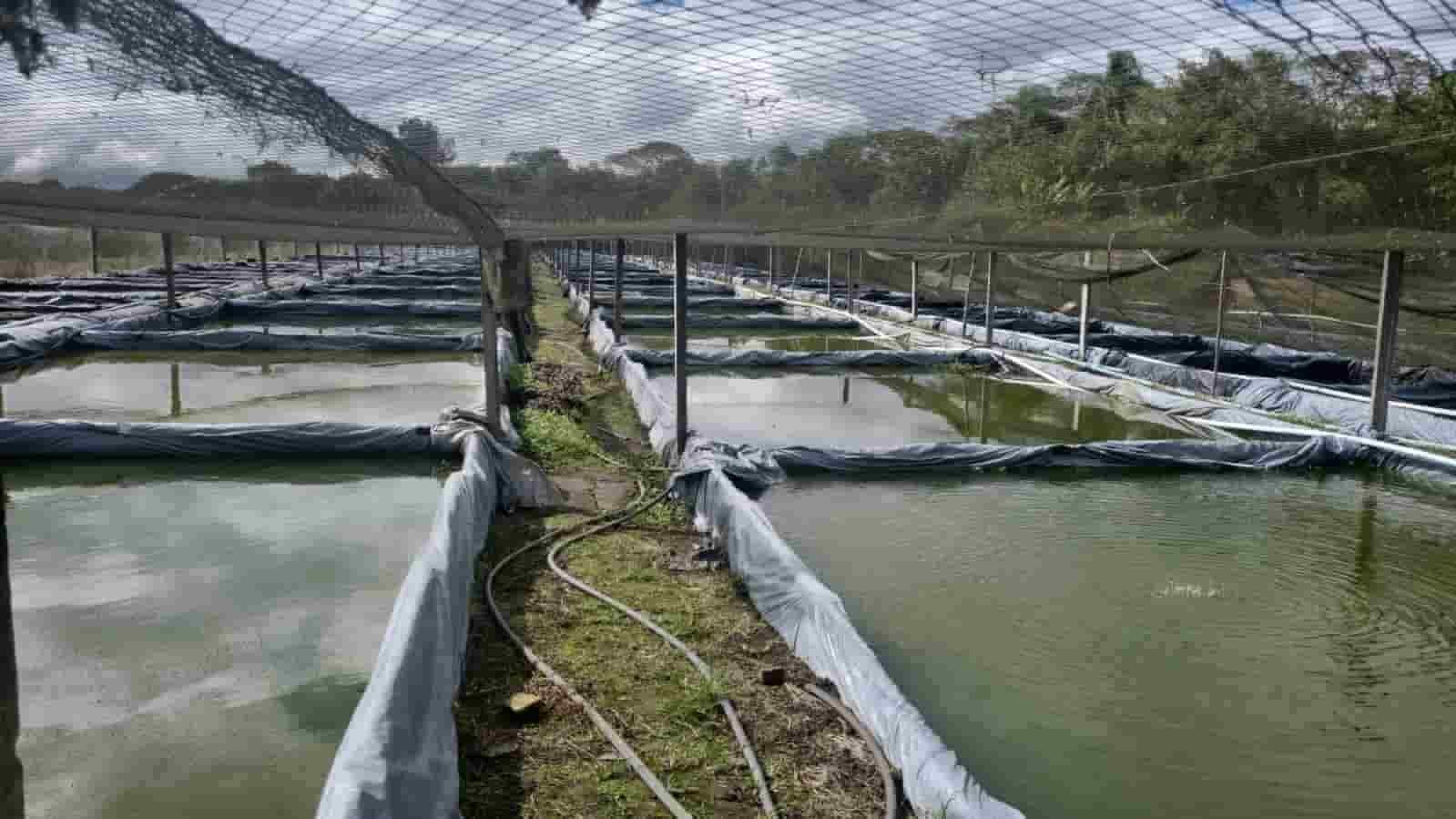
🐳 Monster Vats
Analyzing massive continuous turnovers inside large open-air mud farm vats.
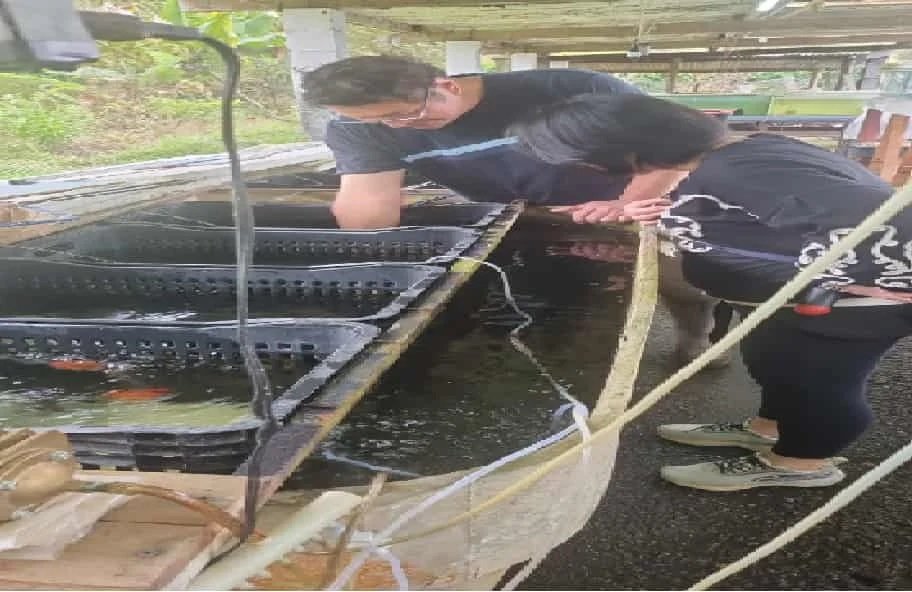
🤝 True Alliances
Working hand-in-hand with regional facility operations to target elite fancy bloodlines.
Read also: How to Eliminate Aquarium Algae Naturally: Field Guide
Restrictive biofilm fouling inside choked return piping spikes canister head pressure, induces magnetic impeller shaft friction shearing, and compromises dynamic pump seal integrity during continuous filtration.