
You sit on a rock at mile thirty of a technical mountain ultra, rubbing your kneecap in absolute agony. Every descent feels like a hot spike is being driven directly into your shinbone. This debilitating pain is a structural alarm bell telling you your front knee suspension has collapsed under load.
If you are struggling with this issue, implementing patellar tendon recovery hacks for ultra runners is your only path to long-term joint survival. This is not a minor irritation you can run through; it is a structural failure of your patellar tendon’s collagen matrix. When your connective tissues lose their stiffness, your kneecap can no longer track properly, causing chronic friction.
As a kickboxer with six years of ring experience and an ultra-marathoner with multiple 42km+ mountain finishes, I know this pain. My years as a clinical X-ray and CT scan tech gave me a direct diagnostic look inside the knee under load. I have analyzed hundreds of degenerated joints, and I can tell you that passive rest and cheap joint pills will never rebuild a damaged tendon matrix.
By fixing your tendon’s structural remodeling pathways, you will reclaim your downhill speed, preserve your joint cartilage, and stop wasting money on showroom gimmicks. Let us bypass the standard wellness fluff and look at the actual clinical engineering of your patellar tendon.
In 30 Seconds: The Blunt Verdict
Your patellar tendon has incredibly poor blood flow and will not heal with passive rest, ice, or cheap elastic knee sleeves. The only way to trigger collagen remodeling is through progressive, heavy mechanical loading. Use heavy isometrics to block the pain signal instantly, and load your quads with slow eccentrics to force the tendon fibers to realign. Skip the processed plant proteins and feed your body the dense animal-based collagen and saturated fats it needs to structurally repair the joint.
| Method | Primary Mechanism | Latency | Gear | Drawback |
|---|---|---|---|---|
| Heavy Slow | Stimulates high-tension collagen | 6 – 8 Weeks | Weights | Requires gym access |
| Isometrics | Triggers tendon analgesia | Immediate | None | Temporary pain relief |
| Rest & Ice | Constricts vascular blood flow | Plateau | Ice pack | Halts healing cascade |
| Knee Straps | Alters load distribution angle | Immediate | Strap | Mutes warning signals |
| Collagen | Provides structural amino acids | 4 – 6 Weeks | Dietary | Useless without load |
Implementing Patellar Tendon Recovery Hacks for Ultra Runners under Load
To systematically trigger tendon remodeling, you must choose the right mechanical and nutritional stimulus. Most runners pick temporary band-aids. Here is the clinical assessment of popular interventions.
1. Heavy Slow Resistance (HSR) Training
Loading your quadriceps slowly under heavy resistance places a massive tensile load on the patellar tendon, forcing disorganized collagen fibers to realign.
The Good: It is the most proven method to rebuild long-term tendon stiffness and eliminate patellar tendinopathy. The Bad: It requires high mental discipline, access to heavy weights, and can cause mild systemic muscle soreness.
2. Isometric Wall Sits
Holding a static squat position at sixty degrees for forty-five seconds triggers a neurological phenomenon called tendon analgesia, temporarily shutting down pain receptors.
The Good: It blocks knee pain instantly for several hours, making it the tactical cheat code right before a run. The Bad: It does not build long-term dynamic stiffness on its own; pain returns once the effect wears off.
3. Passive Rest and Icing
Resting and icing a sore knee is still widely prescribed, but it is a major roadblock to actual tendon recovery.
The Good: It temporarily numbs the area and reduces acute swelling from direct impact trauma. The Bad: It constricts blood vessels and stops cellular remodeling, leaving you with a structurally weaker tendon.
4. Patellar Knee Straps
These thin velcro bands are wrapped tightly directly below the kneecap to compress the tendon during activity.
The Good: They change the angle of pull, lessening localized strain and helping you finish a long trail. The Bad: They act like a splint, masking the pain while allowing you to overload a damaged structure until it tears.
The Realities of the Battlefield
The wellness market is flooded with compression sleeves, magnetic bands, and synthetic joint supplements promising to make your knees feel new. Many brands praise copper-infused sleeves for improving circulation and offering support. But the hard reality is that these sleeves break down under trail conditions, bunch up behind your knee, and cause severe skin chafing when caked in mud.
Similarly, the supplement industry pushes plant-based joint powders and synthetic capsules. However, these processed vegan formulas lack the complete amino acid profiles and essential lipids required to synthesize dense collagen type I. Your patellar tendon is a living, elastic rope made of proteins that thrives on nutrient-dense animal fats and structural proteins.
When you look at internal knee scans, tendon healing is a highly resource-intensive biological process. To rebuild disorganized tendon fibers, your system needs the high-density cholesterol, saturated fats, and amino acids found in clean red meat and its natural fat. Saturated fat acts as the primary metabolic catalyst for hormone synthesis, ensuring your body has the testosterone and growth factors needed to repair dense connective tissues. Skipping the ribeye steak and tallow for green powders is a fast-track ticket to chronic joint degeneration.
👇 Looking for more performance cheats? Check out our field-tested tactical guides:
SkyTC Master Hub & Pillar Guides
The Stretching and Icing Spiral: A Classic System Failure
Consider the typical routine of an enthusiastic trail runner trying to manage a dull ache below their kneecap. Believing their quads are tight, they spend twenty minutes stretching their quadriceps by pulling their heel to their glutes, followed by pressing an ice pack onto the front of their knee for an hour.
This is a catastrophic mechanical failure. Stretching the quad wraps the patellar tendon hard against the lower edge of the kneecap, causing severe compressional stress on an already inflamed structure. The subsequent icing constricts the tiny blood vessels feeding the tendon, halting all oxygen delivery and cellular repair. Within weeks, their knee pain worsens from a minor irritation to a severe, chronic tear that keeps them off the trails for an entire season.
The Tactical Blueprint: Actionable Knee Resilience Checklist
To eliminate front knee pain and build highly resilient tendons, execute these field-tested strategies immediately:
- Patellar tendon recovery hacks for ultra runners must always start with five-set single-leg isometric wall sits daily. Insider observation: Hold each sit at sixty degrees for forty-five seconds to trigger immediate, drug-free pain relief.
- Incorporate heavy, slow leg presses twice a week during strength blocks. Insider observation: Take four seconds to lower and four to press up to maximize tendon tension without joint impact.
- Avoid performing rapid, high-rep bodyweight squats when knees are actively aching. Insider observation: High-velocity, low-load movements create friction without triggering the mechanical load needed for repair.
- Prioritize eating grass-fed red meat with its natural yellow fat daily. Insider observation: Saturated fats and beef proteins provide the precise building blocks required to synthesize collagen and lubricate the joint.
- Supplement with bovine collagen and Vitamin C forty-five minutes before lifting. Insider observation: the lab macete is to load these right before lifting so blood flow pumps the amino acids straight into your tendons.
- Ditch high-heeled trail running shoes with thirty-plus-millimeter stack heights. Insider observation: Thick heel stacks shift balance forward, transferring excessive braking forces straight into your kneecap.
- Shorten your stride length on steep mountain descents. Insider observation: Increasing cadence to 180+ steps per minute cuts down patellar shear forces by nearly thirty percent.
- Perform soft tissue release on your rectus femoris using a hard ball. Insider observation: Never roll the kneecap; roll mid-thigh to release the upward pull on your patella.
- Avoid applying ice packs directly to your patellar tendon after runs. Insider observation: Ice stops the inflammatory cascade your body uses to signal and repair damaged tendon tissue.
- Use a decline board for squats to isolate the quad tendons. Insider observation: Standing on a slant shifts mechanical stress away from hips and directly onto your knee.
Dynamic No-Nonsense FAQ
Do knee compression sleeves actually heal a damaged patellar tendon?
No. Compression sleeves are cheap elastic wraps providing local warmth and sensory feedback. They do nothing to repair micro-tears inside your tendon matrix.
Why does my knee pain get worse when I stretch my quads?
Stretching the quad wraps the patellar tendon tightly around the bottom of your kneecap. This deep compression irritates the inflamed tendon fibers and worsens injury.
Is it safe to run on a sore patellar tendon?
Only if the pain is low-level and does not worsen during your run. If your pain spikes or forces you to change your stride, stop running immediately.
How does eating red meat help rebuild my knee tendons?
Your tendons are made of collagen, requiring highly bioavailable amino acids. Red meat and its natural fats deliver these direct alongside fat-soluble vitamins to fuel repair.
Can I use ibuprofen to speed up my tendon recovery?
No. Anti-inflammatory drugs block the natural cellular signaling pathways your body uses to lay down new collagen, leaving your tendon permanently weak.
How long does it take for heavy isometric sits to relieve knee pain?
Almost instantly. Holding a single-leg isometric sit for forty-five seconds triggers tendon analgesia, reducing pain for up to four to six hours.
Are gelatin packets from the grocery store useful for joint health?
Yes. Plain, unflavored bovine gelatin contains the exact same amino acid profile as expensive joint supplements. Take it with vitamin C before lifting.
Why do downhill sections hurt my knees so much more than uphills?
Downhill running requires eccentric muscle contractions, where quads stretch while absorbing five times your body weight. This places maximum shear force directly on your tendon.
Why Trust SkyTC Biohacking Curation?
At SkyTC, we treat the human body as your most valuable technology. We are not just a recommendation site; we apply a rigorous clinical and practical screening process to ensure that each recommendation optimizes your biology with safety and real-world results.
✓ Technical Expertise:
Clinical experience in Radiology and Tomography (CT scans). We analyze methods through the lens of bone health and structural integrity.
✓ Specialization:
Focus on real-world biohacking. We test every wearable and supplement at the absolute limit of effort during marathons and on the mats.
✓ Authority:
Curation based on absolute transparency, always highlighting both the positive advantages and the real drawbacks of every technology.
✓ Trust:
A curation process built directly on the professional experience of a field practitioner, speaker, and high-performance leader coach.
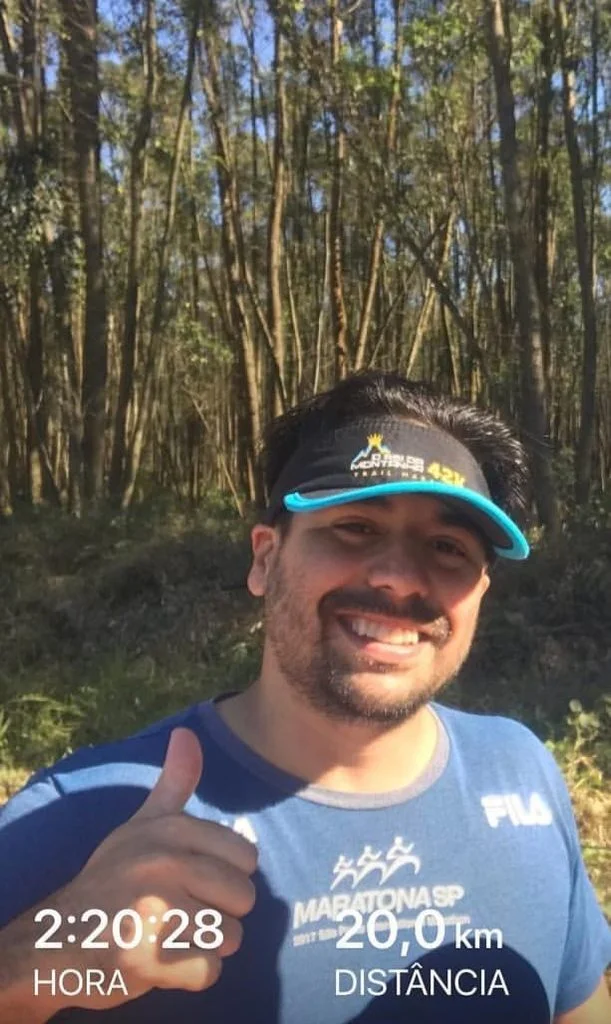
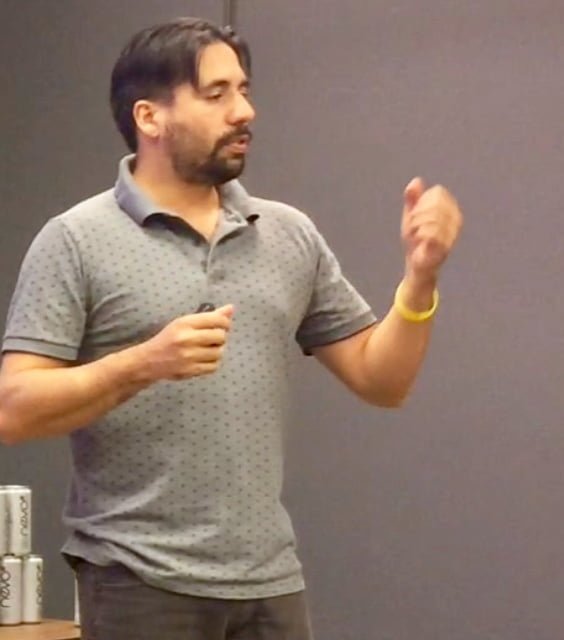
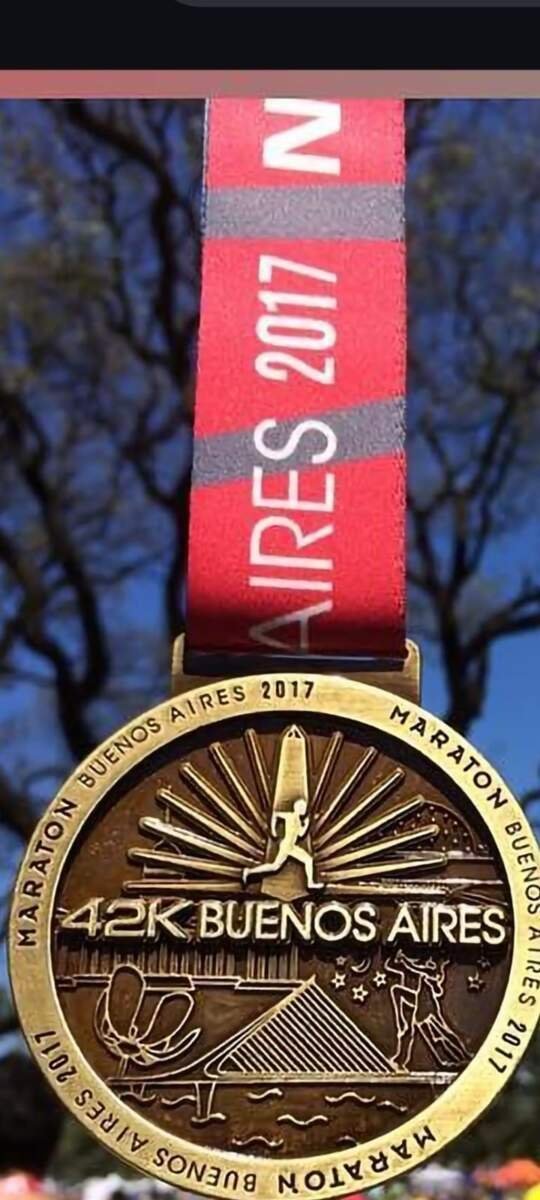
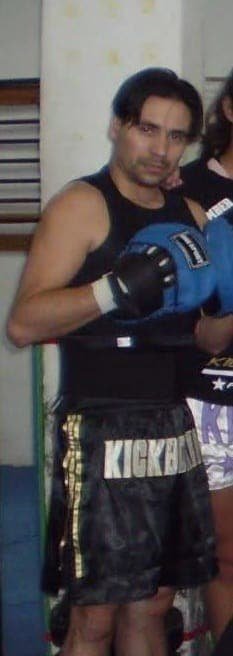
Optimizing the body demands the clinical precision of someone who operated in Radiology (Brazilian Board Certified, CRTR-SP 23595T) for years, combined with the unyielding resilience of someone who conquered multiple 42km+ mountain marathons. As an active professional, multi-pet handler, and tech benchmark researcher, at SkyTC, we bridge advanced technical science with extreme practical environments to help you biohack your active performance, optimize smart pet-tech ecosystems, and protect your structural longevit
Discover my full professional trajectory →✨ Read also: Why Trail Runners Suffer from Outer Knee Soreness: The Skeletal Blueprint
A deeply technical piece of content that perfectly complements this post — absolutely worth the read.