
You push your maintenance siphon into the substrate, and suddenly a massive, foul-smelling bubble burps to the surface while a plume of gray silt turns your crystal-clear tank into liquid mud. If you want to keep your heavy-bodied fish healthy, stirring goldfish sand bed safely is not an optional aesthetic chore—it is a vital life-support protocol to prevent lethal toxic gas release.
I have spent eight continuous years managing heavy-bioload 100-gallon freshwater systems alongside marathon training and running a custom sewing shop. When you manage high-waste aquatic setups, you quickly learn that laziness around substrate physics will destroy your biological cycle faster than an unseeded filter.
Beginners panic when they see dark patches forming beneath the sand line, and pet shop clerks usually give awful advice like “just leave it alone, your fish will dig it up.” That is a dangerous lie. Fancy goldfish only forage the top half-inch of substrate; anything deeper becomes a compacted, oxygen-deprived biological reactor that brews deadly hydrogen sulfide.
Mastering this simple degassing routine eliminates toxic anaerobic pockets, protects your expensive canister impellers from abrasive grinding, and saves you hours of physical labor hauling emergency water change buckets on your days off.
The Water Parameter: The Nitrate Cycle
Here is your tech support counter talk verdict with zero fluff: fine sand compacts under hydraulic pressure and solid goldfish waste, choking off interstitial water flow. When oxygen cannot penetrate past the top centimeter, aerobic nitrifying bacteria starve, and obligate anaerobic bacteria take over, converting accumulated organic detritus and sulfates into dissolved hydrogen sulfide gas ($H_2S$).
If you jam a wide siphon into an unmaintained sand bed and churn the entire bottom in one go, you release that dissolved $H_2S$ straight into the water column. Hydrogen sulfide binds instantly to fish hemoglobin, paralyzing cellular respiration while chemically stripping dissolved oxygen from the water and shocking your autotrophic nitrifiers into a catastrophic cycle crash. The verdict: never stir the entire bed at once—use a zonal rotational schedule during active siphon drainage with all filtration turned off.
Substrate Agitation Dynamics: Technical Comparison Matrix
Before grabbing random tools from your maintenance closet, review how different substrate manipulation techniques impact water clarity, chemical safety, and mechanical hardware:
| Substrate Agitation Technique | Gas Pocket Mitigation Rate | Water Column Turbidity Risk | Biofilter Shock Index | Mechanical Impeller Abrasive Risk |
|---|---|---|---|---|
| Segmented Zonal Raking (Stainless Probe) | 95% Controlled Dissipation | Low (Minimal Plume) | Negligible / Stable | Near Zero (Filter Powered Off) |
| Full-Bed Deep Siphon Churning | 100% Uncontrolled Eruption | Critical (Dense Silt Cloud) | Severe (Toxic Sulfide Shock) | Extreme (Suspended Silica Ingestion) |
| Surface Debris Hovering (No Penetration) | 0% (Deep Gas Accumulates) | Zero | Zero | Zero |
| Biological Sifting (Malaysian Trumpet Snails) | 70% Continuous Aeration | Zero | Zero (Enhances Bio-Bed) | Zero |
| High-Pressure Powerhead Blasting | 50% (Volatile Dispersion) | Extreme (Substrate Dune Shifting) | Moderate | Critical / Immediate Motor Scoring |
| Bargain-Bin Plastic Whisks / Spatulas | Varies by model | Moderate to High | Unreported / Technique Dependent | Moderate |
Stirring Goldfish Sand Bed Safely: The Bare-Metal Trial: Pros, Cons, and Real-World Wear
Every tool and physical maintenance technique you deploy in your aquarium creates real mechanical and biological consequences. Let us analyze the primary methods without the marketing fluff.
Stainless Steel Aquascaping Probes / Rakes:
The Good: Slender stainless steel probes slice through compacted sand matrices cleanly, releasing micro-bubbles of gas smoothly without lifting the heavy sand bed into the water column.
The Bad: If you rush and scrape the probe along the bottom glass pane, you will leave deep permanent scratches on the display tank, and low-grade stainless alloys will rust around the joints within six months of tank submersion.
Deep Siphon Vacuum Tubes:
The Good: Siphoning pulls heavy organic sludge and fish feces out of the aquarium immediately, keeping dissolved organic carbon levels low.
The Bad: Siphoning fine sand directly into the vacuum barrel creates massive suction clogs, drains your water volume before you finish even a quarter of the tank, and dumps abrasive particulate straight into your drain lines.
The Wet-Bench Trial: Real Pump and Media Degradation
Canister filter manufacturers love boasting about multi-stage mechanical throughput and quiet operation across pristine bench tests. However, stirring a sand bed carelessly with your canister filter running exposes low-grade engineering instantly.
When you churn fine quartz or silica sand, microscopic mineral grains remain suspended in the lower six inches of the water column for up to forty-five minutes. Canister filter intakes suck in this dense silica suspension effortlessly. The fine grit bypasses coarse intake sponges, migrates through mechanical media, and grinds against the motor head’s refractory ceramic shaft.
Within three months of careless sand churning, the magnetic impeller assembly shows heavy abrasive scoring along the magnet housing. This mechanical friction creates dynamic head pressure loss, elevates operating motor temperature, and shears dynamic pump seals, leading to micro-vibrations, noisy cavitation, and catastrophic external canister leaks.
The Hypostatical Failure Scenario
Consider this classic nightmare: an aquarist lets a two-inch sand bed sit completely untouched for six months in a heavily-stocked 100-gallon fancy goldfish aquarium. Noticing dark, gray streaks along the bottom glass, they decide to do a “deep clean” on a Sunday afternoon.
With their high-output canister filter running at full blast, they jam a wide gravel vacuum deep into the sand bed, churning the entire substrate from one end of the aquarium to the other. Instantly, the water turns pitch black, releasing a massive plume of rotten-egg-smelling hydrogen sulfide gas.
Within thirty minutes, the suspended silica slurry scores the canister’s magnetic impeller shaft, causing the pump to seize and overheat. The free hydrogen sulfide binds to the fish’s gill tissues, stripping oxygen from the water. The owner wakes up the next morning to an entire tank of prize orandas and ranchu dead from acute asphyxiation, accompanied by a totally collapsed nitrogen cycle.
👇 Looking for more performance cheats? Check out our field-tested tactical blueprints:
The Goldfish Ecosystem Blueprint
Complete your advanced technical training loop by exploring our core evergreen resources.
How to Feed Goldfish for Maximum Lifespan
A deep breakdown of digestive tract mechanics, bloating prevention, and premium sinking diets.
How to Maintain a 100 Gallon Goldfish Tank
Large-scale system parameters. Deep sand bed mechanics, nitrogen cycling, and bioload management.
Ultimate Guide to Goldfish Tank Filtration
Heavy-duty hardware configurations. Optimizing parallel canisters, bio-media setups, and automation.
The Filter Cycle: Parametric Water Management Checklist
- Stirring goldfish sand bed safely requires a segmented rotational schedule. Expert Tip: Divide your aquarium floor into four imaginary quadrants and rake only one quadrant per weekly water change to prevent massive chemical gas surges.
- Power down all filters and powerheads before touching sand. Expert Tip: Cutting electrical power to filtration prevents suspended silica particles from being drawn into pump impellers and scoring delicate ceramic shafts.
- Use a thin stainless probe rather than wide spatulas. Expert Tip: Slender rod tools pierce compacted sand beds effortlessly, creating vertical release channels for gas without kicking up dense silt clouds.
- Cap your sand bed depth at two inches maximum. Expert Tip: Deep substrate layers over two inches dramatically accelerate anoxic dead zones; maintaining a shallow 1.0 to 1.5-inch bed limits severe sulfide production.
- Position the siphon hose directly above the stirred zone. Expert Tip: Hover your siphon tube two inches above the raked sand to instantly capture escaping gas bubbles and floating organic detritus as you work.
- Wait twenty minutes for stirred sand to fully settle. Expert Tip: Allow mineral particulate to drop completely to the tank bottom before restoring power to canister filters and submersible circulation pumps.
- Attach a high-density pre-filter sponge to canister intakes. Expert Tip: A dense foam pre-filter creates a mechanical barrier that traps stray silica grains before they reach the dynamic magnetic motor housing.
- Introduce a controlled population of Malaysian Trumpet Snails. Expert Tip: These burrowing invertebrates constantly churn the lower substrate layers 24/7, naturally aerating the bed and preventing anoxic gas formation.
- Inspect substrate borders along the glass for black discoloration. Expert Tip: Dark black streaks indicate iron sulfide precipitation; target these specific zones for gentle raking during your next scheduled water change.
- Test ammonia and nitrite parameters two hours after maintenance. Expert Tip: Substrate disturbance can release trapped organic waste into the water column; quick testing verifies your biological filter is handling the load.
- Maintain aggressive surface water agitation during every cleaning session. Expert Tip: Running an independent battery-powered air stone during maintenance keeps dissolved oxygen saturated, protecting fish from trace sulfide toxicity.
The Goldfish Ecology: Straight Answers to Filtration Queries
Why does my aquarium sand smell like rotten eggs when disturbed?
That smell is hydrogen sulfide gas ($H_2S$). It is produced by anaerobic bacteria decomposing trapped organic fish waste in oxygen-starved zones beneath the sand. It is highly toxic to aquatic life and requires immediate, controlled dissipation.
Will fancy goldfish sift through the sand deep enough to prevent gas pockets?
No. Fancy goldfish only forage through the top half-inch of sand searching for food pellets. They will not disturb compacted sand beneath that depth, leaving deeper layers completely un-aerated unless you intervene manually.
Should I turn off my canister filter while stirring the sand bed?
Always. Running a filter while stirring sand pulls suspended silica dust directly into the motor cavity. That abrasive grit will chew up your magnetic impeller, score the ceramic shaft, and cause premature pump motor failure.
How often should I manually rake or stir my sand substrate?
Rake one-fourth of your sand bed during every weekly water change. This rotational method ensures the entire aquarium bed is fully de-gassed once every month without overwhelming your livestock or your biological filtration.
Can hydrogen sulfide gas kill fancy goldfish instantly?
Yes. In high concentrations, hydrogen sulfide paralyzes the respiratory enzymes in fish gill lamellae and strips dissolved oxygen from the water column, leading to rapid suffocation within minutes of a major uncontained gas eruption.
Is Malaysian Trumpet Snail burrowing safe for fancy goldfish tanks?
Yes. Malaysian Trumpet Snails are outstanding biological allies. They spend the day burrowing through the deep sand bed, breaking up compaction and consuming detritus without damaging live plants or harming slow-moving fancy goldfish.
What is the safest tool for stirring a sand bed without scratching glass?
A thin stainless steel aquascaping probe, a wooden skewer, or a smooth plastic chopstick. Avoid wide metal spatulas, cheap kitchen forks, or heavy gravel vacuums that can easily gouge aquarium glass or kick up massive dust storms.
Does stirring the sand destroy beneficial nitrifying bacteria colonies?
Not if you follow the rotational quadrant method. Most of your autotrophic nitrifying bacteria live on your biological filter media and the top oxygenated crust of the sand. Gentle probing releases gas without harming established colonies.
🛡️ │ WHY TRUST SKYTC GOLDFISH CARE CURATION?
At SKYTC, we hold aquatic ecosystem biology and biological parameter handling to a rigorous standard. We are not an automated affiliate review engine; we apply hands-on tests and serious filtration engineering workflows to ensure every recommendation guarantees the health and maximum lifespan of your fish with absolute safety.
✓ Engineering:
Structural experience backed by heavy-duty filtration math, continuous hydraulic turnover metrics, and robust mechanical support for large-scale coldwater systems.
✓ Expertise:
Focuse on preventative biological husbandry and premium nutrition. Thoroughly auditing biological media, sinking feeds, and elements that completely neutralize ammonia spikes.
✓ Authority:
Curation signed by real keepers running a balanced 100-gallon display ecosystem for over 8 years, pairing daily practical benchwork with direct wholesale breeder insights.
✓ Trust:
Product selections built on unfiltered transparency—exposing actual electrical draws, heat dissipation issues, and hidden costs before any Amazon recommendations.
📸 Our Journey in the Real World
From daily living room tank turn rates to macro-scale breeding setups.

🏠 The 100G Lab
Where we torture test every hardware option, pellet line, and filter layout live.

🏃♀️ Grit & Eye
Marathon endurance meets the precise, millimeter structural focus of a seamstress.
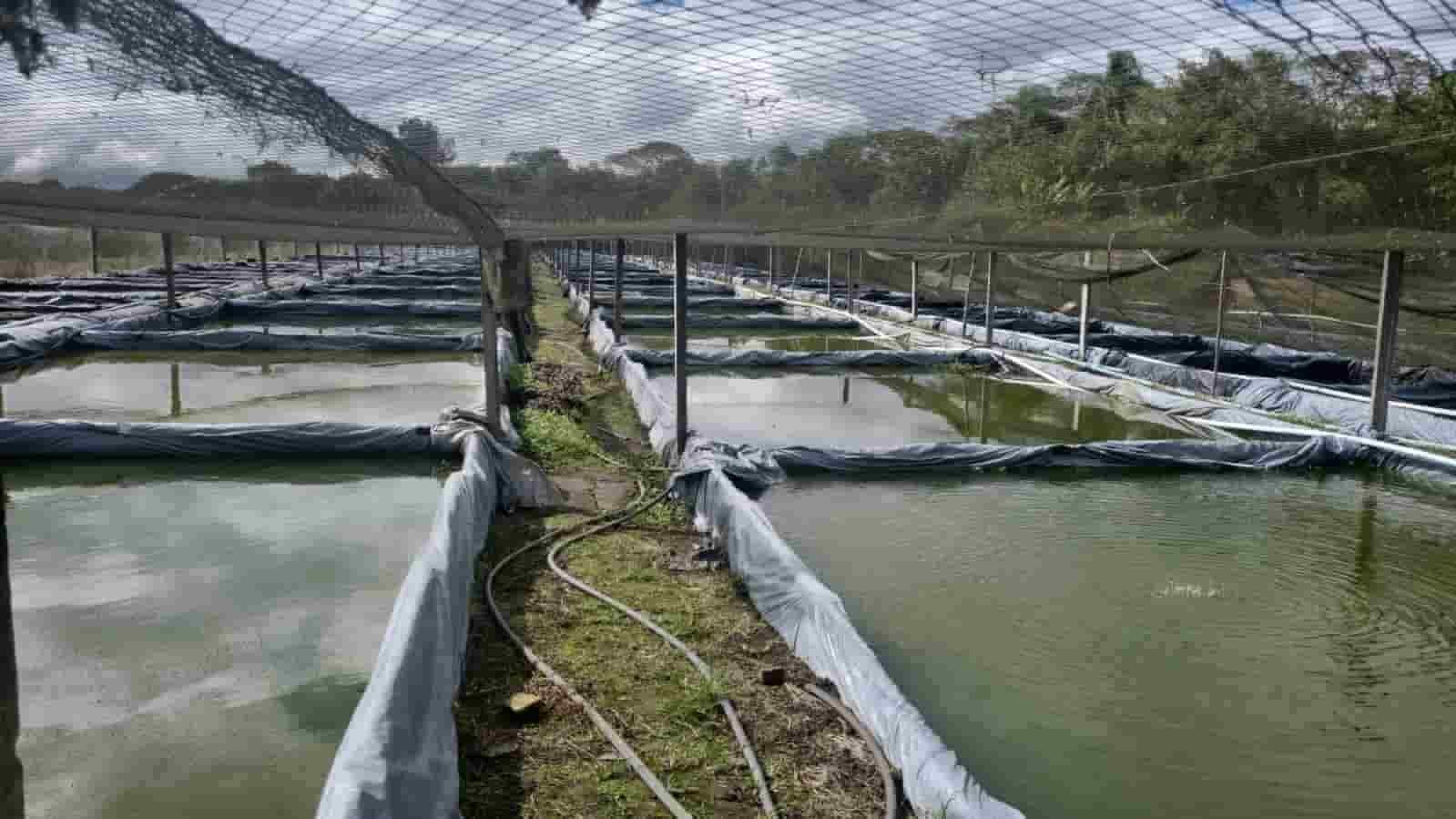
🐳 Monster Vats
Analyzing massive continuous turnovers inside large open-air mud farm vats.
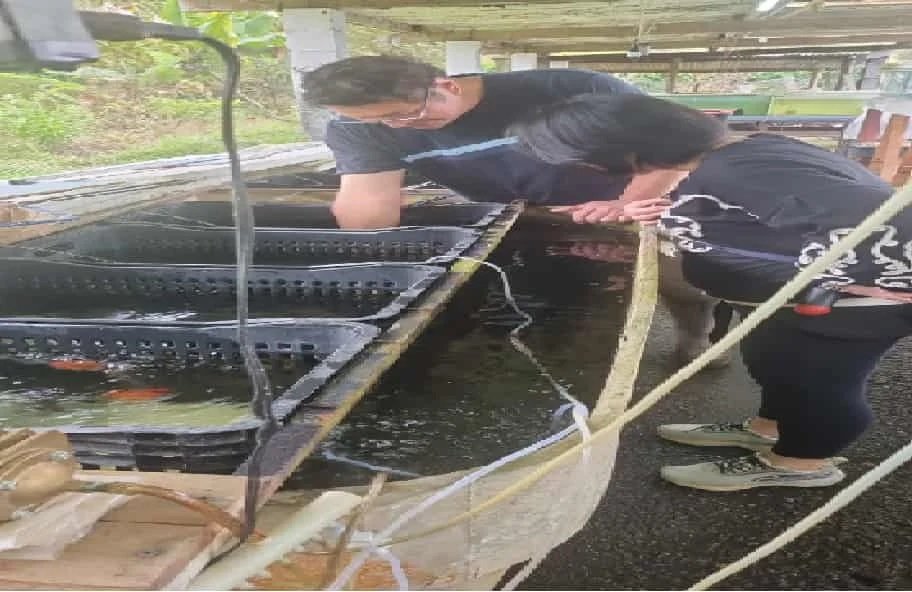
🤝 True Alliances
Working hand-in-hand with regional facility operations to target elite fancy bloodlines.
Substrate Hydrodynamics & System Longevity Reference
Read also: Best Sand Grain Size for Fancy Goldfish: The Mechanical Substrate Blueprint
CRITICAL BENCH WARNING: Unregulated substrate churning under active canister suction induces abrasive silica slurry migration, accelerating magnetic shaft friction shearing, severe dynamic pump seal leaks, and immediate canister head pressure loss under heavy mechanical loads.