
If you have ever felt that deep, sickening ache in your tibia at mile 18 of a trail run, you know the absolute dread of a looming stress fracture. It is a slow-motion disaster that sidelines your training, derails your race calendar, and forces you into weeks of soul-crushing low-impact cross-training. Sorting through the marketing noise to find the best supplements for runner bone health is an exhausting exercise in dodging corporate hype.
Most “bone support” pills on the market are nothing more than compressed chalk that passes straight through your digestive tract without doing a single thing for your skeletal framework. As a former clinical CT technician who has spent years looking at three-dimensional scans of shattered bones, I can tell you that skeletal strength is not about taking random calcium supplements. It is about understanding the structural engineering of bone remodeling under heavy athletic loads.
In this clinical blueprint, we are going to strip away the useless showroom hype and focus on the raw, bioavailable micronutrients your bones actually need to survive the constant pounding of asphalt and rocky mountain singletracks. You will walk away with a tactical supplementation strategy that saves your joints, protects your financial resources from useless gimmicks, and hardens your skeleton for the long-term journey of active longevity.
In 30 Seconds: The Quick Verdict
Skip cheap calcium carbonate entirely—it is a total trap that causes arterial calcification and kidney stones. If you want real skeletal hardening, your core stack must consist of Microcrystalline Hydroxyapatite (MCHA), a high-dose Vitamin D3 + K2 (MK-7) complex, and highly bioavailable Magnesium Glycinate. For the metabolic framework of your bones, nothing beats eating clean, grass-fed red meat and its natural fats, which provide the essential fat-soluble carriers and amino acids required to synthesize a resilient bone matrix.
Before you run to the local pharmacy and grab the first bottle with a “Bone Support” label, look at the cold, hard science of what you are actually putting into your body.
| Supplement Type | Clinical Mechanism | Bioavailability Rating | Real-world Downsides |
|---|---|---|---|
| Calcium Carbonate | Basic elemental calcium; requires high stomach acid to split. | Poor (approx. 4%) | Causes bloating, constipation, and arterial calcification. |
| Microcrystalline Hydroxyapatite (MCHA) | Whole bone extract containing calcium, phosphorus, and organic matrix. | Excellent | More expensive; completely animal-derived. |
| Vitamin D3 + K2 (MK-7) | D3 absorbs calcium; K2 acts as a traffic controller, directing calcium to the bones. | Exceptional (fat-soluble) | Must be taken with dietary fats to absorb properly. |
| Magnesium Glycinate | Converts Vitamin D into its active form; regulates calcium transport. | High | Large molecular size; requires swallowing multiple big pills. |
| Trace Minerals (Silica & Boron) | Hardens the bone matrix and reduces urinary excretion of bone minerals. | Moderate to High | Often completely omitted in cheap “all-in-one” supplements. |
Choosing the Best Supplements for Runner Bone Health to Survive High-Impact Trails
When you run mountain trails or hit the asphalt, your skeleton experiences ground reaction forces up to three to four times your body weight. Your bones are not static mineral deposits; they are dynamic, living tissues that constantly remodel themselves in response to this mechanical stress. If you do not feed this remodeling process with the correct building blocks, your body will literally pull calcium from your skeleton to maintain basic blood chemistry, leaving you structurally hollow.
This is where the right structural stack comes into play. To build bone that can absorb thousands of high-impact repetitions, we have to look past cheap department store minerals and look at how bones are actually constructed on a cellular level. As a CT technician, I have seen the literal density difference between bone that has been properly fed and bone that has been starved by poor nutrition and low-quality supplements.
1. MCHA Calcium (The Biological Scaffold)
Look, skip the cheap calcium carbonate. It is literally ground-up limestone and a complete waste of your hard-earned cash. Instead, hunt down Microcrystalline Hydroxyapatite (MCHA).
MCHA is a clinical-grade, whole-bone extract that delivers calcium in its natural crystalline structure, complete with phosphorus, trace minerals, and type I collagen. Your body recognizes it instantly because it is bio-identical to your own skeleton.
The Good: It bypasses the digestive distress of cheap calcium and goes straight to hardening your trabecular bone structure.
The Bad: It is highly expensive, and strict vegans cannot use it since it is derived from bovine bone matrix.
2. Vitamin D3 + K2 (The Traffic Controller)
Taking calcium without Vitamin D3 and K2 is like ordering a pile of bricks to a construction site without hiring any brickmasons. Vitamin D3 acts as the gatekeeper that allows your gut to absorb calcium into the bloodstream.
But once that calcium is in your blood, you need Vitamin K2 (specifically the MK-7 form) to act as the traffic cop. K2 activates osteocalcin, a protein that binds calcium to the bone matrix, while keeping it out of your arterial walls where it causes stiffness and cardiovascular damage.
The Good: It ensures that calcium actually hardens your bones instead of clogging up your cardiovascular plumbing.
The Bad: It is highly fat-soluble, meaning if you take it with a low-fat breakfast, it will pass through you completely unabsorbed.
This is where my dietary calibration meta comes in. As an ultra-runner who has hammered my skeletal system through brutal mountain terrain and years of kickboxing, I do not rely on pills alone. Your bone matrix is actually 50% protein by volume, primarily made of collagen.
To build a flexible, break-resistant bone structure, you must eat high-quality, clean red meat and its natural fats. Saturated fats from grass-fed beef are the absolute ultimate tactical cheat code for absorbing fat-soluble vitamins like D3 and K2.
Additionally, the rich amino acid profile in red meat provides the glycine, proline, and hydroxyproline required to lay down the organic collagen matrix where calcium is deposited. Skip the low-fat, highly processed rabbit food; feed your skeleton real, ancestral nutrition to survive the impact.
3. Magnesium Glycinate (The Active Engine)
Your body cannot metabolize Vitamin D without magnesium. If you are magnesium-deficient—which over 50% of active athletes are—your body cannot convert Vitamin D into its active form (calcitriol), rendering your bone-building efforts entirely useless.
Magnesium glycinate is the gold standard here because it is bound to the amino acid glycine, which drastically improves gut absorption and has a calming effect on the nervous system to help with high-stress athletic recovery.
The Good: It activates your bone-building pathways while simultaneously calming your central nervous system for deeper sleep.
The Bad: The molecular size of glycinate is massive, so you will need to swallow multiple capsules daily to hit a clinical dose of 400mg.
The Realities of the Battlefield: Why Runner Bones Shatter Under Hype
Many supplement brands promise absolute structural invincibility with flashy, expensive labels and celebrity endorsements. They praise their “cutting-edge liquid calcium formulas” or “organic seaweed-derived minerals” as the ultimate solution to bone density.
But the cold, hard reality is this: standard bone supplements are formulated for sedentary seniors, not high-performance athletes slamming their feet into the ground for five hours on a mountain trail. If you rely on cheap, synthetic formulas that lack trace minerals like silica and boron, you are setting yourself up for structural failure. Under real-world mud, sweat, and steep descents, a bone that lacks tensile strength will crack under the pressure, regardless of how much cheap calcium carbonate you consume.
Furthermore, many of these showroom products are filled with cheap binders, artificial colors, and heavy metal contaminants that can damage your digestive system and hinder nutrient absorption. When you are pushing your body to its absolute limits, you cannot afford to have your recovery compromised by cheap manufacturing shortcuts.
Let us look at a classic, real-world failure scenario that I see all too often in the endurance community. Meet Sarah, a highly driven marathon runner who suddenly decides to ramp up her weekly mileage from 30 to 60 miles. Within a month, she starts feeling a deep, radiating ache in her shin that makes even walking down the stairs painful.
Panic-stricken by the thought of a stress fracture, she goes to the grocery store and buys a cheap “Calcium 600 + Vitamin D” supplement. She takes three giant pills a day on an empty stomach, completely ignoring the fact that without Vitamin K2, that massive bolus of calcium has no instructions on where to go. She also keeps her diet strictly low-fat and low-calorie to maintain a “racing weight.”
Because she lacks dietary fats from sources like red meat, her body cannot absorb the Vitamin D. The unabsorbed calcium sits in her gut, causing painful constipation, while the calcium that does enter her bloodstream begins to calcify in her soft tissues and kidneys, eventually resulting in an agonizing kidney stone. Meanwhile, her tibia, starved of proper organic collagen and trace minerals, finally cracks during a long run, forcing her into a boot for three months. She did everything she thought was right, but her lack of technical biometrics led to a complete structural system failure.
The Field-Tested Bone Hardening Checklist
Use this actionable blueprint to calibrate your bone-remodeling stack and protect your skeleton from high-impact stress:
- 1. Best supplements for runner bone health must prioritize Microcrystalline Hydroxyapatite (MCHA) over basic calcium carbonate to ensure actual bone matrix absorption.
Insider Observation: If the label says “Calcium Carbonate,” drop it and walk away; it is glorified chalkboard chalk. - 2. Always pair Vitamin D3 with Vitamin K2 (MK-7) at a ratio of roughly 100mcg of K2 for every 5,000 IU of D3.
Insider Observation: D3 gets the minerals in the door; K2 is the bouncer that throws them into your bones. - 3. Choose Magnesium Glycinate or Malate and avoid cheap magnesium oxide which just causes diarrhea.
Insider Observation: Take your magnesium at night to exploit its natural muscle-relaxing and sleep-promoting side effects. - 4. Consume high-quality grass-fed red meat and natural animal fats daily to provide the fat-soluble delivery vehicle for your bone vitamins.
Insider Observation: The saturated fat in a ribeye is not an artery clogger; it is a vital hormone and nutrient transporter. - 5. Look for trace minerals like Boron (3-6mg) and Silica (Choline-Stabilized Orthosilicic Acid) in your mineral stack.
Insider Observation: Silica acts like biological rebar, giving the bone matrix its essential tensile flexibility to bend without breaking. - 6. Avoid taking massive single doses of calcium; keep individual doses under 500mg to maximize intestinal absorption.
Insider Observation: Your gut can only process so much mineral at once; dumping 1000mg down your throat is just expensive waste. - 7. Support your organic bone matrix with Type I and Type III collagen peptides or slow-simmered bone broth.
Insider Observation: Bone is a living composite; minerals are the concrete, but collagen is the steel mesh holding it together. - 8. Monitor your morning heart rate and training load to prevent entering Low Energy Availability (LEA).
Insider Observation: If you run in a chronic caloric deficit, your body will cannibalize your skeleton for energy regardless of what pills you swallow. - 9. Ensure you get adequate dietary Phosphorus, which naturally occurs in red meat and wild-caught fish.
Insider Observation: Calcium needs phosphorus to form the hydroxyapatite crystals; you cannot build a wall with only half the mortar. - 10. Avoid carbonated sodas and excessive caffeine, which can interfere with calcium absorption and increase urinary calcium loss.
Insider Observation: That mid-day energy drink habit might be actively leaching the minerals right out of your hips. - 11. Get regular blood panels to test your 25-hydroxyvitamin D levels, aiming for an athletic sweet spot of 50-80 ng/mL.
Insider Observation: Don’t guess. Run the lab work so you aren’t flying blind in your recovery. - 12. Add progressive resistance training (like heavy squats and deadlifts) to complement your supplementation stack.
Insider Observation: Supplements supply the materials, but heavy lifting sends the mechanical signal that forces the bone to harden.
👇 Looking for more performance cheats? Check out our field-tested tactical guides:
SkyTC Master Hub & Pillar Guides
No-Nonsense Bone Health FAQ
Can I just drink more pasteurized milk for bone health?
Absolutely not. Pasteurized supermarket milk is a poor, low-bioavailability source of calcium that lacks the necessary fat-soluble cofactors like Vitamin K2. If you want real, bone-hardening nutrition, skip the commercial dairy cart and eat high-quality grass-fed red meat and raw bone marrow instead.
Is calcium carbonate completely useless for runners?
Yes, it is a total waste of money. It has an abysmal absorption rate of around 4% and heavily relies on massive amounts of stomach acid to even break down. Taking it is a fast track to severe bloating, constipation, and arterial calcification rather than actual skeletal strength.
Why does Vitamin K2 matter so much for structural endurance?
Because Vitamin K2 acts as the structural traffic controller. Without K2, the calcium you absorb from your food or supplements floats aimlessly in your bloodstream and eventually deposits in your blood vessels and kidneys. K2 activates osteocalcin, which physically binds that calcium into your skeletal matrix.
How does magnesium affect my bone density?
Magnesium is the ignition switch for Vitamin D. Your liver and kidneys cannot convert Vitamin D into its active, usable form without adequate magnesium levels. If you are magnesium-deficient, your calcium absorption pathways are essentially shut down, no matter how much D3 you take.
Do I need to take bone supplements on an empty stomach?
Never do this. Crucial bone cofactors like Vitamin D3 and K2 are highly fat-soluble. They absolutely require dietary lipids—like the natural saturated fats found in a clean cut of red meat—to trigger the gallbladder and absorb through your intestinal wall. Taking them on an empty stomach is literally throwing your cash down the drain.
Can a low-fat diet ruin my bone-remodeling process?
Yes, rapidly. A low-fat diet starves your body of the cholesterol and fat-soluble carriers required to synthesize key bone-building hormones like estrogen, testosterone, and Vitamin D. If you want strong bones, you must embrace natural animal fats and high-quality proteins.
What is the most common sign of a bone stress reaction?
A deep, localized, throbbing ache in the bone that hurts even when you are resting or sleeping. If pressing directly on a specific spot on your shin or foot makes you jump in pain, you have passed the stage of simple muscle soreness and are staring down a skeletal failure point.
Are vegan bone formulas as effective as animal-derived ones?
No. Most vegan formulas rely on synthetic, plant-derived calcium or algae-based minerals which lack the complete organic matrix and cellular growth factors found in Microcrystalline Hydroxyapatite (MCHA). For a runner’s high-impact skeleton, animal-derived MCHA remains the undisputed clinical gold standard.
✨ Read also: How to Increase Bone Density for Running: Clinical Skeletal Hardening
Why Trust SkyTC Biohacking Curation?
At SkyTC, we treat the human body as your most valuable technology. We are not just a recommendation site; we apply a rigorous clinical and practical screening process to ensure that each recommendation optimizes your biology with safety and real-world results.
✓ Technical Expertise:
Clinical experience in Radiology and Tomography (CT scans). We analyze methods through the lens of bone health and structural integrity.
✓ Specialization:
Focus on real-world biohacking. We test every wearable and supplement at the absolute limit of effort during marathons and on the mats.
✓ Authority:
Curation based on absolute transparency, always highlighting both the positive advantages and the real drawbacks of every technology.
✓ Trust:
A curation process built directly on the professional experience of a field practitioner, speaker, and high-performance leader coach.
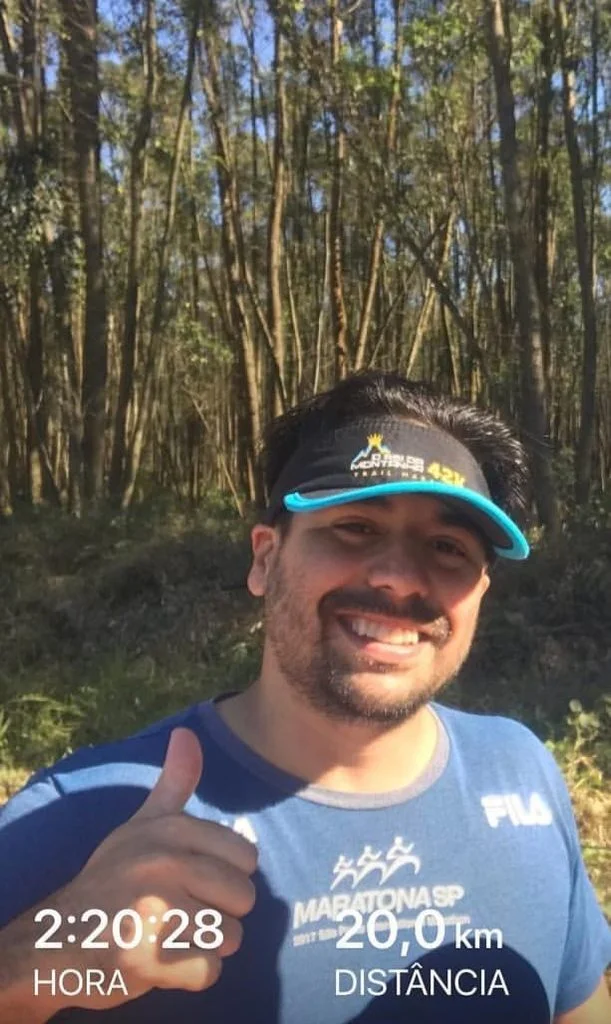
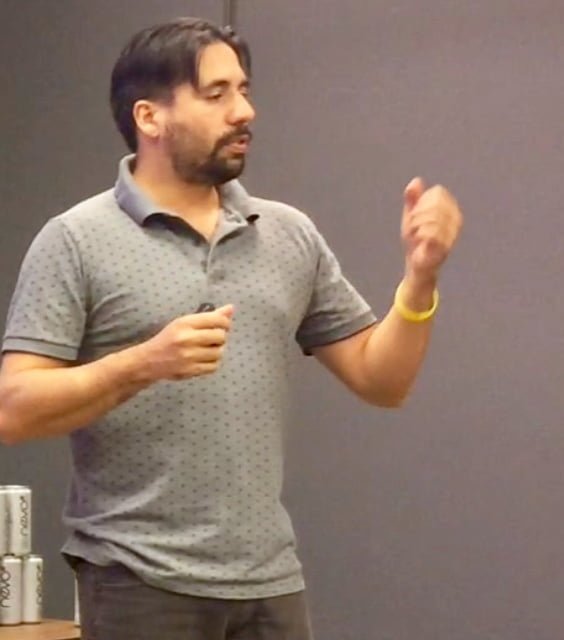
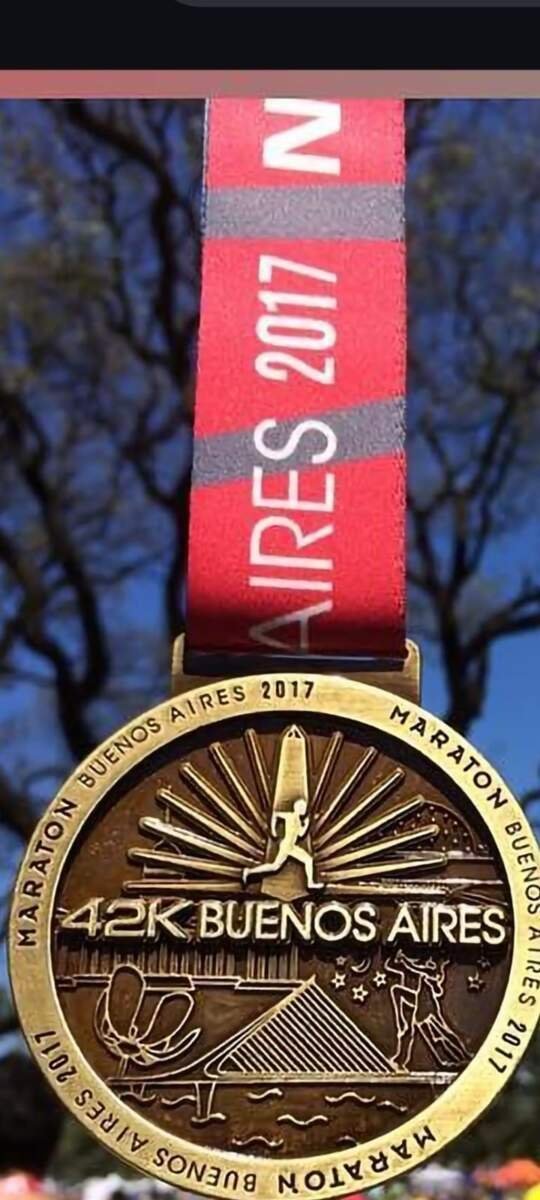

Optimizing the body demands the clinical precision of someone who operated in Radiology (Brazilian Board Certified, CRTR-SP 23595T) for years, combined with the unyielding resilience of someone who conquered multiple 42km+ mountain marathons. As an active professional, multi-pet handler, and tech benchmark researcher, at SkyTC, we bridge advanced technical science with extreme practical environments to help you biohack your active performance, optimize smart pet-tech ecosystems, and protect your structural longevit
Discover my full professional trajectory →A deeply technical piece of content that perfectly complements this post — absolutely worth the read.