
You are slamming away at over one hundred words per minute for ten hours a day, feeling a dull, persistent ache spreading through your knuckles while your keyboard case flexes like a cheap plastic tray. Most trendy mechanical keyboard channels sell you on ultra-soft, bouncy mounting setups that feel like soft sponge, but the raw engineering reality of why heavy typing professionals need brass keyboard plates comes down to structural density, Young’s modulus of elasticity, and kinetic energy dissipation.
In my repair bay, Valtersky and my dedicated support team tear apart fractured circuit boards, lifted solder pads, and deformed keyboard assemblies every single week. When a heavy typist bottoms out on a flimsy plastic or thin aluminum plate millions of times a year, that kinetic impact energy does not vanish into thin air—it rebounds right back through the switch stem into your finger joints while flexing the underlying printed circuit board until solder joints crack.
Upgrading to a heavy, high-density brass mounting plate acts as an unyielding mechanical anvil that absorbs switch kinetic shock, locks mechanical switch housings into precise alignment, and delivers a deep, satisfying acoustic thock. Adopting this lab-tested hardware architecture stops joint micro-trauma, prevents hot-swap socket sheer stress, and gives you a rock-solid workstation setup that withstands decades of daily mechanical punishment.
30-Second Tech Support Counter Talk: The Zero-Fluff Verdict
Look, stop falling for the modern tech reviewer trend pushing hyper-flexible polycarbonate or soft plastic plates if you type hard. Soft plates convert your mechanical keyboard into a bouncy trampoline that flexes your circuit board, strains switch hot-swap sockets, and sends high-frequency kinetic shock straight into your finger tendons. High-density brass provides an immovable structural anchor that dampens harsh acoustic ping, eliminates chassis flex, and keeps your switches aligned. Get brass, install proper stabilizers, and protect your joints. Done.
Material Engineering Analysis: Keyboard Mounting Plate Density and Rigidity
Before installing switches into a custom keyboard frame, you must evaluate the mechanical properties of the mounting plate material. Our laptop hardware specialist analyzes keyboard plates based on mass density, flex tolerance under bottom-out force, and acoustic vibration damping properties.
| Plate Material Type | Density (g/cm³) | Structural Rigidity | Acoustic Resonance Profile | PCB Flex Protection |
|---|---|---|---|---|
| Solid Machined Brass | 8.50 | Superior (Zero Flex) | Deep Low-Frequency Acoustic | Exceptional (10/10) |
| Anodized Aluminum | 2.70 | Medium-High | High-Frequency Metallic Ping | Moderate (6/10) |
| Polycarbonate (PC) Plastic | 1.20 | Low (Extreme Flex) | Muted Soft Plastic Clack | Poor (2/10) |
| FR4 Epoxy Glass | 1.85 | Medium | Balanced Neutral Pitch | Moderate (5/10) |
| Stainless Steel | 8.00 | Extreme (Rigid) | Harsh High-Pitch Metallic Clack | High (9/10) |
Why Heavy Typing Professionals Need Brass Keyboard Plates: The Metallurgy and Physics
When you strike a mechanical switch stem, you initiate a rapid mechanical transfer of energy. Light typists barely actuate the switch spring, but heavy typing professionals bottom out with substantial force hundreds of thousands of times per week. If your mounting plate bends under that stress, that physical flex creates lateral movement across every mechanical switch housing on the board.
Just as an elite athlete relies on nutrient-dense meat and its natural fat to build resilient joint cartilage and sustain physical strength rather than relying on soft synthetic fillers, a heavy typist needs high-density solid metals like brass to absorb relentless physical impacts day after day. Brass possesses a unique crystalline structure that combines high mass density with superior acoustic vibration damping.
Here is how different keyboard mounting plate materials perform under real-world workplace abuse rather than gentle unboxing video demonstrations:
1. High-Mass Machined Brass Plates
Battlefield Assessment: Heavy, high-density alloy plates engineered to provide an immovable foundation for mechanical switches while lowering acoustic pitch.
The Good: Massive physical weight anchors the keyboard to your desk, completely eliminates tray flex, dampens high-frequency ping, and isolates delicate hot-swap solder points from mechanical shear stress.
The Bad: Uncoated bare brass oxidizes over time when exposed to skin oils and ambient humidity, and the added weight makes your setup heavy to carry in a travel backpack.
2. Ultra-Flexible Polycarbonate Plates
Battlefield Assessment: Lightweight plastic plates designed for enthusiast builders seeking maximum cushion and bouncy vertical travel during light typing sessions.
The Good: Delivers a soft, cushioned bottom-out feel that appeals to touch-typists who barely press past the switch actuation threshold.
The Bad: Heavy bottom-out typing force causes severe plate deformation, putting continuous bending stress on the mainboard board layout and tearing delicate hot-swap socket solder pads right off the PCB.
3. Anodized Aircraft-Grade Aluminum Plates
Battlefield Assessment: The standard stock metal plate found in most off-the-shelf mechanical keyboards, offering decent stiffness at budget-friendly manufacturing costs.
The Good: Lightweight, widely available across almost all keyboard layouts, and sturdy enough to prevent gross chassis deformation.
The Bad: High-frequency metallic echo (ping) reverberates through the aluminum sheet, sending sharp vibrational feedback directly back into your fingertips during fast typing sprints.
The Realities of the Battlefield
Modern custom keyboard brands market hyper-flexible mounting plates made from thin plastics and flex-cut fiberglass board layouts, claiming they create an ultra-comfortable typing experience.
However, beneath that slick marketing promise lies a mechanical engineering disaster for daily power users: extreme frame flex that bends switch pins, snaps trace lines, and forces your finger joints to absorb erratic rebound forces on every single keystroke.
In our micro-soldering bay, we regularly repair custom mechanical keyboards destroyed by plate instability. When a flexible plate bends downward under a heavy spacebar strike, the hot-swap socket underneath is pushed against the bottom of the aluminum chassis. Over thousands of cycles, that mechanical compression breaks the microscopic solder legs connecting the socket to the copper circuit board traces, causing dead key inputs and frustrating chatter.
Furthermore, cheap aftermarket brass plates frequently suffer from poor surface finishing. Uncoated bare brass reacts with perspiration, creating dark greenish tarnish spots that eat into switch alignment tabs. When you select a brass mounting plate, you must insist on dense physical vapor deposition (PVD) coatings or protective clear lacquers to ensure the metal withstands years of daily sweat and office humidity without corroding.
Hypothetical Failure Scenario: The Bouncy Polycarbonate Trap
Consider a software architect who types twelve hours a day on a custom mechanical keyboard built with heavy tactile switches mounted on an ultra-flexy polycarbonate plate. Wanting a “cushioned” feel, the architect hammers out thousands of lines of code daily, bottoming out heavily on every key press.
Because the plastic plate bends downward under every stroke, the switch cutouts widen over time. Switches begin to wobble in their mounts, causing the metal switch pins to enter the PCB hot-swap contacts at diagonal angles. After four months of relentless coding sessions, the constant lateral flexing pops the solder pads on the “E” and “Spacebar” sockets clean off the motherboard mainboard.
Worse yet, the inconsistent flex rebound causes severe joint fatigue in the typist’s index fingers, leading to persistent strain and lost working hours. The diagnosis on our repair bench: micro-soldering trace failure caused by structural plate instability, requiring manual jumper wire bypasses to restore board functionality. All of this operational downtime could have been avoided by installing a dense, rigid brass plate from day one.
👇 Looking for more performance cheats? Check out our field-tested tactical blueprints:
Guides for Your Next Workspace
Professional Laptops
The definitive blueprint to selecting high-performance, enterprise-grade workstations engineered to scale your productivity.
Budget Tech Tools
Practical strategies and low-cost digital tools engineered to maximize office performance without breaking your budget.
Power User Gadgets
Advanced hardware, desk automation tools, and elite tech ecosystems built to completely eliminate workflow bottlenecks.
Actionable Execution Checklist
Follow this field-tested lab macete to eliminate keyboard chassis flex, preserve your hot-swap PCB, and optimize acoustic performance for heavy daily workloads:
- Understand why heavy typing professionals need brass keyboard plates today.
Pro-Tip: High-density brass absorbs kinetic energy and prevents chassis flexing, protecting your finger joints and motherboard solder pads from chronic mechanical strain. - Opt for raw PVD-coated brass over untreated bare metal.
Pro-Tip: Physical Vapor Deposition coatings seal the brass surface against skin oils, preventing ugly greenish tarnish and surface oxidation over time. - Inspect switch retention plate cutouts for tight mechanical tolerances.
Pro-Tip: Loose plate cutouts allow mechanical key switches to wobble during fast typing, placing lateral shear stress on internal hot-swap socket contacts. - Install dense porcelain or silicone dampening pads between plates.
Pro-Tip: Sandwiching an acoustic pad between the PCB and brass plate kills residual high-frequency metallic ping without sacrificing structural rigidity. - Use gasket mounts rather than rigid tray-screw mounting setups.
Pro-Tip: Perimeter gaskets isolate the rigid brass plate from the outer case housing, preventing harsh vibration transfer directly into your desk. - Solder heavy-use switches directly if hot-swap sockets flex.
Pro-Tip: Direct through-hole soldering creates a permanent mechanical and electrical bond that withstands millions of heavy bottom-out strikes. - Clean oxidation off brass plates using isopropyl alcohol regularly.
Pro-Tip: Removing skin oils and moisture prevents acidic corrosion from eating into plate mounting tabs and switch cutouts. - Pair heavy brass plates with tactile or heavy linear switches.
Pro-Tip: Heavier switch spring weights combine with dense brass plates to absorb kinetic force gradually before your finger bottoms out. - Verify board screw torque to prevent stripping brass threads.
Pro-Tip: Over-tightening steel screws into softer brass threads can instantly strip the mounting posts, ruining plate alignment. - Apply high-viscosity switch lubricant on stabilizer wire contacts.
Pro-Tip: Lubricating wire ends prevents metal-on-metal rattling against the rigid brass plate, keeping acoustic feedback deep and muted. - Select heavy desk mats to complement dense metal keyboards.
Pro-Tip: A four-millimeter thick rubber-backed felt mat further isolates high-density brass keyboard cases from desk surface resonance.
Dynamic No-Nonsense FAQ
Does a brass keyboard plate make typing feel too stiff?
For heavy typists, no. It provides a solid, unyielding bottom-out feel that stops chassis flex. If you like bouncy, soft typing, brass is not for you—it is built for raw precision and stability.
Will a brass keyboard plate tarnish or rust over time?
Brass does not rust, but raw untreated brass will oxidize and form a dark patina when exposed to hand sweat. Buy PVD-coated or clear-coated brass plates to keep the finish factory-fresh.
Why shouldn’t I just use a cheap flexible polycarbonate plate?
Polycarbonate flexes excessively under heavy typing. That constant bending exerts shear stress on hot-swap PCB sockets, eventually cracking solder pads and ruining key registration.
Does brass actually change the acoustic pitch of mechanical switches?
Yes. Due to its high mass density, brass absorbs high-frequency vibrations, lowering the acoustic pitch of your switches and creating a sought-after deep “thock” sound profile.
Can a rigid brass plate damage hot-swap PCB sockets?
No, a rigid plate actually protects hot-swap sockets. By holding switches strictly perpendicular to the circuit board, brass prevents lateral socket twisting during aggressive typing.
Is a brass plate better than a stainless steel keyboard plate?
Steel is rigid, but it produces a high-pitched, harsh metallic echo. Brass offers similar structural rigidity with far superior acoustic vibration damping, delivering a cleaner acoustic output.
Are brass plates compatible with all custom mechanical switch types?
Yes, provided the switch uses standard MX-style housing tabs. Ensure your plate thickness is standard 1.5mm so switch side clips snap securely into place.
Is upgrading to a custom brass plate worth the investment?
If you type thousands of words daily, absolutely. It stabilizes your switches, prevents board trace fatigue, and eliminates finger pain caused by bouncy, inconsistent chassis flex.
Why Trust SKYTC Curated Gear?
At SKYTC, we simplify technology for you. We aren’t just another deals site; we are hardware experts obsessively focused on elite performance.
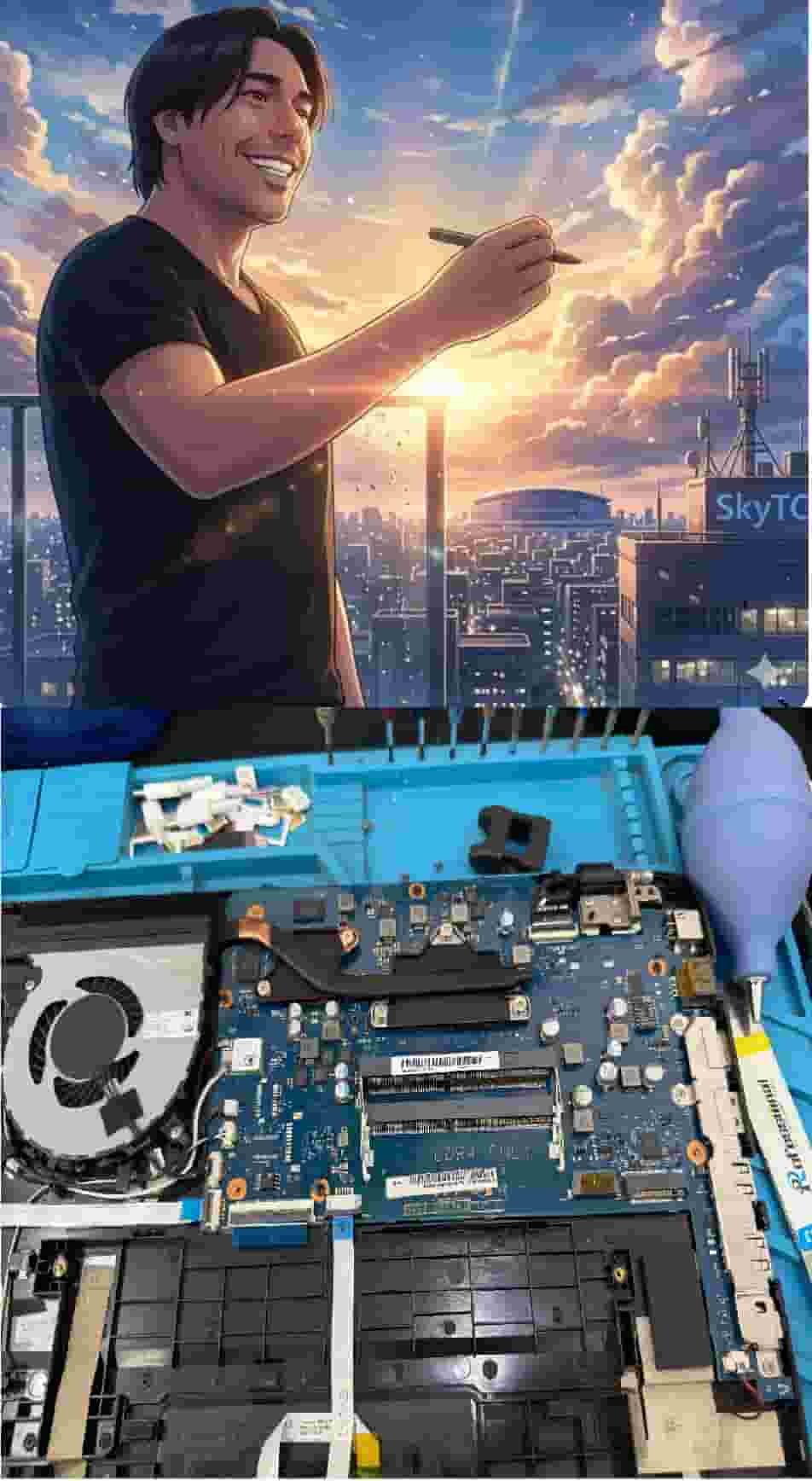
Technical Bio: Hardware & Laptops
“At SkyTC, technology is driven by engineering precision and real field experience. I am Valtersky, and I bring a unique background to the bench: from professional woodworking, the eye for structural integrity; from radiology, an absolute obsession with microscopic details.
As an ultra-endurance marathon runner, I don’t just browse store windows. I tear machines down, run intensive stress tests on thermal dissipation, and validate the actual build quality of every single component. My mission is to translate complex tech engineering and tech finances into smart decisions for your workflow.
Here, we speak straightforward, jargon-free English with the authority of someone who knows exactly what is inside the chassis.”
✨ Read also: (Top High End Keyboards With Integrated Navigation Knobs: Engineer’s Teardown)
A deeply technical piece of content that perfectly complements this post — absolutely worth the read.