
Finding the best metal body laptops for executives on the go is not just about showing off a polished, expensive-looking machine in a high-stakes board meeting. When you are traveling constantly, stuffing a computer into cramped carry-on bags, and working from airport lounges, cheap plastic frames will flex, creak, and eventually crack under pressure. You need a chassis that can survive physical travel abuse without bending the motherboard inside or snapping display hinges.
I am Valtersky, and here at our repair shop, WE HAVE A DEDICATED SUPPORT TEAM AND A LAPTOP HARDWARE SPECIALIST who see the painful reality of executive hardware failures every single day. We open up laptop chassis that looked great on store shelves, only to find bent internal frames, cracked display connectors, and broken screw posts held together by cheap glue.
Choosing a machine built with genuine metallic alloys gives you total peace of mind, protects your critical business data from physical impact, and keeps your mobile workflow running smoothly no matter how harsh your travel schedule gets.
In 30 Seconds
Here is the brutal truth straight from my workbench counter:
Not all metal laptops are built the same; cheap models just put a paper-thin aluminum skin over flimsy plastic internal frames.
Real executive durability requires full CNC-machined aluminum or high-grade magnesium alloy with reinforced hinge mounts.
Avoid ultra-thin chassis that skip thermal copper heatpipes, or you will end up with severe CPU throttling during back-to-back video calls.
Focus on structural frame stiffness, glass touchpad durability, and serviceability rather than flashy marketing promises.
Let me tell you about a common travel mistake I see all the time. An executive named Sarah spends a premium tier investment on a razor-thin laptop because the box advertises a “metallic finish.” She flies cross-country twice a week, routinely packing her laptop tightly into a leather briefcase alongside heavy power bricks and hardbound notebooks. After three months of bag pressure, she notices a faint dark spot on the screen, followed by a keyboard that skips keypresses whenever she types on an airplane tray table.
She brought it into our shop thinking it was a software glitch. Once our specialist removed the bottom plate, the real problem was obvious: the laptop used thin stamped aluminum glued over low-grade plastic sub-frames. The structural flex from her packed bag had bent the frame enough to press directly against the back of the LCD panel while twisting the main circuit board. What seemed like a sleek purchase ended up causing corrupted boot files and an expensive mainboard replacement.
I worked on a client machine last month where an executive dropped his laptop onto airport concrete from waist height. Because the chassis was milled from a solid block of high-grade aluminum, the outer corner took a tiny cosmetic scuff, but the internal structural cage kept the logic board, RAM, and SSD completely intact. He walked out of my shop ten minutes later with all his presentation files safe. That single incident paid for the machine’s build quality ten times over.
What Marketing Calls “Metal” vs. Real Structural Alloys
Laptop marketing departments love to play games with material descriptions. They throw around terms like “metal finish,” “aluminum touch,” or “magnesium feel,” which usually means you are buying low-grade plastic coated in metallic paint or a paper-thin metal sheet glued to weak structural posts. To survive frequent business travel, you need to understand the structural differences between chassis materials.
- CNC-machined aluminum chassis provide incredible structural rigidity and a sleek feel; however, the metal body acts as a thermal conductor, making the bottom panel uncomfortably warm on your lap during intense workloads.
- Magnesium-aluminum alloy frames offer ultra-lightweight portability that reduces shoulder strain; however, the finish feels surprisingly like hard plastic and scuffs easily when slid across wooden desks.
- Stamped aluminum outer covers reduce manufacturing costs for budget-friendly options; however, the interior sub-structure relies on plastic clips that break when dropped.
- Anodized aluminum palmrests resist fingerprint smudges during long typing sessions; however, watch clasps and metal ring jewelry will scratch the anodized layer down to raw silver over time.
The Reality of the Battlefield
Ultra-thin CNC-machined aluminum ultrabooks receive massive technical praise for offering zero keyboard flex and an incredibly premium unibody design. However, the hard truth is that all-metal unibody designs trap heat inside when thermal vents are kept tiny for aesthetics, forcing the CPU to throttle speed heavily during simple multi-party video meetings.
Magnesium-alloy executive laptops boast high praise for passing military-grade drop tests while keeping total machine weight remarkably low for travelers. But the reality on my workbench shows that magnesium alloy relies on thin painted chemical coatings that peel off along wrist rest corners after six months of daily sweat contact, leaving patchy scuffs on a costly machine.
360-degree convertible metal laptops earn praise for allowing executives to flip between laptop mode and tablet presentation views effortlessly. However, the hard truth is that dual-hinge steel pins mounted into thin aluminum top shells create intense mechanical stress points that rip threaded screw mounts clean out of the lid panel after a year of heavy use.
How to Pick the Best Metal Body Laptops for Executives on the Go
Selecting a true executive-grade machine means evaluating structural chassis engineering beyond surface appearance. Start by checking torsional rigidity. Grab the laptop by two opposite corners while open and give it a gentle twist. A solid CNC-milled aluminum or magnesium cage will show virtually zero flex and remain silent, whereas cheaper hybrid models will creak, twist, and trigger trackpad misclicks under stress.
Next, evaluate hinge construction and strain relief. Executive laptops are opened and closed dozens of times a day. Look for wide, centered steel hinge assemblies or wide-spaced dual hinges that distribute resistance across the entire rear chassis. Narrow hinges mounted into thin metal top covers concentrate force on tiny internal contact points, causing screen glass distortion or cracked bezels over time.
Do not ignore thermal dissipation design. Metal chassis designs use the outer shell to dissipate component heat, which keeps internal chips cooler but requires intelligent internal heat piping. Ensure the machine features dual internal exhaust fans or wide copper vapor chambers, preventing hot air from trapping directly under the palmrest keyboard zone where your hands rest during long work sessions.
- Full metal unibody frames protect internal storage drives from external impact shocks; however, they make internal battery replacements more difficult when maintenance is required down the road.
- Matte-finished alloy lids hide daily fingerprints and grease buildup cleanly; however, oily palm marks around the trackpad require frequent cleaning with isopropyl wipes.
- Glass-covered precision trackpads offer smooth multi-finger gesture scrolling for productivity; however, if the underlying metal palmrest flexes under hand pressure, the physical click mechanism stalls out.
- Reinforced steel hinge anchors prevent display wobble while typing on moving trains; however, stiff hinge tension makes opening the laptop lid with one hand almost impossible.
Comparative Table: Executive Laptop Chassis Alloys & Durability Factors
Before making a high-end hardware investment, compare how common chassis building materials handle real-world travel stresses:
| Chassis Material Type | Structural Rigidity Level | Weight & Portability Impact | Thermal Dissipation Ability | Long-Term Wear Resistance |
|---|---|---|---|---|
| CNC-Milled Aluminum | Maximum (Zero Flex) | Slightly Heavier Tier | Excellent (Shell absorbs heat) | High (Resists dents, scratches over time) |
| Magnesium-Aluminum Alloy | High (Rigid Frame) | Ultra-Lightweight | Moderate (Requires heatpipes) | Medium (Surface paint can chip) |
| Stamped Aluminum / Plastic Hybrid | Medium (Noticeable Flex) | Moderate Weight Ratio | Poor (Traps heat inside plastic) | Low (Clips break upon impact) |
| Carbon-Fiber Reinforced Metal | Maximum (High Impact) | Lightweight Tier | Good (Insulates palmrest) | varies by model |
| Anodized Surface Coating | not informed | Negligible Weight | not informed | Medium (Wears down at wrist edges) |
Actionable Pre-Purchase Checklist for Mobile Executives
Run through this quick hardware checklist before buying your next travel laptop to guarantee real structural quality and avoid cheap marketing traps:
- 1. When researching the best metal body laptops for executives on the go, physically test the lid for torsional flex to ensure the display panel will not pressure-crack inside a packed flight bag.
- 2. Inspect teardown photos online to verify that display hinges screw directly into metal chassis mounts rather than thin plastic sub-frames.
- 3. Check keyboard deck stiffness by pressing firmly on the center keys; any visible dipping indicates poor internal support under the PCB.
- 4. Confirm the laptop features a glass trackpad surface rather than plastic, preventing tracking wear spots after months of daily drag-and-drop actions.
- 5. Verify that exhaust vents discharge heat out the rear or side edges rather than directly onto the lower screen bezel.
- 6. Look for models offering anti-glare display coatings so you can comfortably read spreadsheets near bright airport terminal windows.
- 7. Ensure charging ports use reinforced metal collars to prevent loose cable slop after hundreds of power plug insertions.
- 8. Examine the palmrest edge profile; sharp, un-beveled aluminum edges will dig uncomfortably into your wrists during typing.
- 9. Check if the bottom panel uses standard Torx screws rather than permanent adhesive, allowing easy fan cleaning during routine maintenance.
- 10. Confirm that internal battery packs are held by screws rather than heavy glue strips, speeding up future workshop battery swaps.
- 11. Select configurations with at least 16GB of soldered RAM or open SODIMM slots to prevent early system obsolescence.
- 12. Avoid ultra-thin laptops that remove standard USB-A or HDMI ports unless you are comfortable carrying extra dongles everywhere.
👇 Looking for more performance cheats? Check out our field-tested tactical blueprints:
Guides for Your Next Workspace
Professional Laptops
The definitive blueprint to selecting high-performance, enterprise-grade workstations engineered to scale your productivity.
Budget Tech Tools
Practical strategies and low-cost digital tools engineered to maximize office performance without breaking your budget.
Power User Gadgets
Advanced hardware, desk automation tools, and elite tech ecosystems built to completely eliminate workflow bottlenecks.
Frequently Asked Questions (FAQ)
Are all aluminum laptops completely drop-proof during business travel?
No, not at all. While CNC aluminum handles outer impact scuffs far better than brittle plastic, drop damage depends on internal shock absorption. A hard drop can still dislodge display cables, crack internal glass layers, or dent outer alloy corners. Always pair high-end metal laptops with a padded protective sleeve inside your briefcase.
Why does the bottom of my metal laptop get so hot when charging?
Metal conducts thermal energy. Manufacturers deliberately use the aluminum chassis as a giant heatsink to draw heat away from internal CPU and GPU chips. It feels uncomfortably hot against your legs, but it actually keeps critical internal silicon components running cooler than plastic cases that trap hot air inside.
Is magnesium alloy better than CNC aluminum for mobile executives?
It depends on your travel priorities. Magnesium alloy is significantly lighter, making it ideal if you walk through massive airport terminals all day and want to cut bag weight. However, CNC aluminum feels far sturdier, looks more premium, and resists cosmetic palmrest wear much better over years of constant use.
Why do laptop hinges loosen up and fail on metal machines?
Hinge failure happens when high-tension steel hinge pins are anchored into weak internal points. If a manufacturer mounts steel hinges into plastic screw posts inside a metal-skinned lid, the plastic fatigue cracks over time. Look for laptops where hinges mount directly into solid metal alloy top shells.
Do metal body laptops block Wi-Fi and Bluetooth signals?
Raw metal blocks radio signals, which is why older metal laptops suffered terrible wireless range. Modern metal ultrabooks solve this by placing thin plastic antenna cutouts along the top edge of the lid or rear hinge zone. Check user reviews to ensure the antenna placement provides strong wireless reception.
Are touchscreen metal convertibles durable enough for daily travel?
Convertible 360-degree hinges endure twice as much mechanical stress as standard clamshell lids. While metal convertible frames prevent screen twisting, the complex hinge mechanisms have more moving parts that can loosen after a year of constant flipping. Clamshell metal designs remain the most durable choice for pure travel work.
How do I remove ugly scratches from an anodized aluminum laptop?
Deep scratches on anodized aluminum cannot be polished out because buffing destroys the surrounding anodized oxide layer, leaving a bright raw silver patch. Prevention is key: use microfiber desk pads, avoid wearing watch straps with exposed metal buckles while typing, and transport the machine in a lined sleeve.
Is paying a premium tier investment for a metal chassis worth it over plastic?
Absolutley. Plastic laptops flex during travel, putting constant bending stress on motherboard solder joints, LCD panels, and keyboard traces. A solid metal body acts as a rigid protective cage that prevents hardware failures, saving you from catastrophic data loss and mid-trip work downtime.
Why Trust SKYTC Curated Gear?
At SKYTC, we simplify technology for you. We aren’t just another deals site; we are hardware experts obsessively focused on elite performance.
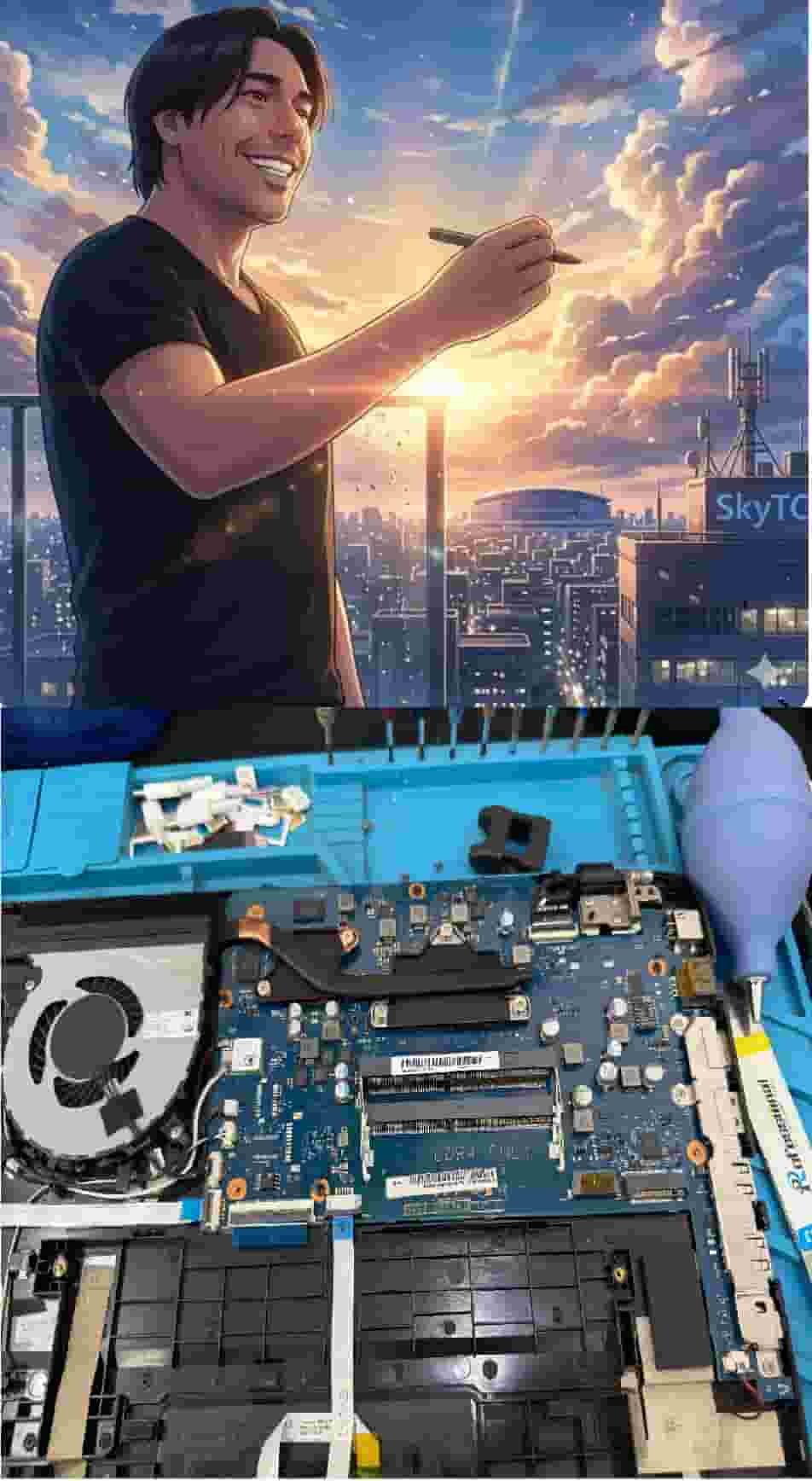
Technical Bio: Hardware & Laptops
“At SkyTC, technology is driven by engineering precision and real field experience. I am Valtersky, and I bring a unique background to the bench: from professional woodworking, the eye for structural integrity; from radiology, an absolute obsession with microscopic details.
As an ultra-endurance marathon runner, I don’t just browse store windows. I tear machines down, run intensive stress tests on thermal dissipation, and validate the actual build quality of every single component. My mission is to translate complex tech engineering and tech finances into smart decisions for your workflow.
Here, we speak straightforward, jargon-free English with the authority of someone who knows exactly what is inside the chassis.”
✨ Read also: Why Professional Laptops Need Certified Durability
Content that perfectly complements this guide — highly recommended reading.