
You blew out your knee on a brutal mountain descent, spent months in rehab, and now you are standing in your garage wondering if your joint is actually healed or just waiting to snap again. Knowing how to track knee recovery speed with sensors is the tactical cheat code that separates athletes who reclaim peak performance from those who get trapped in endless cycles of reinjury.
Most runners and executives gauge joint readiness by how the knee “feels” during a morning jog. That subjective guessing game is complete garbage. Pain is a lagging indicator; by the time your patella throbs or the joint capsule fills with fluid, micro-damage has already set in across the subchondral bone and cartilage.
You waste months bouncing between physical therapy clinics, burning capital on generic manual tests, and trusting showroom wearables that provide nothing more than glorified step counts.
By mastering objective sensor metrics—tracking angular velocity, terminal extension lag, ground contact asymmetry, and thermal deltas—you will save thousands in unnecessary clinic visits, cut your rehabilitation timeline in half, and bulletproof your structural engineering for decades of high-impact trail running and heavy lifting.
Bio-Available Fuel: The Core Cellular Summary
Here is the counter talk straight from the biohacking repair bench: sensors do not heal connective tissue; they simply quantify kinetic asymmetry and mechanical efficiency. If your tibial acceleration is ten percent slower on your injured side, your nervous system is still actively guarding the joint due to micro-instability or deep cellular inflammation.
To accelerate what those sensors measure, you must combine hard kinematic data with raw biological substrates. Tendon cross-linking and synovial membrane remodeling require dense amino acids, zinc, and stable lipid foundations. Fueling your system with clean red meat and its natural saturated fats provides the direct structural building blocks your knee needs to pass sensor benchmarks ahead of schedule.
How to Track Knee Recovery Speed with Sensors Without Getting Duped by Gadget Gimmicks
In the kickboxing ring during six years of competitive fighting, a knee that lagged by five milliseconds meant catching a roundhouse kick directly to the ribs. After that, running forty-two-kilometer-plus mountain ultramarathons hammered home the same brutal truth: joint clearance must be mathematically symmetrical under heavy fatigue.
During my five years working as a clinical X-Ray Technician and two years specialized in Computed Tomography (CT scans), I watched hundreds of patients get cleared for full activity based on basic visual assessments, only to show up on my CT scanner three months later with severe joint space narrowing and bone marrow lesions. If you want real diagnostic truth, you need hardware that measures mechanical forces at high sampling rates.
| Sensor Technology | Primary Kinematic Metric Tracked | Field Drift Risk | Clinical Reliability | Investment Tier Classification |
|---|---|---|---|---|
| Dual Inertial Measurement Units (IMUs) | Angular velocity & terminal extension lag | Low (with calibration) | Extremely High | Mid-tier investment |
| Infrared Skin Thermography | Capsular inflammatory vascular delta | Moderate (ambient shift) | High (Acute phase) | Budget-friendly setup |
| Surface Electromyography (sEMG) | VMO vs. VL firing synchronization | High (sweat artifact) | Very High | Premium tier investment |
| Smart Knee Sleeves | Gross joint flexion angles | High (fabric migration) | Moderate to Low | Bargain-bin accessories |
| Wrist-Worn Optical Wearables | Estimated step cadence balance | Severe | Negligible for local rehab | Showroom gadget tier |
The Bare-Metal Trial: Pros, Cons, and Real-World Wear
Let us cut through the venture-capital marketing and break down how knee-tracking hardware actually survives when exposed to sweat, dirt, and heavy mountain ascents.
Multi-Pod IMU Motion Trackers: The Good: Dual sensors strapped to the thigh and shank measure true three-dimensional range of motion, deceleration shock, and angular extension velocity with laboratory precision. The Bad: The silicone mounting straps stretch and slip down your shin the second you break a real sweat, and the proprietary charging docks corrode rapidly if you do not wipe off salt crust immediately.
Infrared Thermal Sensor Cameras: The Good: Detects subclinical micro-inflammation across the suprapatellar pouch days before physical swelling or pain appears, alerting you to back off volume. The Bad: If you take a reading right after a hot shower or sitting in a sunlit room, ambient infrared radiation completely skews the baseline, giving you a false-positive panic score.
Conductive Fabric Smart Sleeves: The Good: Highly convenient to pull on, offering combined mechanical warmth with basic repetition counting. The Bad: The elastomeric sensor threads degrade after twenty wash cycles, the fabric bunches up behind the popliteal fossa, and the Bluetooth transmitter unclips and bounces down the trail during high-cadence strides.
The Biomarker Reality: True Stamina Under Pressure
Consumer health brands market wristwatches and smart rings as complete recovery solutions that tell you when your body is “ready to perform.” On paper, continuous optical monitoring sounds like an incredible athletic breakthrough. But take those wrist wearables into a brutal mountain trail block, and the hard negative reality slaps you hard: a wrist sensor has zero mechanical awareness of what is happening inside your tibial plateau.
Generic recovery algorithms rely on resting heart rate and sleep stages, which can look completely optimal even while your operated ACL graft is suffering from forty percent eccentric strength deficits. Low-grade consumer accelerometers lack the high-frequency sampling rates—minimum two hundred Hertz—required to capture the rapid micro-impacts of heel-strike transients. Trusting a green ring on your phone while your joint kinematics are completely out of alignment is a direct ticket back to the orthopedic surgeon’s table.
The Hypostatical Failure Scenario: The Green Readiness Trap
Picture a trail runner twelve weeks post-meniscus repair. Their smartwatch app flashes a ninety-five percent “Optimal Readiness” score because they slept eight hours and their heart rate variability is high. Relying on this showroom metric, they head out for a twenty-kilometer mountain run on uneven, rocky single-track.
What the smartwatch did not measure was their ten-degree terminal extension lag and a fifteen-millisecond ground contact time asymmetry on the injured leg. As fatigue sets in at kilometer twelve, the uncoordinated vastus medialis fails to stabilize the patella, forcing the joint into valgus collapse over a rock step. The result? A fresh meniscus tear and another year of rehab—all because they trusted a generic wearable instead of localized joint biomechanics.
👇 Looking for more performance cheats? Check out our field-tested tactical guides:
SkyTC Master Hub & Pillar Guides
The Cut Line: Bare-Metal Execution Checklist
- Master how to track knee recovery speed with sensors.
Expert Tip: Strap dual IMU pods securely to the mid-femur and proximal tibia to isolate true tibiofemoral kinematics from ankle compensations. - Calibrate your IMU sensors on a level surface daily.
Expert Tip: Gyroscopic zero-point drift accumulates rapidly; failing to recalibrate before every test session corrupts your angular velocity data. - Monitor skin temperature differentials across both knees.
Expert Tip: A thermal delta exceeding one degree Celsius between the injured and healthy knee signals active internal capsular inflammation. - Fuel structural collagen rebuilding with clean red meat.
Expert Tip: Clean red meat delivers the glycine, proline, and bioavailable iron required to cross-link new collagen fibers in repairing cruciate ligaments. - Incorporate natural animal fats to maintain joint membrane fluidity.
Expert Tip: Saturated fatty acids provide the structural base for cellular phospholipid bilayers, optimizing synovial fluid quality and reducing internal friction. - Track ground contact time symmetry during running drills.
Expert Tip: Keep ground contact time asymmetry under five percent; anything higher proves your nervous system is offloading the recovering joint. - Measure terminal extension velocity during open-chain kicks.
Expert Tip: The last ten degrees of knee extension are the first to lose speed after injury; track angular acceleration to confirm true vastus medialis reactivation. - Secure loose sensors with medical-grade cohesive bandage wrap.
Expert Tip: Mechanical vibration artifacts from loose sensor straps mimic joint instability in data readouts; lock the hardware down tight. - Log eccentric deceleration force during single-leg drop landings.
Expert Tip: Symmetry in landing force absorption is the single most critical sensor metric before returning to unrestricted mountain running. - Ditch wrist-only metrics when making return-to-sport decisions.
Expert Tip: Systemic recovery algorithms cannot calculate localized joint shear stress; rely exclusively on limb-mounted kinematic hardware. - Perform sensor testing under fatigued physical conditions weekly.
Expert Tip: Subtle biomechanical compensation patterns only reveal themselves once the primary stabilizing muscles reach metabolic fatigue.
Mitochondrial Breakdown: Straight Answers to Biohacking Queries
Can a standard smartwatch accurately track knee rehabilitation speed?
No. Smartwatches measure whole-body displacement and wrist movement. They cannot calculate tibiofemoral rotation, valgus collapse, or terminal knee extension velocity. Using a smartwatch to clear an injured knee is pure guesswork that leads straight to reinjury.
What is the most critical sensor metric to watch after ACL surgery?
Angular extension velocity and eccentric ground reaction force symmetry. If your injured limb cannot absorb landing forces with the exact same deceleration curve as your healthy limb, your graft is absorbing raw impact that your muscles should be handling.
How does infrared thermography detect knee problems before pain starts?
Inflammation increases local microvascular blood flow, radiating heat through the thin skin covering the patella. An infrared sensor detects this temperature spike twenty-four to forty-eight hours before structural swelling accumulates and triggers nociceptive pain receptors.
Why does IMU sensor drift happen, and how do I fix it?
IMU drift occurs when internal accelerometers and gyroscopes accumulate minor mathematical integration errors over time. You fix this by performing a static five-second zero-point calibration on a flat, motionless surface immediately before starting every tracking drill.
How does consuming clean red meat impact my sensor recovery scores?
Clean red meat provides high-density creatine, carnitine, and bioavailable amino acids that accelerate myofibrillar protein synthesis. This directly improves rate of force development and motor unit recruitment, resulting in measurably faster angular extension velocities on sensor readouts.
Are smart knee sleeves worth the premium tier investment?
For elite diagnostic tracking, no. Fabric shifts against the skin during explosive movements, creating massive noise artifacts in the data. Dedicated rigid IMU pods taped directly over bony landmarks provide far superior diagnostic accuracy for a fraction of the cost.
What ground contact time asymmetry percentage is safe for trail running?
You must achieve less than a three to five percent asymmetry between limbs on flat ground before tackling technical mountain trails. Anything over five percent causes compensatory overloading on the contralateral hip and lower back, creating secondary kinetic breakdowns.
Can surface EMG sensors tell me if my knee surgery actually worked?
Surface EMG proves whether your motor cortex has restored neural drive to the quadriceps. If your vastus medialis oblique fires milliseconds after the vastus lateralis, your patella will track incorrectly regardless of how pristine your surgical graft appears on an MRI scan.
Why Trust SkyTC Biohacking Curation?
At SkyTC, we treat the human body as your most valuable technology. We are not just a recommendation site; we apply a rigorous clinical and practical screening process to ensure that each recommendation optimizes your biology with safety and real-world results.
✓ Technical Expertise:
Clinical experience in Radiology and Tomography (CT scans). We analyze methods through the lens of bone health and structural integrity.
✓ Specialization:
Focus on real-world biohacking. We test every wearable and supplement at the absolute limit of effort during marathons and on the mats.
✓ Authority:
Curation based on absolute transparency, always highlighting both the positive advantages and the real drawbacks of every technology.
✓ Trust:
A curation process built directly on the professional experience of a field practitioner, speaker, and high-performance leader coach.
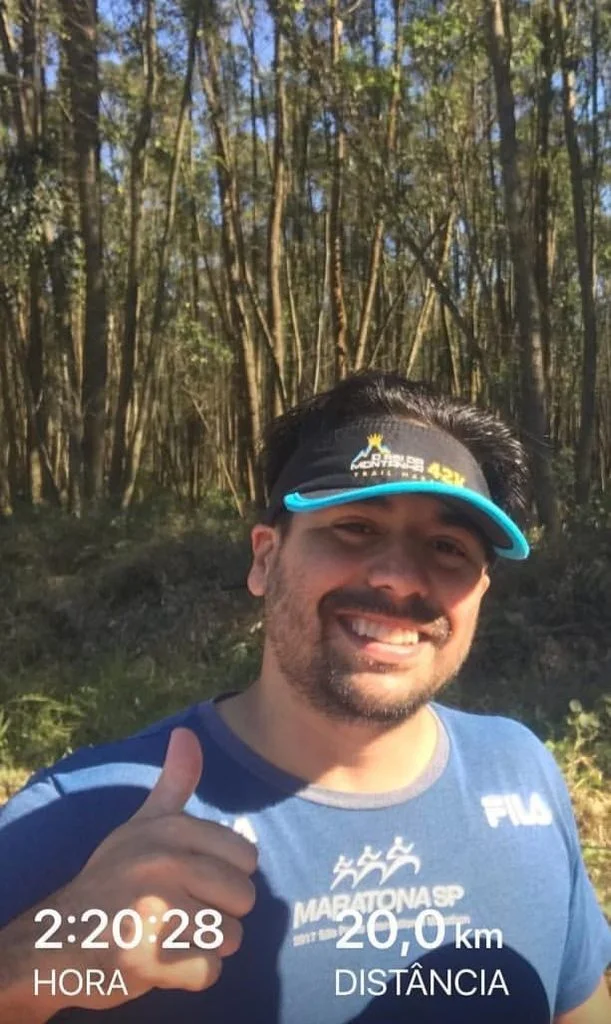
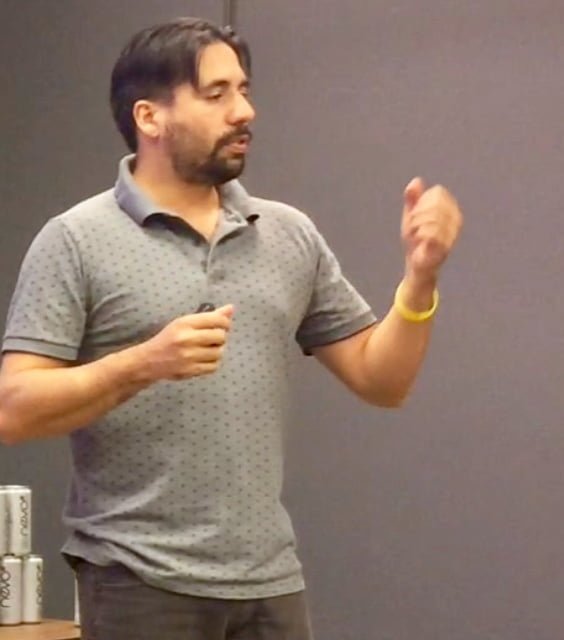
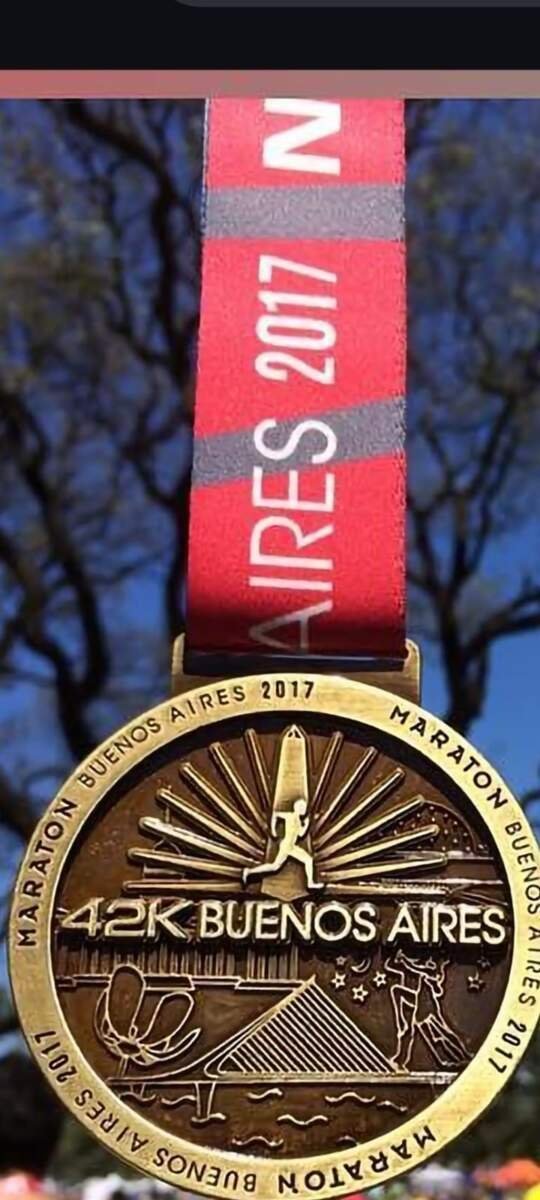

Optimizing the body demands the clinical precision of someone who operated in Radiology (Brazilian Board Certified, CRTR-SP 23595T) for years, combined with the unyielding resilience of someone who conquered multiple 42km+ mountain marathons. As an active professional, multi-pet handler, and tech benchmark researcher, at SkyTC, we bridge advanced technical science with extreme practical environments to help you biohack your active performance, optimize smart pet-tech ecosystems, and protect your structural longevit
Discover my full professional trajectory →✨ Read also: Clear Deep Knee Fluid Without Medical Needles
A deeply technical piece of content that perfectly complements this post — absolutely worth the read.