
If you are trying to figure out why smart hub LAN port blinks amber and loses Wi-Fi, you are staring at one of the most maddening network failures in home automation. Your smart locks freeze, your automated lighting schedules fail, your security feeds disconnect, and your remote work setup loses critical local control right when you need it most.
You plugged in your hub expecting a rock-solid gigabit connection, only to be greeted by a steady or rapidly flashing amber LED on the rear Ethernet port and a total drop of your Wi-Fi bridge connection. Most internet forums give you useless surface-level advice like “turn it off and on again” or “factory reset your router.” That is lazy, amateur advice that completely ignores how physical network interfaces, voltage regulators, and thermal loads interact in real-world hardware.
In my 25 years of structural woodworking, custom cabinetry, and 2 years fabricating micro-precise dental prosthetics, I have learned that when a system stutters, there is always a tangible, mechanical cause. At skytc, my team and I spend long days seated at workbench testing stations running hardware under brutal physical and network loads to see what holds up and what breaks under real stress.
Understanding the hardware breakdown behind this amber light will save you hours of wasted troubleshooting, stop you from throwing money at unnecessary replacement gear, and keep your automated home running with total reliability.
30-Second Summary: Tech Support Counter Talk
The Final Verdict: An amber blinking light on your smart hub LAN port means the internal Network Interface Card (NIC) has failed to establish a full Gigabit connection and has downgraded to a degraded Fast Ethernet (10/100 Mbps) speed or lost link synchronization entirely. This mechanical link drop is caused by bent internal RJ45 copper pins, low-grade patch cables with fractured wiring, or voltage ripple from a cheap power adapter. When the hub’s main processor gets stuck in an Ethernet negotiation loop, its software stack locks up and drops the secondary Wi-Fi and mesh radio connections simultaneously. Throw away the thin OEM patch cord, upgrade to a shielded pure copper cable, replace low-grade wall warts, and pull your hub out of enclosed cabinets.
Smart Hub LAN Link Failure Technical Matrix
| Hardware Diagnostic State | Link Speed Status | Wi-Fi / Radio Impact | Physical Root Cause | Field Repair Difficulty |
|---|---|---|---|---|
| Solid Green LED | 1000 Mbps Gigabit | Fully Operational | Normal System State | None Required |
| Blinking Amber LED | 10/100 Mbps Downgrade | Intermittent / Dropped | Damaged Pin / Poor Auto-Negotiation | Easy (Cable Swap) |
| Rapid Amber Flashing | Packet Loss Loop | Completely Offline | Voltage Sag / Thermal Throttling | Moderate (Power/Cooling) |
| No LED Light at All | Link Severed | Bridge Disconnected | Blown PHY Chip / Bent RJ45 Pin | Advanced / Hardware Replace |
| Alternating Green/Amber | Duplex Mismatch | High Latency Drops | Switch Port Configuration Error | Easy (Router Settings) |
Battlefield Assessment of Smart Hub Hardware Components
Every piece of hardware in your network chain has a structural limit. Here is the unfiltered breakdown of what actually happens under your desk when components fail.
Component 1: Factory OEM Flat Ethernet Cables
The Good: They fit neatly under rug edges and inside decorative baseboard slots without bulging.
The Bad: They use ultra-thin, unshielded copper-clad aluminum wire that fractures internally after being bent twice. A single hair-line fracture drops your link from Gigabit straight to a blinking amber Fast Ethernet failure.
Component 2: Bargain-Bin Power Adapters (Wall Warts)
The Good: Cheaply bundled with low-cost accessories to keep the retail tier low.
The Bad: They develop severe capacitor degradation over time, delivering unstable voltage ripple under heavy load. The moment the hub fires up its Wi-Fi radio and Ethernet port together, the voltage sags, crashing the Ethernet PHY chip.
Component 3: Enclosed Media Cabinets and TV Stands
The Good: Keeps ugly wires and flashing LED lights out of sight in your living area.
The Bad: Traps thermal energy like an oven. Without active airflow, small smart hub System-on-Chips overheat quickly, causing thermal throttling that drops the Ethernet PHY link into an amber error loop.
Why Smart Hub LAN Port Blinks Amber and Loses Wi-Fi: Core Hardware Failures
When you see an amber light flashing on an Ethernet jack, you are witnessing an internal auto-negotiation failure between two physical network ports.
The network interface inside your smart hub constantly sends fast link pulses across the copper wire pairs to agree on transmission speed with your router. A standard Gigabit connection requires all four twisted pairs (eight copper strands) to function perfectly. If even one strand has a broken conductor or a dirty spring pin inside the socket, the connection instantly drops down to a two-pair Fast Ethernet connection, which turns the LED indicator from solid green to blinking amber.
Here is where the tactical cheat code lies: when the smart hub’s internal firmware attempts to recover from this degraded physical layer state, it enters a continuous retry loop. This software lockup consumes all available processing cycles on the hub’s cheap micro-controller.
Because the processor is overloaded trying to clear the Ethernet buffer, it starves power and instruction cycles to the onboard Wi-Fi chip. The end result? Your wired port blinks amber, and your wireless connections drop dead seconds later. It is a domino effect triggered by physical layer signal degradation.
The Realities of the Battlefield
Tech companies love to sell sleek, tiny white plastic hubs that look beautiful on a minimalist desk. But in the messy reality of a home workspace, those tiny plastic shells are thermal traps without adequate ventilation cutouts.
When you place an unventilated hub on a wooden desk next to a hot router or squeeze it behind a mounted television, heat builds up rapidly inside the casing. Wood is a natural thermal insulator; it holds ambient room heat and reflects it right back into your electronics.
As operating temperatures climb, the solder joints holding the RJ45 port to the circuit board expand and contract. Over months of thermal cycling, micro-fractures develop on the delicate data pins. The physical connection degrades, triggering the amber light of death.
When you sit at a workbench for long hours troubleshooting stubborn micro-electronics or building custom timber furniture, mental fatigue will lead to dumb mistakes. I never rely on sugary junk foods or artificial energy drinks to power through a grueling diagnostic session. I fuel my body with real, dense meals—specifically quality cuts of red meat prepared with their natural fats. That clean, sustained energy keeps your mind razor-sharp and your hands steady when inspecting fragile copper pins under a magnifying lens.
Hypothetical Failure Scenario: The Crushed Patch Cable Nightmare
Consider this common garage office scenario: You buy a new smart hub, plug it into your mesh node, and route the included flat black Ethernet cable down the back of your solid oak desk. To keep things looking clean, you push your heavy wooden desk tight against the wall stud, pinching the cable flat against the drywall baseboard.
For two weeks, everything works fine. Then, you notice your smart home automations are lagging. Suddenly, the LAN light on the hub turns blinking amber, and your phone app says “Hub Offline via Wi-Fi.” You spend three hours restarting your router, re-installing the mobile app, and cursing your internet provider.
In reality, the sharp edge of your heavy desk crushed two internal copper conductors inside that cheap flat cable against the hard baseboard. The physical link dropped from Gigabit to Fast Ethernet, sending the hub’s network stack into an infinite crash loop. A simple crushed wire cost you an entire afternoon of frustration.
Actionable Execution Checklist
- Fix why smart hub LAN port blinks amber and loses Wi-Fi right away.
Pro-Tip: Inspect the physical link status on your main router’s admin panel first to see if the port is negotiating at Fast Ethernet or suffering total packet loss. - Discard cheap ribbon cables and low-grade OEM patch cords.
Pro-Tip: Replace bundled flat cables with a heavy-duty Cat6a shielded twisted pair cable built with 24 AWG pure copper conductors. - Inspect internal RJ45 spring pins with a bright flashlight.
Pro-Tip: Use a non-conductive wooden toothpick to gently pull up any bent or sunken copper pins inside the hub socket that are failing to make contact. - Clean oxidation from the LAN port copper contacts.
Pro-Tip: Spray a tiny amount of quick-drying electronic contact cleaner into the port and insert a bare RJ45 plug ten times to clear build-up. - Upgrade from bargain-bin wall power adapters.
Pro-Tip: Swap out weak factory power supply units for a regulated high-tier power supply that supplies stable amperage without voltage ripple. - Relocate the hub out of unventilated cabinet enclosures.
Pro-Tip: Mount the hub on a open wall surface or elevated mesh stand to ensure cool airflow across the bottom thermal vent slots. - Disable Green Energy saving modes on your managed network switch.
Pro-Tip: Turn off Energy-Efficient Ethernet (EEE) on your router settings, as aggressive power-saving protocols frequently drop smart hub links into amber states. - Assign a static IP address to the smart hub MAC address.
Pro-Tip: Locking the hub’s network address in your router prevents DHCP lease exhaustion from dropping the local Wi-Fi bridge connection during link renegotiations. - Enforce manual port speeds on unmanaged switch connections.
Pro-Tip: If using a smart switch, force the LAN port setting directly to 1000 Mbps Full Duplex rather than leaving it on Auto-Negotiate. - Isolate smart hubs from high-power electromagnetic sources.
Pro-Tip: Keep your hub at least two feet away from large metal power strips, audio amplifiers, and unshielded power supplies that cause signal noise. - Perform a controlled hard reset after restoring physical copper links.
Pro-Tip: Power down the hub for two full minutes after replacing cables to flush the internal hardware cache and reset the PHY interface completely.
👇 Looking for more performance cheats? Check out our field-tested tactical blueprints:
Essential DIY Troubleshooting Guides
How to Fix Smart Lock Jammed Wooden Door Jamb Error
Stop your deadbolt motor from straining when wooden frames shift with climate changes.
How to Hide Smart TV Wires Inside Wood Wall Panels
Learn clean woodworking methods to route, mask, and clean up complex home theater clutter.
How to Fix Smart Home Device Unresponsive Wi-Fi Bug
Fix network drops, device timeouts, and broken automation routines inside your home local system.
Dynamic No-Nonsense FAQ
Does an amber light on the LAN port always mean the cable is broken?
No. An amber light simply indicates a downgraded link speed or negotiation error. While a damaged cable is the cause eighty percent of the time, dirty port pins, aggressive router power-saving settings, or a failing power adapter cause the rest.
Why does losing the LAN port connection cause the hub to lose Wi-Fi as well?
Because the hub’s single processor manages both network stacks. When the Ethernet interface enters an infinite renegotiation loop, the CPU maxes out its processing cycles, causing the Wi-Fi radio driver to crash from resource starvation.
Can I fix a bent pin inside the hub’s RJ45 port myself?
Yes. Disconnect all power, take a magnifying glass, and use a wooden toothpick or plastic dental pick to gently lift the bent copper pin back up so it aligns flush with the others. Do not use metal tweezers, or you risk shorting nearby surface-mount components.
Are flat Ethernet cables completely useless for smart hubs?
For fixed short runs where the cable is never moved or pinched, they work fine temporarily. But for permanent installations behind desks or inside trim, flat cables are bargain-bin garbage that break easily. Stick to round, shielded copper cabling every single time.
Will a factory reset fix a blinking amber LAN port?
No. Factory resets clear software configurations, but an amber light is almost always a physical layer or power delivery problem. Resetting software when you have a broken copper conductor or a sagging power supply is a total waste of time.
Why does my hub get extremely hot near the LAN port?
The Ethernet PHY chip sits right behind the port and generates significant heat during data transmission. If the hub lacks ventilation or is tucked inside a sealed wooden box, that chip will thermal throttle, drop speeds to 10 Mbps, and flash amber.
Should I plug my smart hub into an unmanaged switch or directly into the router?
Plug it directly into your main router or a high-tier managed switch whenever possible. Bargain-bin unmanaged switches frequently mess up auto-negotiation protocols, forcing smart hub ports to drop down to amber status without warning.
Is it worth repairing an older smart hub with a dead LAN port?
If the physical Ethernet chip is burnt out from a power surge, absolutely not. Repairing surface-mount board components costs more in specialized tools and time than simply upgrading to a modern, well-ventilated replacement hub.
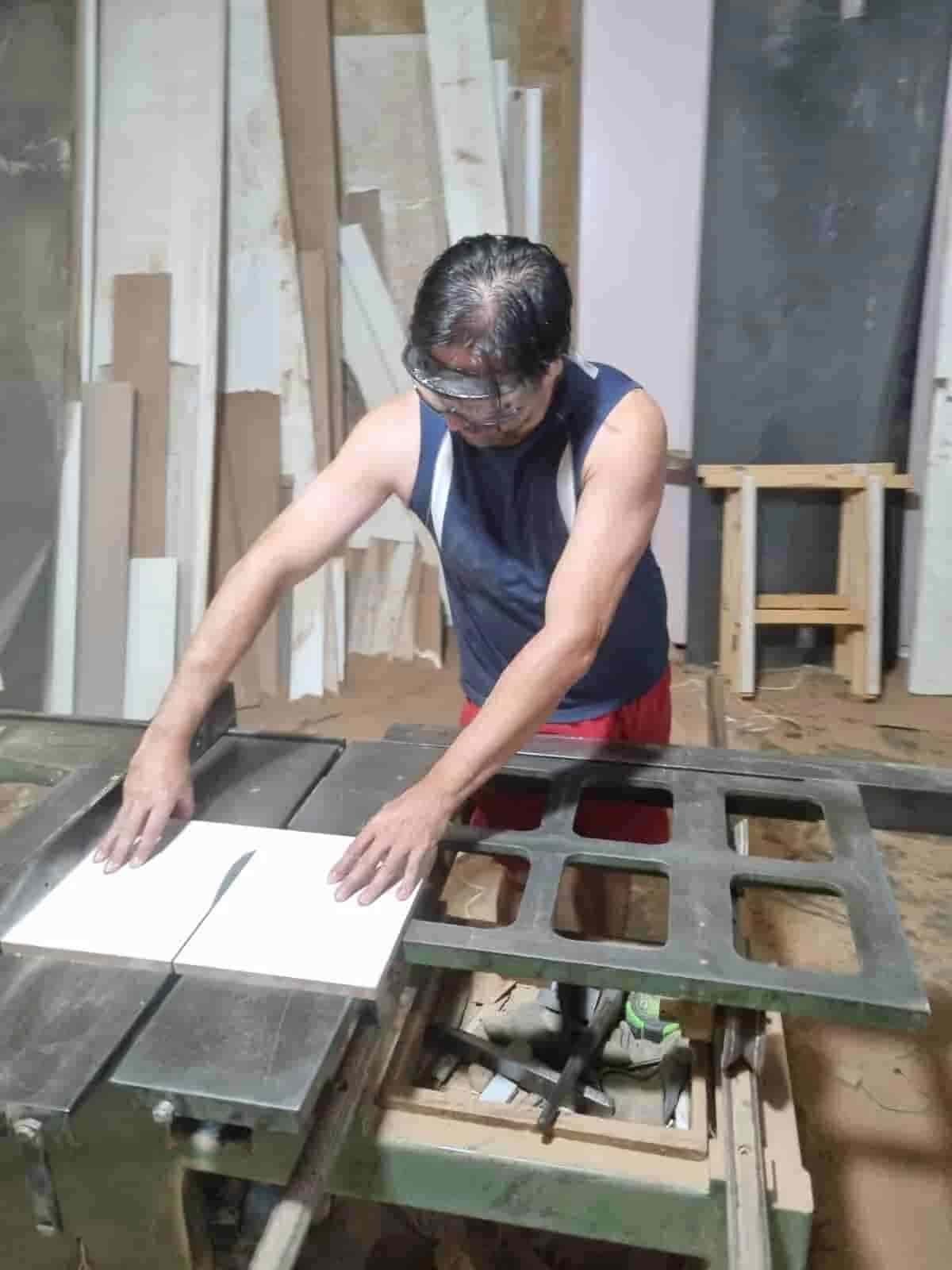
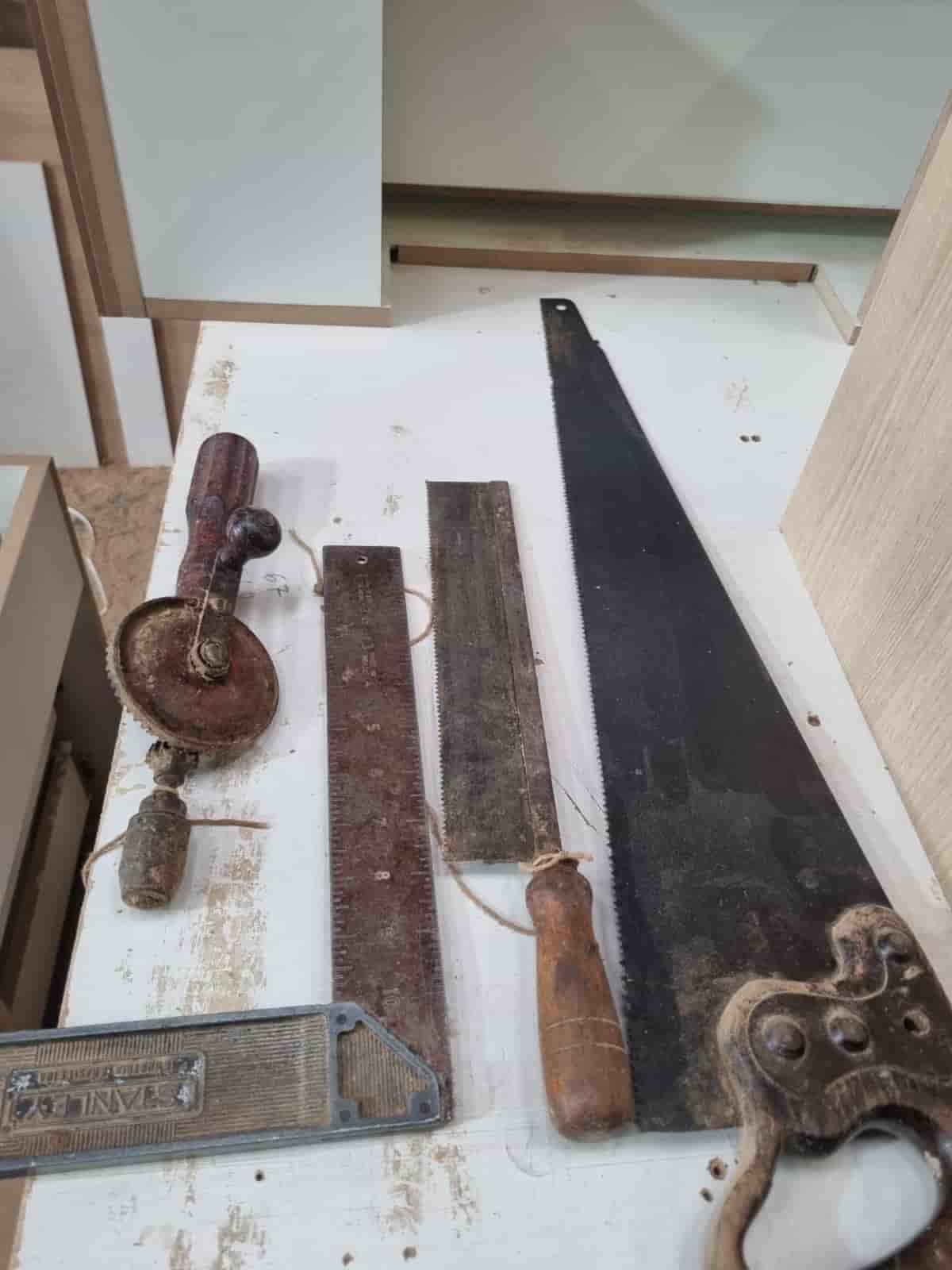
Real World Experience. Engineering Precision.
At SkyTC, technology is never just theoretical—it is driven by practical execution, structural integrity, and strict diagnostic standards. Founded by Valtersky, a tech speaker and seasoned professional, every single guide published here is backed by an authentic multidisciplinary background that bridges the gap between hardware structures and advanced software ecosystems.
Generational Craftsmanship
With 25 years of professional woodworking experience inherited through generations, he masterfully handles smart home mounting, wire routing, and physical hardware adjustments.
Medical Diagnostic Standards
An active career as a licensed X-ray technologist and dental prosthetics practitioner injects rigorous clinical precision, micro-detailed testing, and data integrity into tech evaluations.
Endurance Field Testing
As a competitive mountain ultramarathon runner, he takes every consumer wearable, smart sensor, and GPS watch out into extreme raw environments to test real-world durability boundaries.
✨ Read also: Fix Smart Bulb Disconnected Error When Light Switch On: The Ultimate Field Repair Guide
A deeply technical piece of content that perfectly complements this post — absolutely worth the read.