
You hit the trail at dawn, feeling strong, watching your smartwatch tick off pace and heart rate, completely oblivious to the silent micro-shocks hammering your tibia on every downhill step. When you fail to track bone impact metrics with wearables designed for true skeletal accelerometry, you blindfold yourself to the cumulative G-force degradation that destroys subchondral bone long before your nervous system registers pain.
During my 5 years as a clinical X-Ray Technician and 2 years operating Computed Tomography (CT) scanners, I lost count of the high-performing runners and executives who walked into the diagnostic suite complaining of “mild shin splints,” only for their cross-sectional CT scans to reveal severe micro-trabecular fractures. Bone doesn’t give you gentle warnings like a sore muscle; it structuralizes stress silently until it snaps. In my experience hammering 42km+ mountain ultras and surviving 6 years in the kickboxing ring, I learned that ignoring skeletal kinetic shock is a fast track to orthopedic breakdown.
By cutting through showroom gadget hype and learning how to measure true shock loading, you will protect your skeletal architecture, prevent career-sidelining stress fractures, and save years of recovery time. Real athletic longevity isn’t about collecting digital badges on a app—it’s about engineering a skeletal shield that handles brutal impact forces for decades to come.
30-Second Summary: The Tech Support Field Verdict
Here is the unfiltered diagnostic reality from the clinical bench: Wrist-based fitness watches are completely useless for detecting bone shock because your soft arm tissue dampens kinetic force before it hits the sensor. If you want to monitor true skeletal stress, you must use high-sampling foot pod sensors or specialized biomechanical insoles mounted directly to rigid structures. Stop relying on smoothed-out GPS software metrics, strip out unstable maximalist footwear that amplifies torsional force, and feed your osteocytes bioavailable bone-building nutrients through nutrient-dense red meat, rich bone marrow, and natural fats.
Diagnostic Sensor Comparison: Wearable Skeletal Metrics
Not all bio-metric devices capture kinetic force accurately. Use this technical matrix to separate lab-grade skeletal diagnostics from expensive wrist-bound toys.
| Form Factor | Sampling Frequency | Skeletal Load Tracking | Downhill Impact Accuracy | Tactical Field Verdict |
|---|---|---|---|---|
| Wrist Smartwatch Accelerometer | ~50Hz to 100Hz | Unreported | Unreliable | Total trap for bone shock tracking. Soft tissue absorbs G-force. |
| Foot Pod (Shoe-Mounted) | ~1000Hz | High | High | Best tactical cheat code for raw step G-force and contact time. |
| Force-Sensing Smart Insoles | ~200Hz to 500Hz | High | Moderate to High | Excellent axial pressure mapping; ribbon cables are delicate. |
| Chest-Strap Motion Sensor | ~100Hz to 200Hz | Moderate | Low | Tracks center-of-mass bounce, completely misses distal foot shock. |
| Smart Ankle Band | Varies by model | Moderate | Moderate | Moderate accuracy; slips under heavy sweat and mud accumulation. |
Field Assessment: Analyzing Impact Hardware and Protocols
Every biometric tool on the market presents mechanical compromises. Here is the battlefield breakdown of impact-tracking hardware and nutrition strategies.
1. Wrist-Based Multisport Watches
The Good: Excellent for tracking heart rate variability, GPS routes, and general cardio volume on long runs.
The Bad: Soft tissue damping at the forearm completely distorts ground reaction force data, rendering skeletal impact readings meaningless.
2. High-Frequency Foot Pod Sensors
The Good: Captures raw ground contact time, foot-strike angle, and vertical deceleration forces at high sampling rates.
The Bad: If mounted loosely to shoe laces, the sensor vibrates independently and generates false shock spike readings that ruin your diagnostic logs.
3. Piezoelectric Smart Insoles
The Good: Maps direct plantar pressure distribution and peak load intensity across the foot arch in real-time.
The Bad: Thin sensor ribbon cables fatigue rapidly under heavy trail flexing and fail completely when exposed to deep mud or stream crossings.
4. Biohacking Nutrition: Red Meat & Bone Marrow Matrix Protocol
The Good: Supplies dense collagenous amino acids, bioavailable phosphorus, zinc, and saturated fats required to build bone matrix density and repair osteon micro-cracks.
The Bad: Demands dropping convenient, ultra-processed sports energy gels in favor of real, nutrient-dense natural meals.
The Realities of the Battlefield: Why Wrist Wearables Fail on Technical Trails
Marketing departments at major wearable brands love showing glossy advertisements of mountain runners tracking extreme performance on sleek wrist devices. BUT the hard mechanical reality is that wrist accelerometers suffer from massive kinetic attenuation. Your shoulder, elbow, and wrist joints act as hydraulic shock absorbers, dampening up to 80% of the ground impact force before it ever reaches the sensor on your wrist. The watch software uses algorithmic smoothing to guess your foot shock, giving you a sanitized, artificial number that masks real skeletal trauma.
On technical mountain descents, these consumer devices fall completely flat in real-world mud and grit conditions. Rubber straps snap under heavy sweat saturation, plastic mounting clips shatter on rock strikes, and battery life plummets when processing multi-channel sensors in freezing alpine weather. If you rely on consumer-grade wrist metrics to monitor bone impact, you are trusting a broken diagnostic gauge while your tibia absorbs destructive peak G-forces.
The High-Pressure Executive Failure Scenario: Blinded by Vanity Metrics
Consider a 45-year-old active executive preparing for a 50km mountain trail race. He invests in a premium tier multisport watch and relies solely on its built-in “running dynamics” to gauge his physical stress. During downhill training sessions, his wrist device reports a stable, low impact score because its algorithm averages out peak forces over long time intervals.
Unbeknownst to him, his heavy heel-strike mechanics on steep descents generate raw shock spikes exceeding 8 Gs directly into his calcaneus and tibia. He ignores the subtle, deep bone ache in his mid-shin because his watch readiness score reads 90%. Three weeks out from race day, a sharp stabbing pain forces him to stop dead in his tracks. A CT scan ordered by an orthopedic specialist reveals a calcified stress fracture along the anterior tibial cortex. He spent heavily on showroom gadgets, yet ended up on crutches because he tracked smoothed wrist numbers instead of raw skeletal impact.
How to Track Bone Impact Metrics with Wearables for Skeletal Longevity
To protect your skeletal frame from micro-fractures and cartilage degradation, you must follow a rigid diagnostic protocol for measuring physical impact:
- Isolate Foot-Strike Ground Reaction Force: Mount a high-sampling foot pod directly to your shoe laces to record true initial contact shock wave vectors.
- Monitor Vertical Deceleration Spikes: Track Peak-G vertical loading rates on downhill sections; sudden spikes indicate muscle fatigue failing to damp skeletal impact.
- Cross-Reference Contact Time Asymmetry: Monitor left-to-right ground contact time balance; a 3% divergence signals that your body is compensating for bone micro-strain on one side.
- Audit Midsole Foams and Surface Hardness: Track impact metrics as shoe miles accumulate; when Peak-G spikes by 15% on identical terrain, the midsole foam is dead and passing shock to your bones.
Actionable Skeletal Diagnostics Checklist
Execute these field-tested steps to protect your bone density and master skeletal metric tracking.
- Track bone impact metrics with wearables mounted directly to your footwear rather than relying on wrist sensors. (Field truth: Wrist sensors miss up to 80% of skeletal shock.)
- Calibrate foot pod sensors before every long mountain run. (Field truth: Loose mounting clips generate false G-force readings.)
- Fuel bone remodeling with clean red meat, marrow, and natural animal fat. (Field truth: Bioavailable collagen and phosphorus build dense cortical bone matrix.)
- Ditch maximalist pillow shoes when analyzing foot-strike mechanics. (Field truth: Oversized foam hides poor heel-strike mechanics until bone degrades.)
- Log Peak-G loading rates specifically on steep downhill trail descents. (Field truth: Downhill running multiplies ground reaction forces threefold.)
- Replace footwear when kinetic shock metrics jump over 10% on standard routes. (Field truth: Compacted EVA foam turns shoes into bone-crushing hammers.)
- Cease running immediately if localized bone tenderness lasts more than 48 hours. (Field truth: Bone edema precedes visible CT stress fractures by weeks.)
- Integrate heavy, low-velocity strength work to increase trabecular bone density. (Field truth: Axial loading triggers bone mineral deposition via osteoblast activation.)
- Monitor ground contact time balance to spot limp compensations early. (Field truth: Micro-asymmetries indicate hidden tissue strain before pain strikes.)
- Avoid over-the-counter anti-inflammatory drugs before long runs. (Field truth: Pain-masking drugs blind you to dangerous skeletal shock thresholds.)
- Inspect sensor casing seals for moisture ingress after wet trail runs. (Field truth: Sweat and mud ruin delicate internal accelerometers rapidly.)
- Ensure adequate recovery sleep to facilitate skeletal tissue remodeling. (Field truth: Growth hormone secretion during deep sleep repairs osteon micro-cracks.)
👇 Looking for more performance cheats? Check out our field-tested tactical guides:
SkyTC Master Hub & Pillar Guides
Dynamic No-Nonsense FAQ
1. Can a wrist-based smartwatch track bone impact metrics accurately?
No. Your arm muscles and elbow joint absorb ground reaction forces before shock waves reach your wrist. Wrist watches use software estimates, not true bone accelerometry. Buy a shoe-mounted pod if you want real data.
2. What G-force threshold indicates dangerous skeletal impact?
Peak vertical forces consistently exceeding 6 to 8 Gs during sustained running signal severe skeletal strain. If your wearable logs continuous high-G spikes, your mechanics are failing and your bones are taking the brunt.
3. How do maximalist cushioned shoes affect wearable impact readings?
Thick foam cushions initial skin feel but creates an unstable lever arm that increases joint shear stress. Sensors may show lower surface slap, but deep skeletal impact can actually increase due to mechanical instability.
4. Why is clean red meat recommended for bone recovery in athletes?
Red meat provides bioavailable heme iron, zinc, glycine, and proline necessary for collagen matrix formation in bone tissue. Natural animal fats support fat-soluble vitamin D3 and K2 absorption, driving calcium directly into bone.
5. What is the difference between an X-Ray and a CT scan for bone stress?
Early bone stress fractures are completely invisible on standard X-Rays for weeks. High-resolution CT scans or MRIs reveal subchondral edema and micro-trabecular fractures long before bone cortical lines visibly crack.
6. Are expensive force-sensing insoles worth the high-end investment?
Only for short-term biomechanical gait analysis in a controlled lab or flat pavement setting. On muddy mountain trails, flex fatigue and water moisture break thin ribbon cables quickly, making them a waste of money for trail runners.
7. How does stride cadence impact skeletal ground reaction force?
Increasing your cadence by 5% to 10% shortens stride length and places your landing foot under your center of mass. This simple shift drops peak ground shock by up to 20%, instantly protecting your shins and knees.
8. Why do wearable sensors show asymmetric ground contact time?
Asymmetry means your nervous system is spending less time on one leg to protect an injured structure, like a fatigued tendon or bone micro-fracture. Never ignore a contact time imbalance over 2%.
Why Trust SkyTC Biohacking Curation?
At SkyTC, we treat the human body as your most valuable technology. We are not just a recommendation site; we apply a rigorous clinical and practical screening process to ensure that each recommendation optimizes your biology with safety and real-world results.
✓ Technical Expertise:
Clinical experience in Radiology and Tomography (CT scans). We analyze methods through the lens of bone health and structural integrity.
✓ Specialization:
Focus on real-world biohacking. We test every wearable and supplement at the absolute limit of effort during marathons and on the mats.
✓ Authority:
Curation based on absolute transparency, always highlighting both the positive advantages and the real drawbacks of every technology.
✓ Trust:
A curation process built directly on the professional experience of a field practitioner, speaker, and high-performance leader coach.
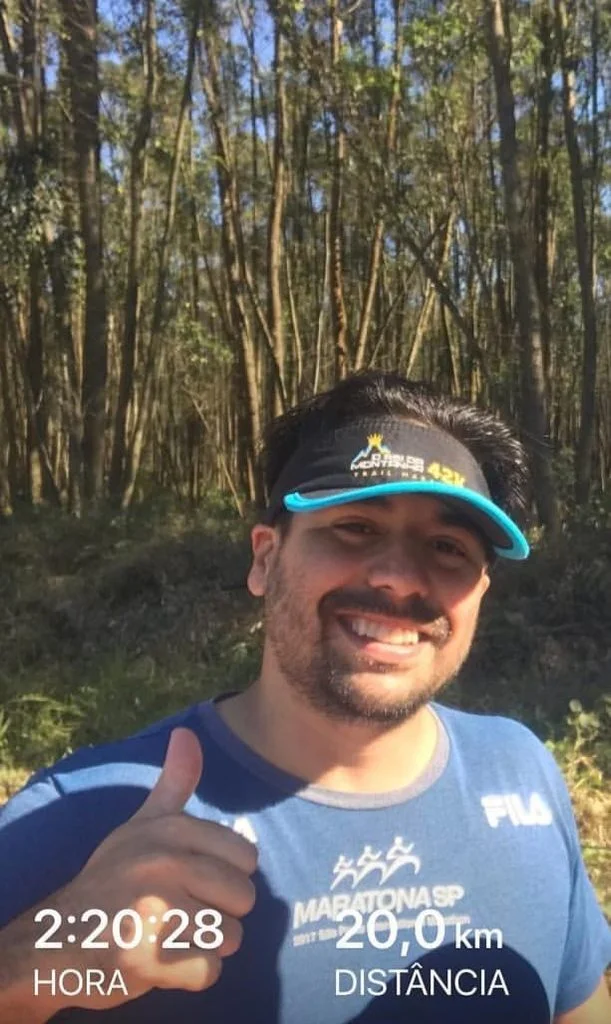
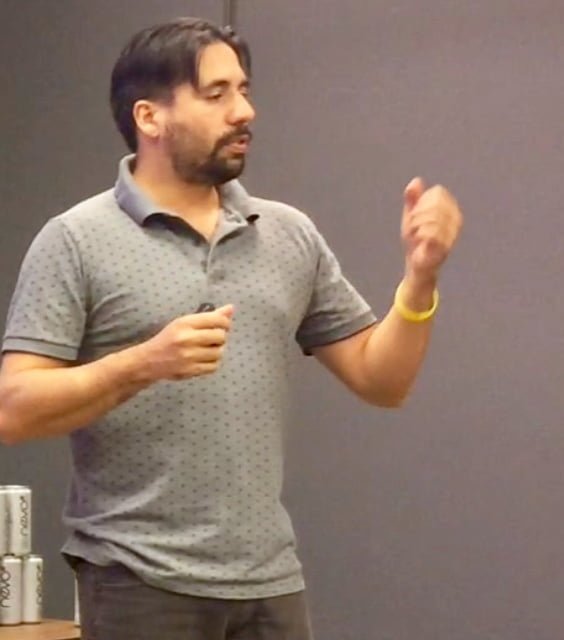
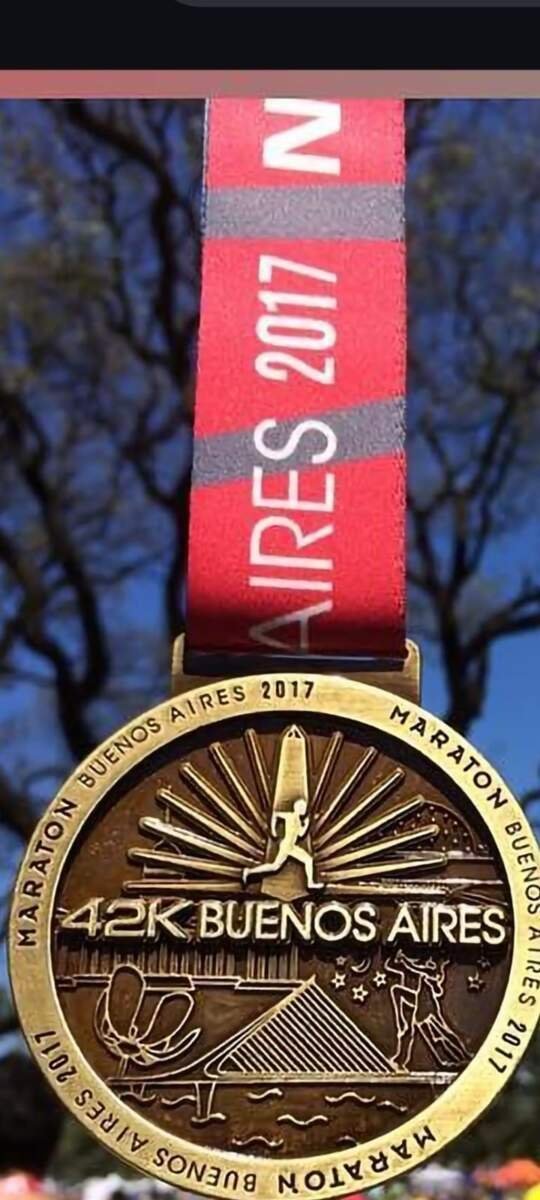

Optimizing the body demands the clinical precision of someone who operated in Radiology (Brazilian Board Certified, CRTR-SP 23595T) for years, combined with the unyielding resilience of someone who conquered multiple 42km+ mountain marathons. As an active professional, multi-pet handler, and tech benchmark researcher, at SkyTC, we bridge advanced technical science with extreme practical environments to help you biohack your active performance, optimize smart pet-tech ecosystems, and protect your structural longevit
Discover my full professional trajectory →✨ Read also: (How to Reverse Running Induced Bone Density Loss: The Diagnostic Skeletal Shield Protocol)
A deeply technical piece of content that perfectly complements this post — absolutely worth the read.