
Learning how to fix patellar grinding using independent data is the ultimate tactical cheat code for endurance athletes and mountain trail runners who refuse to let knee crepitus derail their active longevity. You step down a steep flight of stairs or push into a heavy mountain descent, and you hear that nauseating crunching sound beneath your knee cap. You assume your cartilage is permanently ruined, so you waste hard-earned money on soft compression straps or showroom supplement gimmicks, yet the painful grinding returns every single week.
As an ultra-trail runner who has tackled multiple 42km+ mountain courses and spent six years taking high-velocity impacts in the kickboxing ring, I know that mechanical joint friction requires cold, hard structural physics rather than marketing promises. During my seven years working as a clinical analyst—spending five years operating X-Ray equipment and two specialized in Computed Tomography (CT scans)—I’ve stared straight into thousands of diseased patellofemoral joints.
Diagnostic CT cross-sections reveal that retro-patellar crepitus isn’t a random aging tax; it is a bio-mechanical steering breakdown. When your Vastus Medialis Oblique (VMO) and gluteal stabilization complexes collapse under fatigue, your patella tilts and tracks laterally, grinding against the hard ridge of your femoral trochlea. You aren’t suffering from an incurable disease; you are dealing with a structural alignment failure that strips articular cartilage and creates subchondral bone stress.
By replacing showroom gadgets with objective biomechanical data, targeted VMO recruitment, and collagen-dense real food, you can eliminate patellofemoral grinding, save thousands on useless medical quick-fixes, and protect your joints for decades of high-performance output.30-Second Executive Summary (Tech Support Counter Talk)
Here is the raw diagnostic verdict: retro-patellar crunching isn’t a sign that you need to quit running—it’s proof your knee cap is tracking sideways like a misaligned car tire. Soft knee straps, hyaluronic injections, and maximalist cushioned shoes are temporary band-aids that ignore pelvic and VMO failure. Fix the underlying physics: measure Q-angle dynamics, recruit the glute medius and VMO with loaded step-downs, and feed articular cartilage clean red meat and natural animal fats for collagen synthesis. Stop burning cash on showroom gimmicks and fix the structural bio-voltage of your kinetic chain.
Technical Modality Comparison: Patellofemoral Interventions
To eliminate knee crepitus, we must evaluate patellar interventions using objective clinical data rather than consumer product advertisements. Below is a diagnostic battlefield comparison of common knee treatments.
| Intervention Modality | Mechanical Tracking Alignment | Subchondral Friction Reduction | Data-Driven Longevity Index | Real-World Durability |
|---|---|---|---|---|
| Bargain Patellar Straps | 0% (Zero Structural Control) | Negligible / Unreported | Low (Symptom Mask) | Low (Stretches Out) |
| Viscosupplement Injections | Unreported / Temporary Fluid | Moderate (3–6 Months Only) | Low (Temporary Buffer) | Fades Rapidly |
| Leg Extension Machines | Negative (High Shear Stress) | Low (Worsens Patellar Pressure) | Low (Joint Degradation) | High Muscle Strain |
| SkyTC Data Bio-Protocol | Optimal Centered Tracking | High (Diverts Lateral Shear) | Maximum (Lifetime Protection) | Permanent Adaptation |
Battlefield Assessment: Gear & Treatment Realities
1. Bargain Neoprene Patellar Straps & Sleeves
The Good: Provides mild proprioceptive skin feedback and warmth during cold trail runs.
The Bad: Applies zero mechanical force to correct lateral patellar tilt; it acts as a soft bandage on a misaligned steering system while retro-patellar cartilage continues to wear down.
2. Showroom Viscosupplementation (Hyaluronic Acid Injections)
The Good: Injects a temporary synthetic fluid cushion into the joint capsule, offering short-term friction relief.
The Bad: Extremely high recurring investment that completely fails to address weak gluteal rotators or VMO imbalance, forcing you back into the clinic every six months.
3. Seated Quadriceps Extension Machines
The Good: Isolates the superficial rectus femoris muscle for bodybuilders seeking localized muscle pump.
The Bad: Places extreme patellofemoral compression shear directly beneath the knee cap at ninety degrees of flexion, accelerating cartilage degradation in already grinding joints.
4. Data-Driven SkyTC Structural Protocol (Loaded Step-Downs & Red Meat)
The Good: Rebuilds VMO terminal extension control, centers patellar tracking, and supplies raw amino acids and saturated lipids for connective tissue repair.
The Bad: Demands hard gym work, strict movement discipline, and discarding convenient excuses about resting your way to joint health.
The Diagnostic Physics: Fix Patellar Grinding Using Independent Data
To eliminate retro-patellar friction, you must understand the mechanical engineering of the patellofemoral joint. Your knee cap acts as a dynamic lever, multiplying the torque produced by your quadriceps. When your knee bends under load, the patella glides through a specialized grooved track on the femur known as the trochlear notch.
If your kinetic alignment is neutral, patellar pressure spreads evenly across thick articular cartilage. However, when independent kinematic data measures a wide Q-angle or weak gluteus medius performance, your femur rotates inward during stance phase. This forces the patella to drag hard against the outer lateral wall of the trochlea.
In diagnostic Computed Tomography (CT) cross-sections, this friction footprint is unmistakable. We see lateral patellar tilt, asymmetric joint space narrowing, and subchondral sclerosis—a hardening of the underlying bone responding to unbuffered impact forces. No compression sleeve or synthetic joint gel can override this mechanical friction.
The solution requires restoring inner quad terminal extension drive—specifically targeting the Vastus Medialis Oblique (VMO)—while building rotational hip stability. Strengthening the VMO provides the medial pull required to keep the knee cap centered in the trochlear groove during heavy downhill running.
Fixing joint alignment requires both structural mechanical corrections and biological nutritional support. Retro-patellar cartilage lacks direct blood vessels; it relies on synovial fluid diffusion to receive nutrients. When joint cartilage suffers micro-trauma, it requires specific building blocks like glycine, proline, hydroxyproline, and saturated lipids to repair its structural collagen matrix.
Plant-based proteins and low-fat diets fail to provide the dense amino acid ratios and fat-soluble vitamins required for connective tissue synthesis. Clean red meat—such as grass-fed ribeye, bison, marrow, and bone broth—delivers bioavailable collagen precursors, heme iron, and zinc directly to active tissues.
Pairing clean red meat with natural animal fats like beef tallow or grass-fed butter provides saturated lipids and fat-soluble vitamins (A, D3, and K2). These nutrients support cell membrane integrity and help maintain healthy synovial fluid viscosity under high training loads.
The Realities of the Battlefield
The orthopedic and footwear industries frequently promote quick-fix products like high-cushion carbon-plated shoes, knee bands, and quarterly gel injections. These showroom solutions promise pain-free running without requiring athletes to fix underlying muscle imbalances.
High-stack cushioning shoes dampen raw footstrike impact, but their soft, thick foam increases foot-ground distance. This instability causes ankle sway and increases knee valgus collapse, driving the patella further off-center during mountain descents.
Synthetic joint injections offer temporary lubrication, but the fluid breaks down under repetitive endurance stress. Without fixing VMO timing and glute strength, structural grinding resumes as soon as the synthetic buffer wears off.
Hypothetical Failure Scenario: The Gel Injection & Carbon Shoe Trap
Consider Marcus, a 41-year-old executive training for a mountain ultramarathon. At kilometer 12 of his long runs, he hears a loud crunching sound beneath his left patella, accompanied by a sharp burning ache. Seeking a fast fix, he visits a commercial clinic for high-cost gel injections and buys high-stack carbon-plated shoes.
The temporary cushion dampens initial joint pain, prompting Marcus to increase his weekly downhill running volume. However, his unaddressed VMO weakness and inward femoral collapse continue to drive his patella sideways against the trochlear ridge.
Four months later, the injected fluid breaks down completely. The unbuffered friction causes severe retro-patellar cartilage loss down to the raw subchondral bone. A diagnostic CT scan reveals advanced joint damage, forcing Marcus to pull out of his race and enter months of painful rehabilitation.
The Actionable Field Checklist: Rebuilding Patellar Tracking
- Execute protocols to fix patellar grinding using independent data by incorporating heavy eccentric step-downs and loaded terminal knee extensions into your weekly training block.
- Eliminate high-stack, highly unstable cushioning shoes that increase foot sway and accelerate dynamic knee valgus collapse.
- Stop using seated quad extension machines that apply excessive patellofemoral compression shear at deep flexion angles.
- Fuel connective tissue repair by consuming clean red meat, bone broth, and organ meats packed with collagen-building amino acids like glycine and proline.
- Integrate heavy single-leg deadlifts and loaded hip abductions to strengthen the gluteus medius and prevent inward femoral collapse.
- Use a mirror or motion-capture software to track your knee path during single-leg squats, ensuring the patella stays centered over the second toe.
- Cook with natural animal fats like grass-fed beef tallow or butter to supply the saturated lipids needed for cell membrane repair.
- Ditch low-grade neoprene knee straps that provide skin warmth without offering real structural tracking control.
- Supplement with raw, unrefined sea salt and electrolytes to keep muscle fibers hydrated and prevent VMO cramping under load.
- Avoid taking anti-inflammatory drugs (NSAIDs) to mask joint noise, as they block collagen synthesis and mask structural cartilage damage.
- Audit your running cadence to ensure your feet strike directly beneath your hips, reducing excessive forward knee shear.
- Prioritize deep REM sleep to maximize nocturnal growth hormone release and support joint capsule tissue repair.
- Perform daily soft-tissue release on tight lateral structures like the quad tensor fasciae latae to reduce outward pull on the knee cap.
👇 Looking for more performance cheats? Check out our field-tested tactical guides:
SkyTC Master Hub & Pillar Guides
Dynamic No-Nonsense FAQ
Why does my knee crunch when I do squats or walk down stairs?
Crepitus occurs when your knee cap tracks off-center, rubbing against the rough trochlear groove of the femur. This lateral misalignment is caused by weak inner quad (VMO) engagement and unstable hip rotators.
Are patellar tracking knee straps worth buying for trail running?
No. Patellar straps apply superficial compression to skin tissue, but they cannot overcome the heavy force vectors generated by your quadriceps. Relying on soft straps delays necessary strength training for your VMO and glutes.
How do CT scans reveal retro-patellar cartilage loss before standard X-Rays?
Standard X-Rays show basic bone outlines but miss early soft tissue changes. Computed Tomography (CT scans) delivers high-resolution cross-sectional views, showing exact patellar tilt angles, lateral joint space narrowing, and subchondral bone sclerosis.
Can I rebuild worn retro-patellar cartilage with clean nutrition?
While deep structural cartilage loss is difficult to reverse completely, providing your body with clean red meat, bone broth, and natural fats supplies the collagen building blocks and lipid nutrients needed to thicken remaining tissue and improve synovial fluid quality.
Why do high-stack maximalist running shoes make patellar grinding worse?
High-stack foam shoes elevate your foot off the ground, increasing ankle sway and leverage forces. This instability forces weak hips to collapse inward, causing the patella to tilt laterally and grind against the femur.
How long does it take to correct patellar tracking with VMO strength training?
With focused VMO terminal extension drills, eccentric step-downs, and targeted hip loading, tracking alignment typically improves within four to six weeks. Complete connective tissue adaptation takes three to six months.
Is running on grinding knees safe if I don’t feel sharp pain?
Painless crepitus is an early warning sign of bio-mechanical tracking error. Running through crunching sounds without correcting your VMO and hip alignment eventually strips cartilage down to sensitive subchondral bone, causing severe chronic pain later.
Why do hyaluronic acid injections fail to solve patellar grinding long-term?
Hyaluronic acid adds a temporary fluid cushion inside the joint capsule, but it breaks down under repetitive impact. Injections offer short-term lubrication without fixing the muscle imbalances that cause mechanical friction.
Why Trust SkyTC Biohacking Curation?
At SkyTC, we treat the human body as your most valuable technology. We are not just a recommendation site; we apply a rigorous clinical and practical screening process to ensure that each recommendation optimizes your biology with safety and real-world results.
✓ Technical Expertise:
Clinical experience in Radiology and Tomography (CT scans). We analyze methods through the lens of bone health and structural integrity.
✓ Specialization:
Focus on real-world biohacking. We test every wearable and supplement at the absolute limit of effort during marathons and on the mats.
✓ Authority:
Curation based on absolute transparency, always highlighting both the positive advantages and the real drawbacks of every technology.
✓ Trust:
A curation process built directly on the professional experience of a field practitioner, speaker, and high-performance leader coach.
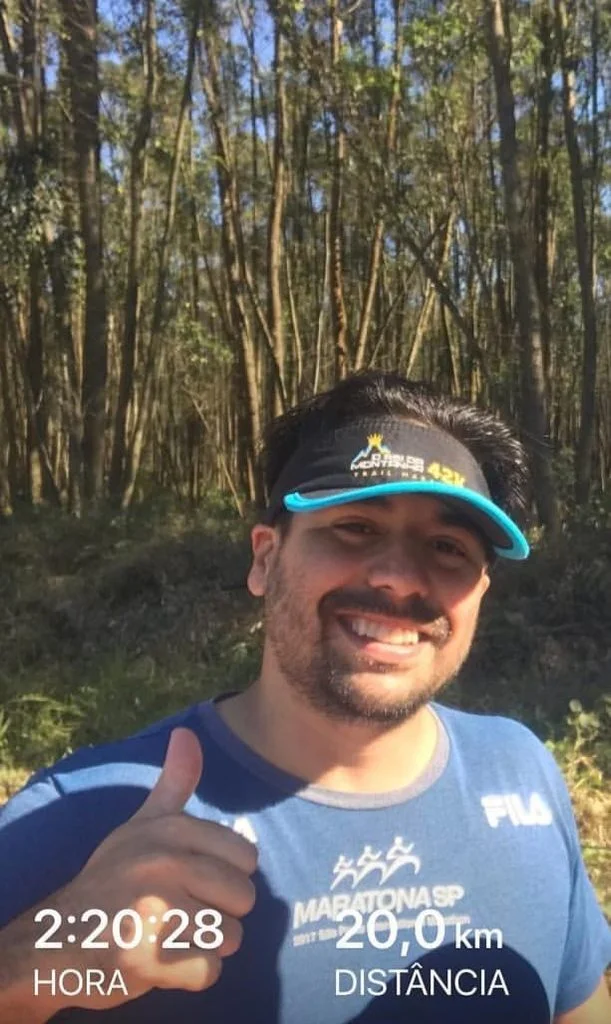
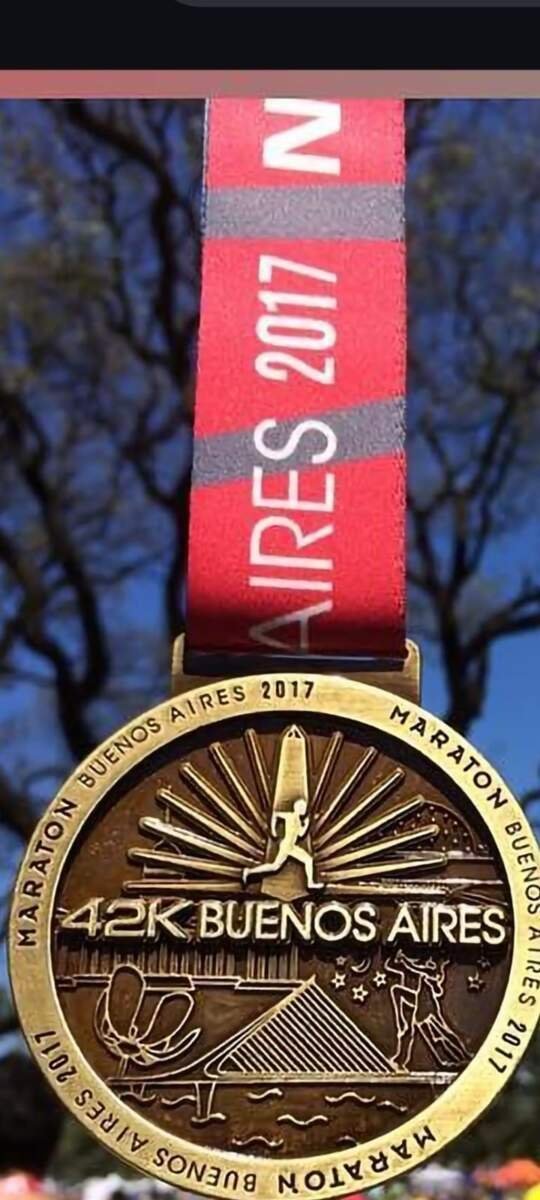
Optimizing the body demands the clinical precision of someone who operated in Radiology (Brazilian Board Certified, CRTR-SP 23595T) for years, combined with the unyielding resilience of someone who conquered multiple 42km+ mountain marathons. At SkyTC, we bridge advanced technical science with extreme practical environments to help you biohack your active performance and structural longevity.
Discover my full professional trajectory →✨ Read also: (How Weak Hips Trigger Chronic Runner Knee Pain: The Clinical Bio-Engineering Blueprint for Joint Longevity)
> A deeply technical piece of content that perfectly complements this post — absolutely worth the read.