
If you have ever owned a pointer, you know the exact split second your heart drops into your stomach. One moment they are working the field, holding a beautiful point, and the next, a flushed bird or a sudden scent line sends them blasting into the dense forest at warp speed. Finding the best GPS trackers for pointer dogs is not just about picking up a cool piece of pet tech; it is about buying yourself absolute peace of mind and preventing a true tragedy. Pointers are elite canine athletes with an nearly unlimited lung capacity and an unstoppable urge to run, which means basic smart tags designed for apartment cats simply will not survive their daily adventures.
Here at skytc, we do not just read product descriptions or rewrite marketing brochures. My name is Valtersky, and while my own dog Murphy is a small Maltese who is perfectly happy sleeping next to my desk while I travel, our testing team lives in the dirt with real gear. One of our core team members is a dedicated pet parent and canine specialist who spends weekends running sporting breeds through dense briars, muddy swamps, and thick mountain brush. We have personally seen tracking collars fail under pressure, snap off during intense runs, and lose signal in deep canyons.
This guide is the raw, unpolished truth about what actually works when your pointer decides to chase a scent across county lines.
In 30 Seconds: The Quick Verdict
If you are taking your dog into deep woods, state parks, or areas with spotty cell coverage, do not buy a cellular tracker. They are useless without active cell towers. You need a dedicated VHF radio-frequency tracking system. It is a premium tier investment and requires you to carry a handheld receiver, but it is the only hardware that works anywhere on earth.
If you are a suburban pet owner whose pointer has a habit of digging under the fence or slipping out of the back gate, go with a high-end cellular GPS tracker. These require a subscription-based tier, but they send instant alerts to your phone and show real-time tracking maps as long as you are in an area with decent cellular coverage. Avoid bargain-bin accessories and cheap Bluetooth tags; they do not have the range to keep up with a pointer.
| Tracker Class | Best Environment | Active Battery Life | Primary Signal Type | Investment Tier | Major Downside |
|---|---|---|---|---|---|
| VHF Radio Systems | Deep Wilderness / Forests | 20 to 30 Hours | MURS Radio Frequencies | Premium Tier Investment | Handheld receiver is bulky to carry |
| Cellular GPS Collars | Suburbs / City Parks | 12 to 72 Hours | LTE Cellular & GNSS | Budget-Friendly to Mid-Tier | Fails completely in areas with no cell towers |
| Hybrid Satellite Systems | Mountainous Remote Areas | 24 to 48 Hours | Satellite & Cellular Networks | High-End Setup | Requires expensive monthly subscriptions |
| Bluetooth Smart Tags | Indoor / Tiny Yards | Not provided for active tracking | Local Bluetooth Only | Bargain-Bin Accessories | Range limit of less than one hundred feet |
Why Standard Tags Fail as the Best GPS Trackers for Pointer Dogs
The fundamental problem with pointers is their raw speed and relentless work ethic. A German Shorthaired Pointer or an English Pointer can easily run at thirty miles per hour. Within three minutes of slipping out of your sight, they can be over a mile away, deep in brush where your voice will not carry. This is why standard tracking tags fail miserably. They rely on other people’s smartphones to ping their location. If your dog is in a state forest, there are no passing strangers with smartphones to update that location.
When you are shopping for the best GPS trackers for pointer dogs, you are looking for a device that actively broadcasts its own location using high-power signals. It needs to survive a dog that crashes chest-first into thick briars, plunges into cold water, and shakes its neck with massive force. Cheap consumer trackers are built for dogs that spend ninety percent of their day sleeping on a sofa. If you put a basic, low-grade plastic clip on a pointer, it will be ripped off the collar by the first wild blackberry bush they dive through.
The Trap: Tim and Buster’s Cautionary Tale
To understand how quickly things can go wrong, let us look at a common mistake pet owners make when trying to save a bit of money on tracking hardware.
Imagine Tim, a proud new owner of an energetic pointer named Buster. Tim wants to keep Buster safe during weekend hikes, so he visits a local big-box store and buys a cheap, coin-sized Bluetooth tracker. The packaging features glowing reviews and claims you can track your belongings anywhere in the world. It seems like a brilliant, budget-friendly workaround.
On their very first trail walk, Buster spots a deer. His hunting instincts instantly override Tim’s frantic recall whistles. Buster vanishes into the treeline. Tim pulls out his smartphone, opens the tracking app, and waits. The screen spinning wheels of the app show a frustrating error: “Searching for signal…”
Because Bluetooth technology only reaches about thirty or forty feet, the connection broke the moment Buster cleared the first ridge. Tim is left standing alone in the woods at dusk, shaking a bag of treats, completely blind to where his dog went. He has to spend the night searching the cold forest floor because he trusted a bargain-bin accessory designed for finding lost car keys rather than a true sporting dog tracking system.
The Reality of the Battlefield
In the marketing videos, GPS collars always work flawlessly. A happy dog runs across a sunny, open field, and a crisp, clean map on a smartphone shows their path with pinpoint precision. In the real world, the battlefield is messy, wet, and incredibly unforgiving to electronic components.
Our skytc team has put dozens of these trackers through absolute hell, and here is what the marketing departments do not want you to know:
The Myth of Ten-Day Battery Life
Almost every cellular GPS tracker advertises a battery life of a week or more. However, this estimation only holds true if your dog is sleeping next to your home Wi-Fi router. The moment the tracker loses the home Wi-Fi connection and switches to active GPS tracking, the battery consumption sky-rockets. If your pointer is actively running in the woods and the collar is constantly polling satellites every few seconds, a battery that supposedly lasts ten days can completely die in less than six hours. If your dog gets lost overnight in freezing winter temperatures, the cold weather will sap that battery even faster, leaving you with a dead tracker when you need it most.
The Waterproof Illusion
Many trackers boast an IPX7 or IPX8 waterproof rating, claiming they can handle being submerged in water. This is fine for a quick splash in a puddle, but pointers love to swim. When a thirty-pound dog leaps off a riverbank into a rushing creek, the sheer dynamic pressure of that impact is far greater than the static pressure used in laboratory waterproof tests. Over time, muddy water forced past cheap rubber seals will slowly corrode the internal circuit boards, leading to sudden, unexplained device failures.
Flimsy Collar Mounts and Snapping Straps
A tracker is only as good as its mounting system. Many popular brands supply soft, flexible silicone sleeves that slide onto your dog’s existing collar. While these are lightweight, they are a massive liability in the brush. When your pointer weaves through thick branches, those branches act like hooks. The silicone stretches, snags on a twig, and the tracker is cleanly stripped off the collar. You end up tracking a stationary device lying under a bush while your pointer is miles away.
Deciding on Your Tech: Cellular vs. VHF Radio
When investing in tracking gear for your pointer, you must choose between two main technologies. Each has distinct advantages and serious drawbacks.
Cellular GPS Tracking Systems
These collars use GPS satellites to find your dog’s position and then send that coordinate to your smartphone app via local cellular networks (like LTE).
- The Praise: They offer unlimited tracking range. If your dog runs five miles away, you can see their exact location on your phone’s map. They are highly compact, lightweight, and offer great features like virtual geofences.
- The Flaw: They are entirely dependent on cell service. If your pointer runs into a deep valley, a dense forest, or a rural county park with no cellular towers, the tracker cannot transmit its coordinates to your phone. You will also be locked into a permanent monthly subscription-based tier to pay for the cellular data usage.
VHF Radio Tracking Systems (MURS)
These systems are what professional hunters and field-trial trainers use. The collar transmits a direct radio signal to a dedicated handheld receiver that you hold in your hand.
- The Praise: They do not require cellular service, Wi-Fi, or monthly subscriptions. They work in the most remote corners of the wilderness, deep canyons, and dense mountain forests. The location updates are incredibly fast, often refreshing every two seconds.
- The Flaw: VHF radio systems are incredibly reliable in deep valley environments where cell signals die completely, but they require you to carry a bulky handheld receiver that feels like walking around with an old brick-style radio. They also represent a major premium tier investment and have a limited physical range (usually up to nine miles in perfect conditions, but often dropping to one or two miles in dense, hilly terrain).
Actionable Checklist for Choosing and Using Tracking Tech
Use this checklist before you take your pointer out into the field to ensure you do not experience a tracking failure.
- Ensure the best GPS trackers for pointer dogs you are considering utilize multi-GNSS technology (meaning they connect to GPS, GLONASS, and Galileo satellite systems) to guarantee rapid satellite acquisition in dense tree cover. Pro-tip: Multi-satellite support prevents signal dropouts when your dog is deep in a ravine.
- Check the cellular network provider used by the collar before purchasing. Pro-tip: If the tracker uses a network that has poor coverage in your specific hiking spots, the collar will be practically useless.
- Replace all flimsy silicone mounting sleeves with rugged, lockable hard-plastic cases or collar-integrated tracking straps. Pro-tip: Heavy-duty collars that thread directly through the tracker housing are virtually impossible for brush to rip off.
- Charge both the tracking collar and your handheld receiver to maximum capacity the night before every long outing. Pro-tip: Cold weather can reduce battery efficiency by up to thirty percent, so never head out with a half-charged device.
- Configure your safe zones and virtual geofences in the app while you are still connected to your home Wi-Fi network. Pro-tip: Setting these up in the field with poor cell service often leads to sync failures.
- Set the refresh rate of the GPS collar to a balanced interval (such as every ten to thirty seconds) rather than every two seconds when hiking. Pro-tip: Ultra-fast polling intervals will drain a full battery in a matter of hours, while a slightly longer interval keeps the tracker alive all weekend.
- Download offline maps for your entire tracking region directly onto your smartphone before you leave your home. Pro-tip: If you lose cell service on your phone, you will still be able to see your dog’s position on top of a detailed topographic map.
- Test the collar’s built-in LED beacon or light feature during daylight hours to ensure it is bright enough for night retrieval. Pro-tip: A strong flashing light on the collar can help you spot a dark-colored pointer in dense brush after dusk.
- Avoid leaving tracking collars on your dog inside the house or near metal obstacles that block satellite signals. Pro-tip: This causes the device to work overtime searching for satellites, draining the battery before you even step outside.
- Inspect the charging contacts and waterproof seals of the tracker after every single wet run. Pro-tip: Wipe away mud and grit with a dry cloth to prevent corrosion on the charging ports.
- Choose a tracker that features some form of auditory or vibration warning signal that you can trigger remotely. Pro-tip: You can train your pointer to turn back or check in whenever they feel the collar vibrate, saving you from chasing them down.
- Verify that the weight of the tracking unit is appropriate for your pointer’s build without restricting their natural head movement. Pro-tip: A collar that is too heavy will chafe their neck and alter their running gait over long distances.
👇 Looking for more performance cheats? Check out our field-tested tactical blueprints:
The Best GPS Dog Trackers with No Monthly Fees
Real battlefield testing: How to keep your dog 100% safe without getting trapped in expensive subscriptions.
Best Smart Litter Boxes: Honest Testing & Review
Say goodbye to the scoop. We test the internal mechanics, odor control, and safety of top smart litter boxes.
Best Smart Feeding & Interactive Toys for City Pets
How to keep your companion happy, engaged, and fed while managing a busy, away-from-home routine.
Common Questions Tired Technicians Get Tired of Answering
Can I just use a cheap Bluetooth tag to track my pointing dog?
No, absolutely not. Stop trying to do this. Bluetooth tags are meant for finding keys inside your living room or locating a backpack left at a coffee shop. They have a maximum range of about thirty to eighty feet. Your pointer can cover that distance in less than two seconds. If your dog runs off into the woods, a Bluetooth tag is completely useless.
Why does my tracker’s battery die so fast when we are out in the woods?
Because the collar is working incredibly hard to stay connected. When your dog enters a forest, the tree canopy blocks satellite signals. The tracker has to boost its internal antenna power to find GPS satellites while simultaneously searching for weak cell tower signals. This double-duty power draw will empty a battery in hours. Turn down the update frequency to save juice.
Do all GPS collars require a monthly fee?
Only the ones that use cellular networks to talk to your phone. If the tracker has an LTE SIM card inside, you must pay a monthly subscription-based tier to cover that cellular data. If you buy a dedicated VHF radio system, there are zero monthly fees because the collar talks directly to your handheld unit over free radio frequencies.
Will a cellular tracker work if we lose phone service?
If your smartphone has no cell service but the dog’s collar does, you cannot see where the dog is because the collar’s data cannot reach your phone. If the collar has no cell service, it cannot upload its position at all. In short: if either device loses cell signal, the tracking system breaks. This is why wilderness hikers must use VHF radio setups.
Is it safe to leave a GPS tracking collar on my pointer all day long?
It is not recommended. These trackers are relatively heavy compared to simple nylon collars and can cause skin irritation or chafing if left on constantly, especially if your dog gets wet. Use the tracker strictly for hikes, hunts, and outdoor training sessions, then take it off when they are resting at home.
Can water damage an IPX7-rated GPS tracking device?
Yes, it certainly can. An IPX7 rating means the device was tested in still water at a shallow depth for thirty minutes. It does not account for a high-energy dog slamming into a lake at full speed, creating high dynamic pressure. Over time, the wear and tear of active hunting will weaken the rubber seals, allowing water to sneak in and fry the electronics.
How far can a VHF radio tracker actually transmit?
While manufacturers love to print impressive numbers like nine or fifteen miles on the box, those are line-of-sight estimates across flat water or desert plains. In the real world—with hills, thick pine forests, and rocky ridges—your actual reliable range will drop to around one to three miles. This is still plenty of distance, but do not expect miracle ranges in deep valleys.
What is the most common reason GPS trackers fail in the field?
Flimsy mounting hardware. Hands down. Owners use cheap rubber bands or plastic clips that snap when the dog busts through thick brush. The tracker falls off, and the owner spends three hours tracking a stationary piece of plastic in a briar patch while the dog is miles away. Always use a collar where the strap weaves directly through the tracking unit itself.
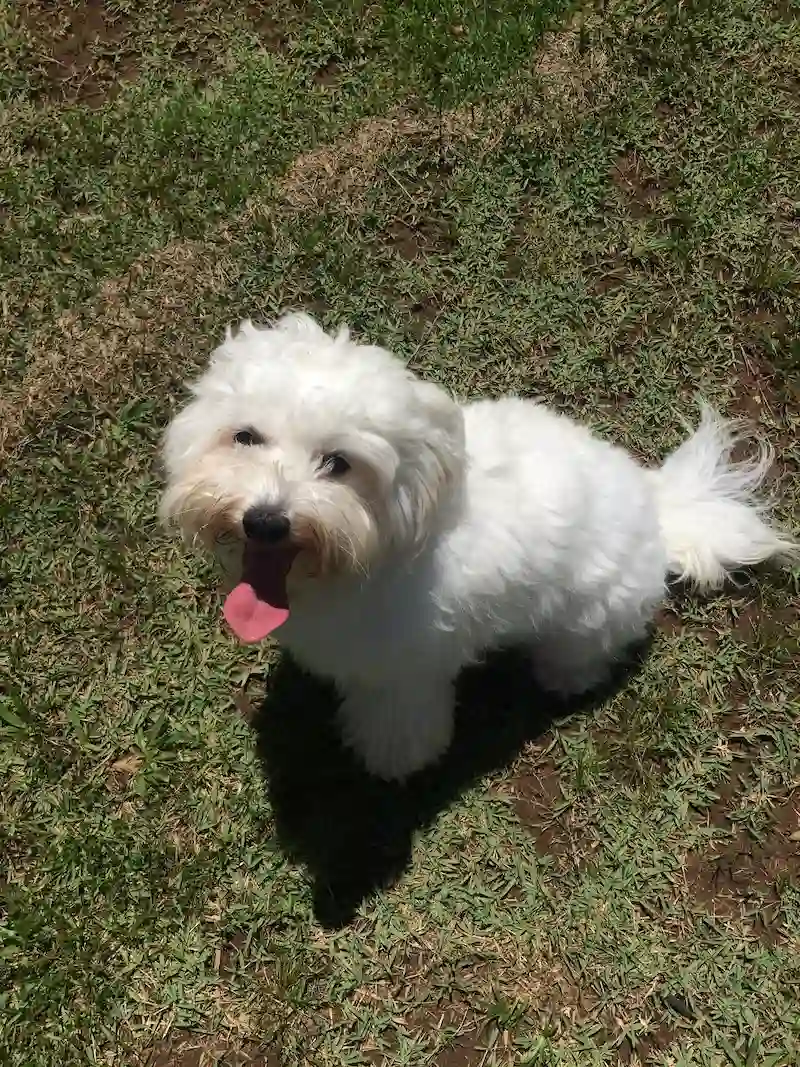 Murphy
 Valtersky
Meet Valtersky & Murphy
FOUNDER OF TEAM SKYTC
At SKYTC, Meet Valtersky & Murphy FOUNDER OF TEAM SKYTCAt SKYTC, cutting-edge pet technology meets real-world testing. We merge Murphy’s hands-on companion trials with Valtersky’s precise analysis—combining over 25 years of structural engineering background with health-tech experience.To guarantee reliability for all breeds, we collaborate with a trusted network of experienced large-breed tutors and active dog handlers who stress-test heavy-duty gear in rugged conditions. We raise the bar for review standards so your best friend gets only the safest, most functional, and highly reliable hardware on the market.
✨ Read also: Top GPS Trackers for Coonhound Breeds
A deeply technical piece of content that perfectly complements this post — absolutely worth the read.