
You are told by mainstream doctors to drink skim milk and do light water aerobics, but your body is quietly losing its structural frame.
If you want to stimulate osteoblasts for stronger bones, you must stop relying on soft, low-grade recovery guidelines and start applying targeted mechanical and biological stress.
It is terrifying to realize your skeleton is growing fragile, especially when you are an active runner, a high-performing professional, or someone aggressively chasing longevity.
You do not have to accept a future of stress fractures, hunched posture, or physical orthopedic limitations.
By mastering the exact physics of osteogenesis and feeding your system the precise biological building blocks it craves, you will build concrete-grade bone mineral density, bulletproof your joints against trail impacts, and save yourself from premature orthopedic failure.
In 30 Seconds: The Raw Verdict Bones only adapt when they are forced to deform under heavy mechanical load.
Ditch the budget-friendly vibration plates and light pink dumbbells that do not tax your skeleton.
If you want true bone remodeling, you must subject your skeletal frame to high-rate axial loading (heavy lifting, dynamic sprinting, or high-impact jumping).
Feed the bone-building cells with natural fats and clean red meat to synthesize the calcium-binding protein matrix.
| Modality | Physiological Mechanism | Skeletal Deformation Score | Equipment Tier | The Catch (The Hard Negative) |
|---|---|---|---|---|
| Heavy Barbell Squats | Creates high-intensity axial compression on the femur and hips. | 10/10 | High-end setups | Requires meticulous form to avoid lower back disc herniation. |
| Plyometric Drop Jumps | Triggers high-rate impact, stimulating rapid bone cell recruitment. | 9/10 | Completely free | Extremely tough on unconditioned tendons and worn-out cartilage. |
| Whole-Body Vibration | Utilizes mechanical oscillation to stimulate muscle spindle reflexes. | 2/10 | Premium tier investment | Most consumer plates lack the amplitude and frequency to trigger osteogenesis. |
| Zero-Drop Sprinting | Delivers multi-directional dynamic shear forces to the tibia. | 8/10 | Budget-friendly options | Will cause stress fractures if introduced without prior calf adaptation. |
| Carnivore-Based Nutrition | Supplies the bioavailable zinc, phosphorus, and lipids required for osteoid. | 10/10 | Mid-tier food budget | Requires skipping processed convenience foods at the grocery store. |
The Battlefield Assessment of Skeletal Interventions
Let’s dismantle the showroom lies surrounding bone-density products.
Every training method and supplement has a structural cost that alters your skeletal biology.
Setup 1: Consumer-Grade Vibration Plates
The Good: They are great for stimulating superficial lymphatic drainage and increasing localized blood flow in fatigued legs.
The Bad: They are a total trap if you buy the bargain-bin accessories.
These low-frequency plates do not generate enough gravitational force (G-force) to bend the bone, rendering them useless for active osteoblast stimulation.
Setup 2: Heavy Barbell Back Squats (85%+ 1RM)
The Good: The direct axial load on your spine and hips triggers a massive osteogenic response, thickening the femoral neck.
The Bad: If your core stabilizers are weak, that heavy barbell acts as a crushing lever.
It will herniate your L4/L5 spinal discs long before the bones of your legs have a chance to adapt.
Setup 3: High-Dose Synthetic Calcium Pills
The Good: They temporarily elevate circulating calcium levels in your bloodstream, satisfying basic clinical blood panels.
The Bad: Without fat-soluble vitamins, this synthetic calcium has no biological roadmap.
It bypasses your skeleton entirely, calcifying your arterial walls and forming painful kidney stones while your bones remain porous.
The Realities of the Battlefield
Maximalist cushioned trail running shoes promise to absorb impact forces and protect your joints from the harsh, technical mountain downhills.
But when those thick, soft foam midsoles hit uneven mud and wet rocks, they completely isolate your foot’s nervous receptors from the ground.
This sensory loss forces your brain to stiffen your leg muscles and strike the earth with significantly more force to find stability.
The marketing videos show runners gliding effortlessly, but the hard negative reality is that this heavy striking pattern sends unattenuated shockwaves straight past the foam.
These shockwaves hit your tibia and femur with high impact, yet the soft shoe prevents the bone from experiencing the localized deformation needed for adaptation.
Instead of building bone mass, you are simply accumulating microscopic structural damage without triggering the piezoelectric effect needed to heal.
The Cardio-Only Skeletal Trap
Let’s analyze a classic post-race habit and bad training program that ruins your bone health: the cardio-only mistake.
You run or cycle for ten to fifteen hours a week, completely exhausted but proud of your high cardio output.
You assume your legs must be made of solid steel because of the sheer volume of miles you log.
This is a biological illusion.
High-volume cardiovascular exercise without heavy resistance work forces your body into a chronic calorie-depleted state.
To maintain neutral blood pH during intense, prolonged sweat sessions, your body will actually leach alkaline minerals from your skeleton.
By avoiding heavy lifting, you deny your bones the high-threshold compressive forces they need to signal osteoblasts to rebuild.
You are essentially running yourself straight into osteopenia, trading cardiorespiratory endurance for a fragile, hollow skeleton.
A Clinical CT Look: How to Stimulate Osteoblasts for Stronger Bones
As a clinical analyst who spent 5 years as an X-ray technician and 2 years in Computed Tomography (CT scans), I have stared directly through the flesh and into the micro-architecture of the human skeleton.
Under a high-resolution CT scan, you can immediately tell the difference between a porous, sponge-like bone and a dense, marble-like structural frame.
The outer layer is the cortical bone, which handles bending and shearing forces; the inner honeycombed structure is the trabecular bone, which handles compressive forces.
To force osteoblasts—the tiny construction workers of your skeleton—to lay down hydroxyapatite crystals in these zones, you need to create a piezoelectric effect.
When a bone experiences heavy compression, the physical crystalline structure bends slightly, generating a tiny, localized electrical current.
This electrical charge recruits osteoblasts to the stressed area to deposit a new, reinforced osteoid matrix.
However, osteoblasts cannot build this structural scaffold without the correct biological raw materials.
This is where dietary calibration is non-negotiable.
Forget the processed carbohydrate bars and synthetic vegan protein powders that dominate active longevity marketing.
Your body needs clean, nutrient-dense red meat and its natural fats.
Saturated fats from beef and marrow provide cholesterol, which is the foundational building block for testosterone, estrogen, and growth hormone—the hormonal drivers of osteogenesis [4].
Furthermore, red meat is packed with bioavailable zinc, phosphorus, and fat-soluble vitamins D3 and K2.
These vitamins act as the biochemical lock and key, directing calcium out of your bloodstream and locking it directly into the bone’s collagen matrix.
I’ve used this exact protocol after running grueling mountain ultramarathons and surviving years of kickboxing sparring—it is the tactical cheat code for skeletal longevity.
The Osteoblast Stimulation Checklist
- Execute heavy weight-bearing exercises to stimulate osteoblasts for stronger bones at least twice a week.
Insider Observation: Lifting at eighty-five percent of your one-rep max generates the high-threshold bone bending required to trigger the piezoelectric effect. - Consume clean, high-fat red meat daily to supply fat-soluble vitamins D3 and K2.
Insider Observation: These animal-sourced vitamins are the biological transport system that deposits circulating minerals into the bone matrix. - Incorporate drop jumps from a sturdy bench to introduce high-rate impact loading.
Insider Observation: Jumping down and landing softly forces your tibia to rapidly deposit mineral mass to handle the high-G deceleration force. - Ditch ultra-padded maximalist trail shoes during your shorter, faster runs.
Insider Observation: Firm-soled shoes restore the natural sensory feedback of your feet, preventing you from overstriking and bruising the bone. - Practice backward sled drags on hard pavement to load the patella and tibia.
Insider Observation: This is the lab macete for building compressive bone density around the knee joint without microtrauma. - Limit your raw cardio volume if you are not actively pairing it with heavy resistance work.
Insider Observation: Excessive chronic endurance training drains your systemic energy reserves, forcing your body to prioritize vital organs over bone remodeling. - Ensure you get regular direct sunlight exposure on your skin without sunscreen.
Insider Observation: Natural ultraviolet light triggers endogenous vitamin D production, which dramatically boosts intestinal calcium absorption. - Perform heavy isometric wall sits with a loaded plate on your lap.
Insider Observation: Holding a deep, pain-free isometric hold for forty-five seconds stimulates osteoblast activity in the femoral neck via continuous compressive force. - Ditch processed seed oils and replace them with beef tallow or real butter.
Insider Observation: Industrial seed oils trigger systemic inflammation, which activates osteoclasts (bone-destroying cells) to break down bone tissue. - Measure your waking heart rate variability (HRV) to gauge central nervous system recovery.
Insider Observation: If your body is in a state of chronic sympathetic stress, osteoblast activity is severely blunted in favor of survival hormones. - Avoid the use of low-grade calcium carbonate supplements sourced from crushed oyster shells.
Insider Observation: Your body cannot absorb these cheap minerals; they simply float in your bloodstream and calcify your vascular system. - Conduct a diagnostic bone-density scan (DEXA) once a year to verify your skeletal progress.
Insider Observation: Never guess your bone density; tracking your T-scores is the only way to prove your training program is actually works.
👇 Looking for more performance cheats? Check out our field-tested tactical guides:
SkyTC Master Hub & Pillar Guides
No-Nonsense Bone Density FAQ
Is drinking skim milk the best way to build strong bones?
No, this is an outdated agricultural marketing myth.
Skim milk lacks the natural saturated fats needed to absorb fat-soluble vitamins like D and K [5].
Without these fats, your body cannot transport the calcium into your bone matrix.
Does running actually cause osteoporosis in the long run?
No, running with proper form and adequate caloric intake actually prevents osteoporosis.
The repetitive impact forces of running signal osteoblasts to thicken your leg bones.
It only causes bone loss if you run while severely under-fueled.
Why are my bones still fragile if I take calcium supplements every day?
Because you are likely lacking the co-factors required for bone mineralization.
Your body cannot use calcium without magnesium, zinc, phosphorus, vitamin D3, and vitamin K2.
Get these minerals in their natural, highly bioavailable form by eating clean red meat.
Can I build bone density by swimming or cycling?
No, swimming and cycling are non-weight-bearing exercises that do not trigger osteogenesis.
While they are excellent for cardiorespiratory fitness, they provide zero mechanical loading to bend the bone.
You must lift heavy weights or perform impact exercises to build skeletal density.
Are high-priced vibration plates worth the premium investment?
Most of them are complete showroom gadget hype.
Cheap consumer-grade plates do not have the displacement or frequency to bend cortical bone [6].
Save your resources and buy a heavy barbell and plates instead.
How does stress affect my bone mineral mass?
Chronic stress floods your system with cortisol, which is highly catabolic.
Cortisol directly inhibits osteoblasts from building new bone and stimulates osteoclasts to break down your existing skeleton [7].
Manage your stress to keep your bones from wasting away.
Does a carnivore diet provide enough calcium for bone building?
Yes. While meat is low in calcium compared to dairy, it is incredibly rich in phosphorus, magnesium, zinc, and protein.
These elements form the essential collagen matrix that holds minerals together.
Furthermore, a high-fat carnivore diet dramatically increases the absorption efficiency of dietary calcium.
What is the fastest way to trigger osteoblast activity in the hips?
Heavy, loaded carries like the farmer’s walk.
Carrying heavy weights in each hand forces your hips and pelvis to stabilize under immense, continuous axial compression.
This is the ultimate field-tested method to stimulate bone growth where you need it most.
Why Trust SkyTC Biohacking Curation?
At SkyTC, we treat the human body as your most valuable technology. We are not just a recommendation site; we apply a rigorous clinical and practical screening process to ensure that each recommendation optimizes your biology with safety and real-world results.
✓ Technical Expertise:
Clinical experience in Radiology and Tomography (CT scans). We analyze methods through the lens of bone health and structural integrity.
✓ Specialization:
Focus on real-world biohacking. We test every wearable and supplement at the absolute limit of effort during marathons and on the mats.
✓ Authority:
Curation based on absolute transparency, always highlighting both the positive advantages and the real drawbacks of every technology.
✓ Trust:
A curation process built directly on the professional experience of a field practitioner, speaker, and high-performance leader coach.

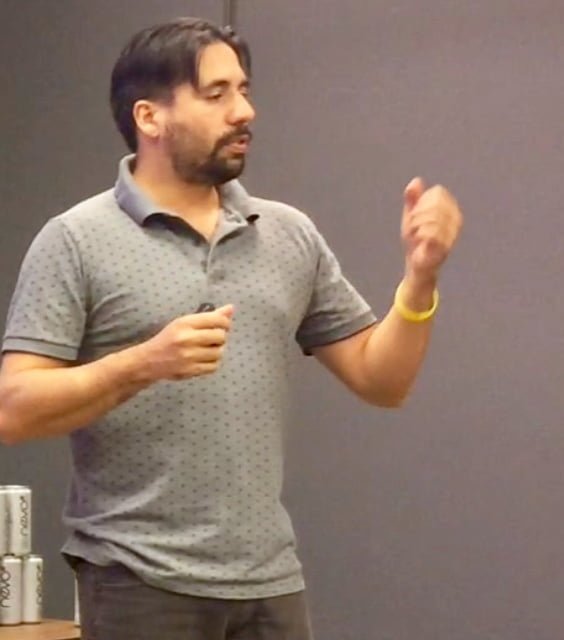
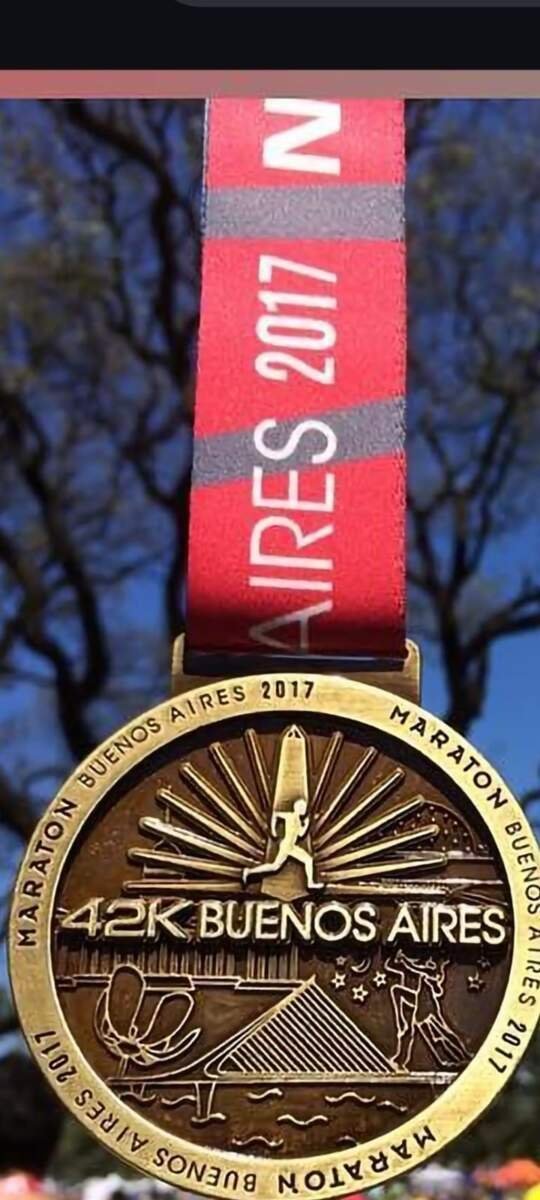

Optimizing the body demands the clinical precision of someone who operated in Radiology (Brazilian Board Certified, CRTR-SP 23595T) for years, combined with the unyielding resilience of someone who conquered multiple 42km+ mountain marathons. As an active professional, multi-pet handler, and tech benchmark researcher, at SkyTC, we bridge advanced technical science with extreme practical environments to help you biohack your active performance, optimize smart pet-tech ecosystems, and protect your structural longevit
Discover my full professional trajectory →✨ Read also: How Running Form Affects Bone Mineral Mass: Clinical Skeletal Truths
A deeply technical piece of content that perfectly complements this post — absolutely worth the read.