
When you are staring at multiple monitors, watching candles tick by, you cannot afford to have your gear lag or drop inputs. Investing in the best full size custom mechanical keyboards for day traders is the single smartest move to eliminate costly misclicks and speed up your order execution. Every millisecond counts when a breakout happens, and your inputs must register instantly.
I get it. You are probably completely frustrated with those flashy “gaming” boards that look like a spaceship but feel like wet cardboard. You want a professional tool, not a cheap toy that squeaks when you press the spacebar.
Having a heavy-duty, ultra-reliable typing deck gives you absolute peace of mind, knowing that every single macro, hotkey, and buy order executes exactly when your brain triggers it. No double-typing, no missed keys, and no flimsy plastic sliding across your desk.
Just last month, a local trader came into my shop sweating bullets because his cheap wireless plastic keyboard went to sleep mid-trade, costing him a massive chunk of change. I threw his fancy “mainstream” board straight into the bin and built him a solid, gasket-mounted aluminum tank. He hasn’t missed a tick since.
In 30 Seconds: The Quick Verdict
If you are in a rush and need a bottom-line answer, here is the deal from the repair shop counter: Stop buying cheap plastic office keyboards. You need a full-size deck with a dedicated numpad for lightning-fast price entries and zero-latency wired connectivity.
Buy the Keychron Q6 Max if you want a premium, heavy-aluminum tank right out of the box. If you want top-tier quality but are on a budget, grab the MonsGeek M5 barebone kit and pop in your own switches. Avoid mainstream gaming brands like the plague; they charge a premium for fancy RGB lights while using low-grade stabilizers and hollow cases that sound like an angry typewriter.
The Critical Error: Why Cheap Keyboards Cost You Capital
Let’s look at a classic mistake. Meet Sarah. Sarah decided to save some cash by using a sleek, battery-powered office keyboard she found in a bargain-bin online. One morning, a high-growth stock she’d been tracking broke through a key resistance level. She smashed her hotkey to execute a market buy.
But guess what? The keyboard’s aggressive power-saving mode had kicked in to save its cheap battery. By the time the board woke up and registered the keystroke, the price had already spiked. She got filled at the absolute top of the wick, turning what should have been an easy win into an immediate loss.
Cheap membrane keyboards and low-grade wireless decks use flimsy contact sheets and weak transmitters. They suffer from key chatter (double-registering keys) and latency drops. When you are typing share sizes, a double-registered zero can turn a standard position into a account-destroying disaster.
Why Full Size Custom Mechanical Keyboards for Day Traders Matter
To trade efficiently, a full-size layout is a non-negotiable tool. While compact keyboards free up desk space, they lack the dedicated physical number pad, forcing you to use the awkward top number row where typos run rampant.
A custom mechanical keyboard allows you to choose the exact weight of your switches, the material of your plate, and the layout of your keymaps. This level of customization ensures that your fingers never feel fatigued, even after an eight-hour session of intense charting.
Furthermore, custom boards use hot-swappable sockets. This means if a single switch fails after millions of presses, you can pop it out and replace it in ten seconds. On a standard prebuilt board, a single dead switch means the entire keyboard goes into the trash.
The Reality of the Battlefield: Marketing vs. Hard Truth
Mainstream brands love to promise “lightning-fast optical switches” and “aircraft-grade aluminum plates” to make their boards sound like military hardware. But let’s look under the hood.
The marketing claims look incredible on paper; however, the hard truth is that most prebuilt keyboards are hollow plastic tubs with a paper-thin metal sticker on top. The stabilizers under the spacebar and shift keys are usually bone-dry, causing them to wobble, rattle, and occasionally stick when pressed off-center.
Additionally, the keycaps are often cheap ABS plastic that absorbs finger oils. Within months of heavy trading, they turn into a shiny, slippery mess that makes your fingers slide off the keys. If your keyboard moves when you press a hotkey, it is a liability, not an asset.
Comparing the Top Full-Size Contenders
To help you cut through the marketing noise, I have put together a breakdown of the top full-size custom mechanical keyboards on the market. These are ranked by their structural integrity, latency, and overall build quality.
| Model | Layout Size | Case Material | Mounting Style | Latency (Wired) | Best For |
|---|---|---|---|---|---|
| Keychron Q6 Max | 100% Full-Size | CNC Aluminum | Double-Gasket | Ultra-Low (1ms) | Premium Out-of-Box Performance |
| MonsGeek M5 | 100% Full-Size | CNC Aluminum | Gasket Mount | Low (2ms) | DIY Enthusiasts on a Budget |
| Epomaker RT100 | 98% Compact | Thick ABS Plastic | Gasket Mount | Moderate (varies by model) | Desk Space Savers |
| Leopold FC900R | 100% Full-Size | Double-Shot Plastic | Tray Mount | Low (not informed) | No-Frills Classic Typing |
Detailed Breakdown of the Top Contenders
Keychron Q6 Max
This board is an absolute tank. It is carved out of a solid block of CNC aluminum, meaning it will not budge an inch on your desk, even if you smash the keys during a stressful market reversal. It features hot-swappable sockets, southern-facing RGB (which is great for seeing your keys in a dim room), and dual-gasket mounting for a soft, cushioned typing experience.
Although the CNC aluminum body is incredibly robust, it weighs over five pounds, making it a nightmare to pack if you trade while traveling. But for a dedicated home office setup, it is easily the gold standard.
MonsGeek M5
If you want the premium feel of solid aluminum without paying a massive premium, the MonsGeek M5 is your best bet. It is sold as a barebones kit, meaning you get the heavy case, the circuit board, and the stabilizers, but you choose your own switches and keycaps.
While the build quality easily rivals boards double its price, you have to buy and install your own switches and keycaps, which can be intimidating for absolute beginners. However, the assembly process is incredibly simple and teaches you exactly how your gear works.
Epomaker RT100
For those who want to save a tiny bit of desk space without sacrificing the numpad, the RT100 offers a 98% layout. It packs all the essential keys closer together and features a fun retro design with a customizable mini smart screen that can display system temperatures or custom animations.
Although the mini smart screen is a fun gimmick for monitoring your CPU, the driver software is notoriously buggy and can crash randomly. The case is also made of plastic, which feels significantly cheaper than the solid aluminum frames of the Keychron or MonsGeek.
Leopold FC900R
Leopold is legendary in the mechanical keyboard world for building some of the most reliable prebuilt boards on earth. They do not care about flashy lights or fancy software; they focus entirely on exceptional build quality, sound-dampening foam, and the best double-shot PBT keycaps in the industry.
Although the typing feel and keycaps are world-class, the FC900R is not hot-swappable, meaning you are stuck with whatever switches you buy. If a switch dies, you will need a soldering iron to fix it, which is a major drawback for long-term maintenance.
Switch Selection: Linear vs. Tactile vs. Clicky
Choosing the right switch is just as important as choosing the keyboard frame. Switches dictate how much force is required to register a keypress and what kind of physical feedback you get.
- Linear Switches: These are smooth from top to bottom with no tactile bump. They are incredibly fast for rapid double-tapping; however, they lack physical feedback, which can lead to accidental keypresses if your fingers rest too heavily on the home row.
- Tactile Switches: These feature a distinct bump right at the actuation point. They are excellent for precision typing because you can feel exactly when the key registers; however, they can feel slightly heavier and tiring during long, high-activity trading sessions.
- Clicky Switches: These make a loud, high-pitched click on every press. While they offer incredible audio feedback, the noise will absolutely drive your family, pets, or Zoom call participants completely insane. Avoid these unless you trade in a soundproof bunker.
How to Set Up Your Custom Keyboard for Trading Success
Once you get your hands on a quality keyboard, you need to configure it to maximize your efficiency. Here is a simple, step-by-step guide to setting up your new deck.
First, flash your keyboard’s firmware using VIA or QMK software if your board supports it. This allows you to remap any key on the board at the hardware level, meaning your custom hotkeys will work on any computer without needing background software running.
Second, configure your numpad for your specific trading platform. Map common share sizes to the numpad keys (e.g., mapping the “+” key to buy 100 shares and the “-” key to sell 100 shares). This eliminates the need to manually type numbers during fast-moving plays.
Third, use high-quality, thick PBT keycaps. PBT plastic does not wear down or get shiny over time like cheap ABS plastic does, ensuring that your keys maintain their texture and grip during sweaty, high-stress trading days.
Actionable Execution Checklist
- Prioritize **full size custom mechanical keyboards for day traders** that feature heavy-duty aluminum chassis; heavy cases prevent the board from sliding around your desk during intense trading sessions.
- Ensure the keyboard supports hot-swappable switches; this allows you to replace a faulty switch in seconds without needing a soldering iron.
- Opt for double-shot PBT keycaps; they prevent key legends from wearing off over years of heavy use, though they do limit the brightness of RGB lighting.
- Stick to a wired connection during trading hours; wireless is convenient, but the risk of battery failure or signal interference is a structural risk you do not need.
- Choose linear switches with a medium actuation force; they offer rapid inputs, but you must be careful not to rest your heavy fingers on them.
- Lubricate your stabilizers with high-quality grease; dry stabilizers rattle terribly and can cause larger keys like the spacebar to stick.
- Program hardware-level macros using VIA or QMK; this saves your settings directly to the keyboard’s memory, though the software interface can have a steep learning curve.
- Add sound-dampening foam inside the case; this eliminates hollow echoing, although it can slightly reduce the overall flexibility of a gasket-mounted board.
- Clean your keyboard with compressed air once a month; dust and crumbs can get inside switch housings and cause keys to double-register or fail.
- Keep a spare set of switches in your desk drawer; if a key stops registering mid-week, you can swap it out instantly instead of waiting for a delivery.
- Map your most frequent order types to the physical numpad; this reduces hand movement and speeds up your execution, though it requires some muscle memory training.
👇 Looking for more performance cheats? Check out our field-tested tactical blueprints:
Guides for Your Next Workspace
Professional Laptops
The definitive blueprint to selecting high-performance, enterprise-grade workstations engineered to scale your productivity.
Budget Tech Tools
Practical strategies and low-cost digital tools engineered to maximize office performance without breaking your budget.
Power User Gadgets
Advanced hardware, desk automation tools, and elite tech ecosystems built to completely eliminate workflow bottlenecks.
FAQ: Brutally Honest Answers from the Repair Bench
Are wireless mechanical keyboards safe for day trading?
No, they are a massive liability. Wireless tech has come a long way, but batteries die at the worst times, and 2.4GHz dongles suffer from interference when you have multiple monitors and devices running. Run a high-quality wired connection during market hours. Save the wireless mode for casual weekend browsing.
Can I just buy a cheap membrane keyboard if I am careful?
Sure, if you do not mind risking your trading capital. Membrane keyboards use cheap conductive plastic sheets that degrade over time. They suffer from ghosting, meaning if you press multiple hotkeys at once, some inputs will simply get lost in transit. Do not trade on bargain-bin gear.
Why does everyone recommend heavy aluminum keyboards?
Because weight equals stability. A light plastic keyboard will slide around your desk when you start getting aggressive with your keystrokes. A solid five-pound aluminum deck stays exactly where you put it, ensuring your hand placement remains perfect during high-stress market moves.
Do custom mechanical keyboards require constant maintenance?
Absolutely not. Once you build or buy a solid custom board, it is virtually indestructible. The only maintenance is dusting it occasionally and swapping out a switch if one fails after years of use. It is a long-term tool built to last a decade, unlike cheap prebuilt boards.
What are hot-swappable sockets and why should I care?
They are sockets on the keyboard’s circuit board that allow you to plug switches in without soldering. If a switch gets dirty or dies, you pull it out with a little tool and pop a new one in. Without hot-swap, a single dead key means you have to throw the whole keyboard away or buy a soldering rig.
Are loud clicky switches good for trading?
Only if you live entirely alone and want to drive yourself crazy. Clicky switches sound fun for about five minutes, but after thousands of clicks a day, the high-pitched noise becomes incredibly annoying. Stick to smooth linear switches or quiet tactile switches. Your household will thank you.
What is the difference between ABS and PBT keycaps?
ABS is cheap, thin plastic that gets shiny and greasy from your skin oils within a few months. PBT is a dense, textured plastic that resists oil and wear. Always buy PBT keycaps if you want your keyboard to maintain its grip and look professional for years.
Do I need to install bloated software to run custom hotkeys?
Not if you buy a board that supports QMK or VIA. These keyboards save your custom key layouts and macros directly to the keyboard’s onboard memory chip. You configure it once on a website, and those settings work on any computer instantly without running background software.
Why Trust SKYTC Curated Gear?
At SKYTC, we simplify technology for you. We aren’t just another deals site; we are hardware experts obsessively focused on elite performance.
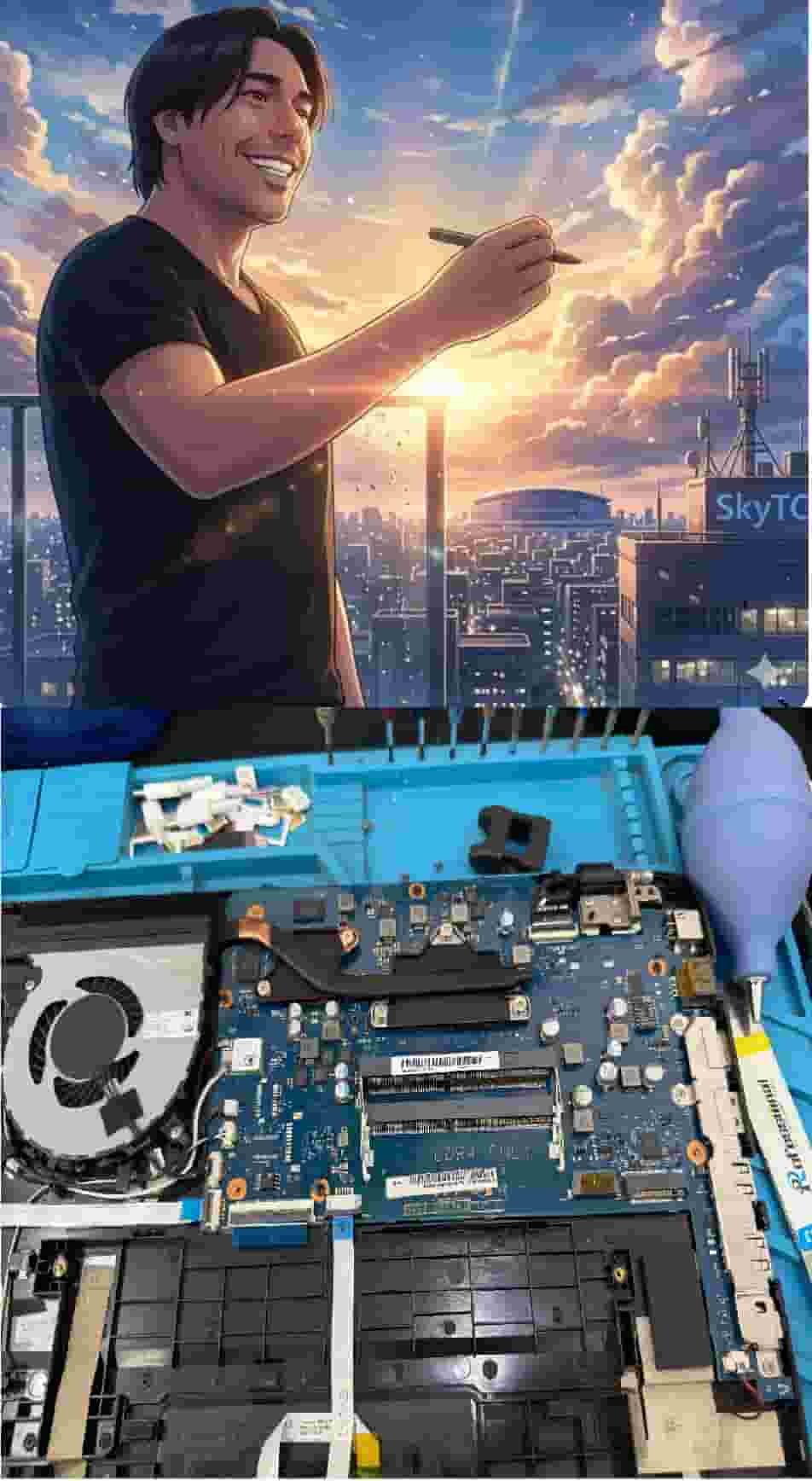
Technical Bio: Hardware & Laptops
“At SkyTC, technology is driven by engineering precision and real field experience. I am Valtersky, and I bring a unique background to the bench: from professional woodworking, the eye for structural integrity; from radiology, an absolute obsession with microscopic details.
As an ultra-endurance marathon runner, I don’t just browse store windows. I tear machines down, run intensive stress tests on thermal dissipation, and validate the actual build quality of every single component. My mission is to translate complex tech engineering and tech finances into smart decisions for your workflow.
Here, we speak straightforward, jargon-free English with the authority of someone who knows exactly what is inside the chassis.”
✨ Read also: Best Low Profile Mechanical Keyboards for Tech Managers
Content that perfectly complements this guide — highly recommended reading.