

When you have a two-hundred-pound Mastiff roaming your acreage, you are not managing a regular canine; you are anchoring an apex guardian with the physical mass of a grown heavyweight fighter. Selecting the best GPS dog trackers for Mastiffs is not about counting steps or earning digital community badges; it is a high-stakes tactical necessity to stop a massive, heat-sensitive animal from vanishing into backcountry terrain.
Mastiffs present an absolute nightmare for standard consumer electronics. Their colossal cervical circumference, thick dermal folds, and heavy swinging dewlaps act as biological radio dampeners. Clip a delicate, bargain-bin plastic tracker to a twenty-eight-inch neck, and within three hours, your dog’s thick coat and constant slobber will choke the antenna, rot the mounting bands, or ground the signal completely.
Valtersky here. While my Maltese Murphy is the pint-sized king of my travel schedule, our field-testing network includes dedicated giant-breed handlers and multi-pet households across our community. Through our skytc trials, we put tracking equipment through pure mechanical torture on English Mastiffs, Bullmastiffs, and Neapolitan powerhouses to see what cracks under authentic biological stress.
We have watched giant guardian breeds snap plastic retention clips like brittle matchsticks, crush delicate tracking pods against fence posts, and fry charging ports with viscous slobber. Investing in genuine heavy-duty satellite hardware right now preserves your sanity, spares your dog from acute neck dermatitis, and protects thousands in long-term emergency search and veterinary trauma costs.
Flash Exposure: The Canine Instinct Summary
Here is the straight counter-talk from the technical bench: ninety percent of commercial pet trackers are an absolute joke on a Mastiff. The sheer volume of fluid and muscle tissue in a giant dog’s neck absorbs high-frequency radio waves. If your tracker rotates downward under that massive jaw, your satellite uplink dies right when your dog hits heavy timber.
Skip the cheap silicone slide-on cases and decorative nylon straps. You need a dedicated top-mount tracking module bolted to a rigid two-to-two-and-a-half-inch biothane duty collar rated for over eight hundred pounds of tensile pull. Look for dual-constellation satellite receivers (GPS and GLONASS/Galileo), hermetically sealed IP68 casings that laugh off mud and drool, and firmware that pushes aggressive location pings without locking up your smartphone app. If it is built out of thin plastic, do not even bother.
Technical Comparison Table
| Tracker Architecture | Tensile Rating | RF Dewlap Clearance | Ingress Sealing | Signal Architecture | Cervical Pressure Load |
|---|---|---|---|---|---|
| Tactical Plate Top-Rig (2.5″ Biothane) | Exceeds 1,000 lbs | Superior (Fixed Dorsal Lock) | Hermetic IP68 Submersible | Multi-GNSS & 4G/LTE-M | Low (Broad Load Distribution) |
| VHF Long-Range Radio Collar | Exceeds 900 lbs | High (Rigid External Antenna) | Industrial Water-Sealed | Direct RF & Dual-Satellite | Moderate (Counterweight Hull) |
| Consumer Clip-On Pod | Under 120 lbs | Catastrophic (Spins to Throat) | Basic IP67 (Slobber Risk) | Single-Band GPS & Cellular | High (Point-Load Pinching) |
| Reinforced Modular Strap Sleeve | Varies by model | Moderate (Prone to Shifting) | Hermetic IP67 | Multi-GNSS & Bluetooth | Low (Flexible Polymer) |
| Hybrid Satellite Mesh Collar | Unreported | High (Top-Mounted Array) | Varies by model | Dual-Band LoRa & Satellite | Moderate (Wide Webbing) |
The Bare-Metal Trial: Pros, Cons, and Real-World Wear
Giant-breed gear requires serious industrial engineering. What holds up on a Labrador will get utterly destroyed when a Mastiff decides to use a pine tree as an scratching post. Here is the unfiltered breakdown of how the primary GPS tracking configurations handle giant-breed reality.
1. Dorsal Plate-Mounted Satellite Rigs
These systems bolt directly through wide, thick biothane straps, locking the tracking module permanently at the top of the dog’s neck, directly behind the occipital crest.
The Good: Unrivaled satellite visibility. By securing the hardware on the dorsal side of the cervical spine, the GPS patch antenna maintains a direct line of sight to the open sky, completely eliminating the signal-blocking moisture of the dog’s chest folds. The wide strap distributes mechanical pressure evenly, preventing tracheal bruising.
The Bad: Bolting down a heavy-duty tracking pod on a two-and-a-half-inch collar turns your dog’s neckware into a serious piece of hardware. If you do not balance the counterweight correctly, the assembly will constantly tilt to one side, driving your dog crazy and wearing a bald spot in his coat.
2. High-Power VHF Radio Tracking Collars
The tactical cheat code for tracking in remote, deep-woods terrain where cell towers do not exist, transmitting direct telemetry to an offline handheld device.
The Good: Zero cellular dead zones, zero monthly subscriptions, and absolute real-time updates without cellular tower latency. The casings are built out of indestructible ballistic polymers designed to survive bear encounters and barbed wire.
The Bad: It looks and feels like an industrial mining tool. The stiff whip antenna can irritate a Mastiff’s broad shoulders during a trot, and if you leave the handheld receiver in your truck cab, you are tracking blind in the middle of nowhere.
3. Flexible Silicone Pod Sliders
Consumer-tier tracking pods pushed into soft elastomer bands that slide over standard store-bought dog collars.
The Good: Extremely lightweight, affordable entry into pet tracking, and effortless to charge on a desk using basic magnetic cables.
The Bad: An absolute safety trap on a giant dog. Mastiffs generate massive kinetic inertia; the first time your dog plows through dense underbrush or roughhouses with another guardian breed, those silicone loops rip like tissue paper, tossing your expensive electronics deep into the mud.
The Wear and Tear Sheet: Jaw and Chassis Stress Tests
Manufacturers constantly brag about impact-resistant polycarbonate casings on their glossy websites. However, three hundred pounds of incidental crushing force from a Mastiff leaning against a heavy timber gate will crack standard sonic-welded plastic housings clean down the middle.
Marketing brochures love to promote magnetic pin charging as a modern convenience. Yet, when a Mastiff’s thick, alkaline drool and damp neck oils coat those exposed brass pins, galvanic corrosion sets in within thirty days, permanently ruining the electrical contacts.
Quick-release plastic buckles look sleek and operate fast during indoor trials. Unfortunately, when a hundred-and-eighty-pound dog spots a deer and lunges forward, the dynamic kinetic shock sheers the tiny plastic retaining teeth, turning your tracking collar into a loose projectile.
Brands market ultra-sensitive activity monitors designed to track daily calorie burn and sleep cycles. Nonetheless, when fitted onto a deep-chested giant breed, the heavy dermal movement produces massive mechanical noise on internal accelerometers, logging completely inaccurate rest data.
Hypothetical Failure Scenario: The Dewlap Dead-Zone
Consider Tom and his hundred-and-ninety-pound English Mastiff, Samson. Tom purchased a popular consumer-grade cellular tracker that snapped onto Samson’s standard one-inch nylon collar using a flexible rubber clip. The smartphone app looked slick, and setup took five minutes.
During an evening hike along a creek line, Samson wandered off to investigate a scent. Because the heavy tracker sat loose on a narrow collar, gravity did its job: the pod slid straight down to the lowest point under Samson’s throat, completely buried between two deep, wet skin folds.
The moisture-dense tissue of Samson’s dewlaps acted as a natural microwave dampener, immediately suffocating the cellular antenna. Tom pulled up his phone only to see a stale location ping from twenty-five minutes ago, while the app displayed an endless searching loop.
Meanwhile, as Samson lumbered through a tangle of briars, a thorn caught the flexible rubber bracket, snapping it loose and burying the tracker in deep silt. Tom spent six desperate hours scouring the dark woods for an exhausted, overheating giant breed, all because the tracking chassis lacked a dorsal locking plate.
Keep exploring
If this guide helped, these related pet-care guides can help you take the next practical step.
Related Guides You May Find Helpful
The Core Scan: Durability and Clearance Checklist
Select the best GPS dog trackers for Mastiffs with dorsal plates.
Expert Tip: Locking the receiver securely behind the ears keeps the antenna pointed skyward, preventing liquid-dense neck folds from attenuating critical satellite frequencies.
Utilize collars with a minimum two-inch width footprint.
Expert Tip: Narrow collars act like wire garrotes against a massive Mastiff trachea; broad straps distribute heavy mass evenly and prevent severe soft-tissue friction.
Demand full IP68 water and drool submergence ratings.
Expert Tip: Giant breeds produce thick, enzymatic saliva that easily bypasses basic splash-resistant seals, corroding circuit boards within weeks.
Verify direct multi-constellation GNSS hardware onboard.
Expert Tip: Single-network GPS setups lose tracking lock under dense forest cover; integrating Galileo and GLONASS cuts cold-start satellite acquisition down to seconds.
Replace all plastic hardware with forged steel roller buckles.
Expert Tip: The explosive inertia of a two-hundred-pound animal will instantly fracture standard plastic side-release buckles under sudden forward drive.
Avoid exposed magnetic pin connectors without rubber port plugs.
Expert Tip: Salt from canine sweat and swamp mud creates galvanic short circuits across open charging terminals, killing internal battery charging logic.
Inspect biothane webbing weekly for deep stress micro-cracks.
Expert Tip: Constant exposure to high-viscosity drool and ground sand hardens synthetic polymers, creating micro-fractures that snap under high mechanical tension.
Configure aggressive geofence alerts with zero network latency.
Expert Tip: A giant breed covers massive ground with deceptively slow strides; delayed cellular alerts mean your dog could already be half a mile past highway boundaries.
Remove wide tactical collars during indoor recovery cycles.
Expert Tip: Giant breeds possess thick undercoats that trap moisture; leaving wide collars on around the clock breeds hot spots and fungal neck infections rapidly.
Test off-grid radio fail-safes in nearby river basins.
Expert Tip: Identify geographical dead zones in your local territory before an emergency strikes to confirm how your system performs without cellular towers.
Apply thread locker compound to all mechanical mounting screws.
Expert Tip: The violent head-shaking typical of giant breeds loosens standard machine screws, sending expensive satellite pods tumbling into the grass.
The K9 Stress-Test FAQ: Clear-Cut Field Explanations
Why do Mastiff dewlaps block GPS satellite and cellular signals?
Water and dense biological tissue naturally attenuate high-frequency radio waves. A Mastiff’s neck carries pounds of thick skin, fluid, and muscle. When a tracking module slides under the throat, that biological mass forms a physical shield between the internal patch antenna and the sky, dropping satellite lock completely.
Can a two-and-a-half-inch wide tracking collar cause neck hot spots?
Yes, if left on a resting dog indoors. Mastiffs drool heavily and trap moisture inside their deep coat folds. Wide, non-breathable collars trap that dampness against the skin, triggering severe bacterial pyoderma within forty-eight hours. Always remove wide tactical tracking gear once the dog is secure inside your home.
Are Bluetooth tracking tags acceptable for giant guardian breeds?
No. Bluetooth tags rely on nearby smartphones to bounce their location to the cloud. If your Mastiff wanders onto rural acreage, timber land, or an empty road, there are zero phones around to ping it. You need real-time, active satellite positioning backed by independent cellular or direct VHF radio power.
What tensile break-strength is mandatory for a Mastiff collar?
Never run hardware rated under eight hundred pounds of tensile break-force. When a two-hundred-pound dog lunges or trips into a dead drop, dynamic kinetic shock easily spikes past four times his static body weight. Low-tier alloys and plastic buckles will sheer clean off under that load.
How does canine slobber permanently ruin GPS tracker charging ports?
Mastiff drool is packed with digestive enzymes and alkaline minerals. When it coats exposed brass charging pins, the ambient electrical potential causes aggressive galvanic corrosion. The metal oxidizes, turns green, and permanently blocks power transfer, effectively bricking your hardware.
Do Mastiffs actually benefit from integrated health and sleep tracking?
Tremendously. Mastiffs are highly prone to joint dysplasia, dilated cardiomyopathy, and bloat. Sudden spikes in nighttime restlessness, broken sleep cycles, or drops in resting mobility provide an early warning sign of severe systemic pain long before a stoic giant breed shows visible limping.
Why do plastic quick-release buckles consistently fail on giant breeds?
Standard quick-release buckles rely on thin plastic prongs that flex into a slot. Giant breeds generate massive lateral torque when shaking their heads or lunging. That directional twisting force flexes the prongs past their plastic deformation limit, snapping them instantly.
What should I do if the GPS collar keeps sliding down toward the chest?
Switch to a counterbalanced collar system or a custom plate mount built onto stiff biothane. Stiff biothane maintains its oval structure against the neck, preventing the tracker from spinning freely under the dog’s throat. Never over-tighten a collar to fix slipping; fix the hardware architecture instead.
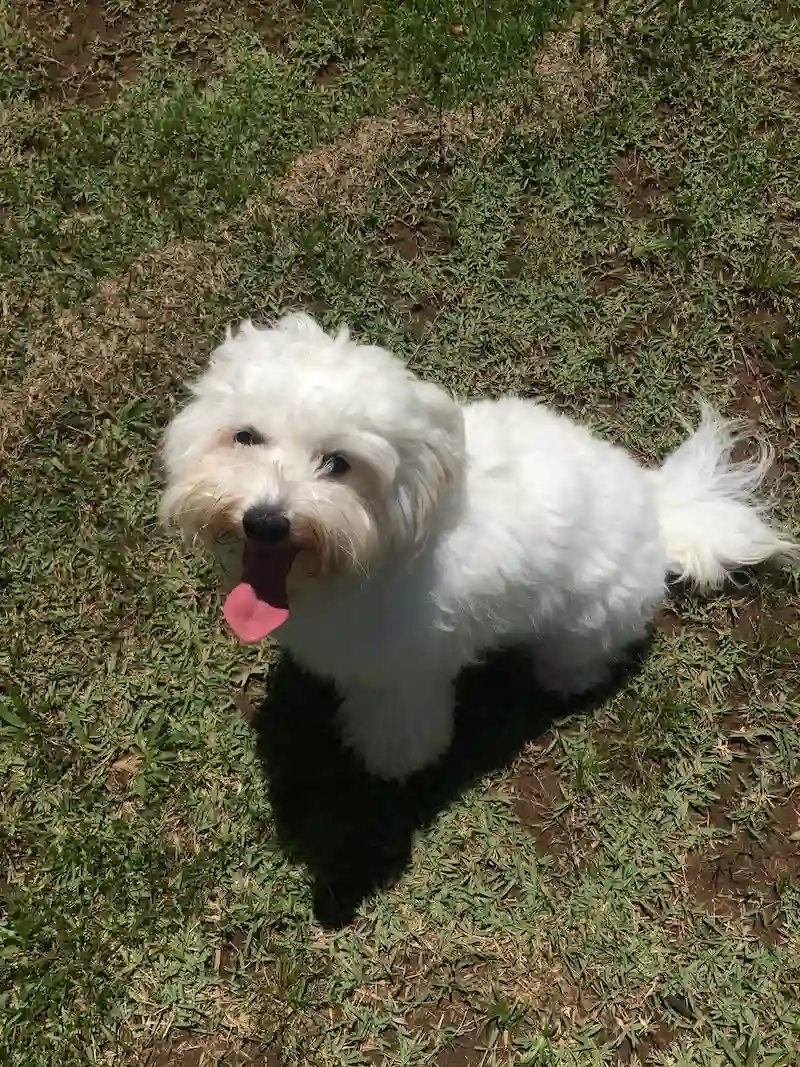 Murphy
 Valtersky
Meet Valtersky & Murphy
FOUNDER OF TEAM SKYTC
At SKYTC, cutting-edge pet technology meets real-world testing. We merge Murphy’s hands-on companion trials with Valtersky’s precise analysis—combining over 25 years of structural engineering background with health-tech experience. To guarantee reliability for all breeds, we collaborate with a trusted network of experienced large-breed tutors and active dog handlers who stress-test heavy-duty gear in rugged conditions. We raise the bar for review standards so your best friend gets only the safest, most functional, and highly reliable hardware on the market.
RAW MITOCHONDRIAL WARNING: Continuous exposure to unshielded high-frequency wireless telemetry positioned directly against endocrine-dense cervical glands degrades autonomic biomarker recovery, spikes cellular cortisol stress, and compromises deep-phase neuromuscular regeneration across active working canines.