

You know that sickening, pinpoint throb deep inside your lower leg or the arch of your foot. You spent eight weeks parked on the couch wearing a clunky plastic boot, paid high-tier resources for diagnostic imaging, and convinced yourself your skeleton was fully healed. Then, four weeks into your comeback training block, that deep, hot ache creeps right back into your bone. If you are fighting to stop recurring runner stress fractures from ending your athletic pursuits, you need to understand that passive rest does not fix fragile bone architecture.
Most runners treat bone cracks like bad weather—unlucky events that just require time off and softer shoes. In my five years as a clinical X-ray technician and two years operating computed tomography (CT) suites, I analyzed thousands of cross-sectional scans of endurance athletes suffering from structural skeletal collapse. When you look through the axial slices of a runner’s tibia or metatarsals, the diagnostic truth is undeniable: bones do not fracture simply from high mileage. They snap because bone resorption violently outpaces osteoblastic bone formation, amplified by uncorrected biomechanical shear stress.
Add six years of absorbing heavy leg checks in the kickboxing ring and grinding through mountain ultramarathons exceeding 42km+, and I can tell you that bone is a living, dynamic piezoelectric crystal. It remodels and thickens under intelligent mechanical load, but it shatters when subjected to chronic energy deficits and heavy overstriding. Mastering bone-defense mechanics spares your skeleton from permanent degenerative damage, keeps your hard-earned capital out of clinic showrooms, and guarantees decades of high-output trail performance.
Bio-Available Fuel: The Core Cellular Summary
Let’s run the diagnostic dispatch across the counter with zero corporate fluff: your stress fractures keep recurring because your training volume exceeds your metabolic and skeletal remodeling thresholds. When your foot slams into the dirt with a slow cadence and an extended knee, your skeleton absorbs a destructive multi-axis bending moment. If you combine that mechanical battering with low energy availability and industrial seed oils that drive systemic inflammation, your osteoclasts strip away old bone minerals faster than your osteoblasts can lay down fresh osteoid matrix.
The lab macete to permanently halt this breakdown is non-negotiable. First, elevate your stride frequency by 7% to 10% to eliminate the braking forces of heel-strike overstriding. Second, trade passive rest for progressive axial loading through heavy resistance training to stimulate piezoelectric bone mineral deposition. Third, fuel the bone matrix at the cellular level by abandoning processed soy powders and prioritizing clean red meat and its natural fats. Bone tissue is fifty percent protein by volume, organized into a dense collagen framework that demands bioavailable zinc, phosphorus, heme iron, and natural saturated fat for steroid hormone synthesis. Shorten the stride, load the skeleton heavy, and feed the bone matrix real animal nutrition.
| Protocol / Hardware Setup | Cortical Bone Remodeling Rate | Biomechanical Shear Mitigation | Neuromuscular Load Preservation | Resource & Gear Tier |
|---|---|---|---|---|
| Heavy Axial Resistance Loading (Deadlifts/Squats) | Maximum (Stimulates Osteogenesis) | High (Builds Muscular Shock Absorbers) | Exceptional (Enhances Motor Units) | Zero Hardware Cost Baseline |
| Cadence & Footstrike Biomechanical Retraining | High (Prevents Micro-Damage Accumulation) | Maximum (Cuts Peak Bending Force by 25%) | High (Preserves Tendon Spring Stiffness) | Budget-Friendly Accessory Tier |
| Low-Intensity Pulsed Ultrasound (LIPUS) Units | Accelerated (Local Acoustic Streaming) | Negligible (Static Modality) | Zero (Passive Tissue Stimulation) | Premium Tier Investment |
| High-Stack Maximalist “Super Foam” Shoes | Low (Mutes Sensory Mechanoreceptors) | Negative (Encourages Severe Overstride) | Degraded (Causes Muscle Atrophy) | High-Tier Resource Cost |
| Total Non-Weight Bearing Casts & Walking Boots | Severe Suppression (Drives Bone Resorption) | Temporary (Zero Active Ground Force) | Catastrophic (Rapid Neuromuscular Decay) | Standard Medical System Tier |
The Bare-Metal Trial: Pros, Cons, and Real-World Wear
Every recovery intervention, gadget, and footwear strategy comes with brutal real-world compromises. Marketing brochures love to showcase pain-free shortcuts, but you must look at how these tools perform under the stress of real-world endurance training.
Low-Intensity Pulsed Ultrasound (LIPUS) Bone Healers: The Good: Medical-grade acoustic transducers emit micromechanical pressure waves that activate integrin receptors on osteoblasts, accelerating cortical bone mineral bridge formation during acute non-union fractures. The Bad: Bargain-bin consumer devices sold online lack calibrated acoustic output, daily gel application is messy, and the device does absolutely nothing to correct the mechanical running flaw that cracked your bone in the first place.
Rigid Carbon-Fiber Footplates & Orthotics: The Good: Stiff carbon insoles effectively immobilize the metatarsophalangeal joints, shielding cracked forefoot bones from agonizing bending forces during early walking phases. The Bad: Prolonged use turns your foot into a stiff, deconditioned lever, transferring massive rotational torque into your Achilles tendon and calf complex while costing high-tier resources for custom molding.
High-Stack Maximum Cushion Soles: The Good: Thick foam stacks dull surface vibrations on concrete, making easy recovery walking feel comfortable on sensitive feet. The Bad: The marshmallow sole acts like a sensory blindfold, completely deadening proprioception. You cannot feel the sheer braking forces traveling up your tibia, encouraging an aggressive overstride that increases internal skeletal strain.
Over-the-Counter Bone Mineral Supplements: The Good: Supplies basic calcium and vitamin D precursors for daily maintenance. The Bad: Cheap formulations rely on low-grade calcium carbonate—literally ground-up limestone—which absorbs poorly, calcifies arterial walls, causes severe gastrointestinal distress, and fails to direct minerals into the skeletal framework without fat-soluble vitamins.
The Biomarker Reality: True Stamina Under Pressure
Sports watch manufacturers love displaying advanced metrics like ground contact balance, vertical ratio, and power curves on high-contrast screens. Advanced smart running watches and footpod sensors promise clinical-grade biomechanical analytics to protect athletes from overtraining injuries. However, take those delicate wearables onto an alpine ridge during a 42km+ mountain ultra in torrential rain, and the optical wrist sensors fail, silicone straps rip on brush, and stride algorithms become completely erratic on technical mud.
The internal biochemical reality inside your bloodstream is far more critical. When you run high mileage in a state of chronic low energy availability, your endocrine system triggers an emergency survival cascade. Circulating levels of triiodothyronine (free T3), testosterone, and insulin-like growth factor 1 (IGF-1) collapse, while baseline systemic cortisol remains elevated around the clock.
This hormonal environment unleashes high levels of receptor activator of nuclear factor-κB ligand (RANKL), which signals osteoclasts to dissolve bone minerals to maintain serum calcium homeostasis. Your bone turnover markers flip into the red: carboxy-terminal cross-linked telopeptide of type 1 collagen (CTX) spikes while procollagen type 1 N-terminal propeptide (P1NP) plummets. You are essentially dissolving your own skeleton from the inside out, turning healthy cortical bone into porous honeycomb.
To reverse this catabolic state and repair micro-damaged bone, you must step away from ultra-processed recovery shakes and seed-oil-laden energy bars. Skeletal remodeling requires the dense nutrition found in clean red meat and its natural fats. Grass-finished beef, bone marrow, and tallow deliver the fat-soluble vitamins D3 and K2 (MK-4), which activate osteocalcin to bind calcium directly into the hydroxyapatite crystal lattice. Furthermore, clean animal fats provide the essential cholesterol substrate your body needs to restore baseline steroid hormones and downregulate destructive cortisol.
Hypothetical Failure Scenario: The High-Performing Executive Trap
Consider the case of Marcus, a 42-year-old finance director and competitive marathoner. After suffering a distal fibular stress reaction, Marcus spent six weeks wearing a rigid walking boot. Determined to maintain his cardiovascular fitness without gaining weight, Marcus slashed his dietary fat intake, lived on green juices and synthetic plant protein, and logged hours on the elliptical machine.
When the clinical scans showed preliminary union, Marcus threw away the boot and jumped straight back into his old training routine. He bought plush, high-stack running shoes to cushion his legs, maintained his slow 158 SPM overstride, and ignored persistent bone soreness by popping over-the-counter pain relievers before track sessions. Because he remained in a severe energy deficit, his bone mineral density had actually dropped during his weeks of boot-induced non-weight-bearing immobilization.
By week four, a sudden, explosive crack occurred in his navicular bone during a marathon-pace tempo run, dropping him directly onto the asphalt. What should have been a manageable biomechanical reset turned into a catastrophic non-union fracture requiring surgical screw fixation and nine months of total athletic downtime. Marcus learned the hard way that masking pain with shoe foam and pharmaceutical pills while starving the skeleton of animal fats and proper mechanics is a fast track to structural disaster.
How to Stop Recurring Runner Stress Fractures Across Rugged Terrain
Skeletal longevity on rough mountain trails and roads demands dynamic structural integrity. Bone is not an inert support beam; it is a live biological structure that thickens along the exact lines of stress to which it is exposed, an engineering principle known as Wolff’s Law. However, Wolff’s Law requires an optimal strain rate. High-frequency micro-impact with low bending moments stimulates bone formation, whereas slow-frequency high-magnitude shear force creates microscopic fatigue cracks.
When running downhill on technical mountain trails, your musculoskeletal system must manage ground reaction forces up to five times your body weight. If your knee is locked and your cadence crawls, those forces bypass your quads and calves, ramming straight into your tibial and metatarsal cortical walls. You must adjust your mechanics by shortening your stride, increasing step frequency to 175-182 SPM, and landing with a soft, flexed knee directly under your center of mass. This allows your musculotendinous units to act as natural shock absorbers, sparing your bone architecture from destructive mechanical strain.
Keep exploring
If you found this useful and want to go a little deeper, these related guides explore the same ideas from different angles.
Field-Tested Tactical Guides
Explore practical guides for performance, recovery, metabolism, stress regulation and deeper sleep.
The Cut Line: Bare-Metal Execution Checklist
- Act to stop recurring runner stress fractures early.
Expert Tip: Identify localized pinpoint bone tenderness immediately with a tuning fork or firm thumb pressure before micro-cracks propagate through the cortical wall. - Elevate your baseline running cadence by ten percent.
Expert Tip: Use an audible metronome app set to 178 BPM to prevent long overstriding leaps that generate high tibial bending moments. - Incorporate heavy axial deadlifts two times every week.
Expert Tip: Heavy multi-joint lifting triggers the piezoelectric effect in long bones, stimulating osteoblasts to lay down dense new mineral matrix. - Anchor your recovery nutrition with clean red meat.
Expert Tip: Consume pasture-raised beef and bone broth; the natural combination of collagen peptides, minerals, and animal fats directly accelerates bone tissue repair. - Eliminate all synthetic nonsteroidal anti-inflammatory medications during rehab.
Expert Tip: Traditional NSAIDs block cyclooxygenase-2 (COX-2) pathways, directly paralyzing the inflammatory cascade required for new bone callus formation. - Ditch ultra-squishy maximalist shoes during mechanical retraining.
Expert Tip: Select firm, low-drop footwear to restore ground feel, sharpen proprioception, and naturally encourage a protective midfoot landing. - Track serum vitamin D3 and maintain optimal levels.
Expert Tip: Pair morning solar exposure with oral fat-soluble vitamins D3 and K2 to ensure absorbed dietary calcium is deposited into bones rather than soft tissues. - Avoid severe caloric restriction while logging high mileage.
Expert Tip: Low energy availability suppresses thyroid and sex hormone production, driving runaway osteoclastic bone resorption and structural degradation. - Perform single-leg balance drills on unstable bare surfaces.
Expert Tip: Training bare feet on grass activates the intrinsic foot musculature, providing active muscular bracing across the delicate metatarsal bones. - Progress running mileage using strict volume wave cycles.
Expert Tip: Increase weekly mileage by no more than ten percent every three weeks, followed by a mandatory deload week to allow cortical remodeling to catch up. - Halt impact running immediately upon feeling deep aching.
Expert Tip: Differentiate between diffuse muscular burn and deep, localized bone throbbing that aches while resting in bed at night.
Mitochondrial Breakdown: Straight Answers to Biohacking Queries
Why do stress fractures keep recurring in the exact same spot?
Because the initial injury healed with disorganized, woven bone rather than dense, lamellar cortical bone, and you failed to fix the mechanical overstriding that overloaded that specific bony lever. Until you alter your stride mechanics and fix systemic bone mineral density, that site remains an engineered stress point destined to fail again.
Can calcium pills alone cure and prevent runner stress fractures?
No. Chugging cheap calcium carbonate tablets is completely useless if your body lacks the metabolic environment to utilize the mineral. Calcium requires vitamin D3 for absorption, vitamin K2 for structural deposition, and adequate dietary protein from clean red meat to build the collagen lattice that holds minerals in place.
How does higher cadence mechanically protect my lower leg bones?
Increasing your step cadence to 175-180 SPM naturally pulls your footstrike back beneath your pelvis, eliminating braking forces. It reduces vertical oscillation, meaning you fall from a lower height with every step, which cuts peak ground impact force and tibial bending strain by up to thirty percent.
Are carbon-plated running shoes safe for stress fracture recovery?
No. Rigid carbon-fiber plates alter natural foot kinematics, increasing peak bending moments across the metatarsals and ankle joint. If your bone structure is already compromised, training in carbon-plated footwear concentrates mechanical shockwaves into stiff bone segments, multiplying fracture risks.
Why is clean red meat critical for skeletal bone repair?
Bone is not chalk; it is fifty percent protein and water by volume. Clean red meat provides complete amino acids, bioavailable heme iron, zinc, and natural saturated fats required to synthesize cross-linked collagen fibrils and sustain the anabolic hormones needed for ongoing osteoblast activity.
Is an MRI required to diagnose every runner stress fracture?
Clinical X-rays often miss early-stage stress fractures because mineral loss must exceed thirty percent before appearing on a standard radiograph. An MRI or high-resolution CT scan is the gold standard for spotting deep bone marrow edema and micro-cortical cracks weeks before they appear on standard X-ray film.
Can I cross-train on an indoor stationary bicycle with a healing fracture?
Yes, provided the pedal stroke generates zero localized pain at the fracture site. Low-resistance cycling maintains cardiovascular capacity and stimulates regional blood circulation without exposing the healing bone callus to damaging axial shockwaves or impact vibrations.
How many weeks does full cortical bone remodeling realistically take?
True structural lamellar remodeling takes a minimum of twelve to sixteen weeks. While pain often subsides within six weeks as soft fibrocartilage callus forms, that immature tissue cannot withstand the shear loads of running until it has fully mineralized into dense, mature cortical bone.
Why Trust SkyTC Biohacking Curation?
At SkyTC, we treat the human body as your most valuable technology. We are not just a recommendation site; we apply a rigorous clinical and practical screening process to ensure that each recommendation optimizes your biology with safety and real-world results.
✓ Technical Expertise:
Clinical experience in Radiology and Tomography (CT scans). We analyze methods through the lens of bone health and structural integrity.
✓ Specialization:
Focus on real-world biohacking. We test every wearable and supplement at the absolute limit of effort during marathons and on the mats.
✓ Authority:
Curation based on absolute transparency, always highlighting both the positive advantages and the real drawbacks of every technology.
✓ Trust:
A curation process built directly on the professional experience of a field practitioner, speaker, and high-performance leader coach.

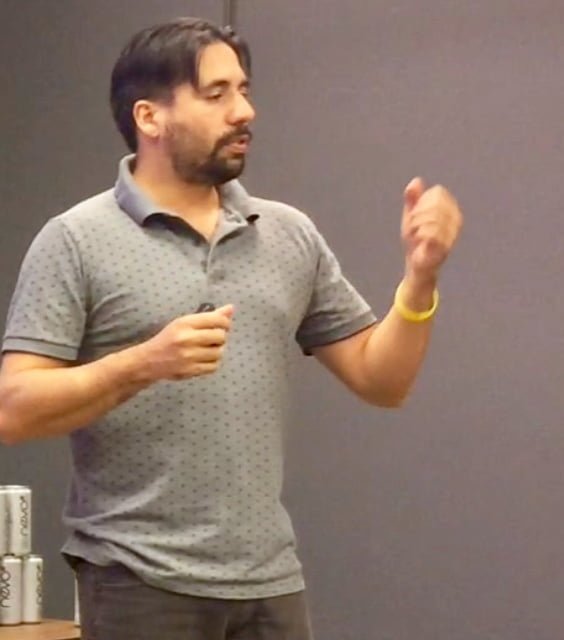


Optimizing the body demands the clinical precision of someone who operated in Radiology (Brazilian Board Certified, CRTR-SP 23595T) for years, combined with the unyielding resilience of someone who conquered multiple 42km+ mountain marathons. As an active professional, multi-pet handler, and tech benchmark researcher, at SkyTC, we bridge advanced technical science with extreme practical environments to help you biohack your active performance, optimize smart pet-tech ecosystems, and protect your structural longevity
Discover my full professional trajectory →Read also: Cadence Fixes for Shin Splint Defense: Structural Biomechanics and Field Protocol
RAW MITOCHONDRIAL WARNING: Continuing to pound high-mileage runs on an inflamed bone cortex while relying on synthetic stimulants to mask systemic exhaustion triggers catastrophic micro-structural collapse, disrupts restorative sleep cycles, and drives prolonged biomarker degradation that can wipe out physical stamina for years.