

You buy a sleek rimless glass box, dream of a lush underwater carpet, and immediately hit a brick wall trying to choose lighting. In this no-nonsense Fluval Plant Nano LED light review, we tear down whether this compact German-engineered puck actually grows demanding stems or just cooks up an unmanageable crop of green hair algae. There is nothing worse than dropping a serious cash investment on a premium-tier fixture only to watch your plants melt into brown sludge while your smartphone refuses to pair with the light.
I have spent eight years managing high-bioload aquatic systems, running four-hundred-liter setups down to high-tech nano cubes. In the sewing room, if my thread tension is off by a millimeter, the entire seam bunches up and ruins the garment; aquatic lighting works the exact same way. Dialing in your photosynthetic radiation is a matter of pure biological balance, not pet-store marketing fluff.
Nail your lighting spectrum and photoperiod right now, and you will save countless hours of scraping glass, eliminate endless water-parameter panics, and preserve the long-term health of your aquatic livestock without burning out your equipment.
The Water Parameter: The Nitrate Cycle
Here is your straight-talking tech support counter talk: high-output nano LED fixtures are direct metabolic accelerators. When you drop this fifteen-watt blast of high-PAR illumination onto a small water volume, you are stepping on the gas pedal of the entire ecosystem. If your bio-filtration cannot process the sudden uptake and subsequent organic waste of fast-growing vegetation, your tank runs headfirst into a brick wall.
Unused light photons do not simply vanish into thin air; they feed opportunistic diatoms and green dust algae that feast on residual nitrates and free phosphates. When that algae smothers your live foliage, dying leaves rot and trigger dangerous ammonia spikes that can wipe out sensitive livestock and stall your autotrophic nitrifying bacteria. The final verdict? Throttle the factory daylight settings down to fifty percent, limit your active photo-window to seven hours, and ensure your biological filter media has sufficient dissolved oxygen before chasing maximum output.
| Fixture Model | Power Output | Control Protocol | Ingress Protection | Common Hardware Failure |
|---|---|---|---|---|
| Fluval Plant Nano LED | 15 Watts (Dense Array) | Bluetooth FluvalSmart App | IP67 Waterproof | App Connection Desync |
| Chihiros C2 RGB | 20 Watts (High PAR) | My Chihiros Bluetooth | Unreported / Splash Only | External Dimmer Burnout |
| ONF Flat Nano | 15 Watts (Color Full) | Touch Sensor / App Opt. | IP54 Splash Resistant | Touch Switch Corrosion |
| Kessil A80 Tuna Sun | 15 Watts (Dense Matrix) | Manual Dials / 0-10V Ext. | Passive Air Cooled | External Controller Cost |
| Bargain-Bin Clip-On | Low-Grade 10W Array | Inline Rocker Switch | Unrated / Raw Board | Diode Phosphor Thermal Fry |
Fluval Plant Nano LED Light Review: The Real-World Hardware Reality
The core selling point of this unit is its heavy-duty unibody aluminum chassis and its IP67 ingress protection rating. Unlike low-grade components that short out the second a bubble from an air stone pops against the circuit board, the Fluval puck is fully sealed. You can literally drop this fixture into the water while it is powered on, fish it back out, and it will keep shining without electrocuting your tank.
However, the real operational headache lies in the software ecosystem. The FluvalSmart mobile app relies on local Bluetooth connectivity that frequently loses pairing memory whenever your mobile device updates its operating system. If you manage multiple aquariums across the room, having to stand within arm’s reach of the tank just to tweak your sunset ramp is an irritating operational bottleneck that high-end setups solved years ago.
The Bare-Metal Trial: Pros, Cons, and Real-World Wear
Let us lay down the raw, unfiltered field notes on this fixture. The Good: the color rendering index is top-tier for its class, packing six distinct band wavelengths that make deep red plants pop and vibrant fancy goldfish scales shimmer under clean optical blending. The passive thermal dissipation is completely silent, relying on deep aluminum cooling fins rather than noisy micro-fans that clog with dust and pet hair within six months.
The Bad: the mounting bracket is a clunky piece of molded plastic that feels entirely out of place on an ultra-clear, rimless glass tank. It uses an oversized thumb screw that bites directly against delicate glass edges, and if you overtighten it on low-iron aquariums, you risk chipping the rim. Furthermore, the light sits relatively low to the water line, creating a tight optical spotlight effect that leaves the rear corners of cube aquariums completely dim unless you buy third-party riser brackets.
The Wet-Bench Trial: Real Pump and Media Degradation
High-intensity solid-state lighting produces exceptional photosynthetic active radiation, but when deployed over closed-loop nano tanks, it puts intense biological stress on your filtration mechanics. The hard reality is that high PAR values hitting unfiltered glass surfaces stimulate aggressive micro-algal growth directly inside transparent intake hoses and surface skimmers.
As stringy green algae colonizes the interior of your filter intake tubes, fluid dynamics take an immediate hit. Water velocity drops, creating dynamic pump seal leaks as backpressure mounts against the internal motor head. The pump rotor struggles against the hydraulic resistance, leading to magnetic shaft friction shearing that slowly scores delicate ceramic impeller shafts, turning your once-silent filtration unit into an obnoxious rattling machine.
Additionally, intense localized lighting over shallow water columns drives up daily evaporation rates exponentially. The rapid drop in water line leaves your bio-filter’s return nozzle splashing violently, which outgasses valuable dissolved carbon dioxide while mineral deposits bake onto the LED lens itself. That baked-on calcium crust permanently clouds the protective glass, reducing PAR efficiency and trapping excess heat inside the diode array.
Hypostatical Failure Scenario: The High-Light Melt Spiral (Click to Expand)
An enthusiastic hobbyist sets up a five-gallon rimless cube, mounts the Fluval Plant Nano, and immediately activates the default “Pro Planted” profile at one hundred percent intensity for ten hours a day. The tank contains only slow-growing epiphytes like Anubias and Java Fern, with no pressurized carbon dioxide injection and a tiny internal sponge filter.
Within two weeks, the high photonic energy exhausts all ambient dissolved carbon. The Anubias leaves break down under light toxicity, leaching trapped sugars directly into the water column. Black beard algae coats every leaf surface, the sponge filter becomes plugged solid with dying plant matter, flow stalls completely, and an ammonia spike wipes out the resident dwarf shrimp colony overnight.
Smarter Guides for a Healthier Aquarium
Practical aquarium guides for cleaner water, healthier fish, better filtration, and long-term tank stability.
Eliminate Aquarium Algae Naturally
A practical field guide to controlling aquarium algae naturally while building a healthier and more balanced aquatic environment.
Master Aquarium Water Chemistry and Bio
Learn how to manage water chemistry, biological filtration, and heavy bioload conditions for a more stable aquarium.
Care for Fancy Goldfish in Large Tanks
A detailed guide to creating the right environment, care routine, and tank conditions for fancy goldfish.
Ultimate Guide to Goldfish Tank Filtration
Understand filtration options, flow, media, and maintenance strategies for keeping goldfish tanks clean and stable.
Maintain a 100 Gallon Goldfish Tank
A practical maintenance system for managing a large goldfish aquarium, including cleaning, water changes, and routine care.
Feed Goldfish for Maximum Lifespan
Learn how feeding frequency, food quality, portions, and routine can support healthier and longer-lived goldfish.
The Filter Cycle: Parametric Water Management Checklist
Execute this Fluval Plant Nano LED light review calibration baseline.
Expert Tip: Never run the warm white and cold white channels above sixty percent on unpressurized setups to prevent explosive staghorn algae blooms.
Limit initial photo-periods strictly to six hours during tank cycling.
Expert Tip: Immature nitrifying colonies cannot process the biological waste produced by light-driven plant metabolism without stalling the nitrogen conversion rate.
Clean the optical glass lens monthly with white distilled vinegar.
Expert Tip: Evaporated mineral deposits scatter light angles randomly, creating hot spots that scorch shallow mosses while starving deeper foreground carpets.
Elevate the fixture bracket to widen total surface spread.
Expert Tip: Gaining an extra two inches of clearance eliminates harsh edge vignetting and smooths out the PAR distribution across your entire substrate plane.
Black out the rear filter chamber completely from stray lighting.
Expert Tip: Light penetrating all-in-one rear sump compartments sparks hair algae growth directly on your ceramic biological rings, choking beneficial nitrifiers.
Download official firmware patches immediately via the mobile application.
Expert Tip: Factory Bluetooth firmware builds contain known timing drift bugs that can cause your twenty-four-hour schedule to fall out of sync over time.
Increase mechanical filtration density whenever boosting total lighting power.
Expert Tip: Higher light levels accelerate plant shedding cycles, demanding thicker poly-fil pads to trap debris before it decays into system nitrates.
Check mounting screw tension weekly against your aquarium glass.
Expert Tip: Thermal expansion cycles between day and night can loosen plastic mounting thumbscrews, creating a serious risk of the fixture slipping out of position.
Program a gradual thirty-minute sunrise ramp to protect livestock.
Expert Tip: Sudden illumination spikes trigger extreme cortisol jumps in resting fish, often causing them to leap out of rimless tanks in blind panic.
Throttle back blue actinic channels during the evening cycle.
Expert Tip: Deep blue spectrums penetrate deeply and provide continuous metabolic energy to nuisance cyanobacteria while higher-order aquatic plants are trying to rest.
Match your weekly fertilizer dosing to real photosynthetic consumption.
Expert Tip: Pumping heavy liquid iron and micro-nutrients into a tank illuminated by a dimmed LED simply feeds free-floating unicellular green water blooms.
The Goldfish Ecology: Straight Answers to Filtration Queries
Can I use the Fluval Plant Nano over a small fancy goldfish tank?
You can, but keep the intensity low. Fancy goldfish lack eyelids and produce immense amounts of ammonia. Blasting them with intense plant-spectrum light simply accelerates green water blooms unless you are running massive biological canister filtration with regular heavy water changes.
Why does my FluvalSmart app disconnect every time I leave the room?
Because the unit utilizes low-energy Bluetooth rather than Wi-Fi cloud connectivity. It requires direct line-of-sight proximity to communicate. Once your device moves beyond eight to ten feet, the connection drops, though your onboard programmed schedule continues to run independently.
Will this nano light grow demanding red stem plants like Rotala Blood Red?
Yes, but only if you balance the equation with pressurized carbon dioxide and rich substrate nutrition. The fixture delivers well over one hundred PAR at twelve inches of depth, which is more than enough to trigger intense anthocyanin pigmentation in high-demand stems.
Does the aluminum housing get dangerously hot during full-power operation?
It gets warm, but not dangerously hot. The solid unibody aluminum acts as a massive passive heat sink that distributes thermal energy away from the diodes. It will feel hot to the touch after six hours of runtime, but it will not melt plastic or burn skin.
Is this fixture powerful enough to penetrate tanks deeper than eighteen inches?
No. The light footprint is optimized for cubes and shallow tanks under twelve to fourteen inches deep. At eighteen inches, PAR drops off dramatically due to water dispersion, leaving low-profile foreground carpets starved of sufficient light energy.
Can I safely mount this fixture on a framed glass aquarium?
Not without modifying the bracket. The plastic mounting clamp is designed specifically for rimless glass up to eight millimeters thick. Trying to force it over a standard plastic-rimmed tank will snap the clamp or sit at an awkward, non-functional angle.
Why am I getting green spot algae on my glass directly under the light?
You have too much light and not enough phosphate. Green spot algae thrives in high-PAR zones where nutrients are unbalanced. Drop your overall white channel output by twenty percent and bump your macro-fertilization slightly to wipe it out.
Is the Fluval Plant Nano worth the premium tier investment over cheap knockoffs?
Yes, solely for the true IP67 waterproofing and spectrum quality. Cheap bargain-bin fixtures burn out their diodes within months due to moisture ingress. The Fluval puck will survive accidental tank dunks and harsh moisture environments for years without missing a beat.
🛡️ │ WHY TRUST SKYTC GOLDFISH CARE CURATION?
At SKYTC, we hold aquatic ecosystem biology and biological parameter handling to a rigorous standard. We are not an automated affiliate review engine; we apply hands-on tests and serious filtration engineering workflows to ensure every recommendation guarantees the health and maximum lifespan of your fish with absolute safety.
✓ Engineering:
Structural experience backed by heavy-duty filtration math, continuous hydraulic turnover metrics, and robust mechanical support for large-scale coldwater systems.
✓ Expertise:
Focuse on preventative biological husbandry and premium nutrition. Thoroughly auditing biological media, sinking feeds, and elements that completely neutralize ammonia spikes.
✓ Authority:
Curation signed by real keepers running a balanced 100-gallon display ecosystem for over 8 years, pairing daily practical benchwork with direct wholesale breeder insights.
✓ Trust:
Product selections built on unfiltered transparency—exposing actual electrical draws, heat dissipation issues, and hidden costs before any Amazon recommendations.
📸 Our Journey in the Real World
From daily living room tank turn rates to macro-scale breeding setups.
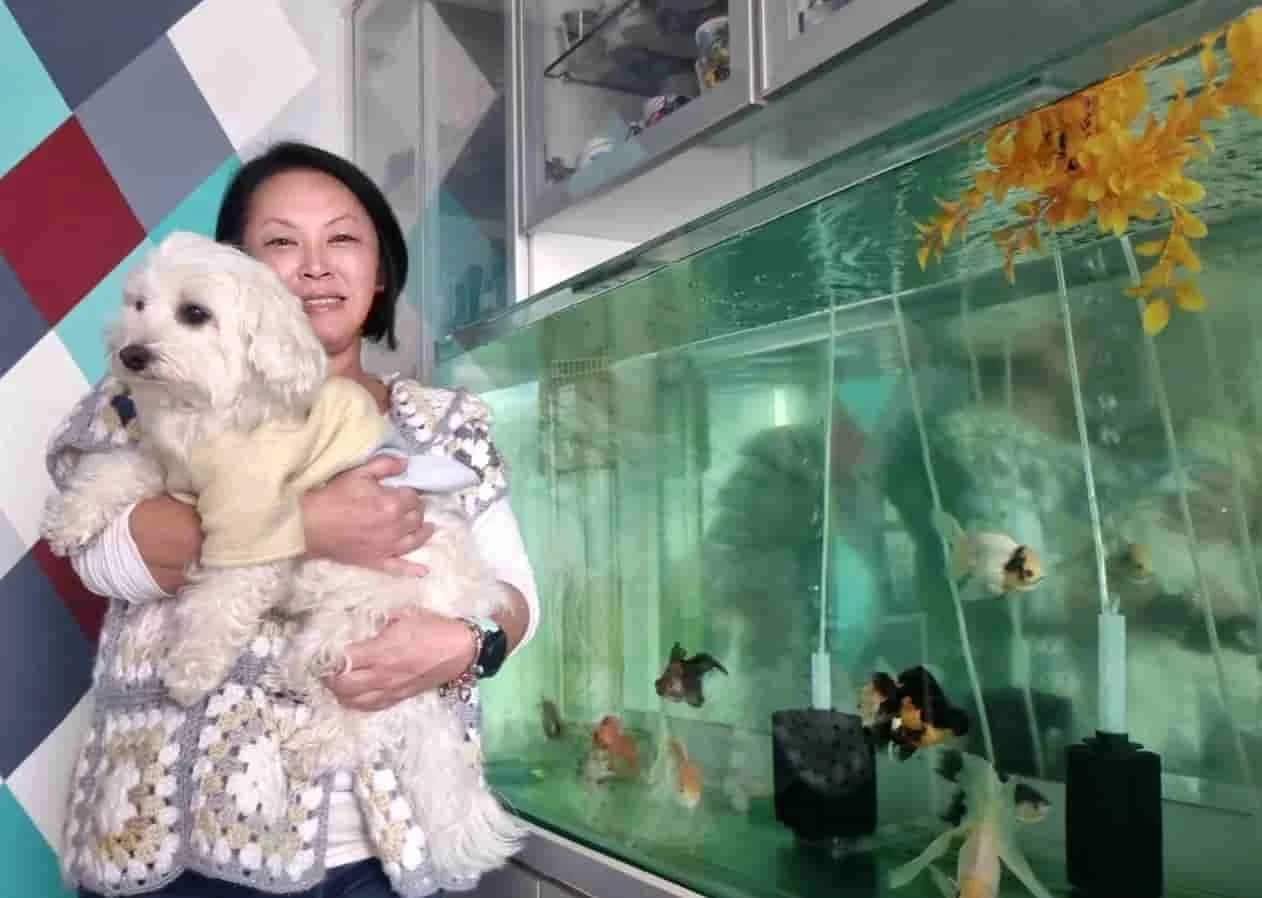
🏠 The 100G Lab
Where we torture test every hardware option, pellet line, and filter layout live.
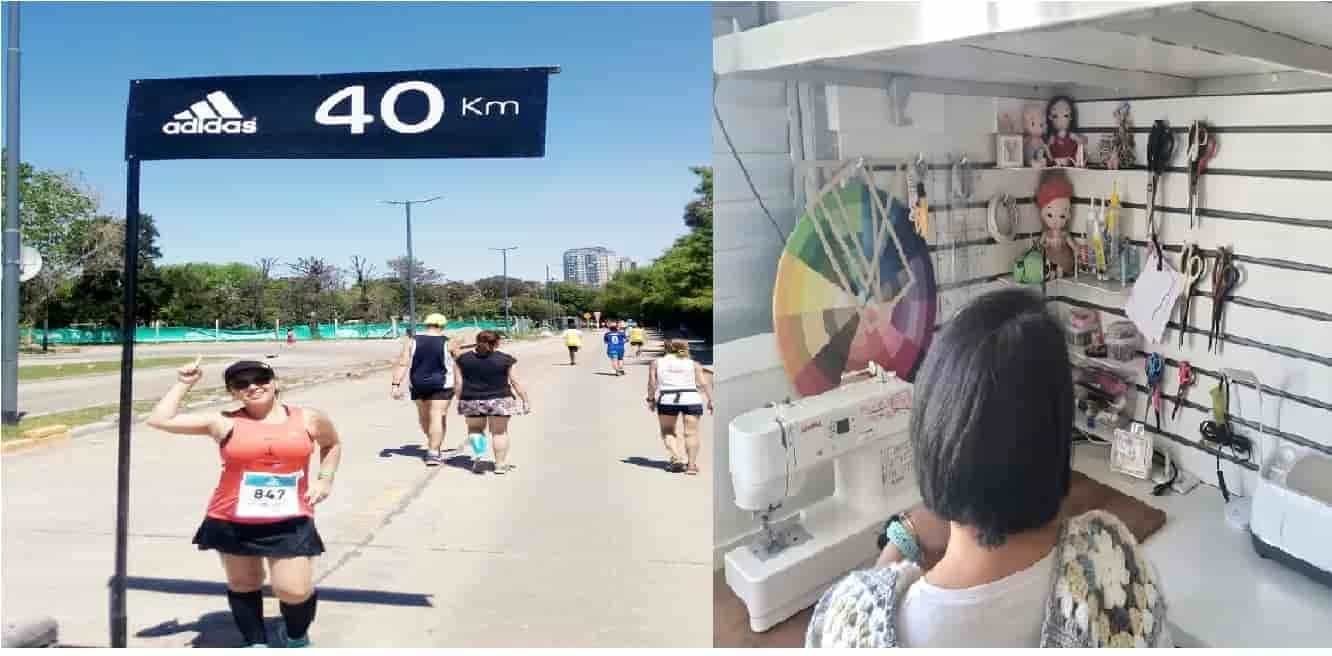
🏃♀️ Grit & Eye
Marathon endurance meets the precise, millimeter structural focus of a seamstress.
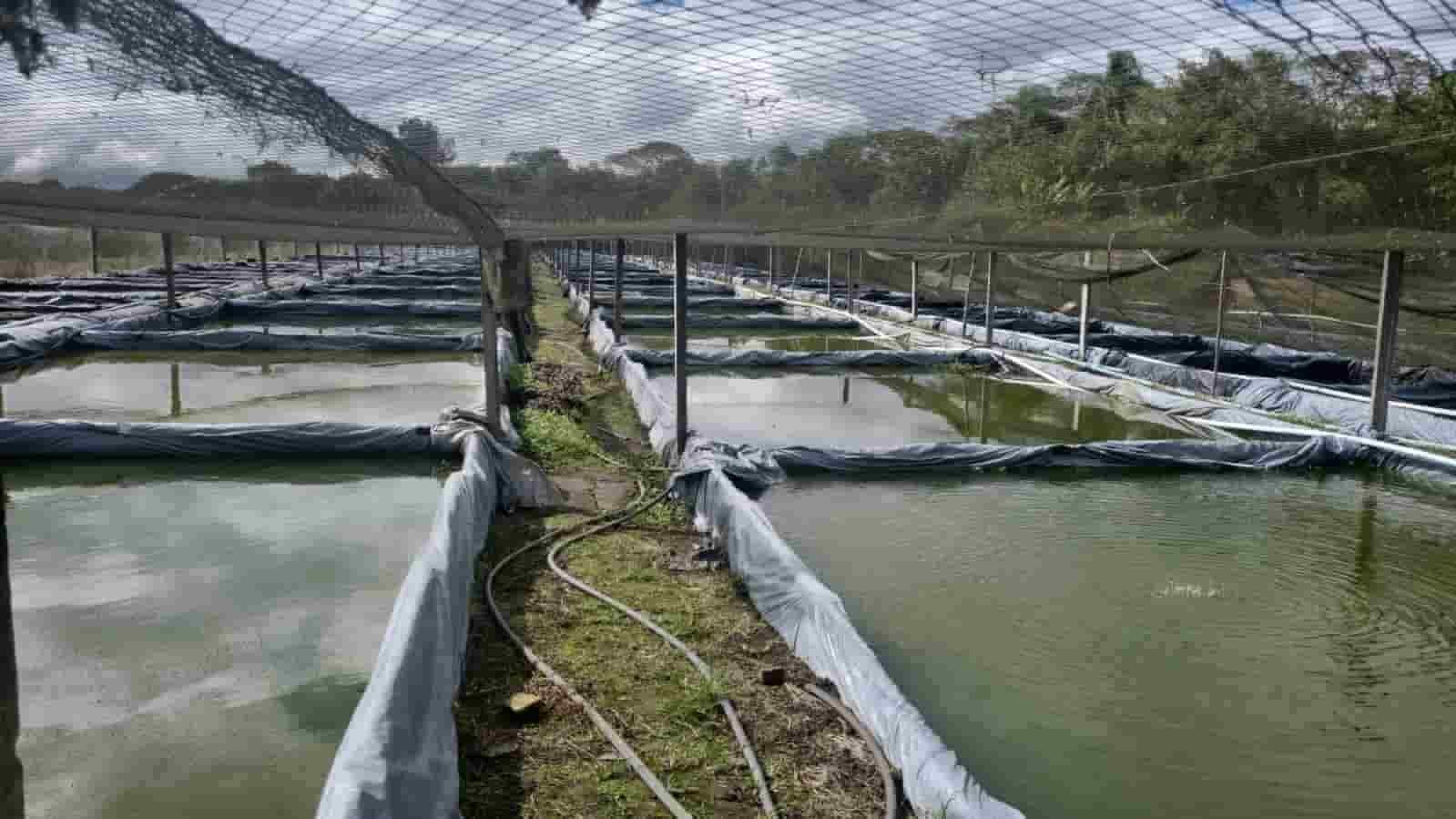
🐳 Monster Vats
Analyzing massive continuous turnovers inside large open-air mud farm vats.
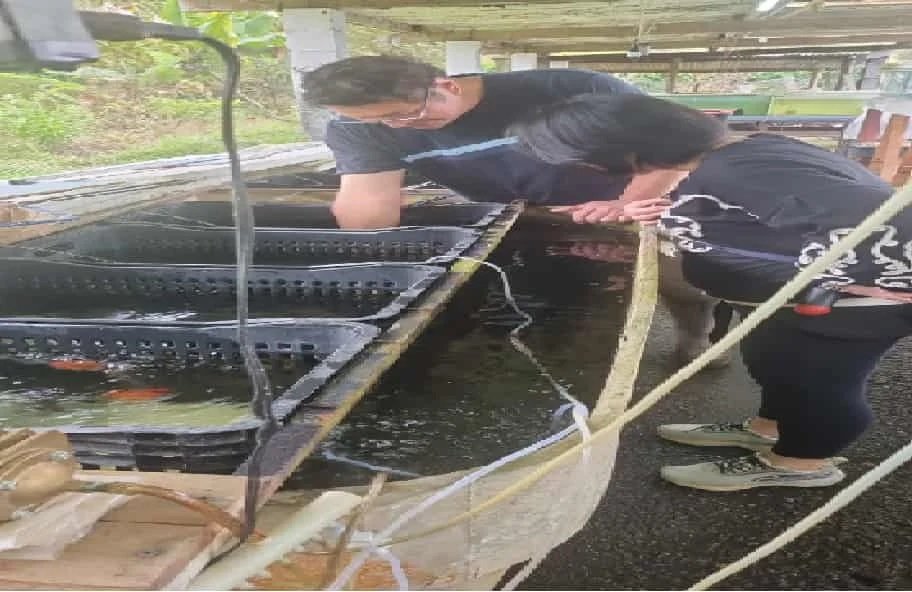
🤝 True Alliances
Working hand-in-hand with regional facility operations to target elite fancy bloodlines.
Read also: How to Program 24 Hour Aquarium Light Schedules Without Spawning an Algae Disaster
Wet-Bench Warning: Running uncalibrated high-PAR photoperiods induces explosive micro-algae growth inside filter lines, causing severe canister head pressure loss and biological filtration degradation through premature media fouling.