

Testing out pool filter sand in goldfish aquariums is almost always an act of pure survival after months of hobbyist misery. You are utterly exhausted from hauling thirty-pound buckets across your living room every single weekend just to siphon putrid brown muck from the bottom of generic gravel beds. Your lower back is wrecked, your water persistently smells like an unventilated drainage ditch, and your high-grade Oranda is listing sideways because an oversized pebble jammed its jaw.
Let us stop dancing around the issue: commercial ornamental gravel is an absolute mechanical trap for heavy-bioload fish. Fancy goldfish are biological excavators that forage by taking entire mouthfuls of substrate, tumbling it across their pharyngeal teeth, and spitting out the inorganic material while digesting micro-detritus. Coarse gravel chokes their buccal tract, shreds delicate gill filaments, and creates deep crevices where feces rot out of reach of your water column flow.
By swapping out that toxic gravel for uniform silica, you immediately lock down dozens of hours of wasted maintenance labor every year and safeguard your fish from lethal intestinal blockages. You get a pristine, self-cleaning hydraulic floor that lets mechanical circulation sweep waste straight into filtration intakes before it breaks down into toxic dissolved compounds.
The Water Parameter: The Nitrate Cycle
Here is the straight counter talk from eight years behind the wet bench: coarse gravel is an open sewer that completely breaks your parametric stability. Solid metabolic waste drops into deep gravel voids where water velocity hits zero, allowing heterotrophic bacteria to break solids down into massive surges of ammonium and nitrite long before your canister filter pads can trap them. This robs your water column of dissolved oxygen and forces your bio-rings to process an unmanageable nitrogen load that sends your nitrate tests into the dark red zone within days.
When you transition to a dense, uniform silica sandbed, solid detritus cannot penetrate the substrate plane; the physical physics of the sand grain matrix forces waste to stay right on the surface. High-turnover filtration currents sweep these solids directly into pre-filter mechanical sponges where you can physically rinse them down the sink before they mineralize. You stabilize biological media, cut your nitrate accumulation rate in half, and eliminate the danger of sudden biological filter crashes caused by rotting trapped solids.
Why Pool Filter Sand in Goldfish Aquariums Outperforms Commercial Substrates
Commercial pet brands push boutique colored gravel and low-density clays loaded with astronomical profit margins, knowing full well these substrates dissolve, alter pH, or trap lethal volumes of particulate waste. Pool filter sand, specifically 20-grade high-purity quartz silica, is an industrial media engineered for high-pressure fluid filtration. It is completely inert, meaning it will not alter your carbonate hardness (KH), total hardness (GH), or baseline pH by a fraction of a degree.
The tactical cheat code lies within the grain size: standard 20-grade silica sits at an exact diameter between 0.45 and 0.55 millimeters. This narrow band is the sweet spot of benthic physics. It is sufficiently heavy to settle back to the bottom within three seconds of a giant Ryukin blowing sand across the floor, yet fine enough to prevent any fecal waste from sinking beneath the top two millimeters of the sand floor.
| Substrate Category | Grain Caliber (mm) | Settling Velocity | Buccal Impaction Hazard | Impeller Abrasion Profile | Weekly Detritus Accumulation |
|---|---|---|---|---|---|
| 20-Grade Pool Filter Sand | 0.45 – 0.55 mm | Near-Instant (2-3 sec) | Zero (Expelled naturally) | Moderate without intake prefilter | Surface only / Zero internal rot |
| Construction Play Sand | 0.05 – 0.25 mm | Extremely Low (Suspends) | Low (Gills can clog) | Severe (Sucked into pump motors) | Forms dense, putrid black crusts |
| Standard Aquarium Pea Gravel | 3.00 – 8.00 mm | Instantaneous | Lethal (Severe jaw impaction) | Zero | High (Deep hydraulic sinkhole) |
| Oolitic Aragonite Coral Sand | 0.20 – 1.20 mm | Moderate | Moderate | Moderate | Alters GH/KH parameters rapidly |
| Bare-Bottom Tank Base | None | N/A | Zero | Zero | Zero surface holding capacity |
The Bare-Metal Trial: Pros, Cons, and Real-World Wear
Every piece of substrate hardware carries a real-world consequence under heavy biological loads. If someone claims a substrate is completely flawless, they have never managed a high-turnover fancy goldfish display. Let us break down the physical realities of running these setups across multi-year duty cycles.
20-Grade Quartz Pool Filter Sand
The Good: Sinking velocity is extraordinary; heavy fancies spit it through their gills effortlessly without scratching delicate opercular linings. Surface waste slides smoothly over the bed directly toward mechanical filter sweeps, making gravel vacuuming obsolete.
The Bad: If you accidentally blast this sand with an open gravel tube during water replenishment, you will scour the interior glass panels, leaving permanent micro-scratches that attract stubborn green spot algae colonies.
Commercial Painted Nano-Gravel
The Good: Extremely heavy mass keeps it firmly anchored to the tank floor, completely avoiding any risk of dynamic pump impeller ingestion even when vacuumed carelessly.
The Bad: The cheap epoxy coating chips off after eighteen months of fish grinding it together, exposing toxic core polymers, while interstitial spaces turn into an anaerobic cesspool that reeks of sulfur every time you disturb the bed.
High-Turnover Canister Pre-Filters over Sandbeds
The Good: Coarse coarse polyurethane intake sponges capture all surface-swept solid detritus before it enters canister baskets, keeping your sintered glass biological media pristine for months.
The Bad: If you neglect rinsing the intake sponge for two consecutive weeks, the massive biological slime buildup will choke your intake pipe, causing canister pump cavitations that heat the dynamic motor head and cook the impeller housing.
The Wet-Bench Trial: Real Pump and Media Degradation
Industrial pool filter sand provides unmatched environmental enrichment for sifting benthic teleosts. But the horizontal reality of hydraulic pump mechanics means silica is a pump killer if you do not respect fluid dynamics. In bench testing, loose silica grains sucked into an unguarded intake pipe act like liquid sandpaper against dynamic motor components.
Standard ceramic impeller shafts exhibit extreme structural hardness against rotational friction. But drop loose quartz grains into the magnetic impeller well, and that hardness works against you; the sand wedges between the high-speed spinning magnet and the dynamic motor well wall, grinding structural micro-grooves straight down the ceramic shaft. Within sixty days of running an unprotected intake over an active sandbed, the pump develops a permanent metallic vibration chatter that drops canister head pressure by upwards of thirty percent.
Fine mechanical filter floss also suffers rapid operational breakdown when sand is introduced carelessly. Dense poly-fill media pads physically compress under the weight of suspended silica dust, dropping water flow down to a pathetic trickle and forcing bypass valves to open inside the canister head. Once fluid bypass triggers, un-trapped solids flow straight through your biological bio-rings, coating autotrophic bacterial colonies in dense brown slime that completely stalls your ammonium oxidation capacity.
The Hypostatical Failure Scenario: The “Dump-and-Pray” Disaster
Consider the classic catastrophe: a transitioning aquarist purchases an entry-level bag of pool filter sand, hauls it home, slices the plastic open, and dumps fifty pounds of bone-dry media straight into a tank already filled with forty gallons of conditioned water. Within thirty seconds, the entire display transforms into an opaque, milky-white fog of microscopic silica fines and crushed dust particulates.
Instead of turning filtration hardware off, the panicked keeper immediately flips on their high-turnover canister filter and hang-on-back units to “polish out the cloudiness.” Within ten minutes, millions of micro-abrasive dust particles enter the dynamic magnetic wells of the pumps, stripping the dynamic shaft seals and scoring the magnetic sleeves. Meanwhile, two prized Orandas begin gasping at the water surface, their gills coated in thick silica silt that prevents blood-gas exchange.
To compound the disaster, the keeper panics and performs a rapid ninety percent cold-water change straight from the tap, scouring the newly settled sand and shocking the delicate autotrophic nitrifying biofilm that was beginning to colonize the glass walls. The mechanical pump fails forty-eight hours later from motor seizure, the tank goes through a total biological cycle collapse, and the fish end up quarantined in bare plastic tubs while the display sits ruined. This entire disaster is completely preventable by applying correct bench-rinsing and hydraulic protocols.
Smarter Guides for a Healthier Aquarium
Practical aquarium guides for cleaner water, healthier fish, better filtration, and long-term tank stability.
Eliminate Aquarium Algae Naturally
A practical field guide to controlling aquarium algae naturally while building a healthier and more balanced aquatic environment.
Master Aquarium Water Chemistry and Bio
Learn how to manage water chemistry, biological filtration, and heavy bioload conditions for a more stable aquarium.
Care for Fancy Goldfish in Large Tanks
A detailed guide to creating the right environment, care routine, and tank conditions for fancy goldfish.
Ultimate Guide to Goldfish Tank Filtration
Understand filtration options, flow, media, and maintenance strategies for keeping goldfish tanks clean and stable.
Maintain a 100 Gallon Goldfish Tank
A practical maintenance system for managing a large goldfish aquarium, including cleaning, water changes, and routine care.
Feed Goldfish for Maximum Lifespan
Learn how feeding frequency, food quality, portions, and routine can support healthier and longer-lived goldfish.
The Filter Cycle: Parametric Water Management Checklist
Rinse pool filter sand in goldfish aquariums using bucket-swirling.
Expert Tip: Fill a standard five-gallon bucket only one-third full with dry silica, blast it with high-pressure tap water, and violently churn the slurry with your hand until the overflow water runs completely clear of all floating microscopic fines before dumping it into your tank.
Maintain a substrate depth of strictly under one inch.
Expert Tip: Deep sandbeds are an absolute hazard in heavy-waste goldfish enclosures; keeping your bed between one-half to three-quarters of an inch prevents the formation of anoxic dead spots while giving your fancies plenty of depth for natural foraging behavior.
Mount filtration intakes four inches above the substrate bed.
Expert Tip: Positioning your intake strainer well above the bottom prevents the hydraulic suction vortex from pulling in sand grains tossed up when vigorous fish bulldoze through the bed during morning feeding frenzy sessions.
Install open-cell coarse sponge pre-filters over all intakes.
Expert Tip: Slip a 30-PPI reticulated foam sleeve over your canister intake pipes to stop sand particles from ever entering the pump motor housing while doubling your active mechanical waste-collection surface area.
Turn off all circulation pumps during substrate grooming sessions.
Expert Tip: Never stir the sand or reposition hardscape decorations with your pumps actively running, because airborne silica particles take several minutes to settle out of dynamic water currents.
Employ wide siphons hovered two centimeters above the bed.
Expert Tip: You do not shove the vacuum tube into pool filter sand like you do with gravel; merely crimp your siphon hose to reduce flow and hover the flared rim right over the sand to lift and sweep organic waste without extracting a single grain.
Seed fresh silica with established nitrifying autotrophic bacterial colonies.
Expert Tip: High-purity quartz silica is completely sterile out of the bag, meaning you must transfer well-seasoned biological media directly into your filter trays to rapidly establish dynamic biofilm across the newly introduced floor.
Test weekly for dissolved parameters using liquid reagent kits.
Expert Tip: Cheap dip strips degrade quickly from atmospheric humidity exposure and give false readings; rely exclusively on calibrated liquid titration drops to monitor for dangerous shifts in your ammonium, nitrite, and nitrate thresholds.
Direct wavemakers to sweep organic detritus toward filter intakes.
Expert Tip: Position a low-wattage circulation pump along the back glass aimed slightly downward to create a gentle sheet flow that rolls solid waste across the sand floor directly into your mechanical capture points.
Strip and lubricate ceramic pump shafts during monthly maintenance.
Expert Tip: Disassemble your canister pump motor head once every thirty days, wipe the ceramic shaft down with clean reverse-osmosis water, and inspect the magnet sleeve for micro-scratches caused by stray quartz dust.
Replace dirty mechanical filter floss pads on weekly cycles.
Expert Tip: Never allow mechanical floss to become impacted with dense organic matter, as high hydraulic backpressure forces the canister bypass open and drives trapped sediment into your bio-filtration trays.
The Goldfish Ecology: Straight Answers to Filtration Queries
Will my goldfish choke or suffer bowel impactions from swallowing pool filter sand?
No. 20-grade pool filter sand features smooth, water-worn quartz boundaries that pass harmlessly through their digestive system if ingested. Goldfish do not actually swallow substrate intentionally; they pull sand into the buccal cavity, strip edible biofilms, and blow the inorganic sand grains straight out through their gills or spit them out forward. Unlike heavy pea-gravel that lodges permanently in their pharyngeal jaws, uniform silica causes zero mechanical impactions.
Does pool filter sand develop lethal pockets of hydrogen sulfide gas?
Not if you run a shallow bed under an inch of total depth. Toxic anaerobic sulfide pockets form exclusively in stagnant, fine-grain muds or deep sandbeds exceeding two to three inches where oxygen cannot penetrate. Because fancy goldfish sift and churn the top layer of the sandbed every single hour, the substrate remains well-oxygenated, completely neutralizing the conditions required for sulfur-producing bacteria to colonize.
Can I just buy budget construction play sand instead of pool filter sand?
Do not even think about it. Play sand contains massive quantities of crushed clay, silts, and microscopic dust particles that will turn your water into a permanent milky mess for weeks. More critically, play sand grains are jagged, lightweight, and take forever to settle, ensuring they get sucked directly into your filter pump housings where they grind dynamic motor assemblies into absolute scrap metal.
How do I vacuum waste off the sandbed without sucking all the sand into my bucket?
Master the lab macete of dynamic flow management: use a wide-mouth gravel tube and restrict the water flow by pinching the discharge hose between your fingers. Hover the vacuum mouth about an inch above the sandbed and swirl it in small circles. The lighter organic detritus lifts immediately into the water column and shoots up the tube, while the heavy quartz sand drops instantly back onto the floor.
Will pool filter sand permanently scratch the interior glass of my aquarium?
Only if you are careless with your magnetic glass scrubbers. Quartz silica has a Mohs hardness of seven, which is harder than standard soda-lime aquarium glass. If you drag your magnetic cleaning magnet all the way down into the substrate line and pick up a stray grain of sand between the scrubbing pads, you will gouge deep, permanent scratch lines into your front glass pane. Always stop your magnetic cleaner three inches above the sandline and detail the lower glass with a hand-held plastic scraper.
Do I need to layer nutrient-rich plant soil underneath the sand?
Absolutely not. Layering dirt, aquatic compost, or active clay soils underneath sand in a goldfish tank is a recipe for an unmitigated disaster. Fancy goldfish will easily dig down through an inch of sand, hit that rich soil layer, and rip it up into your water column, triggering an uncontrollable algae bloom and dangerous ammonia spikes. Keep your floor strictly inert silica and anchor tough plants like Anubias and Java Fern directly onto driftwoods or heavy rocks.
What is the minimum safe height for canister filter intakes over a sandbed?
Four inches of vertical clearance from the base of the intake strainer to the surface of the sand is the non-negotiable benchmark. Anything lower places the intake directly inside the turbulence zone generated by foraging fish. If you have extra-large, hyperactive Ryukin or broad-tailed fancies, push that clearance up to five inches and secure a rigid pre-filter sponge over the strainer to guarantee zero sand intake.
Will white pool filter sand wash out the color of my high-grade fancy goldfish?
Blinding, pure-white silica can cause some goldfish to fade their pigmentation slightly as a natural camouflage response. If you want maximum color contrast and deep red or black scale development, bypass the stark bleached-white sands and track down natural tan, amber, or golden-brown 20-grade quartz silica. It mimics natural riverine beds, hides light surface detritus between cleaning cycles, and makes the vibrant colors of your fish stand out dramatically.
🛡️ │ WHY TRUST SKYTC GOLDFISH CARE CURATION?
At SKYTC, we hold aquatic ecosystem biology and biological parameter handling to a rigorous standard. We are not an automated affiliate review engine; we apply hands-on tests and serious filtration engineering workflows to ensure every recommendation guarantees the health and maximum lifespan of your fish with absolute safety.
✓ Engineering:
Structural experience backed by heavy-duty filtration math, continuous hydraulic turnover metrics, and robust mechanical support for large-scale coldwater systems.
✓ Expertise:
Focuse on preventative biological husbandry and premium nutrition. Thoroughly auditing biological media, sinking feeds, and elements that completely neutralize ammonia spikes.
✓ Authority:
Curation signed by real keepers running a balanced 100-gallon display ecosystem for over 8 years, pairing daily practical benchwork with direct wholesale breeder insights.
✓ Trust:
Product selections built on unfiltered transparency—exposing actual electrical draws, heat dissipation issues, and hidden costs before any Amazon recommendations.
📸 Our Journey in the Real World
From daily living room tank turn rates to macro-scale breeding setups.
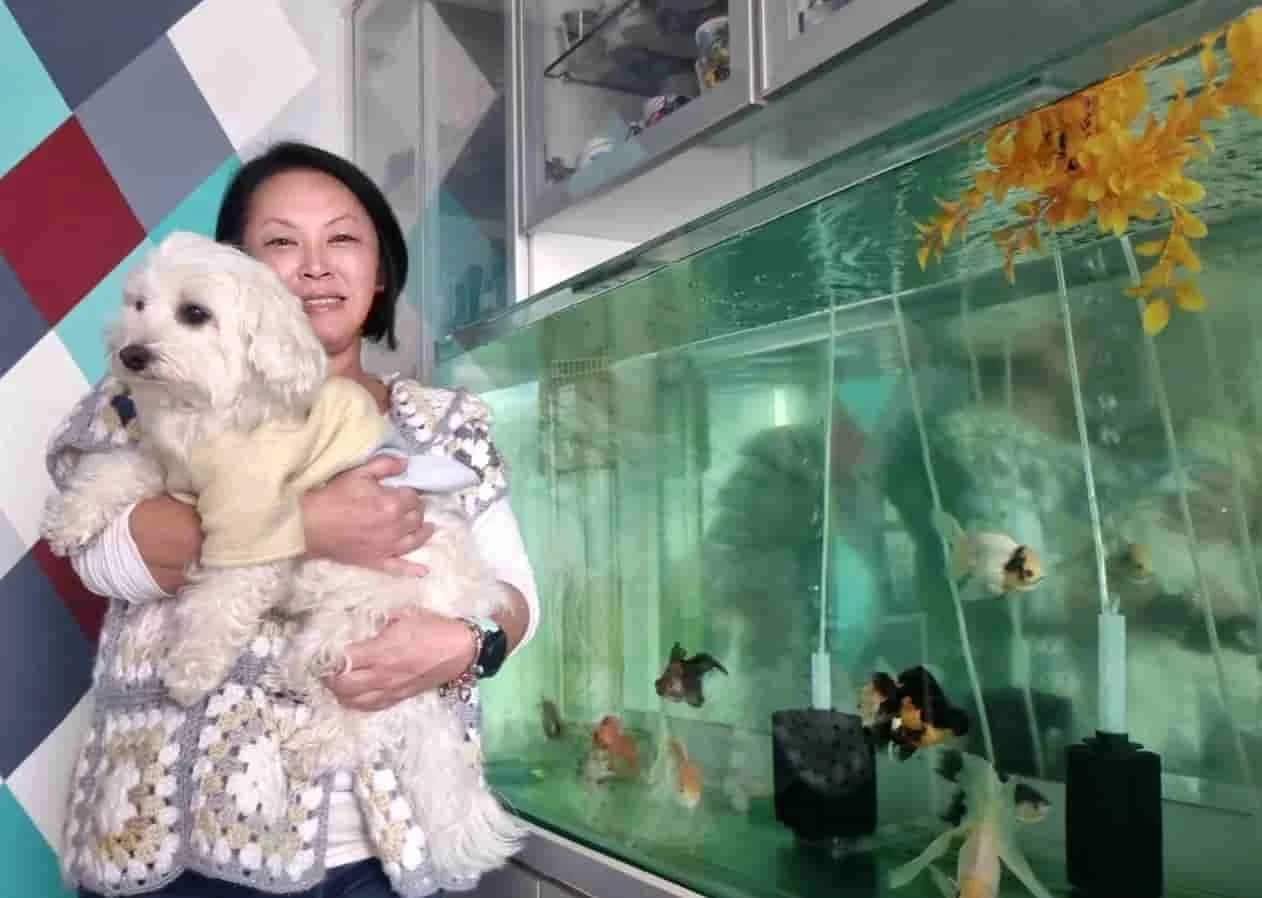
🏠 The 100G Lab
Where we torture test every hardware option, pellet line, and filter layout live.

🏃♀️ Grit & Eye
Marathon endurance meets the precise, millimeter structural focus of a seamstress.
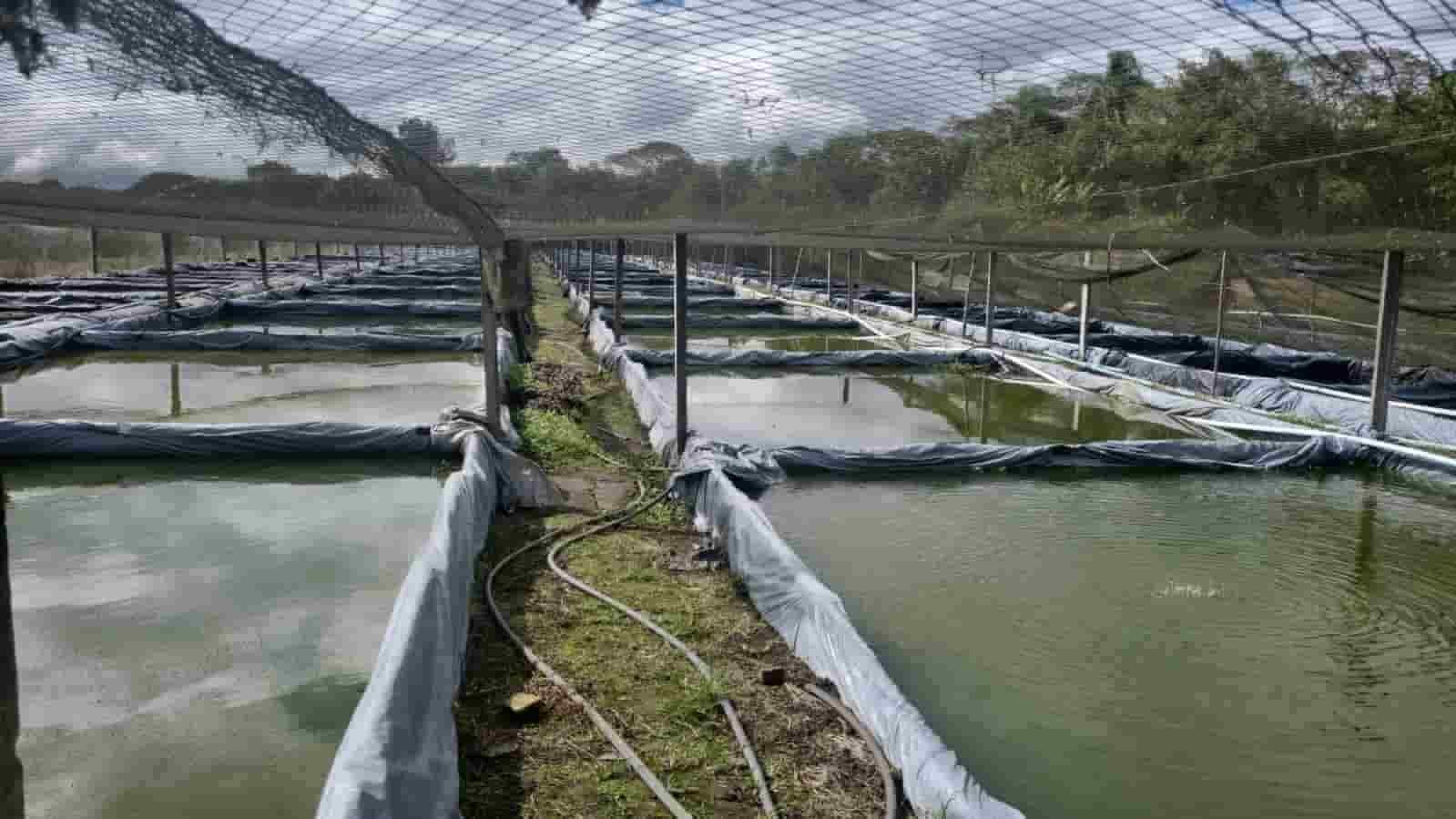
🐳 Monster Vats
Analyzing massive continuous turnovers inside large open-air mud farm vats.
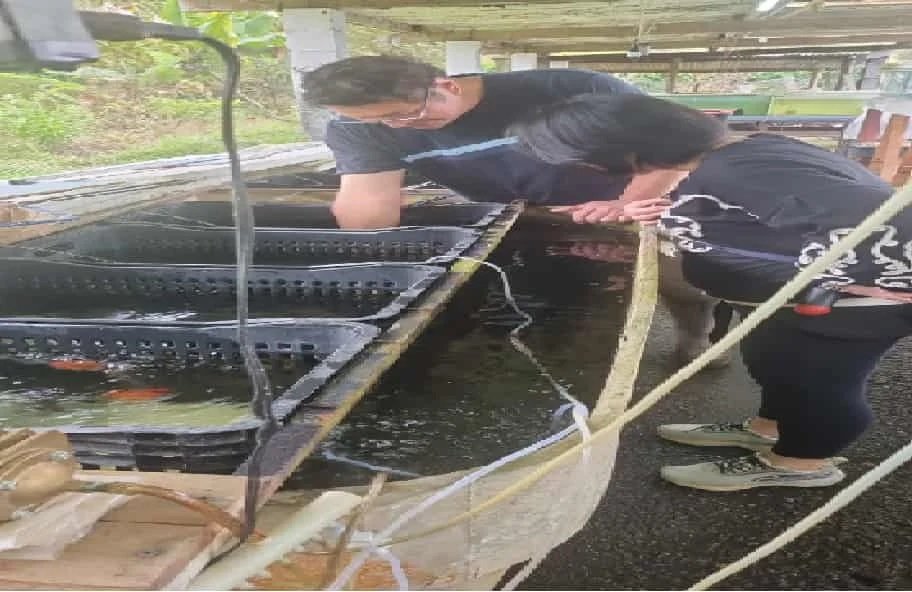
🤝 True Alliances
Working hand-in-hand with regional facility operations to target elite fancy bloodlines.
Read also:lBest Inert Substrates for Goldfish: The Master Aquarist’s Zero-Impact Guide
Failure to calibrate substrate grain density against dynamic canister pump draw induces severe magnetic shaft friction shearing and dynamic pump seal leaks within standard maintenance intervals.