

You set up a brand-new aquarium, picked out a gorgeous pair of ranchu or orandas, and dumped a bag of glossy pet-shop gravel onto the tank floor. Fast forward two weeks, and your dream tank is a murky, stinking swamp where your fish are choking on pebbles and your filter is screeching like a rusty table saw. Selecting the best inert substrates for goldfish is not some casual aesthetic choice you make in five minutes; it is a critical life-support engineering decision that dictates whether your wet pets live a vibrant fifteen-year life or die an agonizing death from intestinal impaction.
Goldfish are not delicate surface feeders that gently sip flakes from the surface. They are heavy-bodied, relentless benthic bulldozers that spend every waking hour hoovering up the floor, sifting material through their delicate gill rakers, and blasting debris out of their opercular cavities. When you force them onto standard commercial gravel, you are essentially scattering choking hazards across their dining table.
Over my eight years of running high-bioload freshwater systems and maintaining my own hundred-gallon display tank between marathon training sessions, I have seen every substrate shortcut in the book backfire. I have performed emergency tweezer surgery to pull lodged stones out of gasping fish throats, and I have rebuilt expensive canister motors whose shafts were ground down by airborne play sand.
Dialing in the correct grain morphology and chemistry gives you crystal-clear water, cuts your weekly maintenance down to minutes, protects your equipment from mechanical destruction, and keeps your fish digging happily without the threat of fatal gut blockages.
The Water Parameter: The Nitrate Cycle
Drop the pet-shop sales talk right at the door: your substrate is either an inert mechanical floor or a ticking biochemical disaster. Goldfish produce enormous amounts of metabolic waste, which drives rapid biological oxygen demand and demands a rock-solid, stable pH between 7.4 and 8.0 with strong carbonate hardness (KH). Never dump active plant soils or acidic aquasoils into a goldfish tank; they absorb your KH buffer, crash your pH into an acidic tailspin, stall your nitrifying bacteria (Nitrosomonas and Nitrospira), and dissolve into an unmanageable black mud bath under continuous foraging.
Here is the counter-talk verdict for keepers in a rush: your absolute safest bet is high-purity silica pool filter sand (grain size 0.45 to 0.55mm, 20/40 mesh) spread thin at under one inch, or a completely bare-bottom glazed tile setup for high-performance quarantine and rapid growth systems.
Heavy silica sand drops back to the floor in three seconds flat, slides harmlessly through gill rakers, and prevents solid waste from sinking into unreachable crevices. Pea gravel is an impaction trap, active soil is an expensive failure, and fine play sand is an impeller shredder. Keep it simple, inert, and shallow.
Substrate Architecture: Field Performance Matrix
| Substrate Classification | Grain Size & Morphology | Chemical Neutrality (pH/KH) | Gastrointestinal Impaction Risk | Waste Siphoning Friction | Canister Impeller Abrasion Risk |
|---|---|---|---|---|---|
| High-Purity Pool Filter Sand | 0.45 mm – 0.55 mm (Sub-Angular) | 100% Chemically Inert | Near-Zero (Passes Safely) | Low (Waste Rests on Surface) | Low (Rapid Settling Velocity) |
| CaribSea Super Naturals Quartz | 0.25 mm – 0.75 mm (Smooth Rounded) | 100% Chemically Inert | Near-Zero (Easily Expelled) | Moderate (Requires Siphon Hover) | Low to Moderate |
| Glazed Ceramic Bottom Tiles | Solid Non-Porous Surface | 100% Chemically Inert | Absolute Zero | Zero (Direct Suction Sweep) | Absolute Zero |
| Smooth River Cobblestones | > 60 mm (Large Water-Worn) | 100% Chemically Inert | Zero (Too Large to Ingest) | Extreme (Waste Trapped Below) | Zero |
| Standard Aquarium Pea Gravel | 3.0 mm – 8.0 mm (Mixed Angular) | Varies by Model (Often Calcareous) | Catastrophic (Mouth/Gut Trap) | High (Deep Gravel Bed Churn) | Low |
The Bare-Metal Trial: Pros, Cons, and Real-World Wear
Every single substrate profile introduces distinct mechanical compromises when matched against the immense bioload of fancy goldfish. Let us break down how these materials survive real-world, long-term exposure on the tank floor.
High-Purity Silica Pool Filter Sand (20/40 Mesh)
The Good: It is heavy quartz silica that drops like lead, meaning your goldfish can sift all day without clouding the tank. The grains have sub-angular, smoothed edges that do not scratch mouth tissue, and solid fish waste sits right on top of the sand bed for effortless siphoning.
The Bad: If you pile it deeper than an inch and ignore it, the dense packing creates anoxic dead zones where sulfate-reducing bacteria brew toxic hydrogen sulfide gas pockets that will wipe out your livestock if stirred up suddenly.
Glazed Ceramic Tile / Bare-Bottom Floor
The Good: The ultimate tactical cheat code for heavy bioload mechanical hygiene. Zero waste can hide, water changes take five minutes, and there is zero physical material for a fish to choke on or for an impeller to ingest.
The Bad: It looks sterile and industrial, offering zero natural foraging enrichment. Young, energetic goldfish can develop neurotic glass-pacing behaviors or boredom-induced fin-nipping when deprived of a floor to sift through.
Smooth River Cobblestones (>60mm)
The Good: Beautiful natural river-bed aesthetic that is physically impossible for adult or juvenile goldfish to swallow, completely eliminating choking hazards.
The Bad: The massive spaces between rocks act as an inescapable black hole for heavy goldfish feces. Uneaten food slips into the voids, rots beyond the reach of your gravel vac, and creates a hidden nitrate factory that drives chronic water-quality crashes unless you lift every rock weekly.
Commercial Painted Pea Gravel (3mm to 8mm)
The Good: Available everywhere in bright colors for beginners who do not know any better.
The Bad: It is the single most lethal product sold to goldfish keepers. The 5mm grain size matches the oral cavity of fancy goldfish perfectly; they suck it in while foraging, get it wedged behind their pharyngeal teeth, and slowly suffocate or die from necrotic bowel blockages. Furthermore, the cheap polymer paint chips off over time, exposing toxic base resins to your water column.
The Wet-Bench Trial: Real Pump and Media Degradation
Soft cosmetic beach sand and bargain-bin play sand look bright, smooth, and natural in pristine product catalog photos. BUT dump that fine, powdery silt into a real goldfish tank powered by high-output canister pumps, and the real-world engineering disaster reveals itself immediately.
As goldfish churn the bottom looking for food, microscopic play sand grains remain suspended in the water column for hours. The filter intake pulls that abrasive slurry straight into your canister housing, where it punches through coarse foam blocks, bypasses biological ceramic rings, and settles inside the magnetic impeller well.
That abrasive silica acts like liquid sandpaper against the ceramic or stainless-steel impeller shaft. Within three months, the magnetic rotor develops severe eccentricity, scoring the housing, tearing up dynamic rubber O-rings, and causing dynamic pump seal leaks that dump gallons of water onto your floor while the motor overheats and seizes completely.
What looked like a cheap, budget-friendly sand purchase ends up destroying a premium tier filtration setup, dropping canister head pressure to zero, and leaving your biological filter media to suffocate in its own stagnant waste.
Hypothetical Failure Scenario: The Sunday Night Gravel Choke
Imagine this all-too-common weekend disaster: You drop a pinch of high-protein sinking pellets into your tank to feed your prized four-inch Black Moor. The fish gets excited, dives down to the substrate, and inhales a cluster of pellets along with three pieces of five-millimeter blue pea gravel.
The fish spits out two stones, but the third stone—sharp, angular, and wedged solid—locks horizontally across its pharyngeal teeth. The fish begins thrashing wildly, unable to close its mouth or flare its gills properly.
Within thirty minutes, the fish cannot circulate water across its gill filaments. It starts darting in blind panic, ramming into the glass, before floating exhausted and disoriented near the surface. You find yourself sitting at your kitchen table at ten o’clock on a Sunday night, hands shaking, pinning your gasping fish down in a wet towel while trying to extract the wedged stone with micro-tweezers under a desk lamp.
Even if you manage to pop the rock out without breaking the jaw, the localized mucosal tears leave the fish wide open to systemic columnaris or fungal infections that can kill it within forty-eight hours. All because someone sold you a bag of gravel that never belonged in a goldfish tank in the first place.
Why the Best Inert Substrates for Goldfish Protect Gills, Guts, and Water Chemistry
A goldfish’s digestive tract is an evolutionary marvel designed for continuous, low-nutrient foraging. They lack a true stomach; instead, they rely on mechanical breakdown using powerful pharyngeal teeth located deep in the throat, followed by rapid nutrient absorption through an extended intestinal tract.
When goldfish sift through sub-angular quartz sand under half a millimeter in size, the smooth grains roll across the oral mucosa, scour away trapped algae and detritus, and exit freely through the gill slits without causing microscopic lacerations. If a small quantity of this sand is accidentally ingested, the smooth grains pass effortlessly through the gut with normal fecal waste without creating a physical obstruction.
Chemically, pure quartz silica does not interact with your water column in any way. It does not release calcium ions that skew general hardness, nor does it strip carbonates that maintain your alkaline buffer. Your biological filter keeps churning at full efficiency, your pH stays locked, and your goldfish spend their day doing what nature programmed them to do: forage safely without risking their lives.
Guides for Your Next Workspace
Practical laptop guides covering performance, hardware, troubleshooting, care, and everyday productivity.
Professional Laptops
The definitive blueprint to selecting high-performance, enterprise-grade workstations engineered to scale your productivity.
Budget Tech Tools
Practical strategies and low-cost digital tools engineered to maximize office performance without breaking your budget.
Power User Gadgets
Advanced hardware, desk automation tools, and elite tech ecosystems built to eliminate workflow bottlenecks.
Diagnose Laptop Hardware Faults
The official bench guide for identifying, testing, and diagnosing common laptop hardware faults with practical troubleshooting methods.
Maximize Laptop Performance
An ultimate tuning guide for improving laptop speed, efficiency, responsiveness, and overall performance.
Extend Laptop Lifespan
The ultimate care guide for protecting laptop hardware, preventing premature wear, and extending device longevity.
The Filter Cycle: Parametric Water Management Checklist
- Select the best inert substrates for goldfish without hesitation.
Expert Tip: Stick strictly to 20/40 mesh high-purity silica pool filter sand to completely eliminate the risk of oral choking and gut compaction. - Rinse silica sand thoroughly in a bucket before tank deployment.
Expert Tip: Swirl the sand aggressively with a garden hose until the overflow water runs 100% crystal-clear to flush out ultra-fine micro-silica dust. - Cap the substrate bed depth at a strict three-quarter inch.
Expert Tip: Keeping the sand layer shallow ensures fish continuously aerate the entire bed, preventing the formation of toxic anaerobic hydrogen sulfide zones. - Verify chemical inertness using an active muriatic acid spot-test.
Expert Tip: Place a few drops of acid on a dry substrate sample; if it fizzes or bubbles, it contains calcium carbonate that will uncontrollably spike your hardness. - Install a coarse intake sponge at least four inches above the floor.
Expert Tip: Physical clearance prevents sand from being pulled into the filter during vigorous bottom-sifting, protecting your impeller shaft from friction scoring. - Hover the siphon nozzle half an inch above the sand during water changes.
Expert Tip: Goldfish poop is lighter than dense quartz silica; hovering the siphon lifts away waste blankets without draining your sand bed into the bucket. - Stir deep corner pockets manually during every weekly maintenance cycle.
Expert Tip: Gently raking dead flow areas behind driftwood or decor releases trapped metabolic gases safely before they build into lethal concentrations. - Maintain carbonate hardness strictly above four degrees of KH.
Expert Tip: Inert substrates will not buffer your water, so you must monitor KH to prevent heavy goldfish bioloads from triggering a catastrophic biological filter crash. - Avoid mixing contrasting substrate grain sizes in the same tank.
Expert Tip: Mixing sand with pebbles causes fine grains to settle at the bottom while larger rocks trap waste on top, creating a maintenance nightmare. - Inspect fish gill flushes during feeding sessions for natural sediment clearance.
Expert Tip: Healthy goldfish should effortlessly expel sand plumes through their opercular openings; coughing or throat-clamping indicates oversized, dangerous particles. - Seal bare-bottom tank tile seams with aquarium-safe curing silicone.
Expert Tip: Unsealed edges underneath bottom tiles become stagnant anaerobic traps that rot uneaten food and silently poison the water column.
The Goldfish Ecology: Straight Answers to Filtration Queries
Is a bare-bottom aquarium really superior to sand for fancy goldfish?
For sheer mechanical hygiene and breeding setups, yes. It lets you vacuum up 100% of solid waste in seconds. However, for a living room display, pool filter sand is far better because it provides essential behavioral foraging enrichment that keeps your fish active and mentally stimulated.
Can goldfish choke to death on fine silica sand?
No. High-purity pool filter sand (0.45 to 0.55mm) is too fine to lodge in their throat. They take it in, filter out food particles, and blow the sand smoothly out through their gills or spit it back onto the floor without injury.
Why is active plant soil completely unsuitable for goldfish?
Because active soils are engineered to soften water and lower pH for tropical plants. Goldfish require hard, alkaline water. Active soils pull the carbonate buffer right out of the water, crash the pH, and turn into cloudy black mud the second a goldfish digs into them.
How deep should the sand bed be in an average goldfish tank?
Keep it strictly between half an inch and three-quarters of an inch. A thin layer gives the fish plenty of material to dig through while completely preventing the formation of stagnant, toxic anaerobic gas pockets beneath the surface.
Does pool filter sand elevate pH or water hardness over time?
No. High-grade pool filter sand is composed of pure quartz silica, which is chemically inert. It will not leach minerals, alter pH, or change your carbonate or general hardness levels, even after years of continuous submersion.
Will fine sand destroy my canister filter’s motor impeller?
Only if you run an unprotected intake near the floor. Always fit a dense pre-filter sponge over your intake tube and position it at least three to four inches above the sand line to catch any particles kicked up during foraging frenzies.
How do I vacuum waste off fine sand without sucking it all into the bucket?
Do not jam the gravel siphon into the bed like you would with pea gravel. Hover the wide siphon nozzle half an inch above the sand surface and swirl it in small circles. The waste will swirl up into the siphon while the heavy quartz sand stays firmly on the bottom.
Can I safely mix river stones with a sand substrate?
You can use a few massive, smooth river boulders (larger than a baseball) as hardscape accents. But never mix small, pebble-sized river gravel with sand; the stones create deep dead spaces that trap rotting waste while defeating the safe sifting benefits of the sand.
Why Trust SKYTC Curated Gear?
At SKYTC, we simplify technology for you. We aren’t just another deals site; we are hardware experts obsessively focused on elite performance.
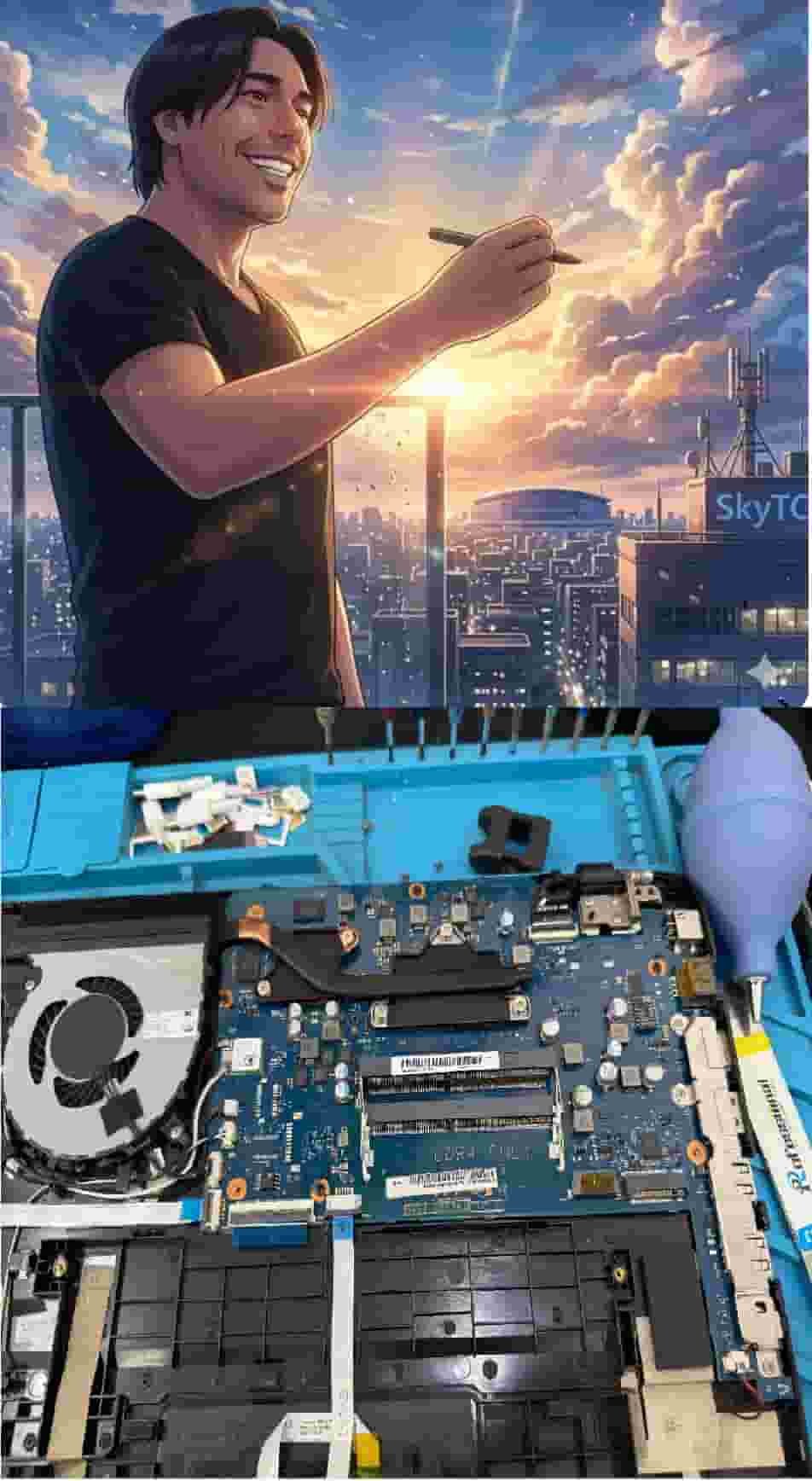
Technical Bio: Hardware & Laptops
“At SkyTC, technology is driven by engineering precision and real field experience. I am Valtersky, and I bring a unique background to the bench: from professional woodworking, the eye for structural integrity; from radiology, an absolute obsession with microscopic details.
As an ultra-endurance marathon runner, I don’t just browse store windows. I tear machines down, run intensive stress tests on thermal dissipation, and validate the actual build quality of every single component. My mission is to translate complex tech engineering and tech finances into smart decisions for your workflow.
Here, we speak straightforward, jargon-free English with the authority of someone who knows exactly what is inside the chassis.”
Read also: How Intake Sponges Protect Bio Media: The Wet-Bench Mechanical Defense Protocol
Abrasive sediment blow-by induces severe magnetic shaft friction shearing, sparking catastrophic canister head pressure loss and biological filtration degradation within seventy-two hours of unbuffered mechanical runout.