

You are standing in the middle of a big-box hardware aisle, staring at a fifty-pound sack of sandbox sand that costs next to nothing compared to those boutique, palm-sized bags at the pet boutique. The nagging question in your gut is simple: can you use play sand in fish tanks without turning your aquarium into a cloudy, toxic swamp? Your back hurts from hauling gear, your wallet is tired of getting gouged by pet-store markups, and you just want a straight answer before you dump fifty pounds of construction-grade dirt into your display tank.
I have spent eight years running massive, heavy-bioload four-hundred-liter goldfish tanks, and I can tell you that the fear of destroying your water clarity is completely justified. Big-box sand is cheap, but if you do not understand grain sorting, you are one quick rinse away from destroying your filtration hardware and suffocating your livestock. Nobody wants to spend their Saturday afternoon doing emergency fifty-percent water changes while their prize Orandas gasp at the surface.
Get this process dialed in right now, and you will save a massive chunk of your hard-earned setup budget, shave hours off your substrate maintenance routine, and give your bottom-dwelling fish a soft, natural bed to sift through safely for years to come.
The Water Parameter: The Nitrate Cycle
Here is your tech-support counter talk: play sand is fundamentally unwashed, crushed quartz and feldspar riddled with ultra-fine silica clay dust. When you throw un-prepped play sand into an established aquarium, that suspended colloidal clay will blanket your filter media, choke out the pore networks on your biomedia, and starve your autotrophic nitrifying bacteria of dissolved oxygen. The immediate consequence is an unmitigated ammonia spike followed by a vicious nitrite stall that will poison your fish overnight.
Furthermore, because play sand has irregular, microscopic grain sizes that pack together like wet cement, it creates dense anaerobic dead zones where water cannot circulate. These dead zones trap decaying waste, bypassing your biological cycle and generating toxic hydrogen sulfide gas. The final verdict? Yes, you can run play sand, but only if you strip the ultra-fine silts via aggressive wet-bucket elutriation and keep your substrate bed under two inches deep. Cut the excuses and do the prep work.
| Substrate Material | Grain Uniformity | Cloudiness / Rinse Burden | Risk of Anaerobic Gas Pockets | Impeller Wear Profile |
|---|---|---|---|---|
| Children’s Play Sand | Extremely Variable (Dust to Coarse) | Severe (Requires 8+ Flushes) | High (Dense Compaction) | Catastrophic if Suspended |
| Pool Filter Sand | High (Standard #20 Silica Mesh) | Low (Pre-Washed) | Minimal (Loose Packing) | Negligible Settling Risk |
| Commercial Aquarium Sand | Uniform Graded | Moderate | Moderate | Low to Moderate |
| Black Diamond Abrasive | Sharp / Variable Mesh | High (Oily Industrial Residue) | Low | Moderate (Abrasive Slag) |
| Calcified Aqua Soil | Uniform Baked Granules | Low (Do Not Rinse) | Very Low | Zero Mechanical Wear |
Can You Use Play Sand in Fish Tanks Without Destroying Filters?
The core danger of cheap play sand is not chemical toxicity; it is mechanical destruction. Premium tier investment substrates are processed through industrial sieves to remove micro-particulates smaller than two hundred microns. Children’s play sand skips this precision step because human toddlers playing in a sandbox do not care about particulate grain distribution.
When you introduce those fine clay particulates into an aquatic system with high-velocity water movement, they remain buoyant for days. That suspended silt acts like liquid sandpaper inside your motorized equipment. If your filter intake sits anywhere near the lower third of the water column, it will vacuum up that floating mineral grit and grind your equipment to pieces from the inside out.
The Bare-Metal Trial: Pros, Cons, and Real-World Wear
Let us look at the bare facts without the pet-store marketing fluff. The Good: play sand is incredibly soft on fish barbels, prevents mouth sores on bottom-sifting species like fancy goldfish or corydoras, and costs a tiny fraction of boutique commercial substrates. It allows you to build expansive, natural riverbed aesthetics across large-format aquariums without burning through your equipment budget.
The Bad: washing this material is absolute manual torture. You will stand over a five-gallon bucket in the backyard with a garden hose for two hours, freezing your knuckles off and dumping muddy slurry onto your lawn until the water runs clear. If you skip this back-breaking step, your tank looks like chalky milk for two weeks straight, your mechanical filter pads turn into solid bricks of gray clay, and if you have an external canister filter, you might as well throw the impeller assembly directly into the trash.
The Wet-Bench Trial: Real Pump and Media Degradation
Modern magnetic-drive aquarium pumps rely on thin hydrodynamic water films to lubricate the gap between the ceramic impeller shaft and the magnetic rotor well. But when fine play sand silts enter the circulation stream, that protective boundary layer vanishes instantly. The hard negative reality is that micro-silica particles migrate straight into the rotor chamber, turning the internal cavity into an industrial grinding wheel.
Within forty-eight hours of circulating suspended play sand, the fine abrasive grit causes severe magnetic shaft friction shearing. The smooth surface of your ceramic or stainless-steel shaft gets deeply gouged, producing an unbearable vibrating drone that echoes through your living room. As heat builds up from the friction, the dynamic rubber end-caps warp, causing the rotor to wobble off-axis until the entire motor block overheats and thermal fuses trip permanently.
Inside the filter housing, the devastation continues. Ultra-fine sand silt coats coarse biological foam like wet mortar, collapsing the open-cell structure and slashing flow rates to a mere fraction of their factory ratings. As canister head pressure drops through the floor, dynamic pump seals begin to weep under backpressure stress, setting you up for catastrophic floor leaks when you least expect them.
Hypostatical Failure Scenario: The Dry-Pour Catastrophe (Click to Expand)
A beginner cuts open a bag of dry play sand and dumps fifty pounds directly into a brand-new tank already filled with conditioned tap water. The tank turns completely opaque white within seconds. In a desperate bid to clear the cloudiness, the keeper switches on a high-output canister filter and walks away for the night.
By morning, the heavy silt has settled, but the ultra-light clay dust has plugged the fine poly-fill pads inside the canister completely. Starved of intake flow, the pump motor experiences cavitation, heats up exponentially, melts the internal plastic rotor housing, and trips the house breaker. The total repair cost in replacement impellers and burned media ends up far exceeding the price of high-grade substrate.
Smarter Guides for a Healthier Aquarium
Practical aquarium guides for cleaner water, healthier fish, better filtration, and long-term tank stability.
Eliminate Aquarium Algae Naturally
A practical field guide to controlling aquarium algae naturally while building a healthier and more balanced aquatic environment.
Master Aquarium Water Chemistry and Bio
Learn how to manage water chemistry, biological filtration, and heavy bioload conditions for a more stable aquarium.
Care for Fancy Goldfish in Large Tanks
A detailed guide to creating the right environment, care routine, and tank conditions for fancy goldfish.
Ultimate Guide to Goldfish Tank Filtration
Understand filtration options, flow, media, and maintenance strategies for keeping goldfish tanks clean and stable.
Maintain a 100 Gallon Goldfish Tank
A practical maintenance system for managing a large goldfish aquarium, including cleaning, water changes, and routine care.
Feed Goldfish for Maximum Lifespan
Learn how feeding frequency, food quality, portions, and routine can support healthier and longer-lived goldfish.
The Filter Cycle: Parametric Water Management Checklist
Evaluate whether you can use play sand in fish tanks.
Expert Tip: Check the packaging bag for added antimicrobial coatings or anti-fungal chemical agents that could easily wipe out your nitrifying bacterial colony.
Wash sand aggressively using the five-gallon bucket method outdoors.
Expert Tip: Blast water down to the base of the bucket with a high-pressure hose nozzle to churn up the fines and float out the colloidal silt.
Maintain substrate bed depths strictly under two inches deep.
Expert Tip: Thick play sand beds pack down tightly under hydrostatic pressure, fostering anaerobic zones that brew lethal hydrogen sulfide pockets.
Shut down all motorized filtration gear before pouring wet sand.
Expert Tip: Never allow pumps or powerheads to run while unseated sand particles settle out of the water column to prevent mechanical scoring.
Place a saucer on the substrate when refilling your tank.
Expert Tip: Pouring freshwater directly onto an unprotected plate diffuses the turbulent downforce, preventing the newly laid sand bed from erupting into a dusty cloud.
Install coarse foam pre-filter sponges over all filter intakes.
Expert Tip: Physical intake barriers trap stray floating grains before they enter your canister housing and shred your expensive magnetic impeller assembly.
Stir sand beds weekly using an acrylic chopstick or skewer.
Expert Tip: Regular mechanical disturbance releases minor gas pockets safely and prevents substrate hardening without disturbing your core bio-filter colonies.
Position water circulation pumps away from the bottom substrate line.
Expert Tip: Aiming high-velocity powerhead nozzles directly toward the substrate scours the bed, blasting abrasive silica dust back into the open water column.
Employ Trumpet Snails to manage benthic substrate turning naturally.
Expert Tip: Burrowing Malaysian Trumpet Snails constantly tunnel through dense sand beds, breaking up anaerobic zones without creating cloudy water or disturbing plants.
Discard the top layer of fine silts during initial rinsing.
Expert Tip: The ultra-fine gray dust floating on top of your rinse bucket contains no structural grit and will never settle properly inside an active aquarium.
Inspect impeller shafts every month for mechanical scoring wear.
Expert Tip: Catching minor micro-abrasions early allows you to swap out cheap ceramic shafts before the entire pump motor block burns out permanently.
The Goldfish Ecology: Straight Answers to Filtration Queries
Will play sand alter my aquarium water pH or hardness?
No, provided it is pure silica-based quartz sand. However, some cheap regional brands contain crushed limestone or shell fragments that will leach calcium carbonate, driving your pH and general hardness through the roof. Always test a small handful with white vinegar first; if it fizzes, keep it out of soft-water setups.
Can fancy goldfish choke or get impacted from eating play sand?
No, they pass it naturally. Goldfish are natural benthic sifters designed to take mouthfuls of river sediment, filter out organic food morsels through their gill rakers, and spit out the inert mineral grains. Heavy, coarse gravel is the real danger for throat choking, not fine sand.
How do I clear cloudy water if play sand was poured unwashed?
Turn off your main filters immediately and do a ninety-percent water drain. Refill slowly using a diffusion plate, pack a dedicated internal mechanical polisher full of disposable poly-fil batting, and run it until the cloudiness clears. Throw that clogged batting straight into the garbage afterward.
Is pool filter sand better than children’s play sand for beginners?
A thousand times yes. Pool filter sand is pre-sieved to a uniform number-twenty mesh size, meaning all the dangerous micro-silts have already been extracted at the factory. It rinses in a quarter of the time and settles to the floor instantly without destroying your canister pumps.
Will play sand turn black and smelly over time?
Yes, if you let it sit stagnant. When detritus settles into dense, unstirred play sand, heterotrophic bacteria consume all local oxygen, creating black anaerobic zones rich in toxic iron sulfide. Keep the bed thin and stir it periodically to prevent this rot.
Can live aquatic plants grow roots successfully in play sand?
They can, but play sand contains zero inherent nutritional value. It is completely inert silica. If you want heavy root feeders like Amazon Swords or Cryptocorynes to survive in it, you must insert concentrated nutrient root tabs directly beneath their root crowns every few months.
How close to the sand bed should my filter intake be placed?
Keep your intake strainers at least four to five inches above the sand floor. Bottom-dwelling fish kick up sand plumes constantly when foraging, and any intake positioned too low will inhale that grit directly into the motor assembly, shortening its lifespan dramatically.
Why does my magnetic impeller make a grinding noise after adding sand?
Because sand grains are trapped inside the rotor cavity. Shut down the filter immediately, pull the motor head apart, flush the magnetic well with fresh tap water, and wipe down the ceramic shaft. If you leave it grinding, you will cook the motor block within days.
🛡️ │ WHY TRUST SKYTC GOLDFISH CARE CURATION?
At SKYTC, we hold aquatic ecosystem biology and biological parameter handling to a rigorous standard. We are not an automated affiliate review engine; we apply hands-on tests and serious filtration engineering workflows to ensure every recommendation guarantees the health and maximum lifespan of your fish with absolute safety.
✓ Engineering:
Structural experience backed by heavy-duty filtration math, continuous hydraulic turnover metrics, and robust mechanical support for large-scale coldwater systems.
✓ Expertise:
Focuse on preventative biological husbandry and premium nutrition. Thoroughly auditing biological media, sinking feeds, and elements that completely neutralize ammonia spikes.
✓ Authority:
Curation signed by real keepers running a balanced 100-gallon display ecosystem for over 8 years, pairing daily practical benchwork with direct wholesale breeder insights.
✓ Trust:
Product selections built on unfiltered transparency—exposing actual electrical draws, heat dissipation issues, and hidden costs before any Amazon recommendations.
📸 Our Journey in the Real World
From daily living room tank turn rates to macro-scale breeding setups.
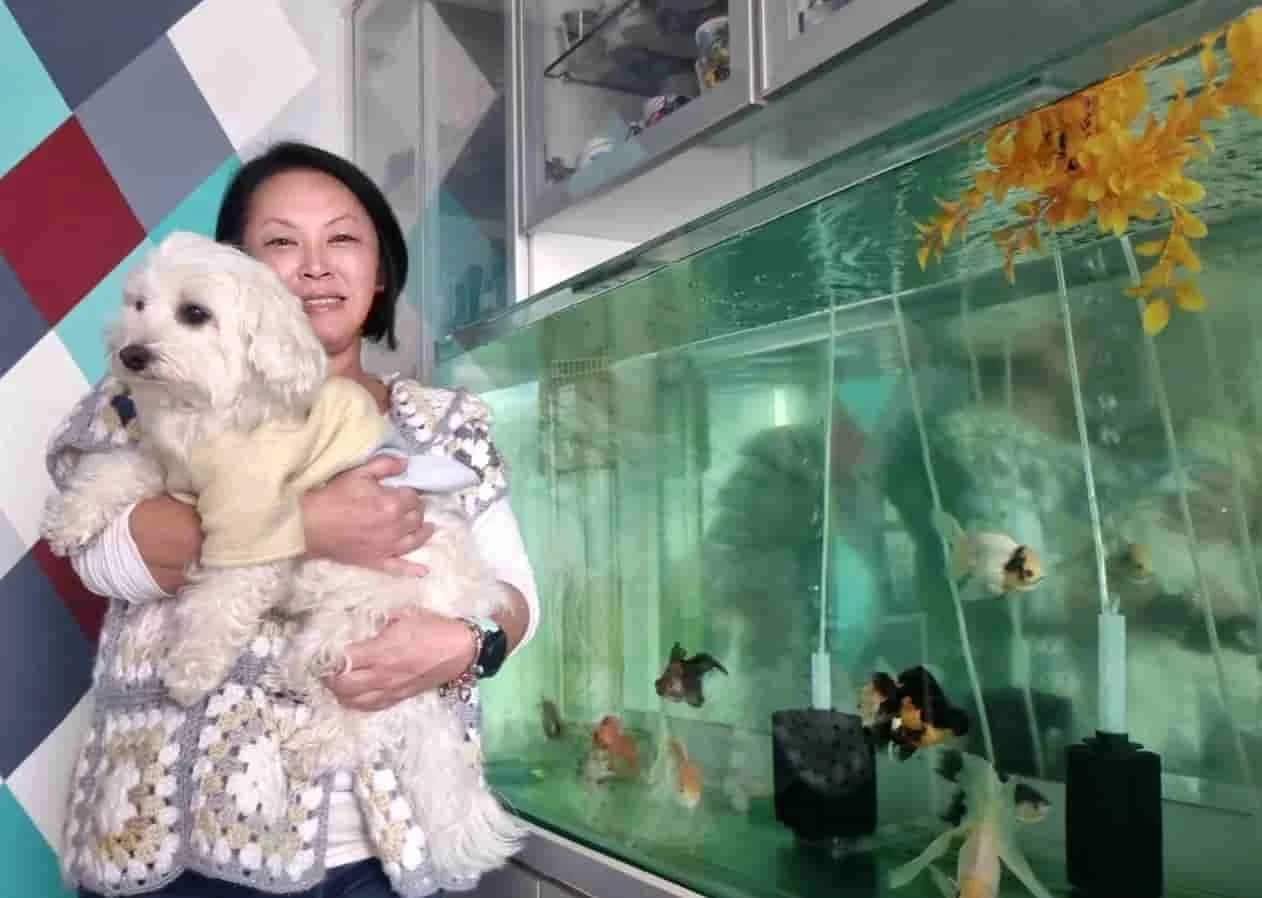
🏠 The 100G Lab
Where we torture test every hardware option, pellet line, and filter layout live.

🏃♀️ Grit & Eye
Marathon endurance meets the precise, millimeter structural focus of a seamstress.
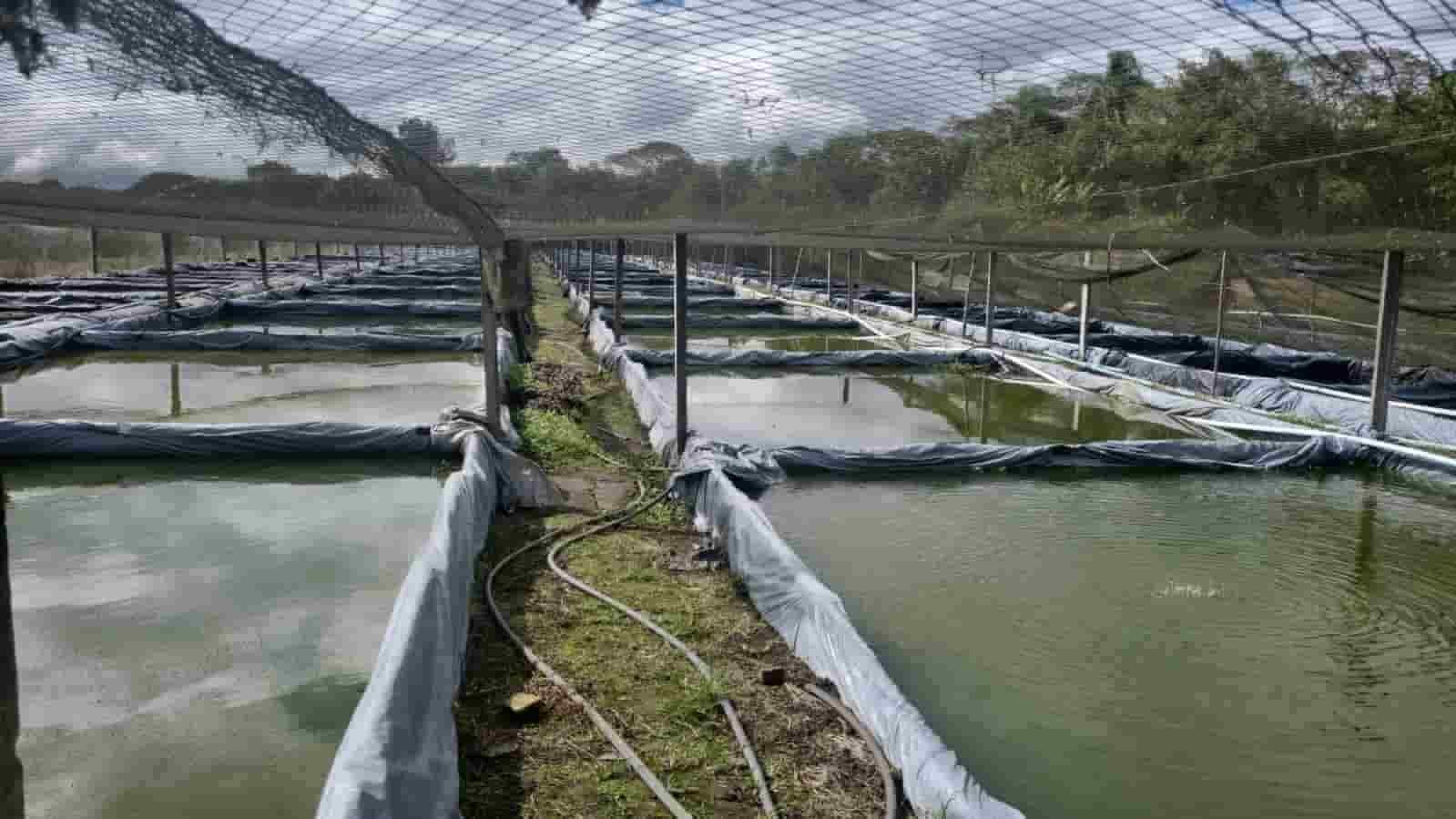
🐳 Monster Vats
Analyzing massive continuous turnovers inside large open-air mud farm vats.
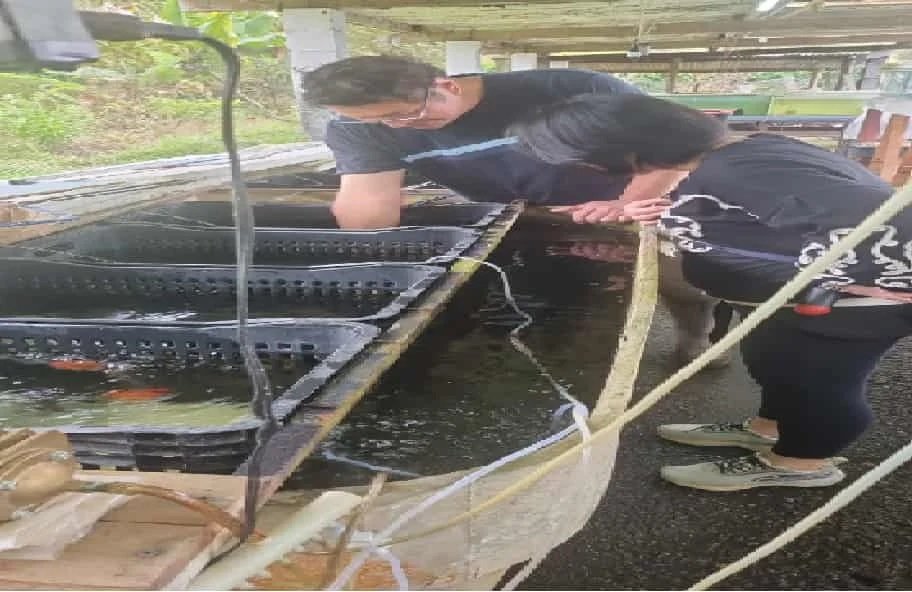
🤝 True Alliances
Working hand-in-hand with regional facility operations to target elite fancy bloodlines.
Read also: Pool Filter Sand in Goldfish Aquariums: The Master Sifting Playbook
Wet-Bench Warning: Introducing inadequately sieved silica particulates directly accelerates magnetic shaft friction shearing, inducing canister head pressure loss and catastrophic dynamic pump seal leaks across high-flow filtration circuits.