

You flip on the tank lights, and your prize Ranchu looks like it is slowly morphing into a rotting dandelion. A nasty patch of white, cottony fuzz is sprouting across its wen, dorsal ridge, or flank, and you feel that icy knot of panic tighten in your chest. Knowing the exact goldfish white fuzz cure steps before that mycelial network roots deep into muscle tissue is the literal line between a thriving aquatic pet and a dead fish floating belly-up by sunrise.
There is nothing worse than standing over your tank with wet sleeves at midnight, staring at pet-store shelves packed with snake-oil herbal remedies that do nothing while your fish sits clamped on the substrate. You feel completely helpless watching that fuzz spread, terrified that whatever you dump into the water might wipe out your entire collection.
I have spent eight years running massive, heavy-bioload four-hundred-liter goldfish setups. When I am sewing a heavy seam on a technical garment, if the tension is off by a hair, the whole stitch unravels under load; goldfish pathology works the exact same way. Master this emergency protocol right now, and you will save your livestock, stop throwing hard-earned cash at useless gimmick cures, and preserve your biological filtration without breaking a sweat.
The Water Parameter: The Nitrate Cycle
Here is your tech-support counter talk straight from the wet bench: white fuzz is practically never a primary infection. It is an opportunistic strike by water molds like Saprolegnia or virulent gram-negative bacteria like Flavobacterium columnare that prey on fish whose protective mucus coats have been systematically shredded by chronic nitrate exposure. If your dissolved nitrates are creeping past forty parts per million, your water is an open invitation for tissue necrosis.
When desperate hobbyists dump broad-spectrum biocides directly into their main display tank, they commit the ultimate rookie blunder: they incinerate their autotrophic nitrifying bacteria. That unforced error triggers an instantaneous ammonia and nitrite spike that poisons the fish’s bloodstream while it is already fighting for its life. The final verdict? Pull the infected fish into a dedicated bare-bottom hospital tub, hit the pathogen with targeted osmotic baths and pharmaceutical-grade antimicrobials, and immediately flush fifty percent of your main system water to drop dissolved organics down to baseline.
| Therapeutic Agent | Target Pathogen Class | Bio-Filter Safety | Livestock Stress Rating | Common Treatment Failure Mode |
|---|---|---|---|---|
| Pure Sodium Chloride (Salt) | True Fungi (Saprolegnia) | One Hundred Percent Safe | Low (Osmotic Support) | Underdosing Below Therapeutic Threshold |
| Methylene Blue Dip | Fungal Spores / Superficial Bacteria | Destroys Nitrifiers on Contact | Moderate | Dosing Inside Main Display System |
| Kanamycin + Nitrofurazone | Systemic Columnaris Bacteria | Mild Bacterial Suppression | Moderate to High | Halting Doses Before Tissue Regeneration |
| Tree Oil Botanical Gimmicks | None (Mild Antiseptic Only) | Fouls Surface Biofilm | Severe (Gill Coating) | Total Failure Against True Pathogens |
| Hydrogen Peroxide Swab | External Localized Hyphae | Safe (Localized Application) | High (Handling Stress) | Accidental Contact with Gill Lamellae |
Goldfish White Fuzz Cure Steps: Differentiating Fungus from Columnaris
Before you administer a single drop of therapeutic treatment, you must identify what you are actually fighting. True aquatic fungus—predominantly Saprolegnia—looks like stringy, three-dimensional cotton wool with distinct strands trailing into the water column. It only colonizes areas where physical injury, rough handling, or parasitic attacks have already stripped away the protective epidermal slime coat.
If that white fuzz looks flat, slimy, resembles wet lint, or centers aggressively around the mouth and gill plates, you are not dealing with fungus at all; you are dealing with Columnaris. This is a lethal, fast-moving bacterial infection that produces a “false fungus” appearance. If you treat Columnaris with standard fungal remedies, the bacteria will liquefy the fish’s gill tissues within forty-eight hours.
The Bare-Metal Trial: Pros, Cons, and Real-World Wear
Managing an outbreak requires choosing between in-situ main tank treatment or isolation protocols. The Good: isolating your sick goldfish inside a bare-bottom hospital tank protects your expensive biological media, prevents chemical discoloration of your display seals, and slashes the total volume of medication needed down to a budget-friendly level.
The Bad: running a secondary medical tank requires constant daily parameter monitoring, aggressive manual water changes, and dedicated aeration equipment. If you skip water tests for a single afternoon in a small quarantine volume, metabolic waste accumulates rapidly, and the resulting chemical burn will finish off an immunocompromised fish faster than the fungal infection itself.
The Wet-Bench Trial: Real Pump and Media Degradation
Deploying heavy chemical treatments directly into high-performance filtration circuits causes catastrophic mechanical breakdown. High-purity pharmaceutical dyes like methylene blue permanently stain silicone seals and bind to plastic impeller housings. The hard reality is that therapeutic chemicals denature bacterial extracellular polymers, causing mature bio-slimes to slough off biological ceramic media in thick sheets.
That sloughed biological debris is sucked directly into the filter intake, where it blankets fine mechanical pads and starves the impeller well of fluid. The resulting hydraulic backpressure creates severe dynamic pump seal leaks and induces destructive magnetic shaft friction shearing. As the ceramic impeller shaft runs dry without its thin hydrodynamic water barrier, heat builds up rapidly, scoring the magnetic core and warping the motor housing.
Furthermore, running dense therapeutic salt protocols at high concentrations increases water density and mineral crystallization risks. Low-grade components featuring cheap stainless-steel motor shafts suffer micro-pitting and corrosion along the wet-end assembly. You end up trading a temporary fungal outbreak for a permanently seized canister pump motor block.
Hypostatical Failure Scenario: The Tea-Tree Oil Trap (Click to Expand)
A panicked hobbyist spots a white fuzzy patch on their Oranda’s caudal peduncle. Swayed by glossy pet-store marketing, they dump a bottle of botanical tea-tree extract directly into their seventy-gallon display tank. The tank immediately smells like a day spa, and the keeper assumes the problem is solved.
Within twenty-four hours, the aromatic oils coat the water surface, suffocating air-gas exchange and forming an oily layer over the fish’s delicate gill filaments. The underlying infection—which was aggressive bacterial Columnaris—spreads completely unchecked, eroding the entire caudal fin down to the bloody tail root. The filter’s biological bacteria stall under oxygen starvation, resulting in a dual ammonia crash that wipes out the entire tank.
Smarter Guides for a Healthier Aquarium
Practical aquarium guides for cleaner water, healthier fish, better filtration, and long-term tank stability.
Eliminate Aquarium Algae Naturally
A practical field guide to controlling aquarium algae naturally while building a healthier and more balanced aquatic environment.
Master Aquarium Water Chemistry and Bio
Learn how to manage water chemistry, biological filtration, and heavy bioload conditions for a more stable aquarium.
Care for Fancy Goldfish in Large Tanks
A detailed guide to creating the right environment, care routine, and tank conditions for fancy goldfish.
Ultimate Guide to Goldfish Tank Filtration
Understand filtration options, flow, media, and maintenance strategies for keeping goldfish tanks clean and stable.
Maintain a 100 Gallon Goldfish Tank
A practical maintenance system for managing a large goldfish aquarium, including cleaning, water changes, and routine care.
Feed Goldfish for Maximum Lifespan
Learn how feeding frequency, food quality, portions, and routine can support healthier and longer-lived goldfish.
The Filter Cycle: Parametric Water Management Checklist
Execute proper goldfish white fuzz cure steps immediately upon detection.
Expert Tip: Isolate the affected fish into a bare-bottom hospital container to prevent therapeutic dyes from completely sterilizing your display tank’s biological media.
Dose non-iodized aquarium salt at three grams per liter.
Expert Tip: High therapeutic salinity disrupts the internal osmotic balance of freshwater fungal cells, causing the hyphae to collapse without harming the fish.
Swab localized cotton patches using three percent hydrogen peroxide.
Expert Tip: Pinpoint topical application with a cotton bud oxidizes dead fungal tissue instantly, but keep the peroxide strictly clear of the sensitive gill lamellae.
Increase secondary aeration inside the hospital setup using air stones.
Expert Tip: Both fungal infections and therapeutic medications drastically impair aquatic oxygen transfer, demanding massive surface turbulence to prevent hypoxia.
Perform fifty percent daily water changes on the hospital tub.
Expert Tip: Uncycled medical containers accumulate toxic metabolic ammonia rapidly, which strips away the fish’s regenerating mucosal slime coat if left unchecked.
Remove chemical carbon media before administering any pharmaceutical treatments.
Expert Tip: Activated carbon filters strip active therapeutic molecules out of the water column within an hour, rendering your treatment completely useless.
Combine Kanamycin with Nitrofurazone if Columnaris is actively suspected.
Expert Tip: This dual antibiotic strategy delivers an aggressive synergistic knockout punch against virulent gram-negative bacterial strains that mimic fungal growth.
Check underlying water parameters for invisible physical stressors immediately.
Expert Tip: Chronic exposure to sub-lethal ammonia or sharp pH swings damages epidermal layers, creating physical entry wounds for opportunistic fungal spores.
Sterilize wet siphon tubes and nets between tank systems.
Expert Tip: Unwashed maintenance tools mechanically transfer viable fungal zoospores across multiple aquariums, causing secondary system-wide outbreaks.
Maintain stable water temperatures throughout the entire quarantine protocol.
Expert Tip: Rapid temperature fluctuations trigger severe immune suppression in fancy goldfish, allowing fungal hyphae to penetrate deeper into muscular tissue beds.
Feed high-protein sinking pellets enriched with pure vitamin C.
Expert Tip: Internal nutritional support accelerates cellular regeneration, allowing the fish to rebuild its protective mucosal barrier from the inside out.
The Goldfish Ecology: Straight Answers to Filtration Queries
Will white fuzz kill my goldfish if left untreated?
Yes. True fungus consumes necrotic tissue first, but quickly releases digestive enzymes that dissolve healthy muscle and blood vessels. If it breaches the internal dermis or colonizes the gill structures, the fish dies of circulatory collapse or suffocation.
Can I treat fungal fuzz inside my main display aquarium?
Do not do it. Effective fungal medications and strong dyes will kill off your nitrifying bacteria, stain your tank silicone permanently, and saturate porous driftwood. Always conduct therapeutic dips or extended treatments in an isolated hospital setup.
Are commercial botanical oils effective against aquatic fungus?
No. Natural tree oil additives are mild antiseptics at best and dangerous placebos at worst. They cannot arrest aggressive fungal hyphae or virulent bacterial necrosis, and their oily residues coat the water surface, restricting critical oxygen exchange.
How long does it take for fungal fuzz to fall off?
With an aggressive salt and medication protocol, visible cottony tufts usually shrivel and detach within forty-eight to seventy-two hours. However, full dermal tissue repair and scale regeneration take anywhere from two to four weeks of clean water.
Can low water temperatures cause a fungal outbreak?
Yes. While fancy goldfish tolerate cool water, temperatures plummeting below sixty degrees Fahrenheit slow their immune response to a crawl. Cold-tolerant water molds like Saprolegnia exploit this metabolic sluggishness to colonize tiny scrapes or lesions.
Why did the white fuzz return after I finished treatment?
Because you returned the fish to dirty water. If your main display tank carries high nitrates, accumulated organic sludge, or aggressive tank mates that nip fins, the fish’s slime coat will fail again, triggering an immediate secondary infection.
Is white fuzz on a goldfish contagious to other tank mates?
The fungus itself is not strictly contagious; fungal spores exist in every aquarium continuously. It only attacks fish that are immunocompromised, injured, or living in degraded water parameters. Healthy fish with intact slime coats will naturally resist it.
Should I physically pull the fuzz off the fish with tweezers?
Never rip dry fuzz off a fish. Pulling embedded mycelial strands tears away healthy underlying skin and muscle, creating an even larger open wound for bacteria to exploit. Let chemical dips shrivel the fungus naturally, or dab it gently with peroxide.
🛡️ │ WHY TRUST SKYTC GOLDFISH CARE CURATION?
At SKYTC, we hold aquatic ecosystem biology and biological parameter handling to a rigorous standard. We are not an automated affiliate review engine; we apply hands-on tests and serious filtration engineering workflows to ensure every recommendation guarantees the health and maximum lifespan of your fish with absolute safety.
✓ Engineering:
Structural experience backed by heavy-duty filtration math, continuous hydraulic turnover metrics, and robust mechanical support for large-scale coldwater systems.
✓ Expertise:
Focuse on preventative biological husbandry and premium nutrition. Thoroughly auditing biological media, sinking feeds, and elements that completely neutralize ammonia spikes.
✓ Authority:
Curation signed by real keepers running a balanced 100-gallon display ecosystem for over 8 years, pairing daily practical benchwork with direct wholesale breeder insights.
✓ Trust:
Product selections built on unfiltered transparency—exposing actual electrical draws, heat dissipation issues, and hidden costs before any Amazon recommendations.
📸 Our Journey in the Real World
From daily living room tank turn rates to macro-scale breeding setups.
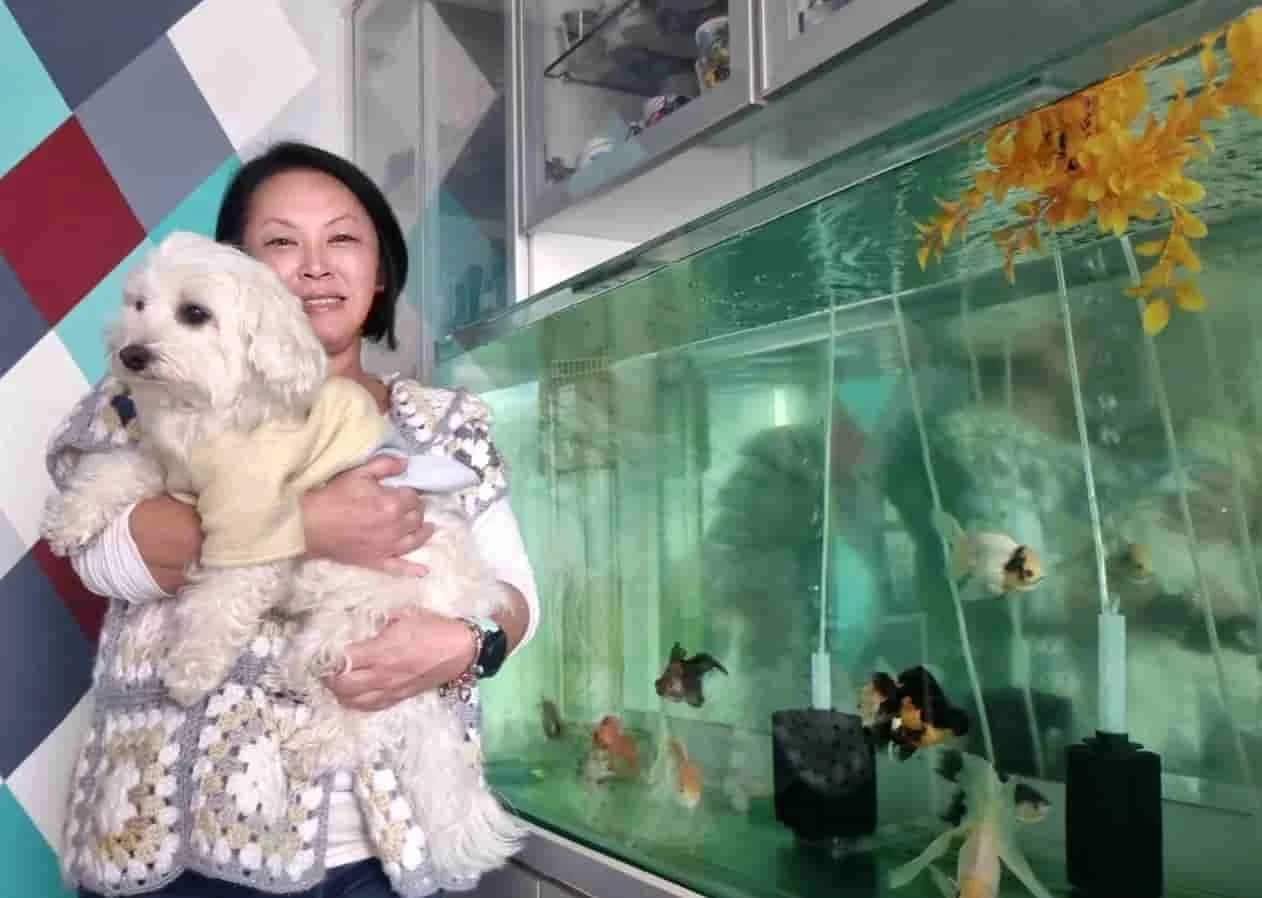
🏠 The 100G Lab
Where we torture test every hardware option, pellet line, and filter layout live.

🏃♀️ Grit & Eye
Marathon endurance meets the precise, millimeter structural focus of a seamstress.
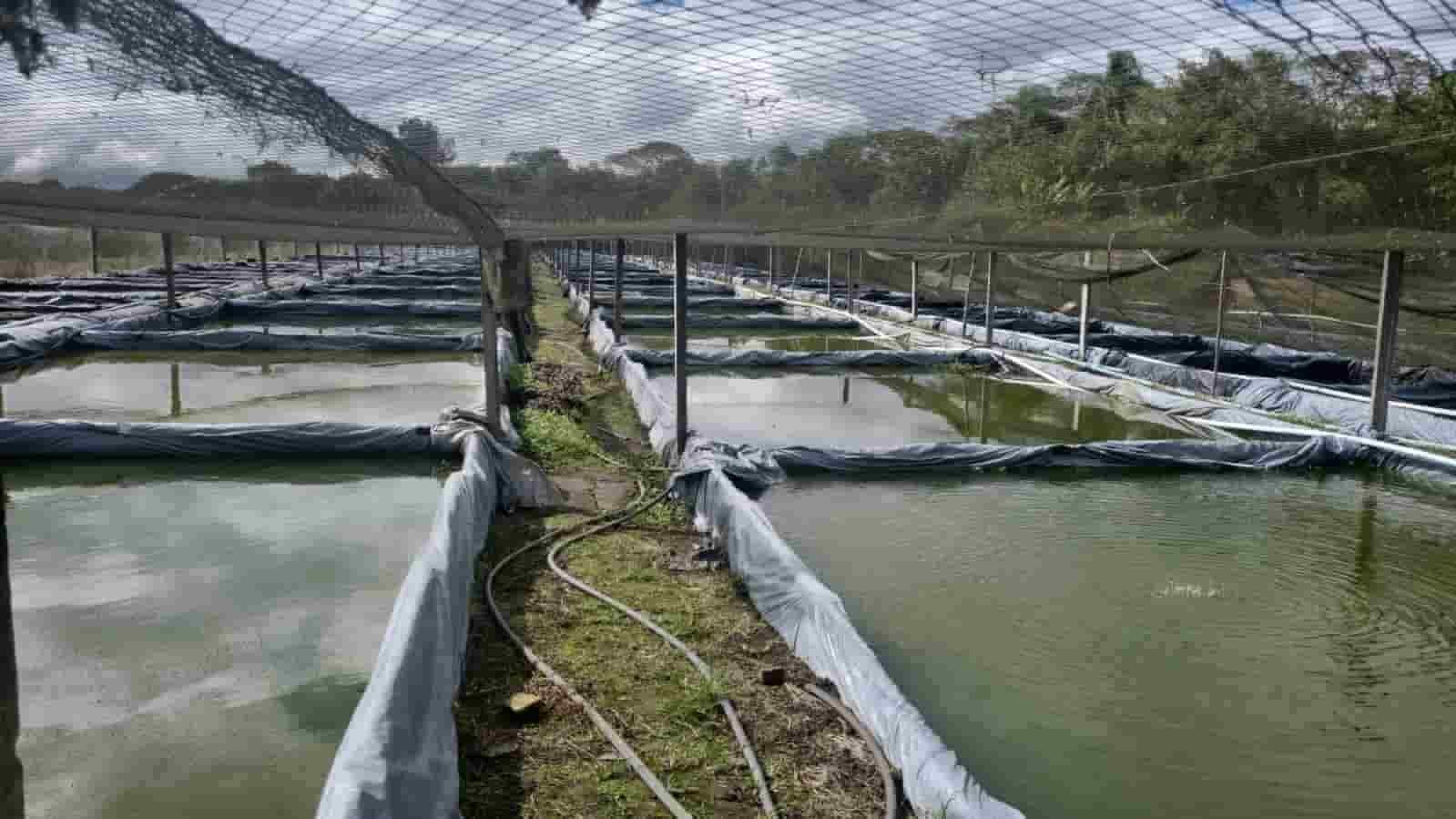
🐳 Monster Vats
Analyzing massive continuous turnovers inside large open-air mud farm vats.
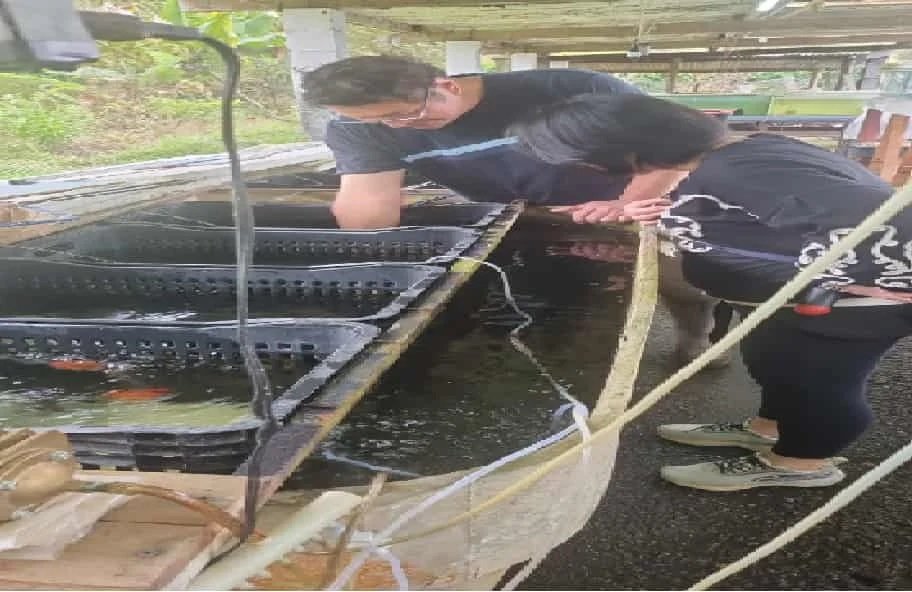
🤝 True Alliances
Working hand-in-hand with regional facility operations to target elite fancy bloodlines.
Read also: How Long Does Ich Live in Tanks: The Brutal Parasite Lifecycle Teardown
Wet-Bench Warning: Dosing non-selective biocides into display setups induces complete biological filtration degradation, causing catastrophic canister head pressure loss and dynamic pump seal leaks from sloughed bacterial mats.